Yirgacheffe Pour-Over Guide: Washed vs Natural Flavor Differences and Brewing Parameters
Introduction: Want to fully experience the unique charm of Yirgacheffe coffee beans? This article takes you deep into the notable flavor differences between washed and natural Yirgacheffe and offers professional-grade pour-over parameter recommendations. Whether you are a coffee novice or an advanced enthusiast chasing flavor, you can grasp brewing techniques, avoid common pitfalls, and brew a cup of high-quality Yirgacheffe with rich layers.
In the world of specialty coffee, Yirgacheffe is undoubtedly one of Ethiopia's representative coffees, with its distinctive floral and citrus notes that are hard to forget. But do you truly understand the essential differences in flavor expression between washed and natural Yirgacheffe? More importantly, how can you maximize each one's flavor characteristics through the correct pour-over method?
First, the first step of tasting coffee is crucial. Don't rush to add sugar or milk; take a small sip first and let your taste buds directly experience the coffee's original flavor. High-quality washed Yirgacheffe usually shows bright acidity, accompanied by clear lemon and jasmine aromas, with a clean and well-layered mouthfeel; natural Yirgacheffe often carries richer blueberry and tropical fruit flavors, with more prominent sweetness and relatively softer acidity.
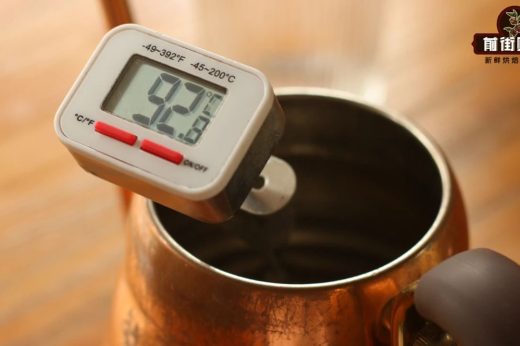
For brewing equipment, drippers such as the V60 or Kalita Wave are recommended, as they better showcase Yirgacheffe's delicate flavors. Recommended parameters for washed Yirgacheffe: 15-18 g of coffee, water temperature 90-92°C, coffee-to-water ratio 1:15-1:16, using a staged pouring method—first add a small amount of water and bloom for 30 seconds, then pour in circles from the center outward up to the target water amount. For natural Yirgacheffe, slight adjustments can be made: the water temperature can be raised to 92-94°C to bring out more sweetness and complexity.
A common mistake many coffee lovers make is over-stirring. Remember, the coffee spoon is only for evenly mixing the coffee grounds and water; remove it immediately after stirring to avoid affecting extraction uniformity. In addition, common creamers or coffee mates on the market are mostly made from vegetable oils with added artificial flavors; not only do they fail to improve coffee quality, they may also mask Yirgacheffe's refined flavors. Fresh milk or plant-based milk is recommended as a substitute.
As for the choice of sweetener, white granulated sugar easily masks the coffee's original flavor. Yellow sugar or cane sugar is preferred; they not only complement Yirgacheffe's sweet-tart balance but also, due to their larger granules, dissolve less quickly, making them suitable for slow savoring. As for the coffee's temperature, the optimal drinking temperature range is 85-90°C; this range fully releases the coffee's aroma while avoiding the stimulation of high temperatures on the palate, allowing you to perceive Yirgacheffe's layered changes more delicately.
Finally, a reminder: when brewing Yirgacheffe, the influence of water quality cannot be ignored. Filtered soft water is recommended to avoid excessive mineral content in the water affecting the balance of coffee extraction. Master these key points, and you can fully appreciate the unique charm of this classic coffee variety—whether the fresh brightness of washed or the mellow sweetness of natural, both can be perfectly presented in your cup.