Cold Drip vs. Cold Brew: Key Differences, Bean Selection, and Which Suits Daily Black Coffee
Introduction: Cold drip and cold brew are both methods of extracting coffee with cold water, but they differ clearly in brewing principles, taste performance and suitable occasions. This article analyzes the core differences between cold drip and cold brew in depth, introduces the characteristics of coffee beans suitable for low-temperature extraction, helps you choose the right coffee according to your flavor preferences, and answers common questions such as whether cold brew counts as black coffee and how long it keeps, helping you easily master these two popular cold-water coffee brewing methods.
Many people think coffee can only be brewed with hot water, but that is not the case. As early as the 1960s, a method of slowly drip-filtering coffee grounds with ice water became popular in Japan—cold drip coffee. This method uses special equipment to control ice water dripping through the coffee grounds at an extremely slow rate, ultimately producing a cup of coffee liquid with a clean flavor, low bitterness and rich layers.
Because cold water lacks hot molecular activity, extraction efficiency is lower, so cold drip coffee usually requires a long extraction of 6 to 8 hours, and ice cubes must be replenished at appropriate times during the process to keep the water temperature constant. In addition, limited by equipment capacity, the output of cold drip coffee per brew is small, and the price is relatively higher.

For coffee lovers without professional cold drip equipment, cold brew coffee is an easier alternative. Simply mix coarsely ground coffee with cold water and refrigerate for about 12 hours to obtain a cup of coffee with a full body and good balance. Although cold brew's filtration is slightly inferior and may leave fine coffee particles, the overall flavor is still satisfying.
The most essential difference between cold drip and cold brew lies in the extraction method: cold drip controls low-temperature water droplets to slowly filter through the coffee grounds, while cold brew lets the coffee grounds steep in cold water for a long time. In terms of taste, cold drip usually presents a more refreshing, clearly layered flavor, while cold brew is known for its mellow fullness and prominent sweetness.

Why does cold-water-extracted coffee have lower bitterness? This is because the low-temperature environment inhibits the release of large-molecule bitter substances in coffee, mainly extracting sweet and sour flavor substances, so the overall taste is cleaner. However, low temperature also limits the full release of aromatic substances; compared with hot water brewing, cold brew coffee's aroma is usually more restrained.
Conversely, hot water brewing can more efficiently extract various aromatic compounds in coffee, and with the action of steam, makes the coffee's aroma more exuberant. Therefore, if you pursue an aroma-rich experience, hot water brewing is still the first choice; if you prefer a low-stimulation, mild and elegant flavor, cold-water extraction is more worth trying.

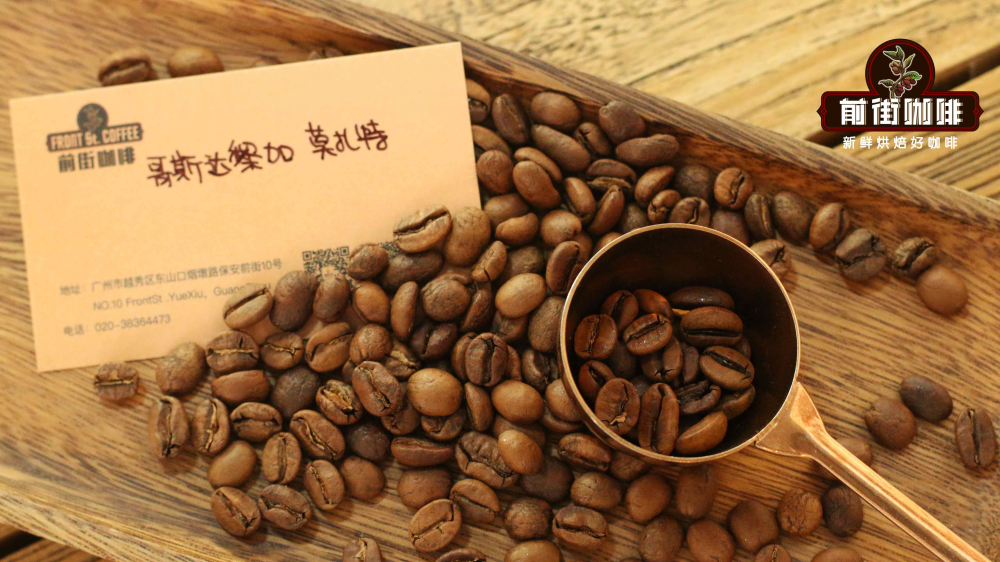
In terms of bean selection, beans suitable for cold drip and cold brew usually have prominent sweet-sourness and clear flavor layers. For example, naturally processed Yirgacheffe from Ethiopia has bright berry notes, citrus acidity, and a soft fermented aroma with a black tea finish; it is very suitable for low-temperature slow extraction and can show a rich juicy feel.
If you dislike overly obvious acidity, you can choose coffee beans with raisin and caramel sweetness; such beans often have a mellow sweet base and soft fruity aroma, and become more gentle and smooth after cold brewing, suitable for daily enjoyment as black coffee.

When making cold drip coffee, it is recommended to use a grind size equivalent to an 85% pass rate through the Chinese No. 20 standard sieve, roughly equivalent to fineness setting 9 on a grinder. This grind size can improve extraction efficiency in a low-temperature environment and compensate for the shortcoming of slow water flow. Usually a coffee-to-water ratio of 1:10 is used, that is, 60 grams of coffee grounds to extract 600 grams of coffee liquid, with an ice-to-water ratio of 1:1, the valve flow rate controlled at 7 drops per 10 seconds, and the whole process lasting 6 to 8 hours.
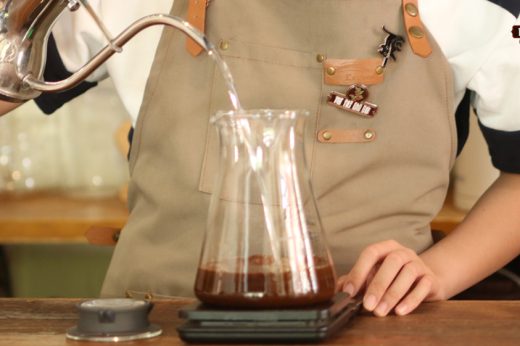
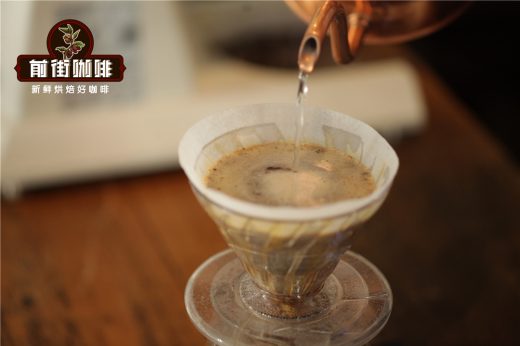
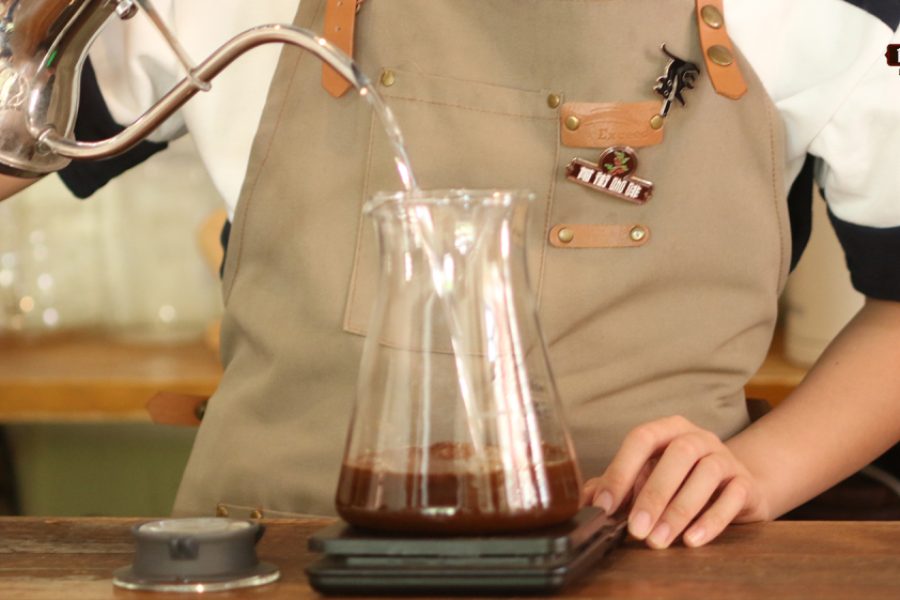
Before formal dripping, first moisten the coffee grounds with cold water, which helps even extraction and shortens the waiting time at the start. Lay filter paper flat above and below the grounds to ensure water droplets penetrate evenly and avoid channeling. After dripping is complete, it is recommended to seal the coffee liquid and let it stand for more than 12 hours to further enhance flavor integration.
Cold brew coffee is simpler to make; also using a 1:11 coffee-to-water ratio, mix coarsely ground coffee with cold water, place in a sealed container, and refrigerate to steep for 12 to 16 hours. To ensure even flavor release, you can stir gently after mixing so the coffee grounds fully contact the water. Afterward, remove the coffee grounds through a filter, and you can enjoy a cup of mellow cold brew coffee.
Note that whether cold drip or cold brew, the low-temperature extraction process does not truly stop; refrigeration only slows the rate of flavor change. Over time, substances in the coffee gradually react, which may lead to deterioration of taste or even spoilage. Experiments show that cold brew coffee has the best flavor within 1 to 4 days of refrigeration, and it is recommended to finish it within 5 days after making to ensure flavor and safety.

In particular, if warm water is used for quick cold brewing, because higher temperature accelerates the release of flavor substances, it is also easier for microorganisms to grow; this type of cold brew coffee has a shorter shelf life, and it is recommended to finish it within 2 days to avoid gastrointestinal discomfort.
In summary, cold drip and cold brew each have their own characteristics: cold drip pursues ultimate purity and layers, suitable for coffee lovers with higher flavor requirements; cold brew wins with simple operation and mild taste, more suitable for daily enjoyment. By choosing suitable coffee beans and extraction methods according to personal taste preferences, you can also easily enjoy a high-quality cold-water coffee experience at home.