Ice Drip vs Cold Brew Coffee: Brewing Differences, Flavor Comparison, and Beginner's Guide

Introduction: Ice drip coffee and cold brew coffee are both cold coffee methods suited to summer, but the two differ significantly in brewing process, flavor expression, and mouthfeel details. This article compares the two methods in depth from the perspectives of brewing principles, parameter settings, and flavor characteristics, helping you understand their unique qualities and master practical advice for choosing or trying them.
In the world of specialty coffee, ice drip and cold brew are two widely popular cold brewing methods, and many coffee lovers often wonder how these two coffees differ in taste and preparation. In fact, although both use cold water to extract coffee as their main principle, they differ clearly in equipment, process, time control, and the flavor ultimately presented. By understanding their preparation methods and flavor characteristics in depth, you can better choose the one that suits you.
1. Very Different Preparation Methods: From Principle to Equipment
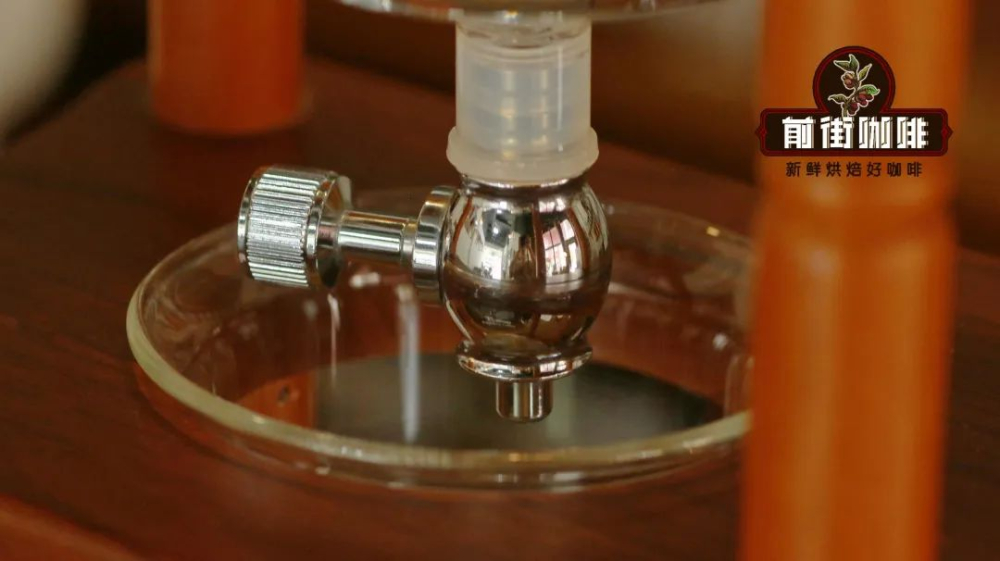
Ice drip coffee uses a special drip device, usually called an ice drip pot, which consists of three parts: top, middle, and bottom. The top pot holds a mixture of ice and water, the middle pot holds ground coffee, and the bottom pot collects the coffee liquid. During preparation, ice water drips slowly through gravity, passes through the coffee grounds layer, and extracts coffee liquid drop by drop; the whole process usually takes 6 to 8 hours. This method emphasizes "slow extraction," making the coffee's flavor purer and more refreshing.

Cold brew coffee, by contrast, is relatively simple to make: simply mix ground coffee with cold or ice water in a certain ratio, stir evenly, seal, and refrigerate for 12 to 24 hours for low-temperature extraction. Then filter out the coffee grounds with filter paper or a mesh strainer to obtain a cup of cold brew coffee. The whole process does not rely on dripping but completes extraction through long soaking.
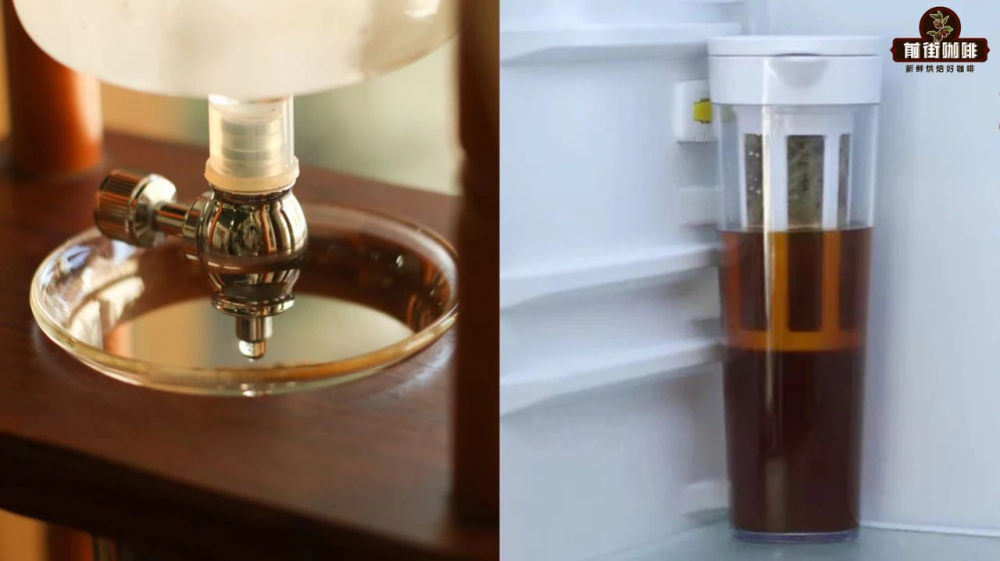
In terms of equipment, ice drip coffee requires a dedicated drip pot and is more complicated to operate, while cold brew coffee only needs a sealed container and is more suitable for everyday home use.
2. Comparison of Key Parameters: Grind Size, Coffee-to-Water Ratio, and Time Control
For a fair comparison, the same coffee beans are usually chosen and a similar grind size is used. Generally, both use a relatively fine grind, about 75% passing rate through a No. 20 standard sieve, equivalent to medium-fine grinding, similar to the medium-fine level of pour-over coffee.
In ice drip coffee, the commonly used coffee-to-liquid ratio is 1:10, for example using 60 grams of coffee grounds to extract 600 milliliters of coffee liquid, with the water flow rate controlled at about 6 drops every 10 seconds, using ice water as the water source, and an extraction time of about 7 to 8 hours. To further enhance flavor layers, some methods refrigerate the coffee liquid for another 48 hours after extraction to stabilize the flavor.

The coffee-to-liquid ratio for cold brew coffee is also often set at 1:10, for example using 50 grams of coffee grounds with 400 milliliters of cold water and 200 grams of ice (about 600 grams of liquid in total). This takes into account the actual situation of coffee grounds absorbing water and expanding. After mixing, stir thoroughly and seal, then refrigerate for 24 hours. After extraction is complete, carefully filter out the coffee grounds with filter paper, and sometimes let the coffee liquid sit and refrigerate for another 2 to 4 hours to make the flavor more integrated and full.

3. Flavor Comparison: Refreshing vs Full-Bodied, Clear Differences
In terms of flavor expression, ice drip coffee usually presents a cleaner, clearer mouthfeel, with an obvious fermented note, and some also show a layered character similar to wine, along with subtle berry-like sweet-tart tones. Because the drip process is slow, it can extract the aromatic substances in coffee more delicately while reducing the release of impurities, so the overall flavor is more refined.
By comparison, cold brew coffee has a fuller and more uniform mouthfeel, with more prominent fruity sweetness and a relatively weaker fermented note; the overall style is milder and rounder. Because of the long low-temperature soaking, it better highlights the coffee's own sweetness and body, making it suitable for drinkers who prefer a soft mouthfeel and low acidity.

In appearance, ice drip coffee is usually more transparent and clear, while cold brew coffee, because it contains more oils and fine particles, often looks slightly hazy, and may even have a layer of fine oil attached to the surface.

4. How to Choose? Decide Based on Mouthfeel Preference
If you prefer clean, refreshing coffee with a slight fermented flavor, ice drip coffee may be the better choice; although its preparation is more complicated, its flavor layers are rich and it is suitable for slow tasting. If you prefer a cold coffee drink with a mellow mouthfeel, prominent sweetness, and simple preparation, cold brew coffee is undoubtedly more convenient, has a high tolerance for error, and is suitable for everyday enjoyment.
Whether ice drip or cold brew, the key is to control the coffee-to-water ratio, extraction time, and temperature conditions well in order to maximize the coffee's potential. If you are trying it for the first time, you can start with cold brew and gradually explore the delicate world of ice drip.