The Science of Coffee Acidity: How Pour-Over and Roasting Shape Flavor
Introduction: Coffee acidity is often misunderstood as a quality defect, but it is actually an important component of flavor complexity. This article systematically analyzes the scientific causes of coffee acidity, from variety characteristics and processing methods to brewing parameters, and offers practical tips for judging quality acidity, helping enthusiasts achieve an ideal flavor balance by adjusting their extraction approach.
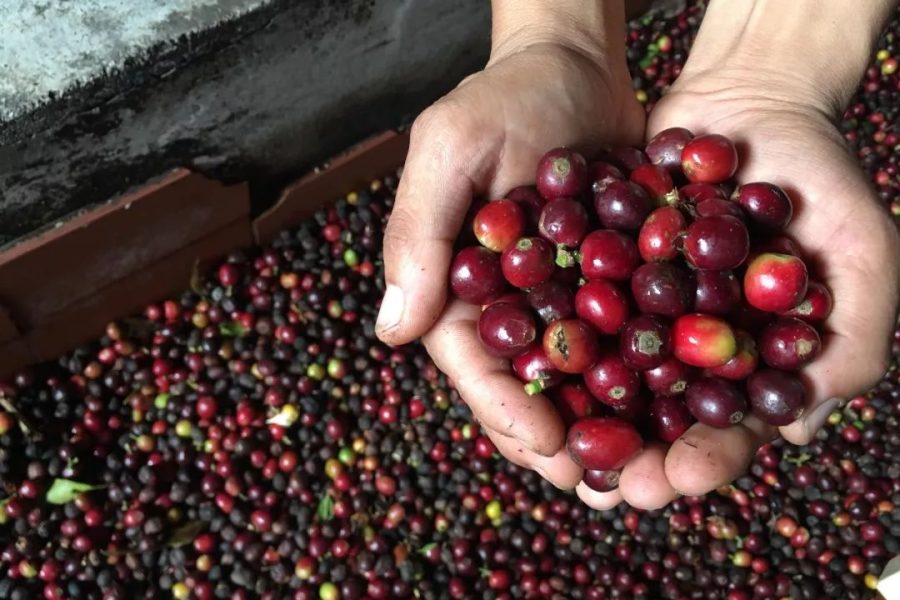
The etymology of coffee can be traced back to the town of Kaffa in Ethiopia; in Greek, the name implies strength and passion. As one of the world's three major beverages alongside tea and cocoa, the coffee tree is an evergreen shrub in the Rubiaceae family, and its fruit's inner seed is transformed through roasting into what we know as coffee beans. These deep red berries not only produce the signature full-bodied taste but also retain the sweet-and-sour base characteristic of fruit crops.
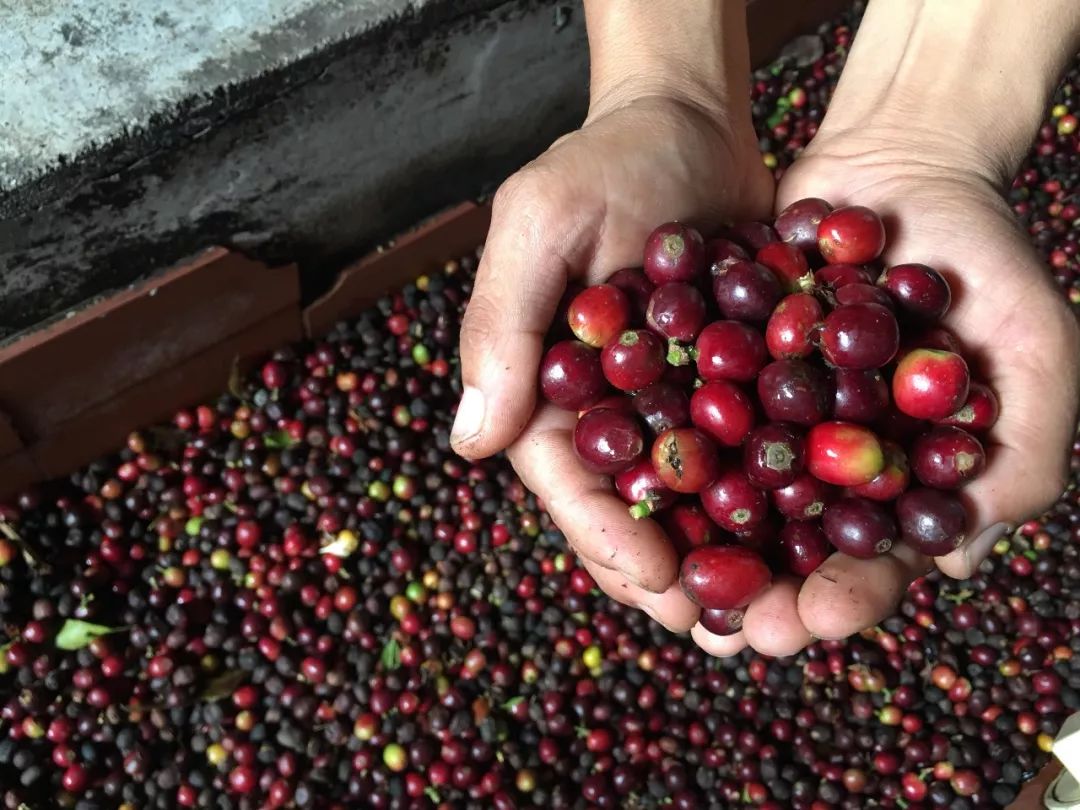
The formation of coffee acidity is the result of multiple factors working together. From a botanical perspective, coffee itself is a fruit crop, and even after high-temperature roasting it retains natural acidic substances from citrus and berries. This characteristic is especially pronounced in the Arabica variety—compared with Robusta, its acidity activity is usually 40%–60% higher, accompanied by richer layers of floral and fruity aroma.
The core variables affecting acidity performance cover four dimensions: first, for every 300-meter increase in altitude, the efficiency of acidity compound synthesis in coffee beans increases by about 15%–20%, so high-mountain regions above 1,500 meters often produce beans with bright acidity; second, freshness directly affects acidity activity, with green beans showing the best acidity within 6 months of harvest, while storage beyond 18 months tends to cause passivation; third, light roasting (before the dense stage of first crack) preserves more organic acids, while dark roasting converts components such as quinic acid into bitter substances; finally, when brewing water temperature is controlled in the 90–93°C range, the extraction efficiency of citric acid and malic acid reaches a golden ratio.
In professional coffee tasting, acidity is not a single-dimensional concept. Quality acidity should present citrus-like freshness (such as Ethiopian Yirgacheffe) or berry-like fullness (such as Kenya AA), or a mild sweet-tartness similar to ripe apples. This characteristic is similar to the tannin structure in wine, providing a backbone for the overall flavor. Conversely, if the coffee shows only sharp sourness or hollow astringency, it often stems from improper roasting or imbalanced extraction parameters.
For home brewing enthusiasts, acidity can be adjusted through three key parameters: a medium-fine grind is recommended (similar to granulated sugar particles), the coffee-to-water ratio should be controlled in the 1:15 to 1:16 range, and pouring should use a radial stream from the center to avoid over-extraction. It is worth noting that when water hardness exceeds 150 mg/L, calcium and magnesium ions inhibit the release of acidic substances, so filtered or bottled purified water is recommended for brewing experiments.


