Costa Rica Honey Process Coffee Sweetness: Processing and Flavor Guide

Introduction: Want to understand where coffee sweetness comes from, and why Costa Rica honey process coffee beans are especially sweet? This article takes an in-depth look at the origin, operational flow and flavor characteristics of the honey process, compares the differences between yellow honey, red honey and black honey, and explores the core source of coffee bean sweetness—the pectin layer. It also introduces classic raisin honey process and anaerobic honey process to help you find high-sweetness coffee beans suited to your taste.
In the world of specialty coffee, sweetness is one of the important factors that determine whether a cup of coffee is memorable. When it comes to processing methods with prominent sweetness, Costa Rica's honey process is undoubtedly among the leaders. This unique craft not only enhances the coffee's sweetness and body but also gives it rich layers. So what exactly makes the honey process special? Why can it bring such distinct sweetness? This article will analyze it in detail for you.

The birth of the honey process is inseparable from Costa Rica's unique geographical environment. The country's coffee-growing areas are mostly located in rugged mountainous terrain, and traditional washed and natural processing methods face challenges such as fruit rot and quality decline during transport and processing. In addition, inconvenient mountain transportation leads to few green bean buyers, making it difficult for coffee farmers to obtain reasonable returns. To solve these problems, the local area gradually developed the honey process, improving coffee quality by optimizing the processing flow while achieving self-production and self-sales to increase farmers' income.
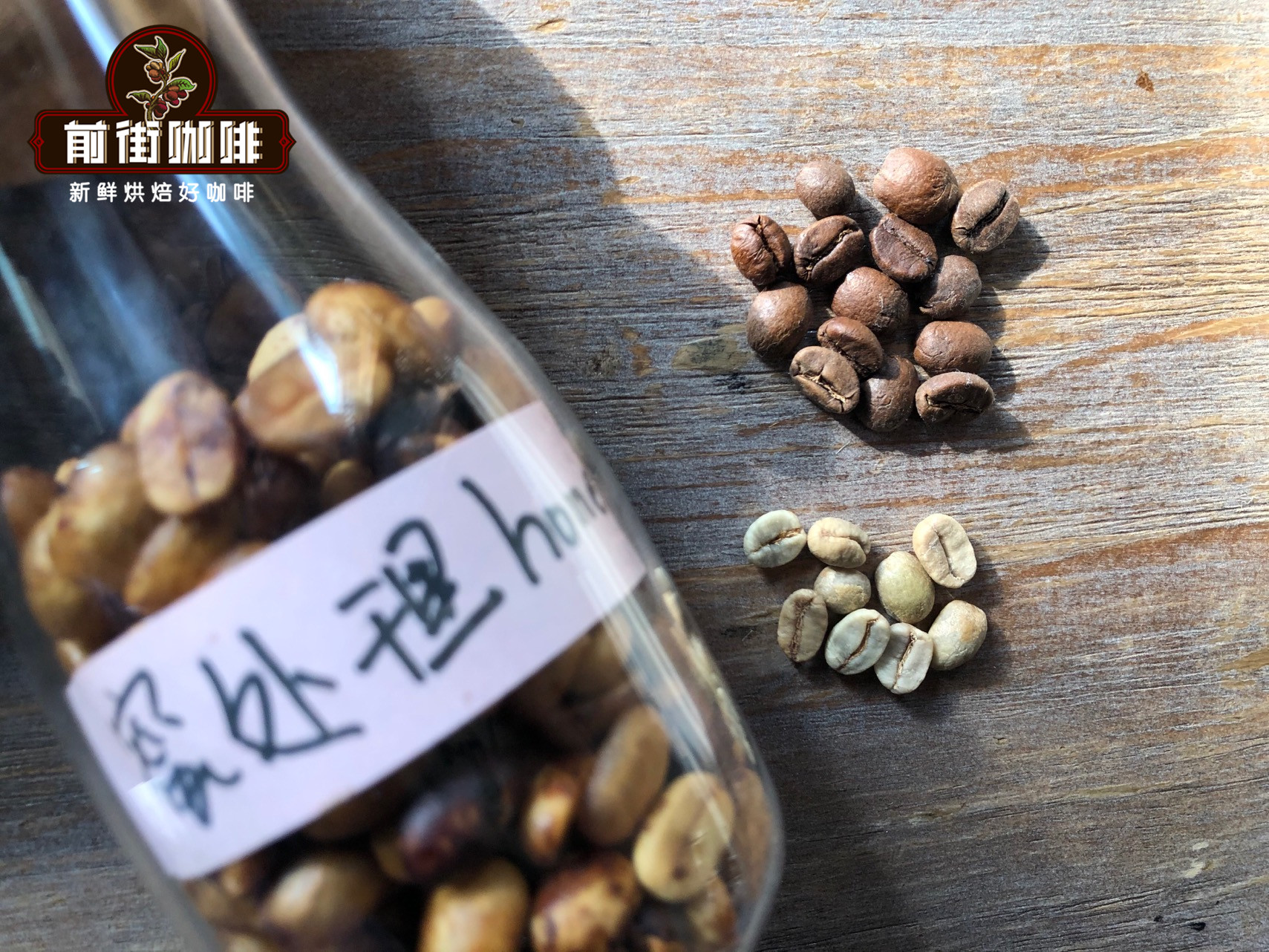
The English name of the honey process is Honey Process or Miel Process, and its core lies in removing the coffee pulp while retaining the sugar-rich pectin layer for drying. Many people mistakenly think that honey processing directly adds honey or makes the coffee taste like honey. In fact, the name comes from the fact that during drying, the pectin becomes viscous like honey due to water evaporation. This method sits between washed and natural processing: it retains part of the natural sweetness of the pectin while developing unique flavors by controlling drying conditions.
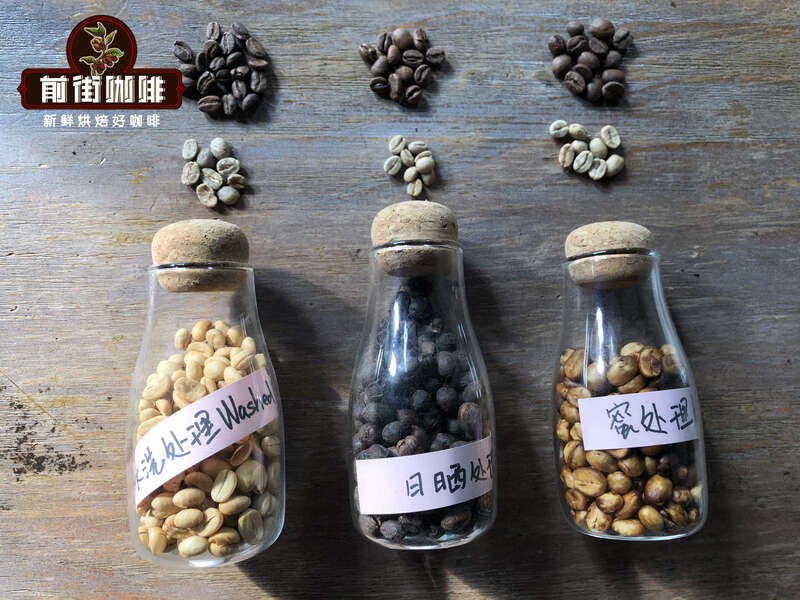
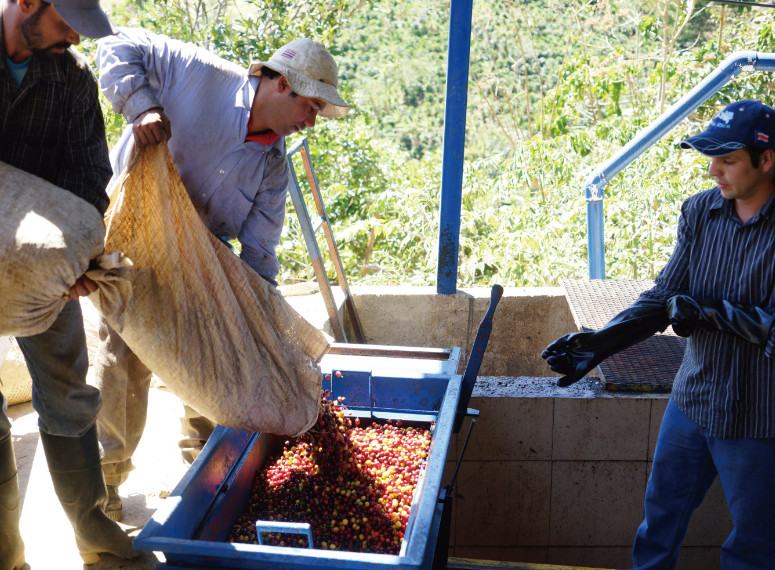
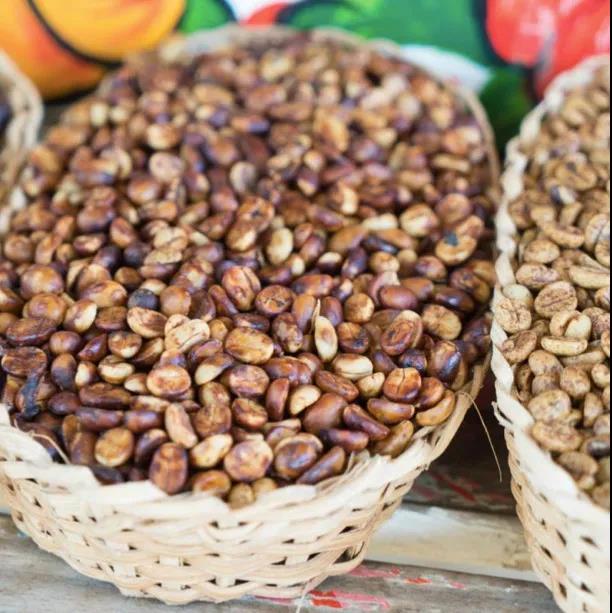
The standard honey process flow includes: first, put the coffee cherries into water to remove floating beans and defective beans; then dry them on raised beds for about three days, reducing the moisture content to 20%; next, use a depulper to remove the skin and pulp while retaining the pectin layer—this is the key to coffee sweetness; finally, continue drying the coffee beans with pectin until the moisture content is 11%, and they can be stored in the warehouse. Depending on the amount of pectin retained, honey processing can be divided into three types: yellow honey (about 40% pectin removed), red honey (about 25% pectin removed) and black honey (almost no pectin removed).
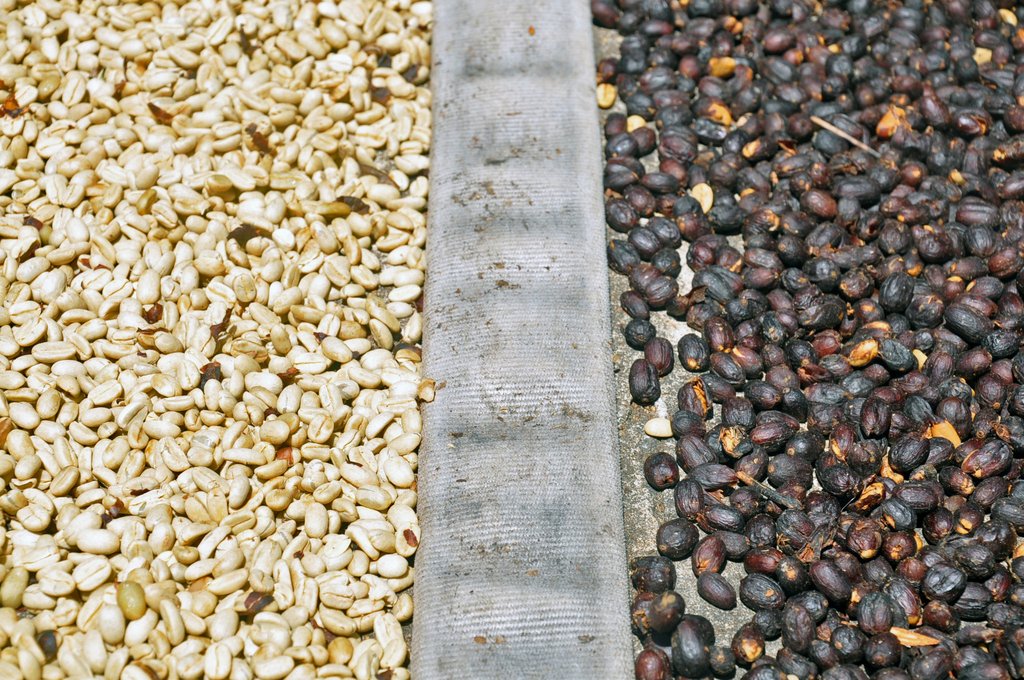
The advantage of the honey process is that it reduces the risk of mold (because most of the pulp has been removed), and it saves more water than the traditional washed method. However, its operation is relatively complex and requires precise control of the drying environment and turning frequency. The flavor differences among different honey process types are significant: black honey, because it retains the most pectin, has a drying time of more than 14 days and the most intense and complex flavor; red honey dries for about 12 days, with a balance of sweetness and acidity; yellow honey dries faster (about 8 days), with a brighter mouthfeel but relatively milder sweetness.
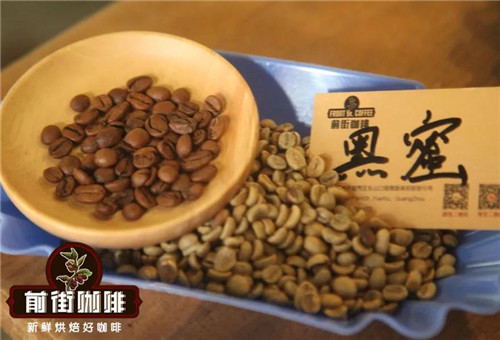
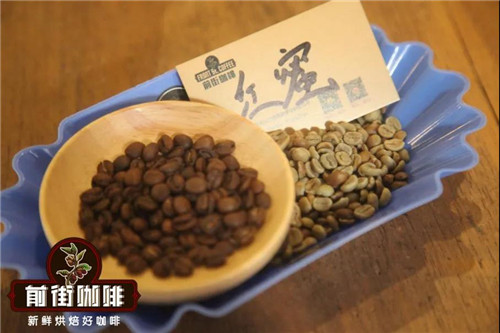
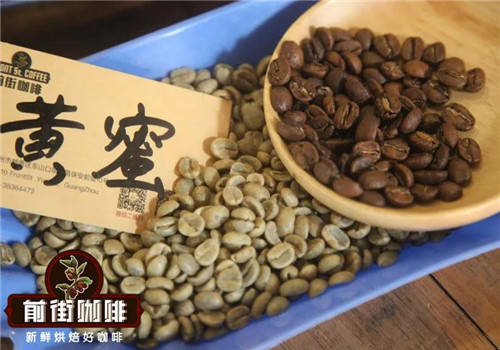
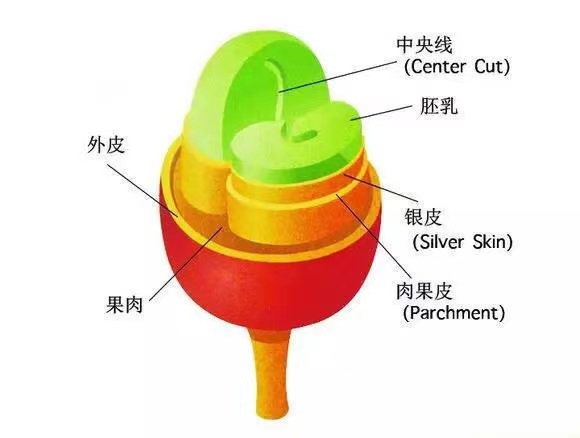
The sweetness of coffee beans mainly comes from their internal mucilage layer. This viscous, highly sugary substance is retained during honey processing and becomes an important source of sweetness. In comparison, washed processing completely removes the pectin, while the sweetness of natural processing relies more on pulp fermentation. Through honey processing, coffee can show bright acidity while also having sweetness similar to dried fruit or caramel, with richer flavor layers.
Take Hacienda Canet in Costa Rica's high-altitude production area as an example. Its Musician series coffee beans each have their own characteristics due to different honey processing methods. The estate is located in the Tarrazú region at an altitude of 1,700-1,950 meters, growing Caturra and Catuai varieties, and its coffees generally have sweet fruit tones and mellow vinous aroma. Among them, the Mozart coffee beans processed by anaerobic honey process and the Bach coffee beans processed by raisin honey process are representatives with prominent sweetness.

Anaerobic honey processing is an advanced craft: coffee beans with pulp removed and pectin retained are placed in sealed containers and fermented for three days at a low temperature of 10-15°C, then sun-dried. This method can control the fermentation process more stably, reduce the production of off-flavors, and highlight clean sweet aromas and fermented vinous notes. Raisin honey processing, by contrast, first sun-dries the coffee cherries like raisins for 72 hours until dehydrated, then washes off the skin and retains 100% of the pectin for a second drying, combining the vinous aroma of natural processing, the purity of washed processing and the sweetness of honey processing.

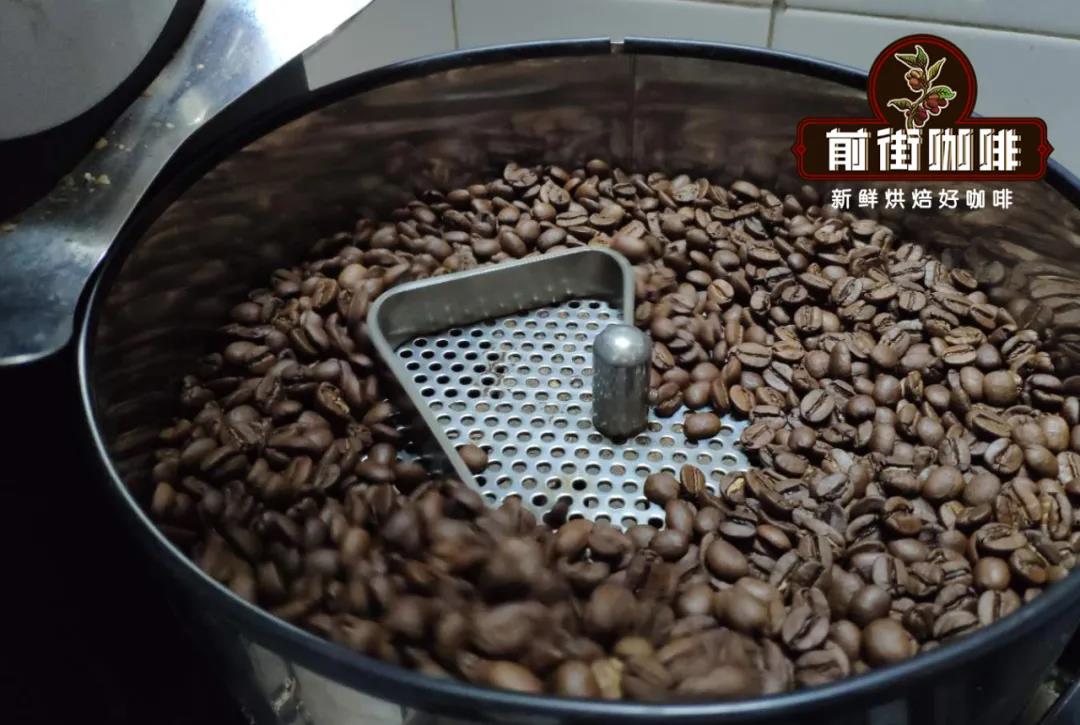
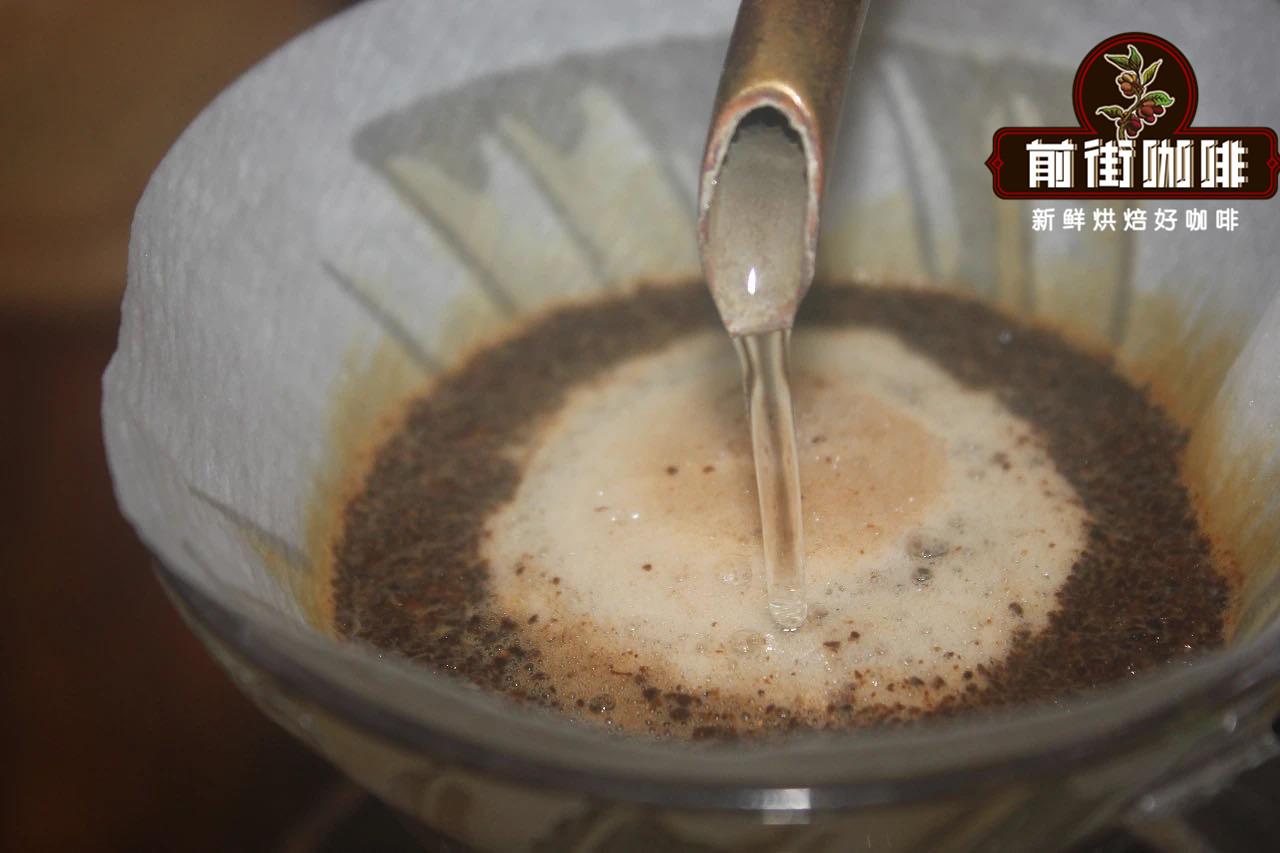
In terms of roasting and brewing, honey process coffee beans are usually suitable for medium-light to medium roasting to retain the sweetness brought by the pectin. A HARIO V60 dripper is recommended, with a water temperature of 90°C, a coffee-to-water ratio of 1:15, and a grind size close to fine granulated sugar. During brewing, pay attention to sufficient blooming (30 seconds/30 grams of water) and staged extraction to balance sweetness, acidity and bitterness. For example, anaerobically honey processed coffee may present rice wine fermentation aroma, tropical fruit sweetness and acidity, and caramel aftertaste; raisin honey processed coffee may show black grape aroma, raisin sweetness and osmanthus aroma.

In summary, the honey process creates diverse sweetness experiences by retaining pectin, a natural source of sweetness, combined with different drying and fermentation techniques. From the refreshing brightness of yellow honey to the intensity and complexity of black honey, and to the unique flavors of anaerobic and raisin honey processing, coffee lovers can explore the honey process type that best suits their personal taste preferences. Understanding these processing differences will help you more precisely select the high-sweetness coffee beans you desire.


