Panama Hacienda Esmeralda Diamond Mountain Coffee: Flavor Secrets and Brewing Guide for a Non-Geisha Bean

Introduction: When it comes to Panama's Hacienda Esmeralda, Geisha coffee beans are undoubtedly the flagship, but few know about the standout of its non-Geisha series—Diamond Mountain. This sun-dried Catuai from the Boquete highlands, nurtured by a unique microclimate, develops bright citrus acidity and honey sweetness, and is grown throughout under eco-friendly standards. This article takes an in-depth look at the varietal origins of Diamond Mountain coffee and the details of its processing, and provides professional pour-over parameters and a flavor map to help you unlock the full appeal of this 'king beyond Geisha'.
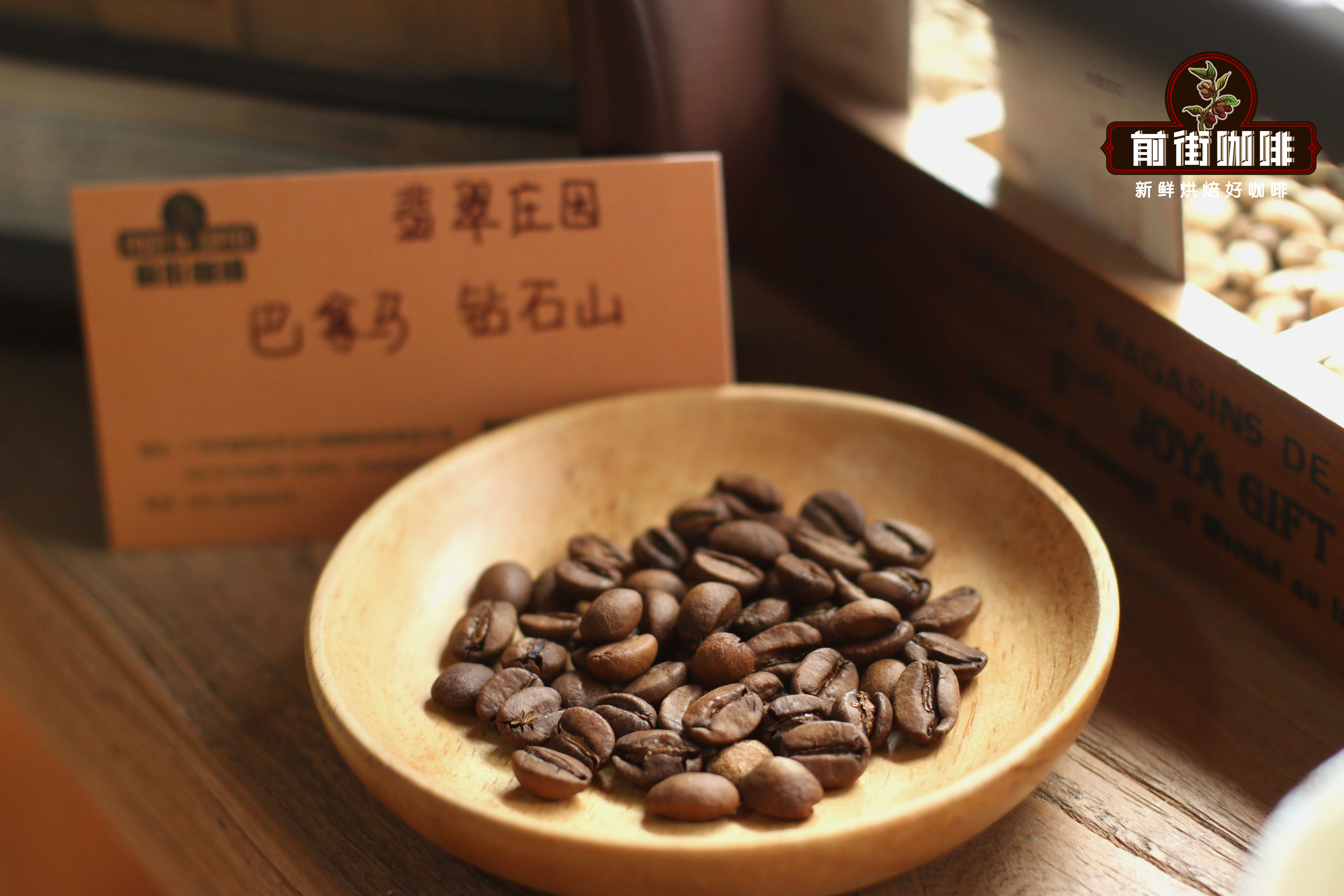
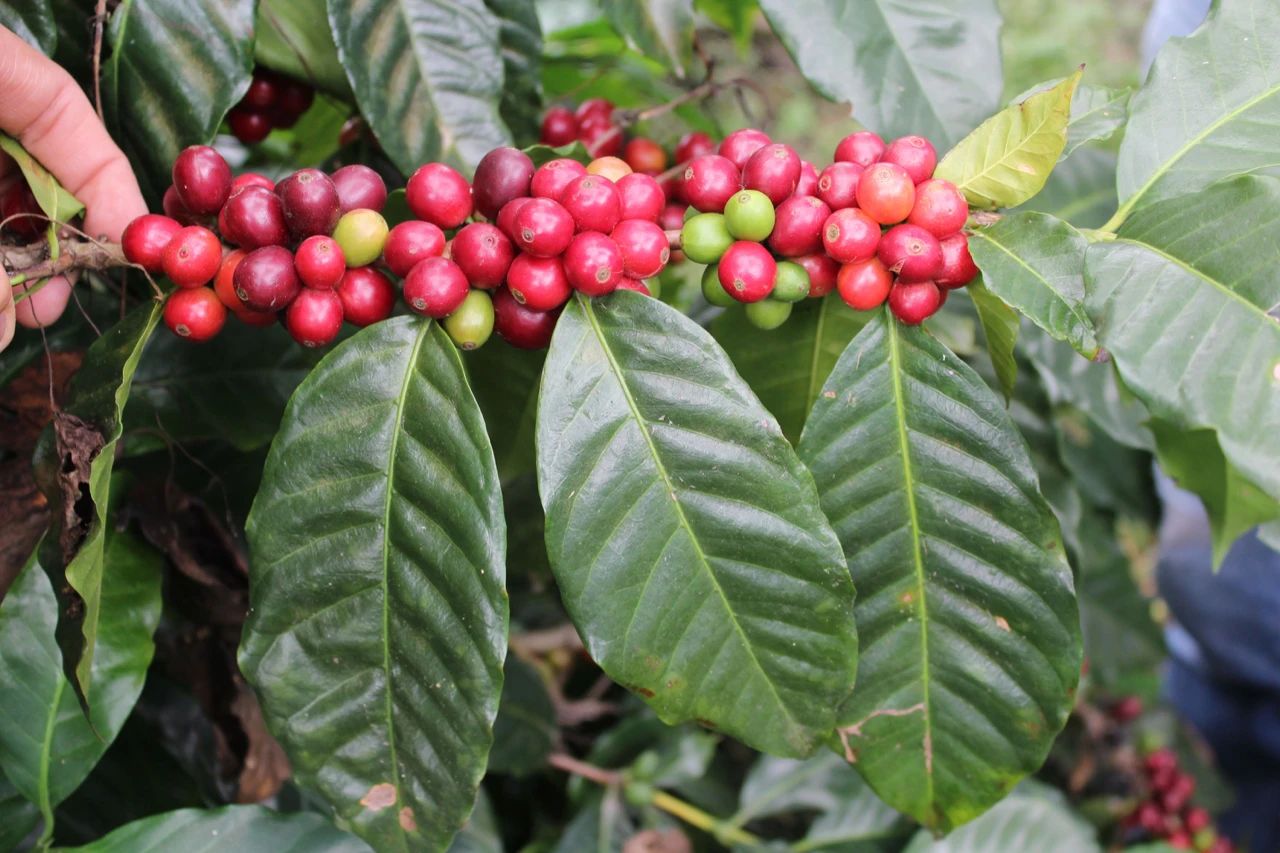
In the specialty coffee world, the name Hacienda Esmeralda is always closely tied to Geisha, but tracing its planting history, the protagonist was once the more common Caturra. In fact, the estate's early core crop was not Geisha but the Caturra variety widely planted across Central America. It was only later, when the Geisha planted as a windbreak at the estate's border unexpectedly came into its own, that today's legend was made. In this issue we focus on another important series under Hacienda Esmeralda—Diamond Mountain coffee—and explore the distinctive flavors of this non-Geisha bean.

The Boquete region where Hacienda Esmeralda is located is a golden growing area on Panama's coffee map. As an important coffee town in Chiriquí Province, it sits close to the border between Panama and Costa Rica, and the foothills of the Barú volcano inject the soil with abundant minerals and fertility. More crucially, the 1,400–1,900 m growing belt, together with a mild climate and ample day-night temperature swings, provides an ideal environment for coffee trees. What makes the Boquete highlands special is their variable microclimate—cold air from the east gathers over the central mountain range, forming a distinctive system of mist, rain and gusty winds at 1,200–2,000 m, so that temperature and rainfall precisely match the coffee trees' growth needs.
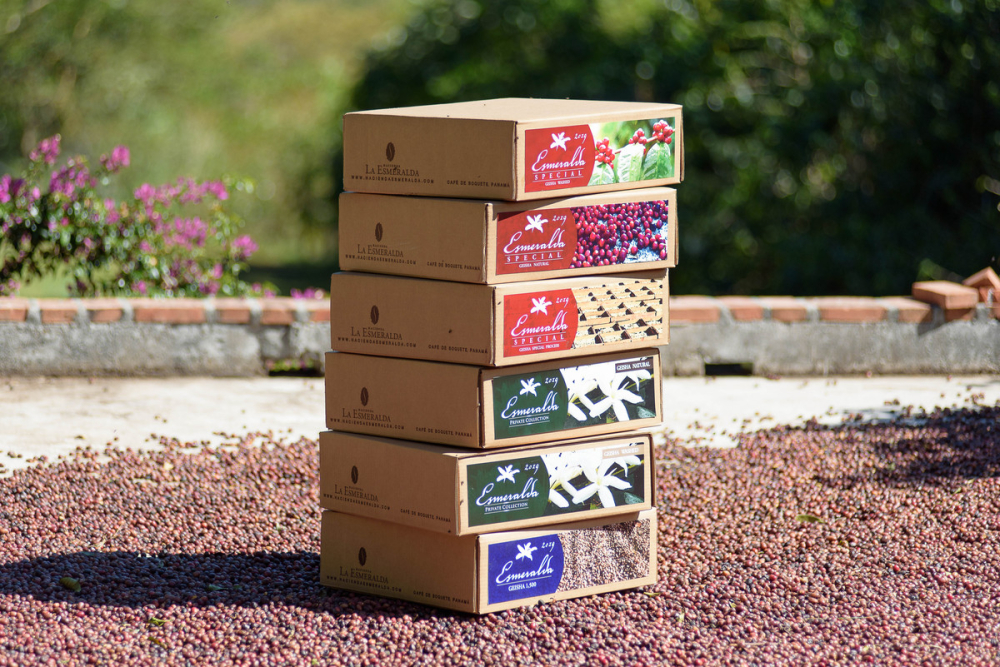
Hacienda Esmeralda's coffees are divided into two main camps by variety: the Geisha series (including Esmeralda Special, Private Collection and Geisha 1500, known in the market as the red, green and blue labels) and the Catuai series (led by Diamond Mountain and Palmyra). Among them, the Diamond Mountain series is our focus today; its growing areas are concentrated in the two sub-regions of Canas Verdes and Jaramillo, at a steady elevation of 1,400–1,600 m. It is worth noting that this series has obtained Eco-friendly and Rainforest Alliance Certified status, and its cultivation emphasizes ecological sustainability.

The Catuai variety used for Diamond Mountain coffee originates from a 1949 hybridization experiment whose name means 'very good' in Guarani—a combination of Yellow Caturra and a Mundo Novo variety, initially numbered H-2077. As the collective name for Yellow Catuai and Red Catuai, it inherits high yield, strong disease resistance and a clean, bright flavor. Compared with the classic Bourbon variety, Catuai's advantages are notable: the plant is smaller, so planting spacing can be nearly halved and planting density per unit area can reach twice that of Bourbon, allowing higher yields in limited space. In addition, its compact fruit is better suited to the challenges of growing at high elevations.
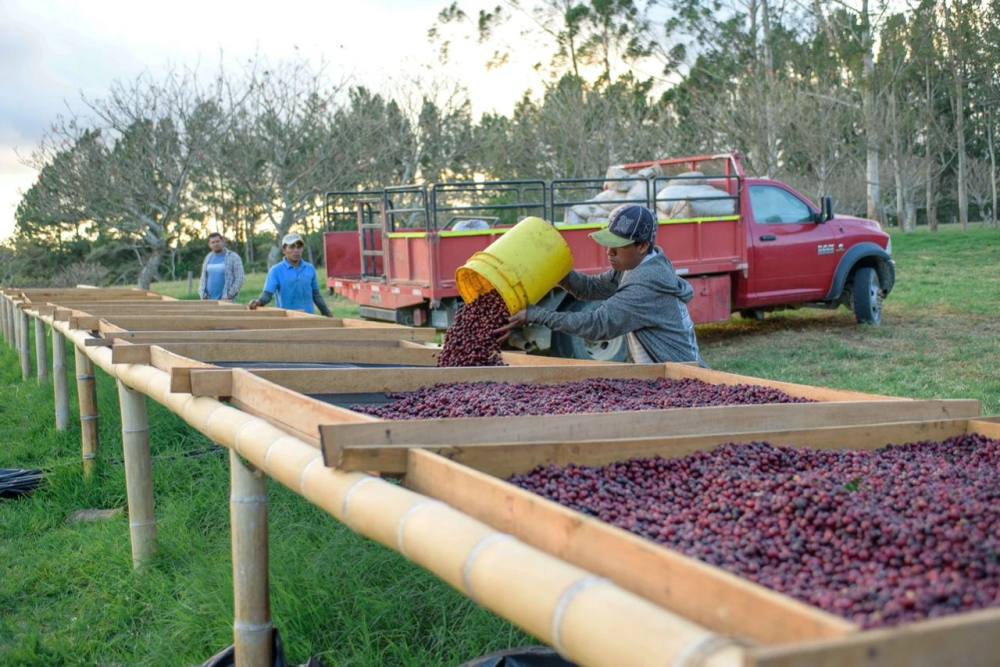
This Diamond Mountain coffee uses the traditional natural process, fully preserving the layers of sweetness from fruit-pulp fermentation. Processing begins with manual selection: after picking, the coffee cherries are first sorted in the courtyard to remove unripe fruit, damaged beans and other defects, then quickly rinsed with clean water to remove surface dust. Next comes the key drying stage—the cherries are spread evenly on raised drying beds and receive 8 hours of direct sunlight daily, with drying time adjusted according to the day's weather (such as humidity and wind), usually lasting 3–5 days until moisture content drops to a safe range. To ensure even drying, the beans are later moved to a Guardiola drier for 72 hours of rotary drying; this equipment uses a temperature-controlled rotating environment to prevent over-fermentation, and finally mechanical hulling removes the skin and pulp to yield clean green coffee beans.
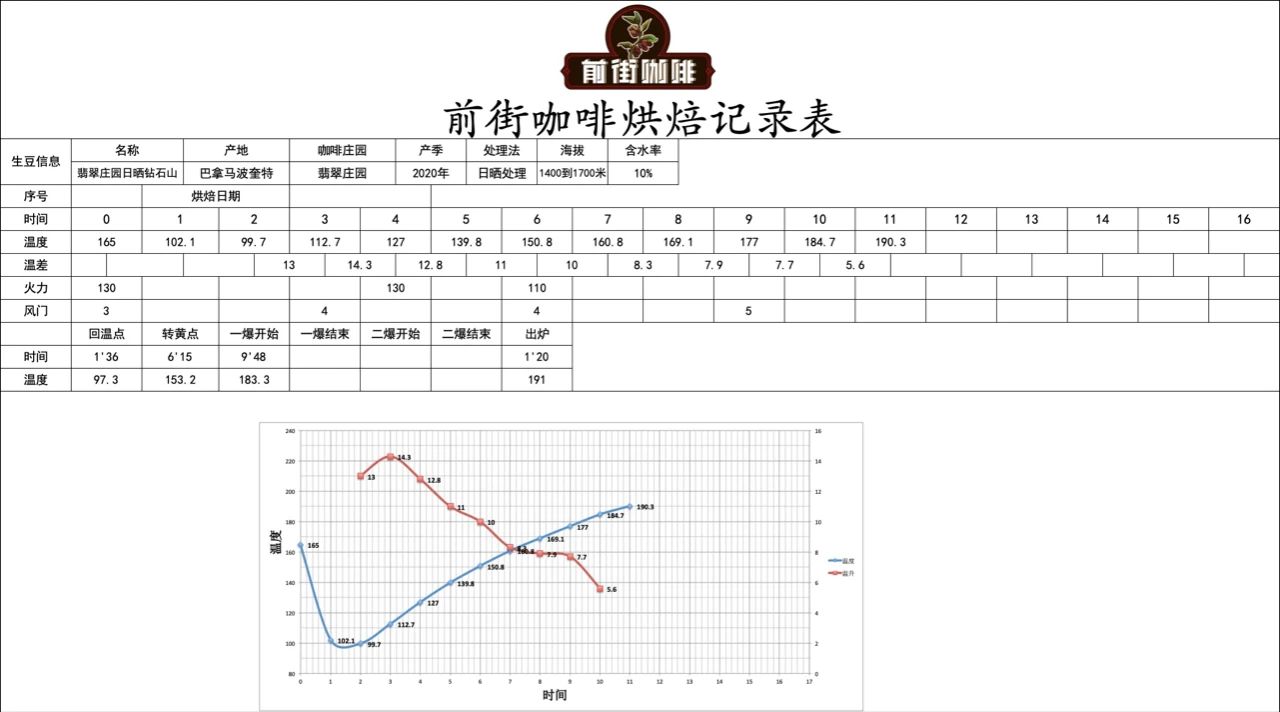
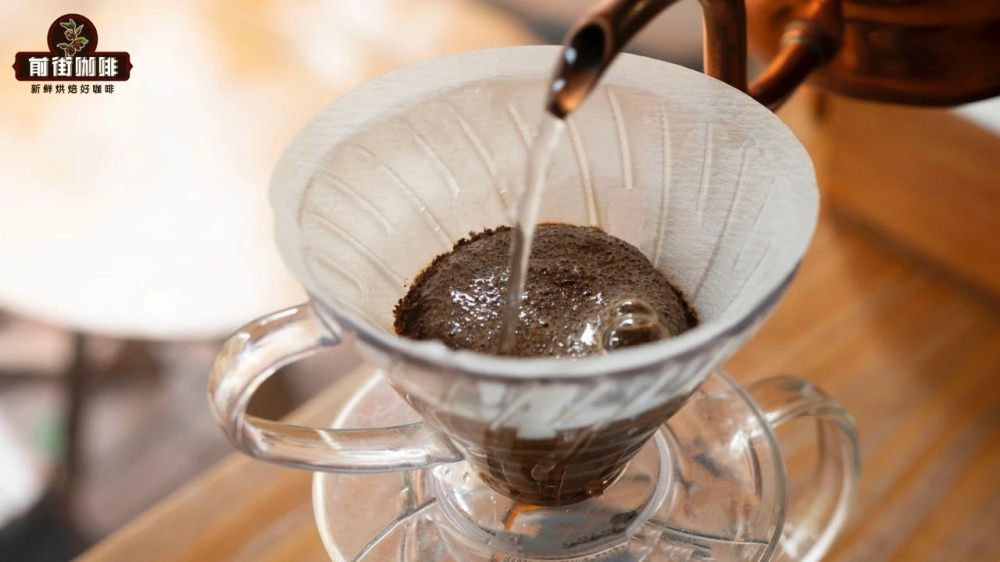
For a pour-over recipe for this sun-dried Catuai, a classic three-pour extraction is recommended to balance sweetness and acidity. Use a V60 #01 dripper, keep the water temperature at 90–91°C (to avoid high heat making the fruit acidity sharp), use 15 g of coffee with a 1:15 coffee-to-water ratio (225 ml total water), and a medium-fine grind (80% passing a Chinese standard No. 20 sieve, close to fine granulated sugar in texture). The procedure has three steps: first pour 30 ml of hot water for a 30-second bloom to awaken the coffee; then pour in a small stream in circles to 125 ml (when the water level drops to about half the coffee bed), a stage that releases citrus aromas; finally, when the water level is about to expose the coffee bed, continue pouring to 225 ml, with total extraction time kept to exactly 2 minutes. Watch for first crack—when the bean surface shows wrinkles and dark patches and the toast aroma turns to a clear coffee fragrance (about 9 minutes 48 seconds), first crack begins; keep the airflow stable and let the coffee develop for another 1 minute 20 seconds before removing the dripper.
The final flavor map centers on bright acidity: on entry you first catch the freshness of citrus fruit (like orange or lemon peel), accompanied by moderate honey sweetness and almond nuttiness; in the middle a slight fermented note emerges (an elegant hint like red wine vinegar), balanced by a cocoa finish; the overall mouthfeel is smooth, with a clean and lingering aftertaste and none of the muddled astringency common in natural-process beans. For beginners, if you prefer softer acidity, lower the water temperature to 89°C or grind coarser (70% passing rate); if you want more intense sweetness, try adjusting the coffee-to-water ratio to 1:14.