Espresso Blends Explained and 2026 Commercial Recommendations: From Flavor to Extraction
Introduction: Espresso blends are the soul of café milk drinks and Americanos, achieving flavor balance and stable extraction through the scientific ratio of beans from different origins. This article deeply analyzes the principles of blending, reveals the key points for purchasing commercial blends, and recommends 5 market-verified classic recipes, covering rich, fruity, balanced and other styles, with practical parameters such as roast level and crema performance, helping you easily recreate a professional-level coffee experience.
Walk into any café, and the most-ordered latte or Americano often comes from the same secret—espresso blend beans. This craft of mixing coffee beans from two or more origins in specific proportions is the core technique by which baristas balance flavor and ensure consistent output. Unlike the distinct character of single-origin beans, blends use the complementarity of different bean types to both highlight a rich base and retain layered variation.
Professional blends usually use 2-3 kinds of coffee beans, with common combinations including Brazilian beans from South America (providing a rich body and chocolate notes), Indonesian/Vietnamese beans from Southeast Asia (enhancing low acidity and caramel sweetness), and African beans (contributing floral and fruity aromas). By adjusting the proportion of beans from each origin, baristas can precisely control the ratio of acidity, sweetness and body in the final product; for example, classic milk-drink recipes often keep rich beans at 60%-70% to ensure crema stability.
For enthusiasts who want to recreate café flavors at home, choosing professional-grade commercial blends is the most direct way. These beans generally use medium-dark to dark roasts, which can withstand high-temperature, high-pressure extraction while forming the signature tiger-striped crema layer. Note that blends of different roast levels correspond to different extraction plans: dark roasts are recommended with 92-94°C water temperature and 9-10Bar pressure, while medium-dark roasts are better suited to 90-92°C and 8-9Bar.
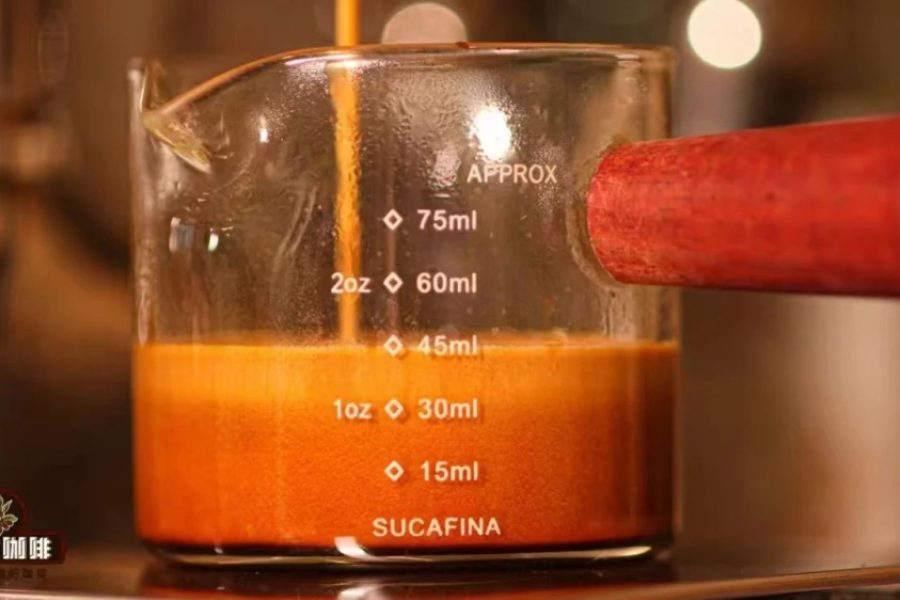
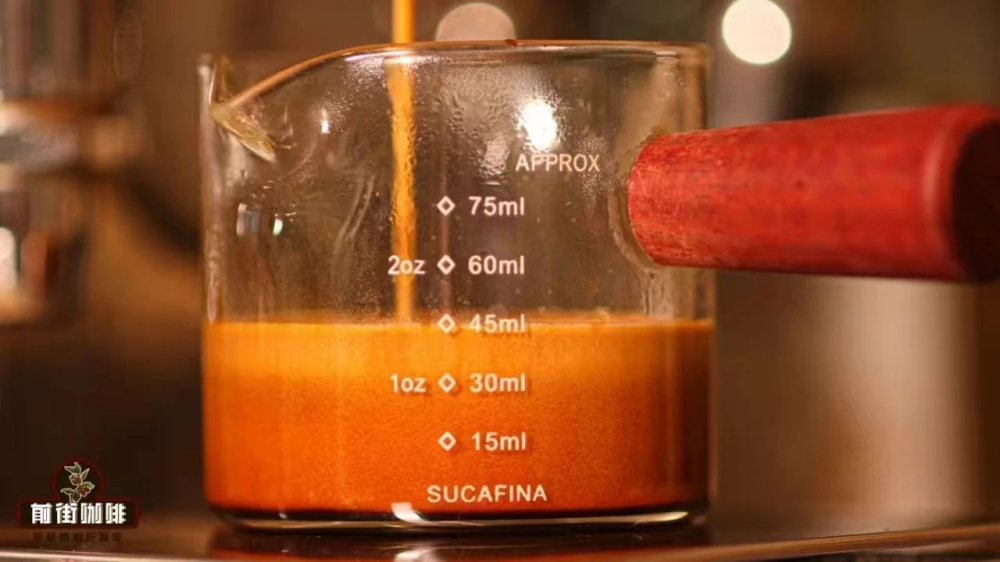
Taking a three-origin dark roast blend as an example, a typical recipe might include Brazilian beans (50% providing a nutty base), Vietnamese beans (30% increasing caramel sweetness) and Sumatra beans (20% strengthening rich texture). This type of recipe, tested at the golden ratio of 22 grams of grounds extracting 44 milliliters of liquid, can stably produce espresso at a 1:2 to 1:3 coffee-to-liquid ratio, with a crema layer up to 3-5 millimeters thick that lasts 120 seconds without breaking. It is especially suitable for making Americanos with 30-50ml of hot water added, or lattes paired with 150-200ml of whole milk.
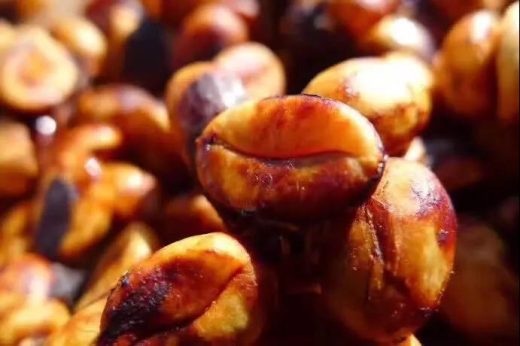
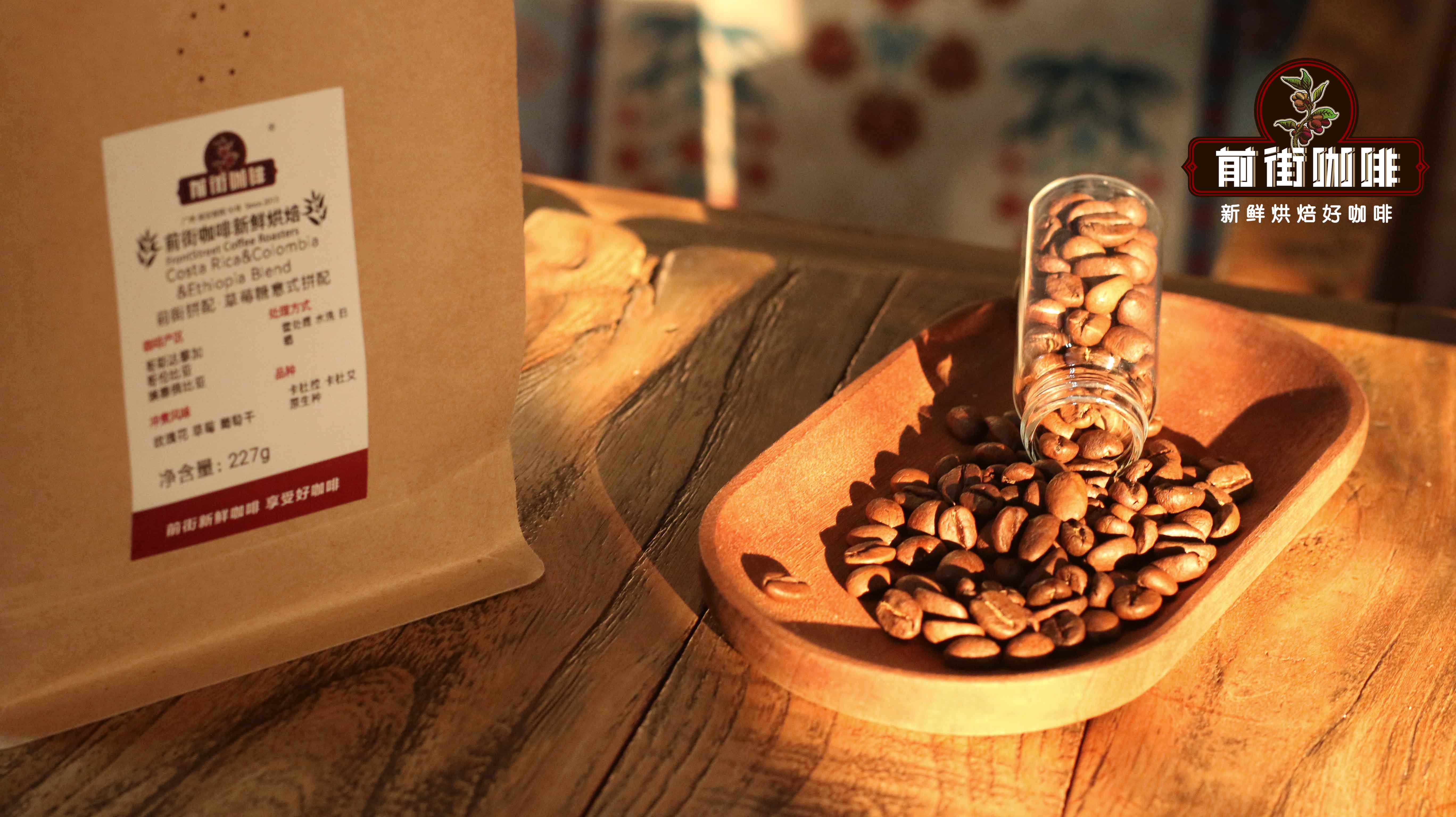
Another type of innovative blend focuses on the balance of fruity aroma and sweetness, often using honey-processed Central American beans (such as Costa Rica) paired with Ethiopian natural beans, supplemented by Colombian chocolate-note beans. When extracting such recipes, note that the pre-infusion stage should use 88-90°C low-temperature water (injecting 5-10ml over 30 seconds), and the main extraction stage should be raised to 92°C to ensure bright acidity. The finished espresso will show distinct layers of floral and fruity aroma, with a sweet-to-sour ratio controlled in the 1:1.2 to 1:1.5 range, and a finish with caramelized nutty flavors.
For specialty cafés pursuing a balanced mouthfeel, blends with coordinated acidity and sweetness are recommended. A typical configuration includes Huila region Colombian beans (providing citrus acidity and jasmine aroma) and Cerrado Brazilian beans (bringing dark chocolate and toasted bread notes); mixed at a 6:4 ratio and medium-dark roasted (Agtron value 45-55), they can produce espresso with roasted almond and maple syrup flavors. When such recipes are extracted at 9Bar pressure for 25-30 seconds, the optimal coffee-to-water ratio is 1:2.5, and the resulting crema shows a reddish-brown luster with a fine bubble structure.
For budget-sensitive commercial scenarios, economy blends can likewise guarantee basic quality. Using a three-in-one recipe of Brazil (40%), Colombia (30%) and Vietnam (30%), medium-dark roasted, the cost per kilogram can be reduced by 20%-30%. Although the flavor complexity is not as good as high-end blends, it still provides stable caramel sweetness and 8-10 seconds of crema persistence, especially suitable for stores selling more than 50 cups per day. It is recommended to use a pre-ground coarseness of 400-500 microns, paired with a double basket (20-22 grams of grounds) for extraction.

Whichever blend you choose, storage conditions directly affect the final flavor performance. Professional advice is to store blend beans in one-way valve foil bags, maintaining an ambient temperature of 18-22°C and relative humidity below 50%. Beans should be used within 14 days after opening. If using a home grinder, note that hardness differences among beans from different origins may cause uneven grind coarseness—it is recommended to first grind a small amount separately for testing, then adjust the burr setting according to the actual flow rate.