Java Coffee Beans: Varieties, Indonesian Origins, and Flavor Guide
Introduction: Many people hear “Java coffee” and immediately think of the Indonesian island of Java, but in fact “Java” can refer either to an important Indonesian coffee-growing region or to a distinctive coffee variety. This article takes an in-depth look at the Java coffee region and the variety of the same name, tracing their origins and development, introducing their growing environments, processing methods, and flavor characteristics, and exploring the origins of similarly place-named coffee varieties such as Colombia, helping you fully grasp the coffee story behind this classic name.
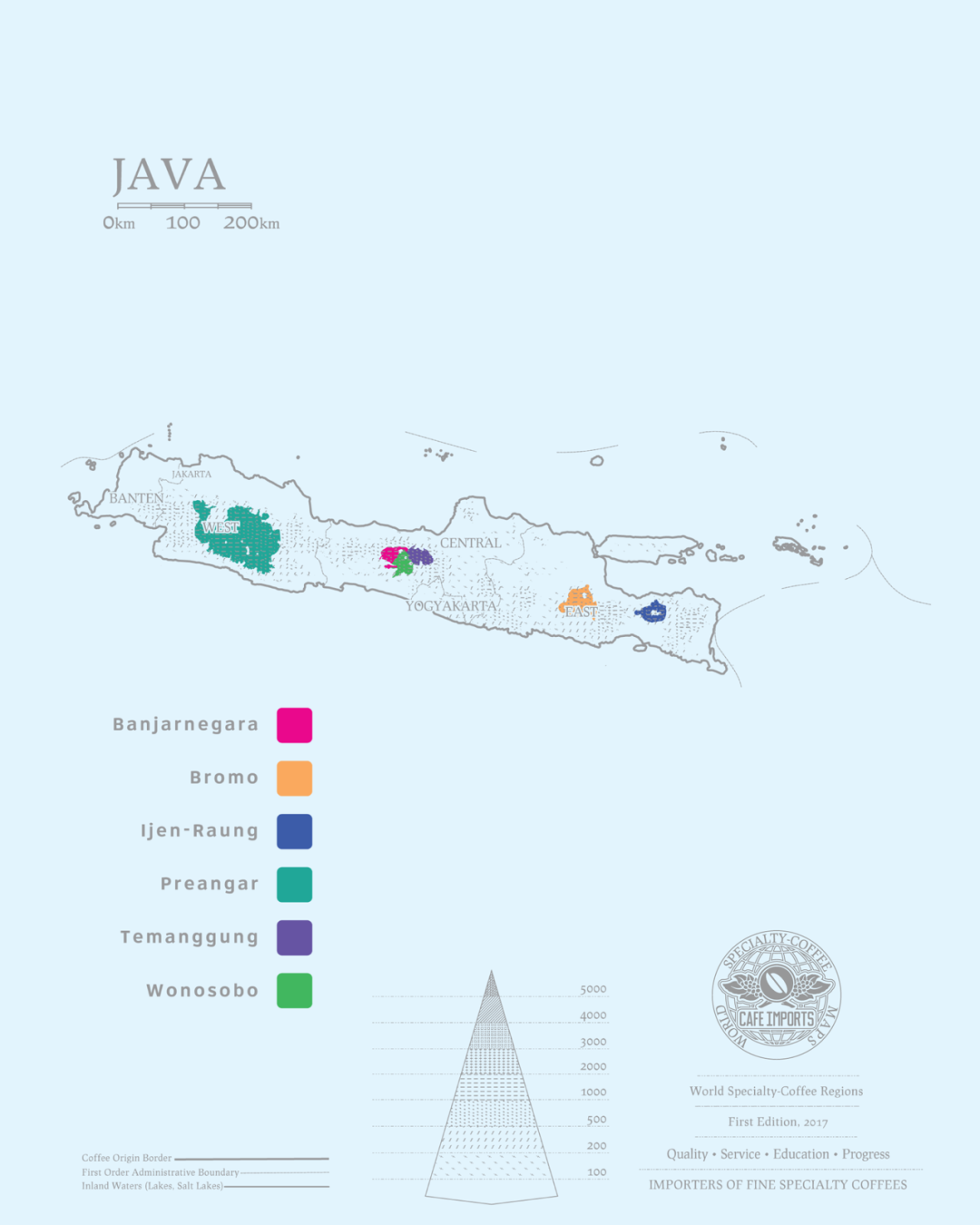
When “Java coffee” is mentioned, most people picture the Indonesian island of Java. This island, Indonesia’s fifth largest, lies with the Indian Ocean to its south and the Java Sea to its north; it is the country’s most concentrated hub of economy, culture, and population, and also one of its important coffee-growing regions. In terms of cultivation, Java mainly uses disease-resistant varieties such as Catimor and Ateng, and with its humid, rainy climate, the region has developed its unique wet-hulling process, which can give coffee beans a heavier body and lower acidity.

Take the Mount Tilu growing area in western Java as an example: coffee here is grown at elevations between 1,400 and 1,600 meters, and compared with other Indonesian regions, it has experimented with the less common honey process, making the coffee’s flavor more layered. The variety grown in this area is S795, which was introduced from India by the Jember Coffee Research Center in East Java, improved, and then promoted to local farmers, who usually call it Jember. S795 has some Liberica ancestry; after breeding, it not only has a more elegant flavor but also inherits strong disease resistance and high yield.
This coffee from western Java shows medium acidity and clear tropical-fruit notes on entry, such as mango aroma, with a faint hint of red-wine-like acidity, while the finish reveals the herbal and spice notes characteristic of Indonesian coffee; the overall flavor is balanced and smooth, worth savoring.
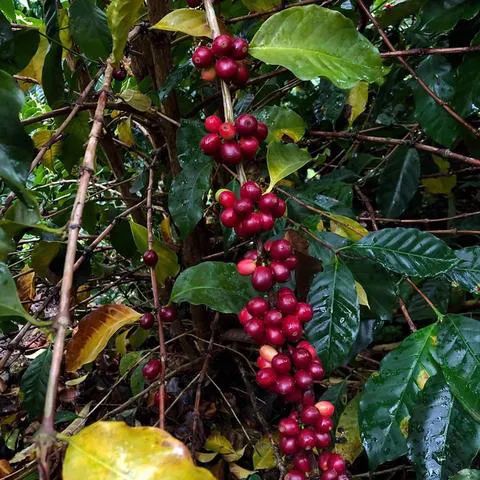
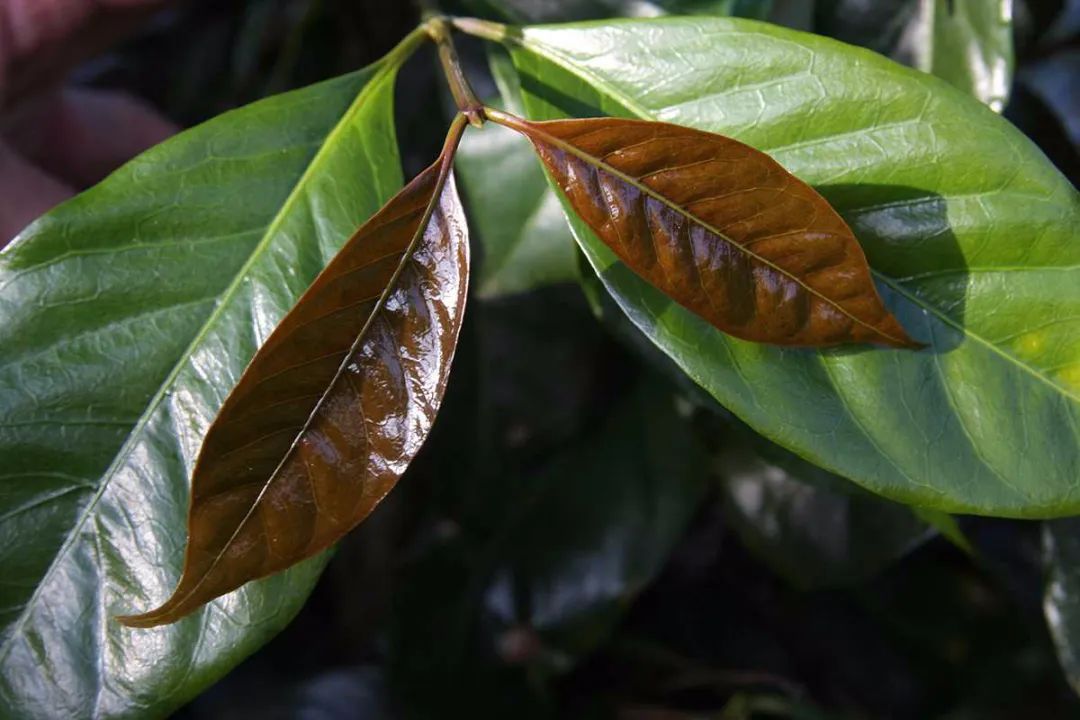
However, “Java” is not only a regional name; it also represents a coffee variety with a unique history. Java variety coffee beans have relatively long fruit and seeds, bronze-colored young tips, and tall plants but low yields. Its greatest feature is its outstanding flavor, which can even rival the well-known high-quality Gesha variety, while also having stronger resistance to leaf rust and coffee berry disease, making it very suitable for smallholder farmers.
The history of the Java variety is quite legendary. It originally came from the primeval forests of Ethiopia, was collected by local tribes and brought through Yemen to Indonesia, and finally took root on the island of Java, hence the name. After that, the variety spread to the neighboring Timor Islands and to Cameroon in Africa, and it was first promoted to farmers in Cameroon only in 1980. With the efforts of breeding expert Benoit Bertrand, the Java variety was introduced to Costa Rica in 1991 through CIRAD, and in 2016 Panama became the first country in Central and South America to officially recognize the variety.
In the past, people generally believed that the Java variety was a mutation of Typica, but later genetic research showed that it actually originates from the Abysinia variety of Ethiopia. For this reason, many coffee lovers believe that the flavor of the Java variety is no inferior to Gesha, which is also an important reason why it has gradually attracted attention in the specialty coffee circle.

It is worth mentioning that a certain Java variety coffee from Bolivia that we recently encountered used a cacao natural process. In cupping, this coffee showed rich tropical fruit, nuts, and a dark cocoa finish; the flavor was unique and impressive. This once again shows that the same variety, paired with different origins and processing methods, can display completely different flavor characteristics.
Besides Java, some other coffee varieties are also named after places, which can easily cause confusion, such as the “Colombia variety.” This variety can be traced back to the 18th century, when Colombia mainly grew Typica and later switched to Bourbon for a time, but because Bourbon beans were small and looked unattractive, it returned to Typica. However, Typica has low yields, so in the 19th century Colombia introduced the Caturra variety from Brazil, and it quickly spread because of its high yield.
To further improve disease resistance and yield, Colombia’s National Coffee Research Center, Cenicafé, in the 1980s launched an improved Catimor variety through multiple generations of backcross breeding, and ultimately named it the “Colombia variety” to emphasize its uniqueness and promote nationwide planting. Compared with Caturra, the Colombia variety performs better in disease resistance and yield, but its flavor is somewhat flat, and it is mostly used for bulk commercial coffee exports.
In 2008, the research center launched the Castillo variety, a new variety bred by backcrossing Caturra with the Colombia variety; it combines excellent disease resistance with good flavor performance and has become a rising star attracting much attention in recent years.