Bolivia's Coffee Regions: Java Caturra Flavors and Growing Challenges
Introduction: Although Bolivia lies in South America's prime coffee belt, geographic and historical factors have made it a niche specialty origin. This article takes an in-depth look at the country's core Yungas region above 3,000 meters, revealing the berry notes and distinctive processing methods of varieties such as Java Caturra, and explores how transport difficulties and leaf rust affect global supply. Includes a professional cupping flavor profile and growing-altitude parameters.
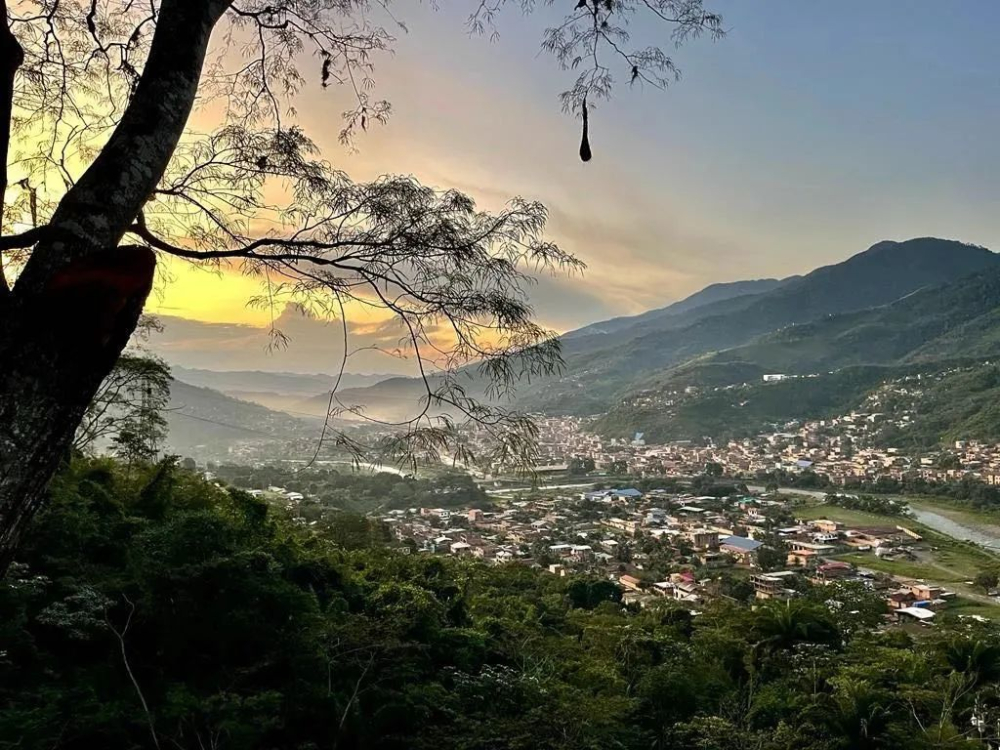
Among South America's three major coffee regions, Bolivia is often overlooked yet holds hidden surprises. This landlocked country bordering Brazil has a landscape woven from the Andes and salt-flat plains, and its constitutional capital Sucre and de facto administrative center La Paz (at 3,600 meters) create a distinctive growing environment. Though annual production is only 223,000 bags (60 kg each), the sweetness and soft acidity conferred by high altitude give it a special place in specialty coffee.
The essence of Bolivian coffee flavor lies in a layered sweetness structure, as evidenced by the Geisha beans used by the Japanese runner-up at the 2017 World Barista Championship. Notably, the Java variety widely grown locally (not the same-named bean from Indonesian origins) is a close relative of Geisha and shows brighter citrus acidity and a creamy body; this ancient variety from the Abyssinian branch of Ethiopia returned to Central America under the name JAVA NICA after being promoted by Nicaragua's Mierisch family.

Three main causes of the production predicament: first, the North Yungas Road winding along cliffs at 3,000 meters (one of the world's most dangerous roads) causes transport loss rates as high as 15%; second, most of the country's 10.5 million people depend on coca cultivation (which yields four times the income of coffee), and chemical contamination has sharply reduced high-quality soil; finally, the 2013 leaf rust outbreak combined with policy restrictions cut production by 70% in a decade. Current main export destinations include Japan and the Nordic specialty coffee market.

Modern Bolivian coffee began with large plantations north of La Paz in the 1880s, but the real quality transformation started with the 2004 COE competition—among the 13 specialty lots scoring above 84 that year, the champion set a record of 90.44 points. Afterward the country withdrew from international competitions for political reasons, until reaching a quality inspection agreement with China in 2018. The core Yungas region (95% of national production) currently spans the cloud forest belt at 800–2,300 meters, and the July–November harvest must cope with day-night temperature swings of up to 12°C.

Production is dominated by family farms, with 23,000 growers cultivating an average of 1.2–8 hectares of terraces. The Rodríguez family, by acquiring 8 La Paz estates and 4 Santa Cruz estates, has built a full chain from processing to export. The Tomorrow's Sun Project provides subsidies for disease-resistant varieties (a 30% discount per kilogram of quality seed) and cupping-score rewards (an extra $0.5/lb for lots scoring above 85), raising participating farmers' incomes by 40%.

Processing innovation is reflected in the cocoa sun-drying technique: after picking, the coffee cherries undergo 72 hours of pre-treatment on raised African beds, turned by hand every hour to ensure even drying, then transferred to specially made cocoa dryers (constant 38±2°C, 35 hours of low-temperature slow drying). Compared with traditional sun-drying, this technique raises pectin retention by 25% while reducing the risk of over-fermentation. Recommended pour-over parameters: 92°C water, 1:15 coffee-to-water ratio, V60 dripper with staged extraction (first pour to one-third and steep for 30 seconds, then use a center-pour method).

Variety selection is diversifying: traditional Typica has fallen to 30%, while Caturra (strong wind resistance) and introduced Pacamara (prominent floral notes) each account for 25%. Particularly noteworthy is the Java NICA variety—the Waliki estate lot grown at 1,600 meters cupped with a composite profile of blueberry (flavor intensity 8/10), caramel (sweetness 7.5/10) and dark chocolate (aftertaste 6/10); a light-to-medium roast (Agtron 65–70) is recommended.

The country's growing challenges remain: an average farm size under 5 hectares keeps mechanization below 10%, and an irrigation system reliant on seasonal rainfall raises the risk of 30% lower yields in dry years. But through the Tomorrow's Sun Project's soil improvement (2 tons of organic fertilizer per hectare) and promotion of disease-resistant varieties, the share of quality beans has rebounded to 65% over the past three years. For coffee lovers, the key features for identifying authentic Java variety include: medium bean size (screen 17–18), blue-green raw bean color, and a distinct nutty base after roasting.