Why Doesn't Pour-Over Coffee Show Oil? Oil Formation and Brewing Tips
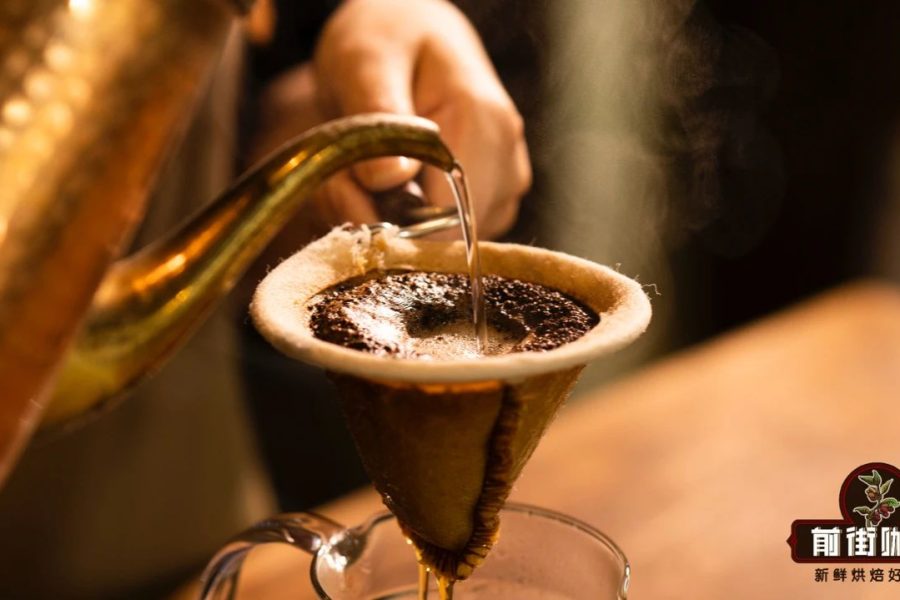
Introduction: Many coffee lovers notice that pour-over coffee lacks a golden oil layer on the surface and often assume the beans are stale. In fact, the form in which oils exist is closely tied to the extraction method. This article explains the science behind coffee oils, compares the oils in espresso versus pour-over, reveals how paper filters affect oils, and offers practical tips for improving pour-over coffee's mouthfeel, helping you understand coffee flavor layers more fully.
Coffee enthusiasts often ask: "Why can't I see any oil in my pour-over coffee? Have the beans been sitting too long?" This is actually a common misunderstanding. Pour-over coffee does contain oils; they simply don't form the obvious golden oil film seen in espresso, but instead influence the mouthfeel in a subtler form.

To understand this, we first need to clarify what coffee oil is. When we talk about oils, we usually think of the enticing golden foam extracted under the 9-bar high pressure of an espresso machine. This oil is actually an emulsion of carbon dioxide and soluble substances, released together with the coffee liquid under high pressure and eventually floating on top of the espresso to form the signature crema layer.

In drip extraction, the absence of a high-pressure environment means oils form through a completely different mechanism. Roasting coffee beans produces large amounts of carbon dioxide, which continues to be released after grinding. In pour-over brewing, the water flowing through the paper filter cannot build enough pressure to fully emulsify the carbon dioxide with the oils, so most of the oils are trapped by the filter paper.

Many factors affect how visible the oils are. First is the difference between coffee varieties: Robusta naturally contains a higher proportion of oils, which is why some blends add a small amount of Robusta. Second is the roast level: dark-roasted beans, having been thoroughly dehydrated, have greater internal pressure and more readily release visible oils during extraction.

So why does pour-over coffee show almost no obvious oil layer? The key lies in the choice of filter medium. Standard coffee filter paper is made of multiple layers of plant fibers, and the gaps between fibers can trap more than 90% of tiny oil particles. The thicker the filter paper, the better the filtration, but overly thick paper prolongs extraction time and may cause over-extraction.

In fact, trace amounts of oil still reach the cup in pour-over coffee through the filter paper; these oils are simply dispersed in the coffee liquid as an extremely thin film that is hard to see with the naked eye. Experienced baristas judge the presence of oils through mouthfeel characteristics such as "creaminess" and "smoothness."

If you want your pour-over coffee to have a richer oily texture, consider adjusting your brewing approach. The most direct method is to switch to a metal filter, which retains about 60-70% of the oils, though you need to control grind size to avoid excessive fines affecting the mouthfeel. Another option is a high-quality cloth filter, which balances oil retention with ease of cleaning, but it must be washed promptly and thoroughly.

Professional advice: use medium-thickness filter paper (such as Hario V60 #2) with a water temperature of 90-93°C and a coffee-to-water ratio of 1:15-1:17, pouring in circles from the center. This optimizes the balance between oils and flavor compounds. Remember, good pour-over coffee doesn't necessarily need a visible oil film; what matters is overall harmony and unity of flavor.


