Tanzania Kilimanjaro Coffee: Pour-Over Parameters and Flavor Guide

Introduction: Tanzania Kilimanjaro coffee is known for its bright fruit acidity and distinctive full body, and is one of the representatives of African specialty coffee. This article covers the growing environment, variety characteristics, and washed processing, details the flavor profile of this AA-grade coffee, and provides professional-level pour-over parameters and staged extraction techniques to help you fully experience its citrus and berry notes with a tea-like sweetness that lingers.
Origin and Geographic Advantages
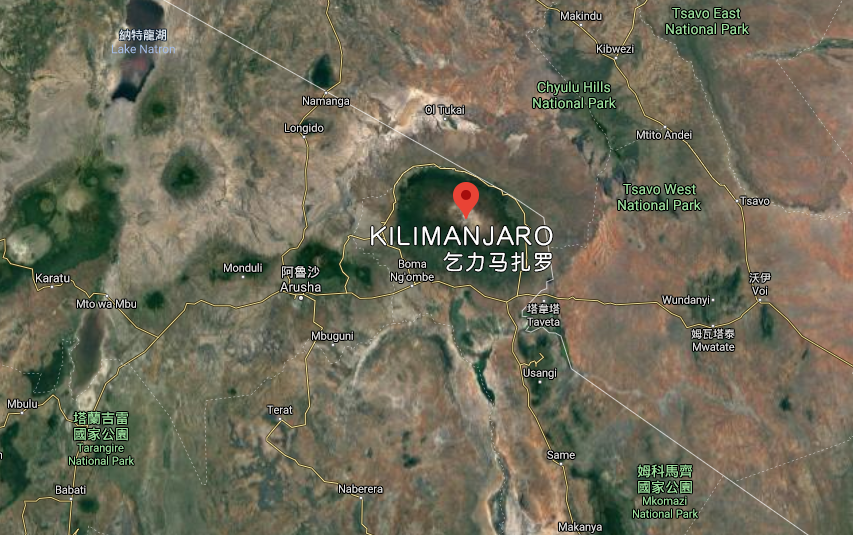
Tanzania Kilimanjaro coffee comes from the volcanic highlands of the country's north at 1,300–2,000 meters above sea level, with the core growing area surrounding Africa's highest peak, Mount Kilimanjaro, at 5,895 meters. The region's average annual temperature is stable at 18–22°C, and the fertile volcanic ash soil is rich in minerals such as potassium and phosphorus. Combined with the high-altitude environment above 1,700 meters, this encourages the coffee fruit to mature slowly and accumulate more sugars and aromatic compounds.
This production area spans the northern highlands including Moshi and Mbeya, and together with the Ruvuma River basin in the south forms Tanzania's two major quality coffee belts. Arusha is adjacent to the active Meru volcano, where the microclimate at 1,100–1,800 meters produces coffee with bright acidity; the Ruvuma production area at 1,200–1,800 meters yields beans with greater body.
Varieties and Processing
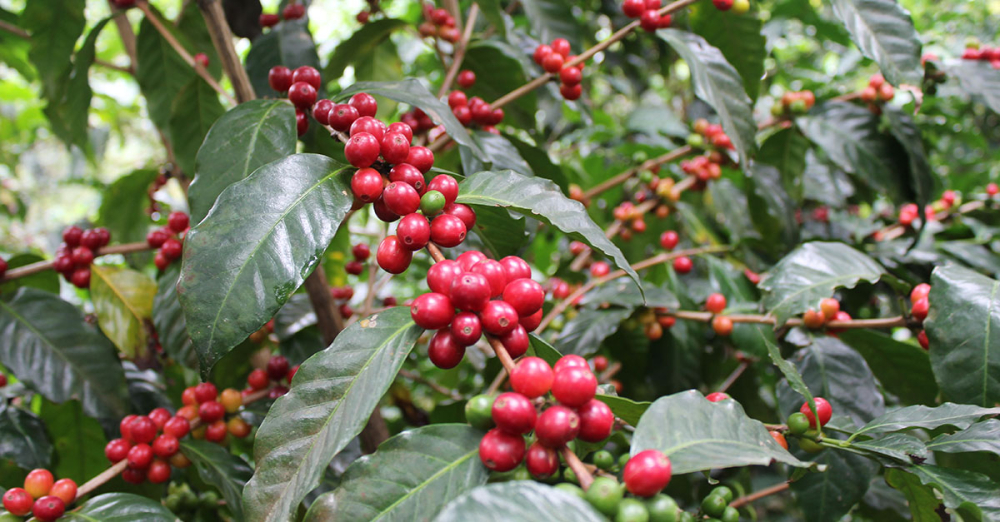
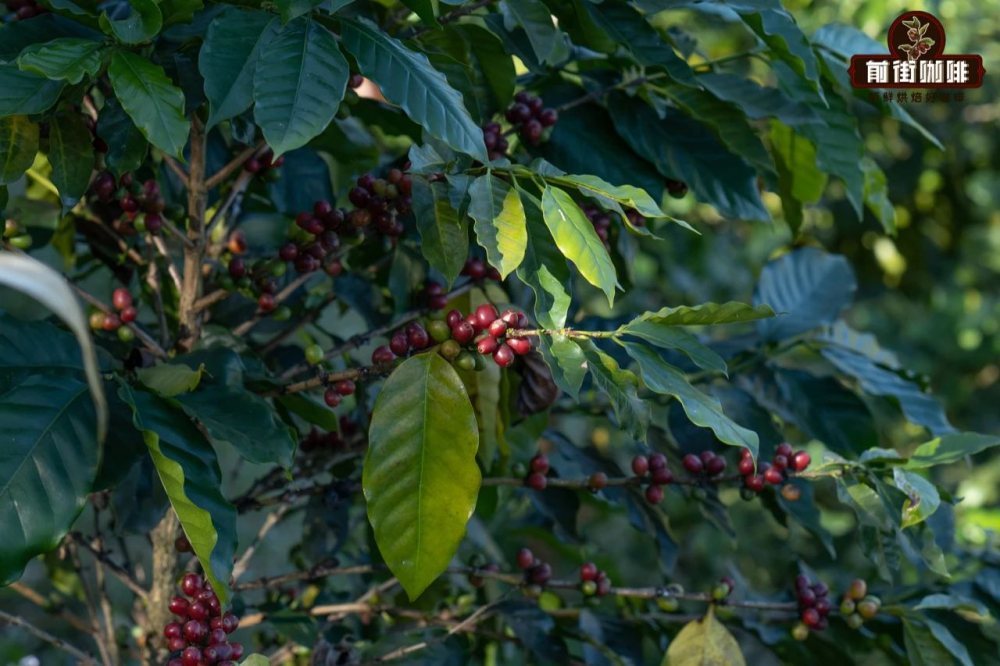
The main variety is Bourbon, whose red-fruit genetics give the coffee high sweetness and bright acidity. The gradual process of the fruit turning from green to dark red as it ripens gives the coffee a wine-like complexity. Supporting varieties include Typica and the highly disease-resistant Kent, which, with its 1911 Indian hybrid breeding background, combines high yield with quality aroma potential.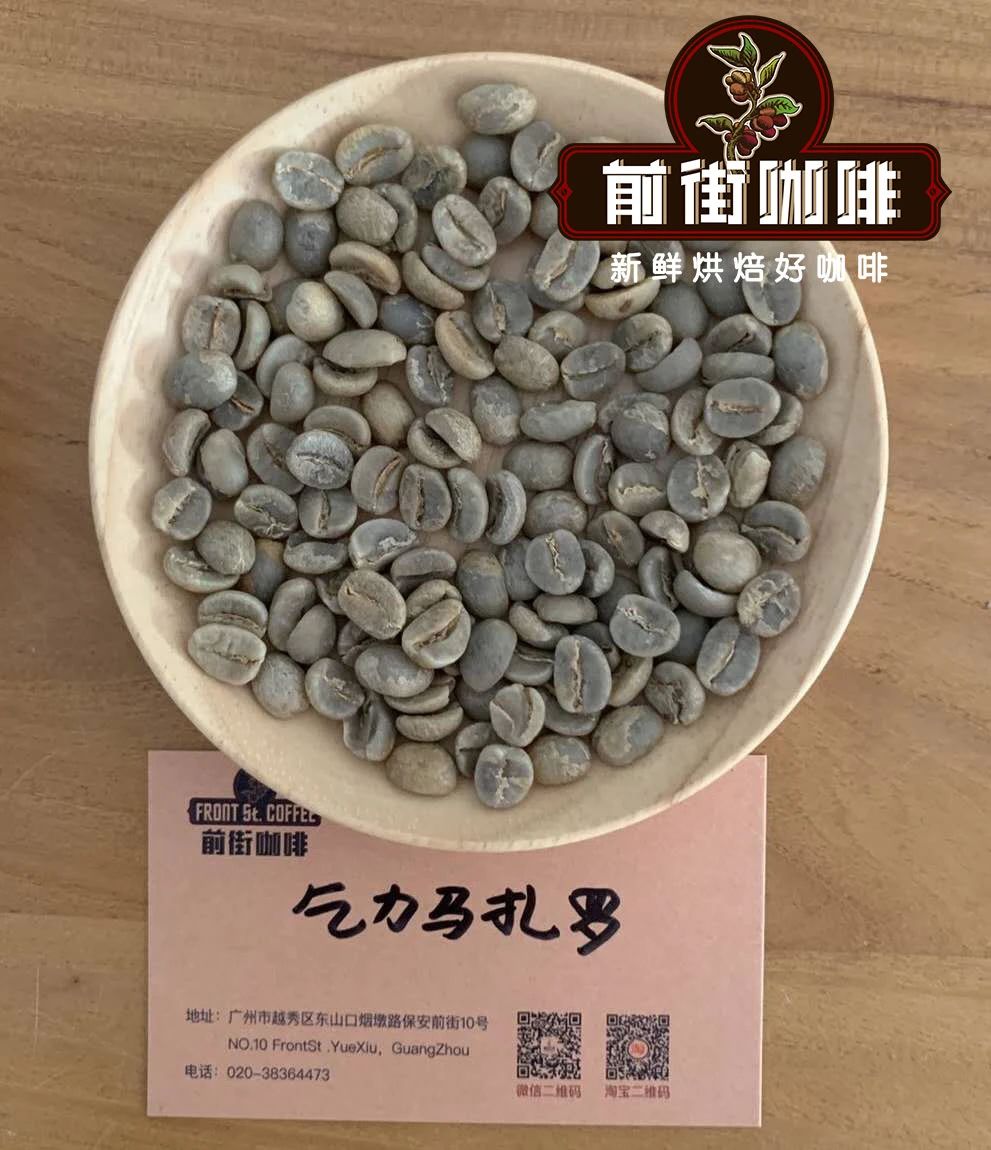
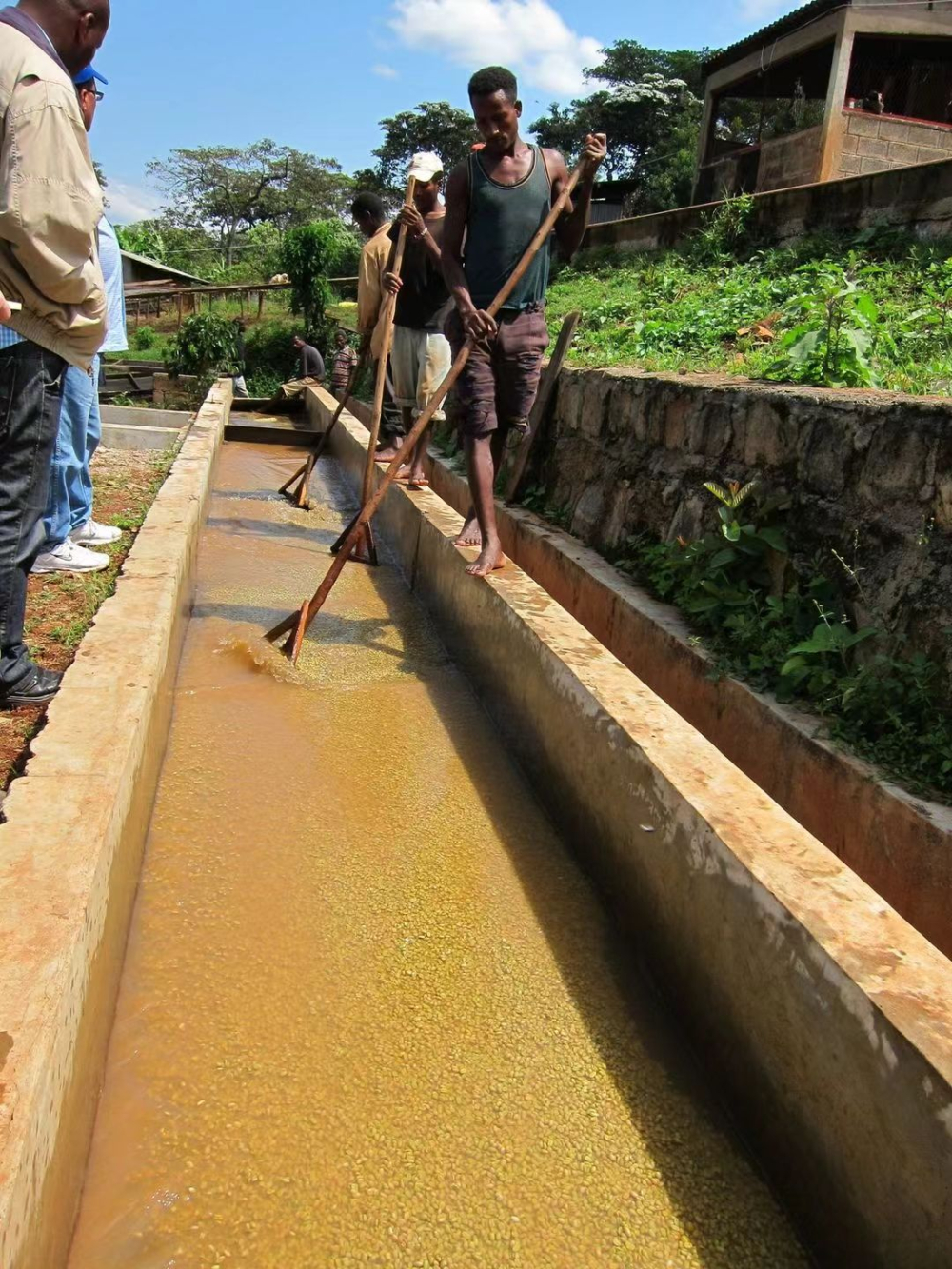
The traditional washed process is used: after picking, impurities are removed by flotation; the pulp is stripped and the beans are placed in fermentation tanks to remove the mucilage, with fermentation strictly controlled at 24–28°C for 18–36 hours. After washing, the parchment beans are dried in the shade to a moisture content of 11–12%, a process that usually lasts 10–14 days. This process reinforces the fresh citrus notes while preserving a clean finish.
Grading and Quality Characteristics
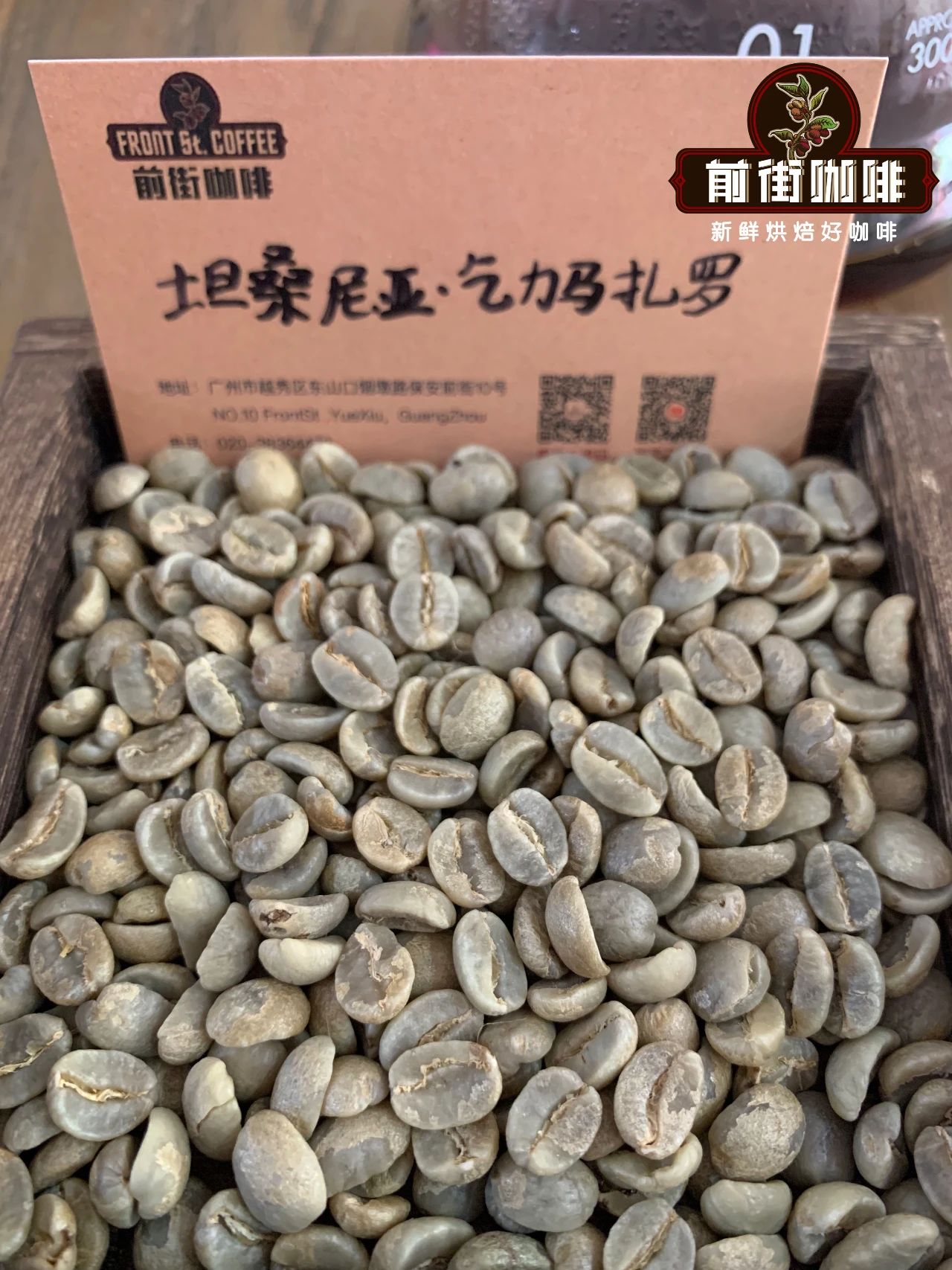
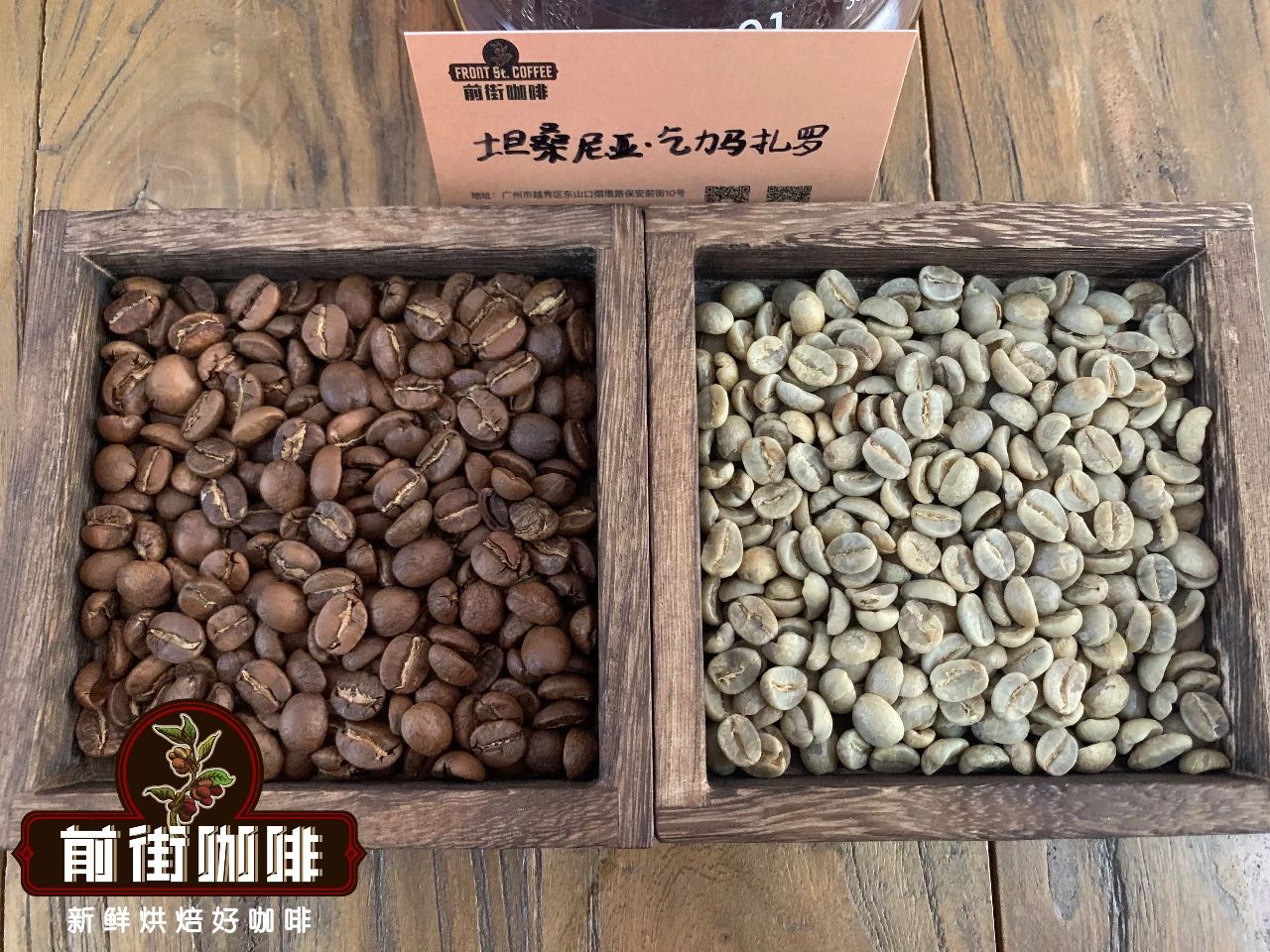
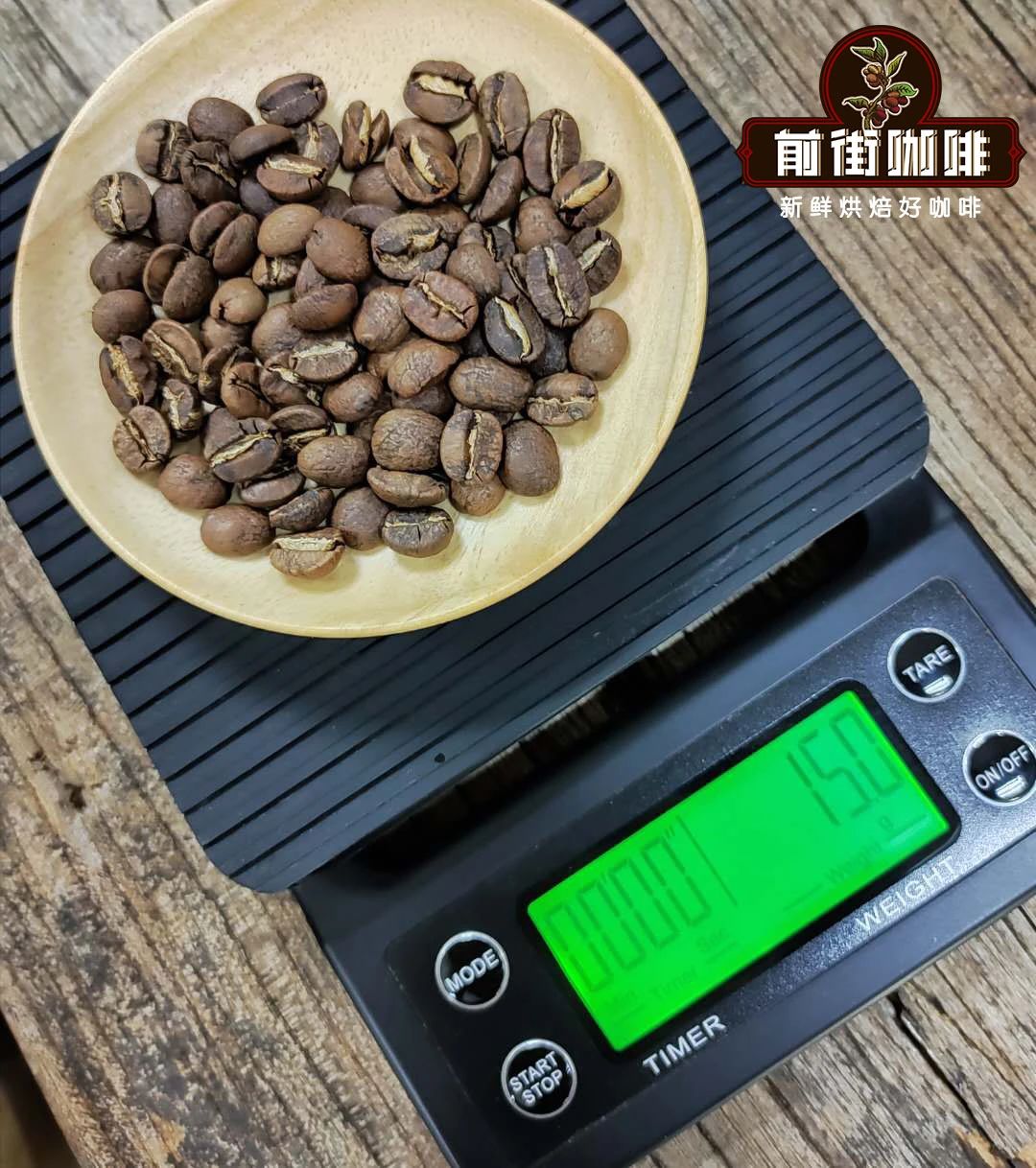
Grading is by bean size: AA grade (17–18 screen, 7.20 mm screen) is the highest grade, with plump, high-density beans; AB grade (15–16 screen) accounts for the largest share; PB grade is hand-selected round beans. Kilimanjaro AA coffee beans have a grayish-green color, and the 1,300–2,000 m high altitude gives them a high density value of 17–19%, with a noticeably crisp, hard texture when ground.
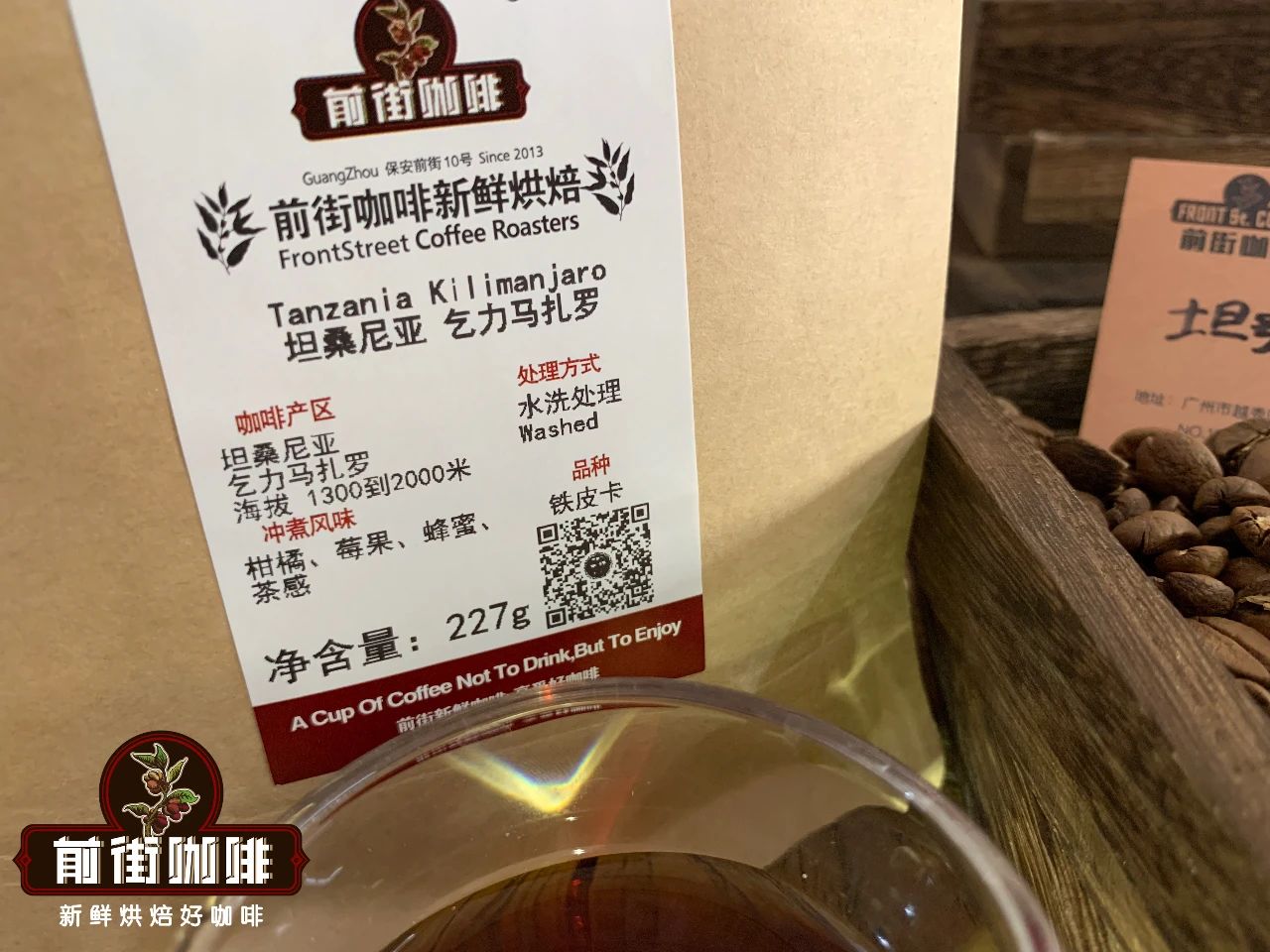
The flavor matrix stands out: citrus acidity (lemon/grapefruit) leads, red berry and blackcurrant notes emerge in the middle, and the finish connects honey sweetness with a delicate black tea aftertaste. Unlike the sharp acidity of Kenyan beans, its sweet-sour balance is softer, with acidity lasting about 15–20 seconds.
Roasting and Extraction Plan
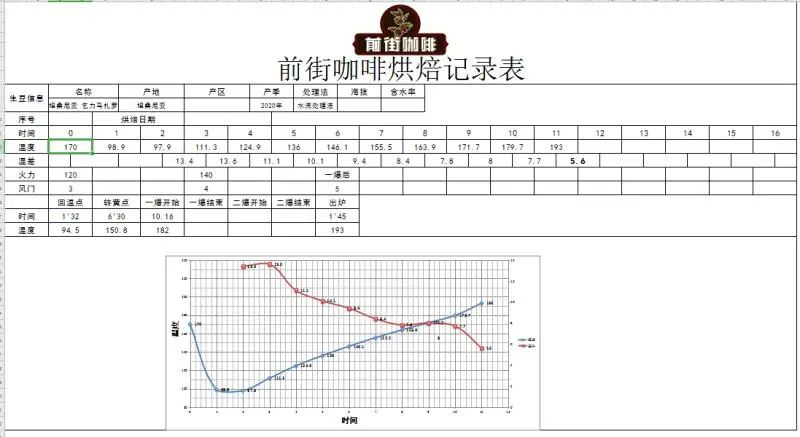
A medium-light roast (Agtron 65–70) is recommended: charge temperature 170°C, yellowing point 150.8°C (6 min 30 s), first crack start 182.7°C (10 min 16 s), drop at 193°C. This profile highlights the floral and fruity aromas while avoiding excessive caramelization that would mask the origin characteristics.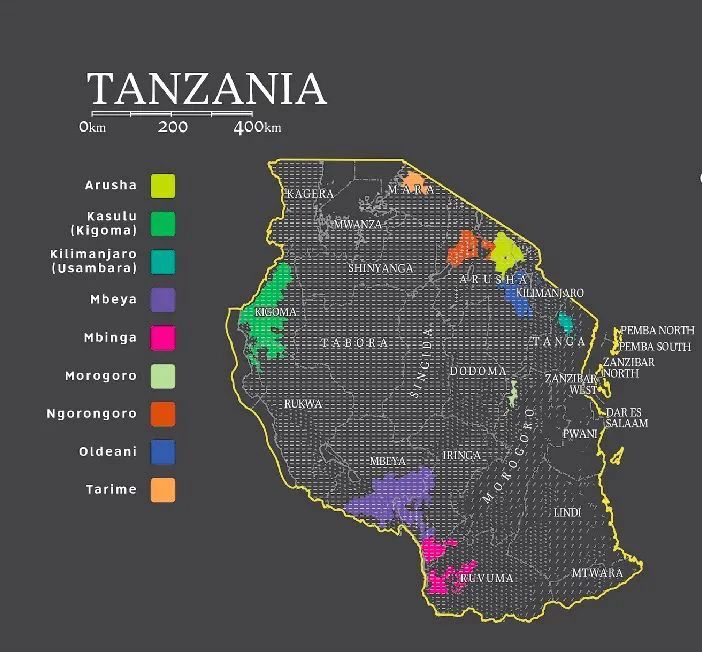
V60 pour-over parameters: coffee-to-water ratio 1:15, water temperature 91°C, grind size BG#5G (58% passing a Chinese standard No. 20 sieve). Use a three-stage pour:
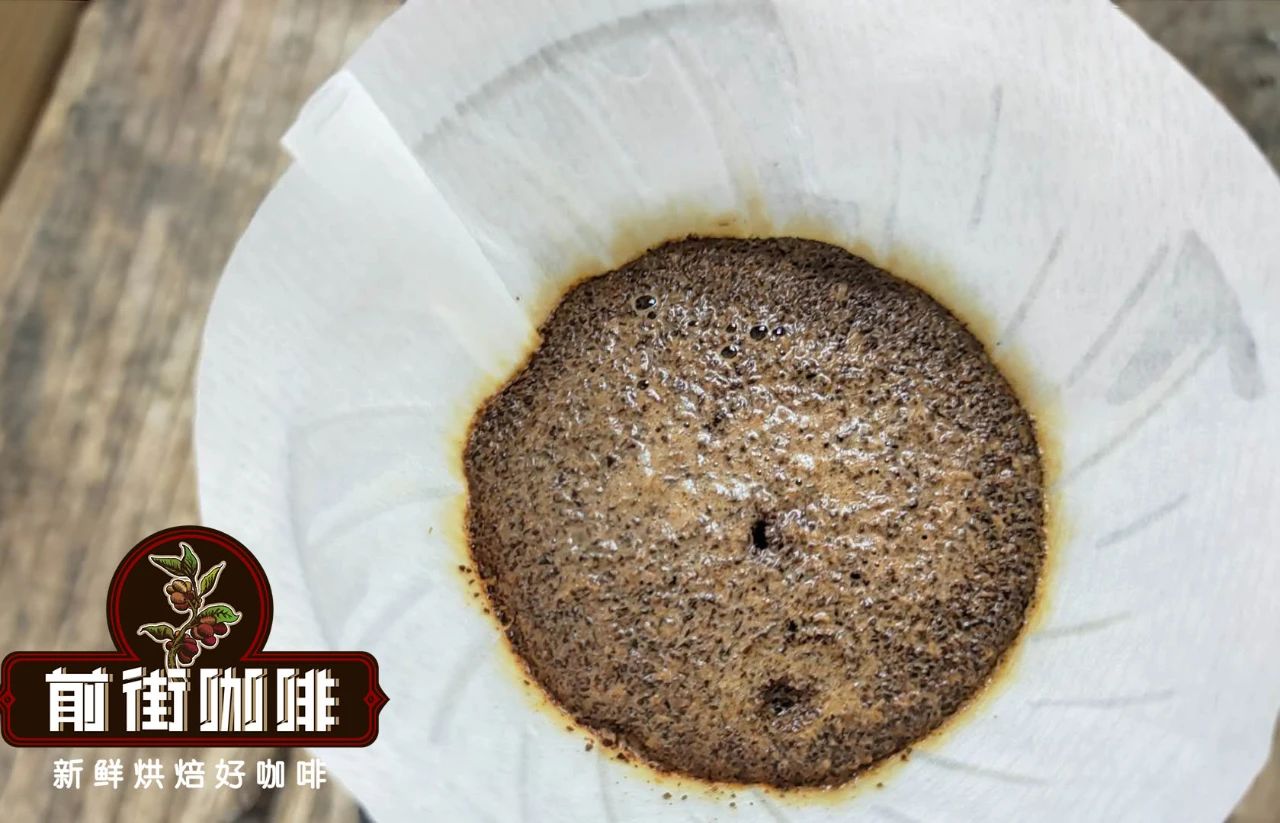
1. Bloom stage: pour 2 times the coffee weight in water (e.g. 30 ml for 15 g coffee), lasting 30 seconds to promote degassing;
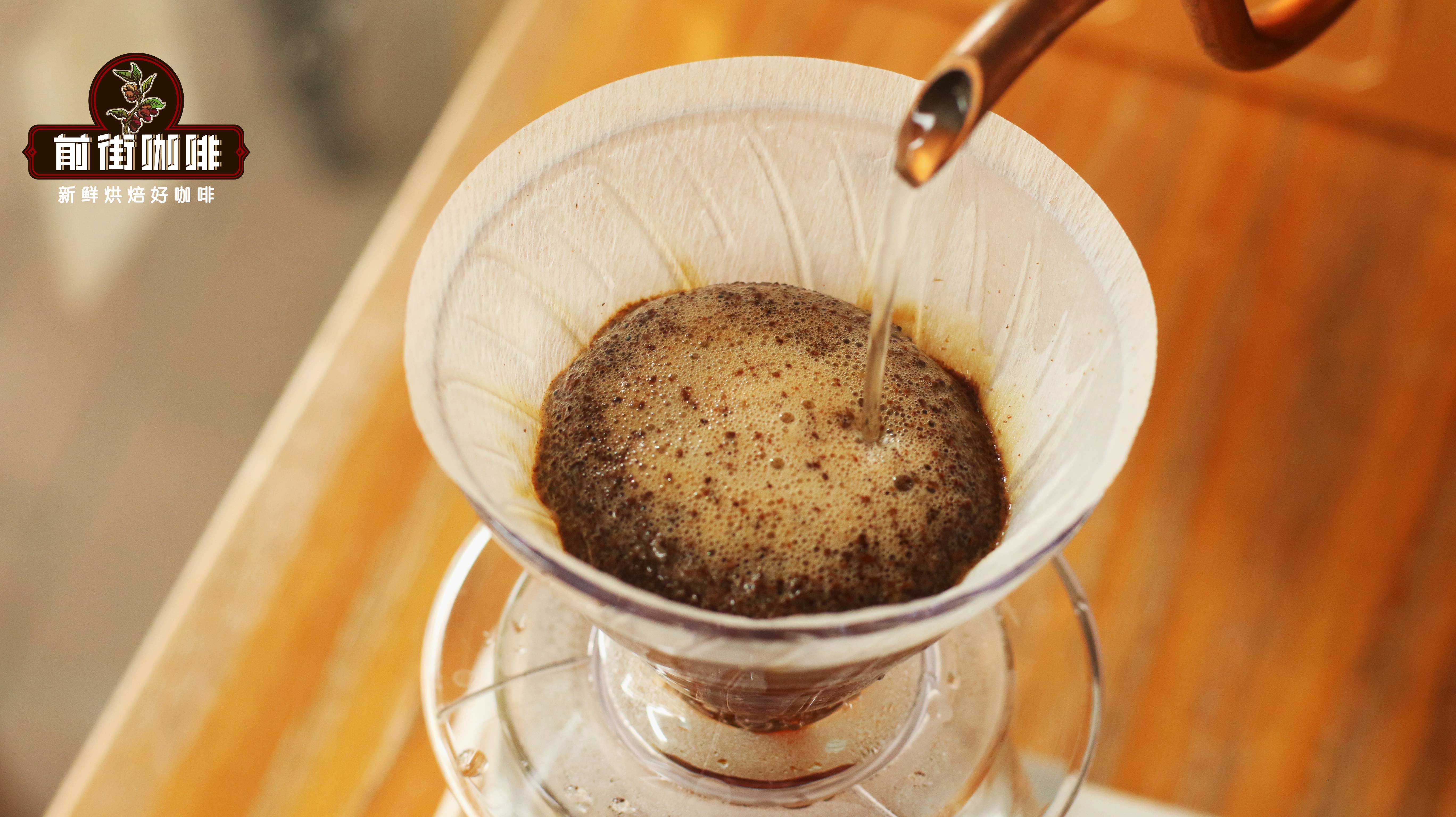
2. Main extraction: first pour in the center within a coin-sized area up to 125 ml (about 1 minute), then expand in circles out to 225 ml (total time 2 min 10 s);
3. Final pour: when the water level drops to half the height of the dripper, pour again to 300 ml, using the water flow disturbance to increase the extraction yield.
Notes: Freshly roasted beans are recommended (5–12 days after roasting); keep the water stream vertical when pouring to avoid disturbing the coffee bed structure. If astringency appears, shorten the grind or lower the water temperature to 89°C; for a fuller body, extend the development time to 20 seconds.

This coffee bean, carrying the energy of East African volcanoes, lets you experience the wild fruit aromas and elegant balance unique to African coffee through precise parameter control and scientific extraction methods. From growing altitude to flavor in the cup, every detail reflects the craftsmanship passed down through generations of Tanzanian coffee farmers.