Pour-Over Coffee Beginner's Guide: 10 Tips to Improve Extraction and Single-Origin Flavor Profiles
Introduction: Want to brew café-quality pour-over coffee at home? Mastering the correct brewing parameters and techniques is key. This article explains the basic principles of pour-over coffee, from equipment selection to core parameters such as water temperature and coffee-to-water ratio, and provides practical brewing plans combined with the flavor characteristics of coffee beans from different origins. It specifically offers solutions to common problems such as astringency and under-extraction, and includes reference brewing parameters for classic single-origin beans to help you systematically improve your pour-over skills.
With the spread of specialty coffee culture, more and more enthusiasts are trying to recreate café pour-over flavors at home, but often end up with poor extraction due to improper parameters. The essence of pour-over coffee is precisely extracting the flavor compounds from coffee grounds by controlling water flow and time. To achieve this, one needs to systematically master basic techniques and key variables.
What is pour-over coffee?
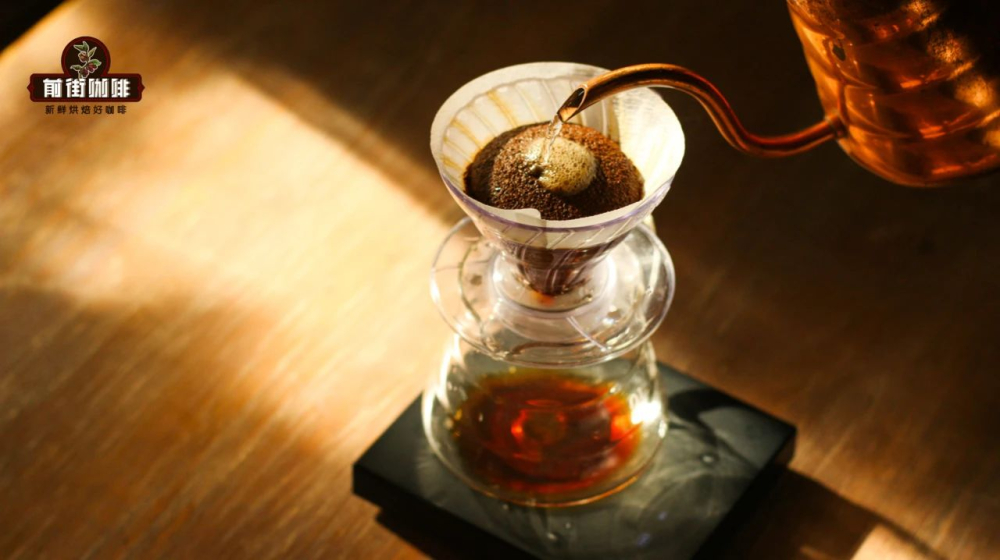
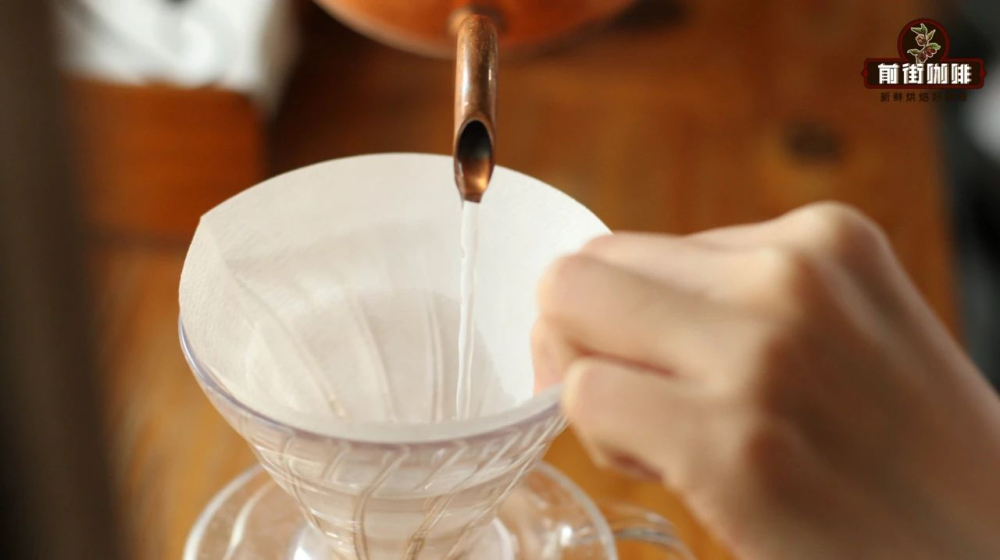
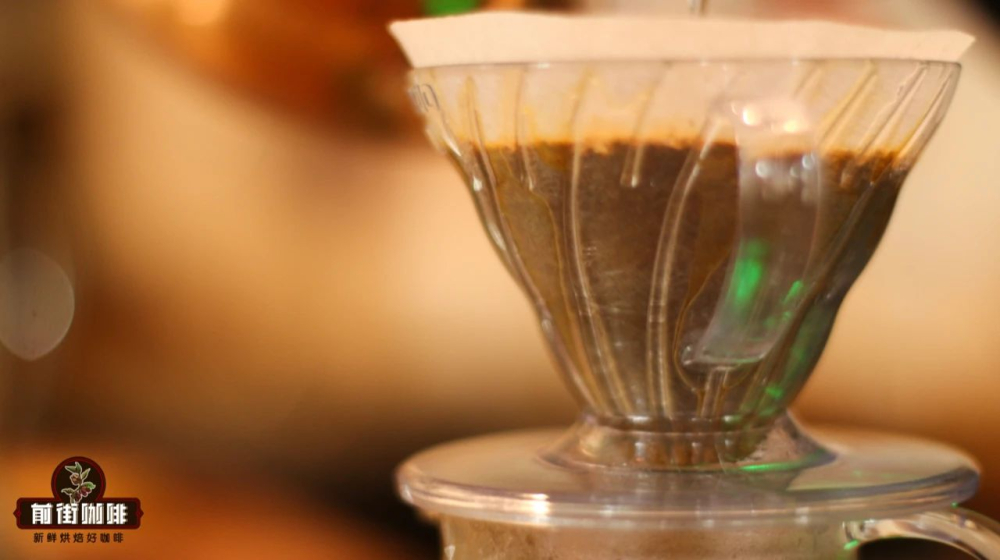
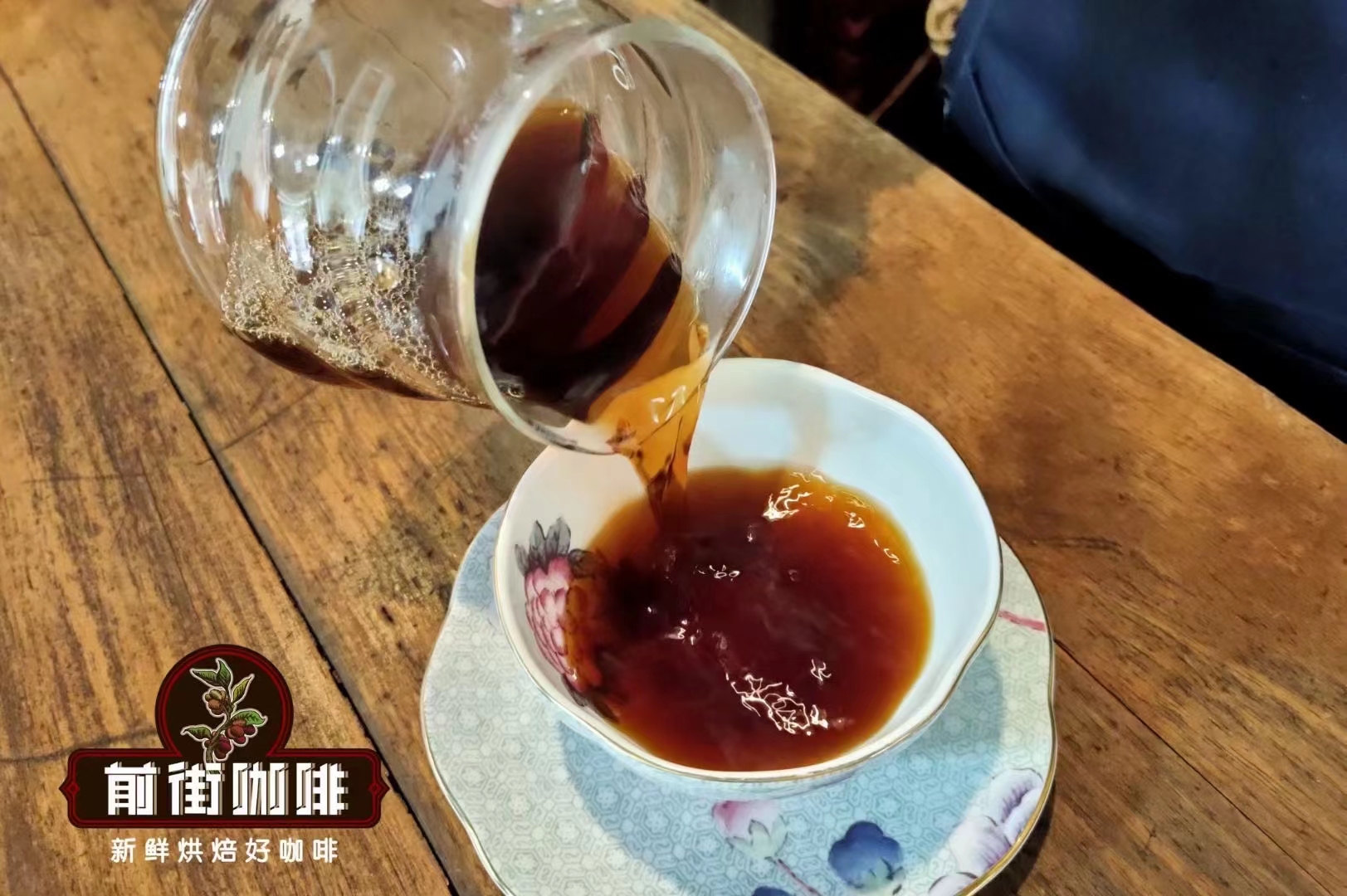
Pour-over coffee refers to the process of extracting coffee liquid with water at a specific temperature under normal pressure, using a dripper and filter paper to hold an appropriate amount of ground coffee, through a steady pouring method. Its core lies in adjusting parameters such as grind size, water temperature, and pouring technique to match the characteristics of beans from different origins, thereby highlighting unique flavors such as floral and fruity notes, nutty tones, or full-bodied richness.
Characteristics of single-origin coffee beans and regional differences
Pour-over coffee typically uses single-origin beans, which can be traced to specific estates and have distinct flavor characteristics. Global specialty coffee origins are mainly distributed across three major regions: Asia, Africa, and Latin America, forming unique flavor profiles due to differences in terrain and climate. For example, Asian beans (such as Indonesian Mandheling) often carry spice and herbal notes with a full body; African beans (such as Ethiopian Yirgacheffe) feature bright citrus acidity and berry notes with a fresh style; Latin American beans (such as Colombian) fall in between, with prominent nut and cocoa flavors and a high overall balance.
Four core parameters affecting flavor
To consistently present the flavor layers of single-origin beans, focus on the following variables:
1. Grind size
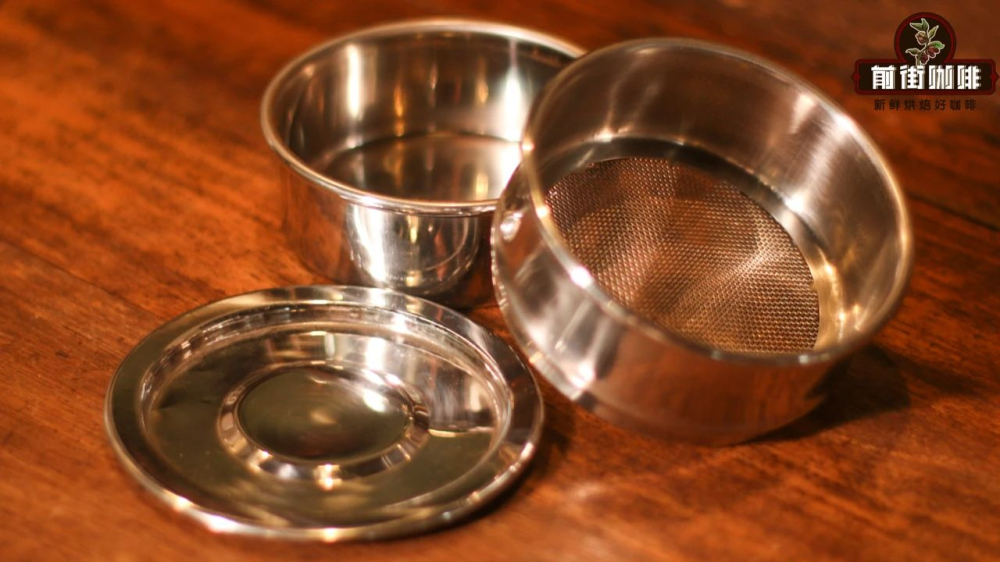
Grind size directly affects extraction efficiency and mouthfeel. Too fine can easily lead to over-extraction (bitter, muddy flavors), while too coarse may cause under-extraction (sharp acidity, thin body). It is recommended to calibrate using a Chinese standard No. 20 sieve, with a pass rate of around 80% (corresponding to the 70-75% pass rate of the SCAA cupping standard) suitable for most light to medium roast beans. In practice, observe particle uniformity to avoid excessive fines affecting flow rate.
2. Water temperature control
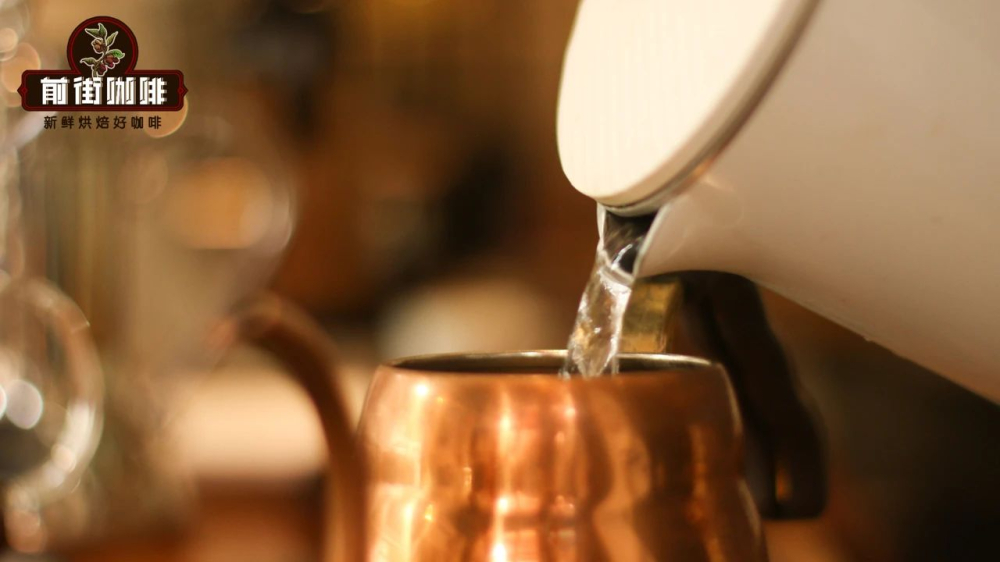
The water temperature range is typically 86-93°C, adjusted according to roast level: light roast beans (such as Yirgacheffe) are best with high temperatures of 90-93°C to bring out acidity and aroma; medium-dark roast beans (such as Mandheling) are recommended at lower temperatures of 88-90°C to prevent over-extraction of bitterness.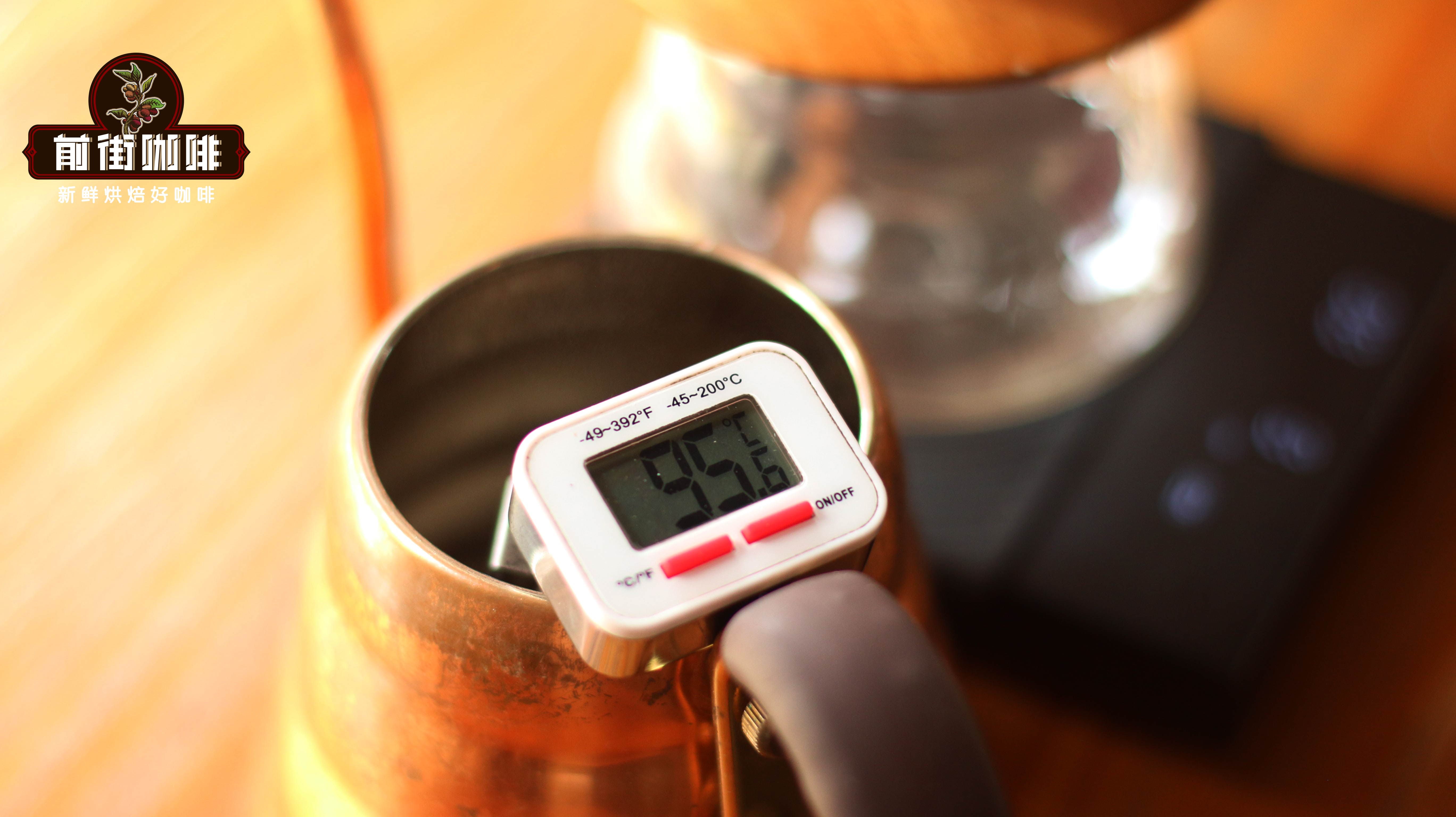 Note that temperature fluctuations can directly change the flavor direction; using a thermometer for monitoring is recommended.
3. Coffee-to-water ratio
Common ratios range from 1:12 to 1:16 (coffee grounds:water). Among these, 1:15 is a general baseline—at this ratio the coffee concentration is moderate, showing layers without being too weak or too strong. For a richer mouthfeel, choose 1:12-1:13; for a lighter flavor preference, use 1:16-1:18.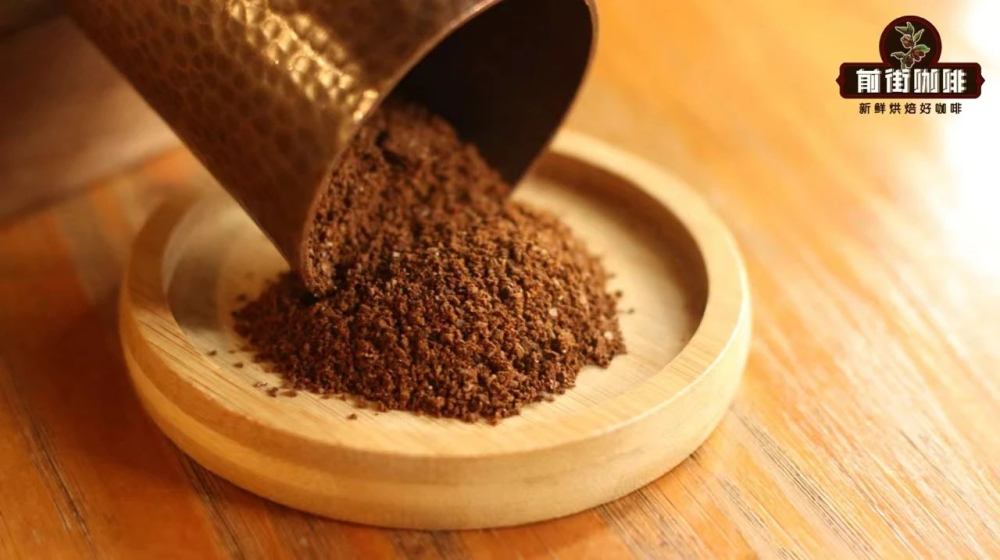
4. Brewing technique
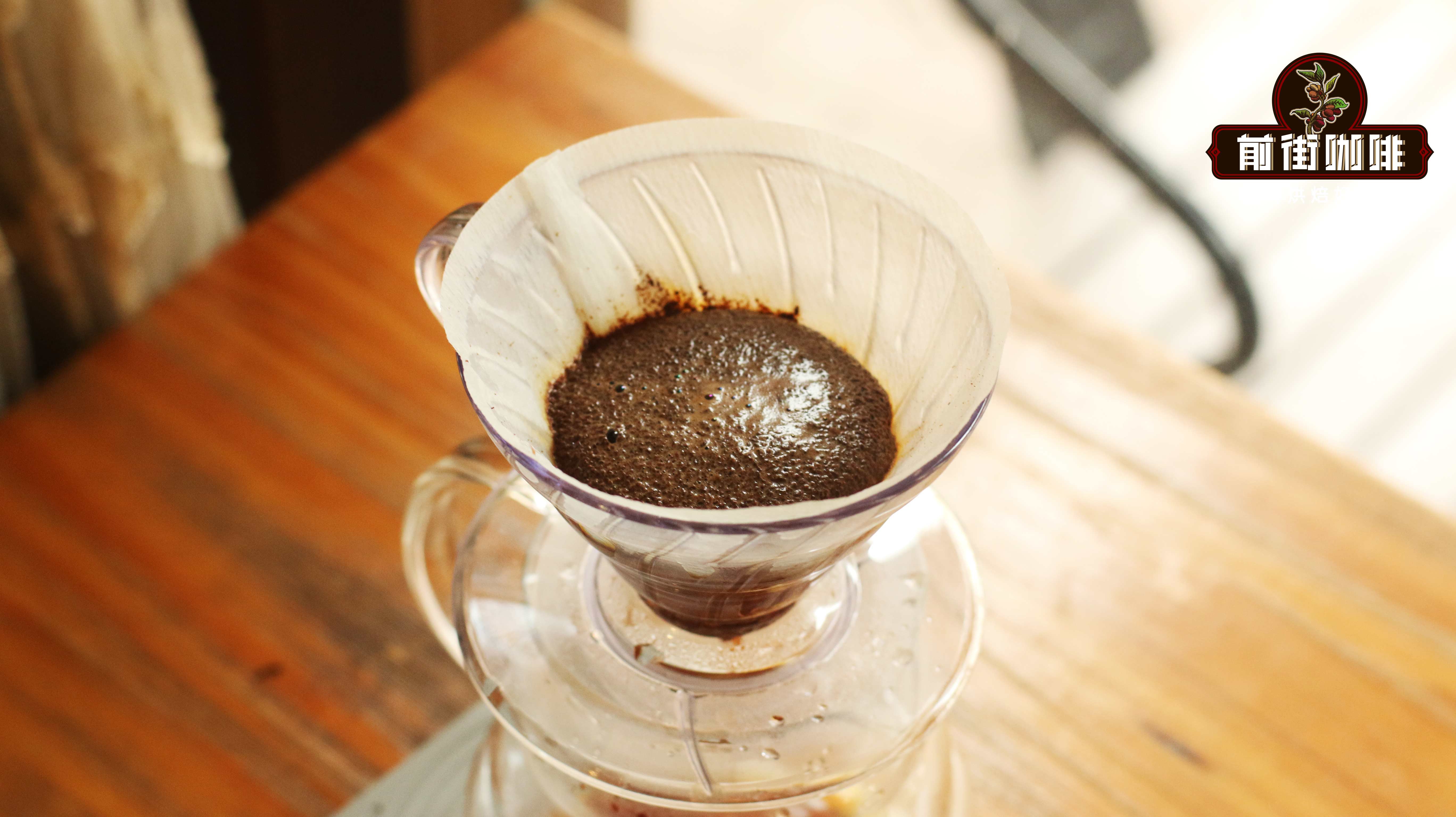
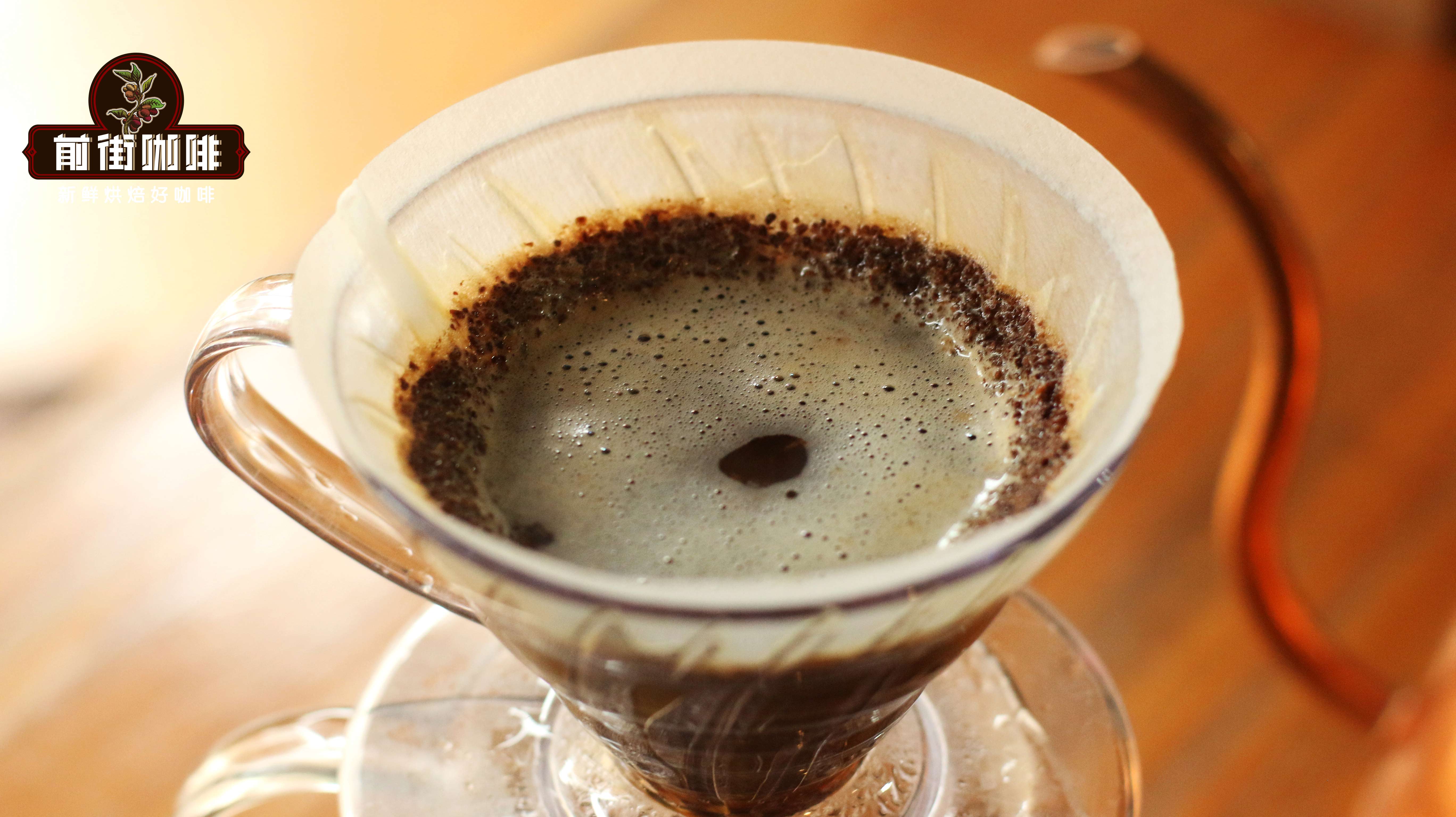
Beginners are recommended to use the three-stage pouring method: first stage is blooming (pour 1.5-2 times the coffee weight in water, steep for 30 seconds to release carbon dioxide); second stage is pouring in small circles from the center, keeping the water level within the height of the coffee bed; final stage is observing the rate at which the coffee bed drops, and evenly adding water to the target amount. This method clearly separates the front, middle, and back flavors, avoiding a flat, one-dimensional taste.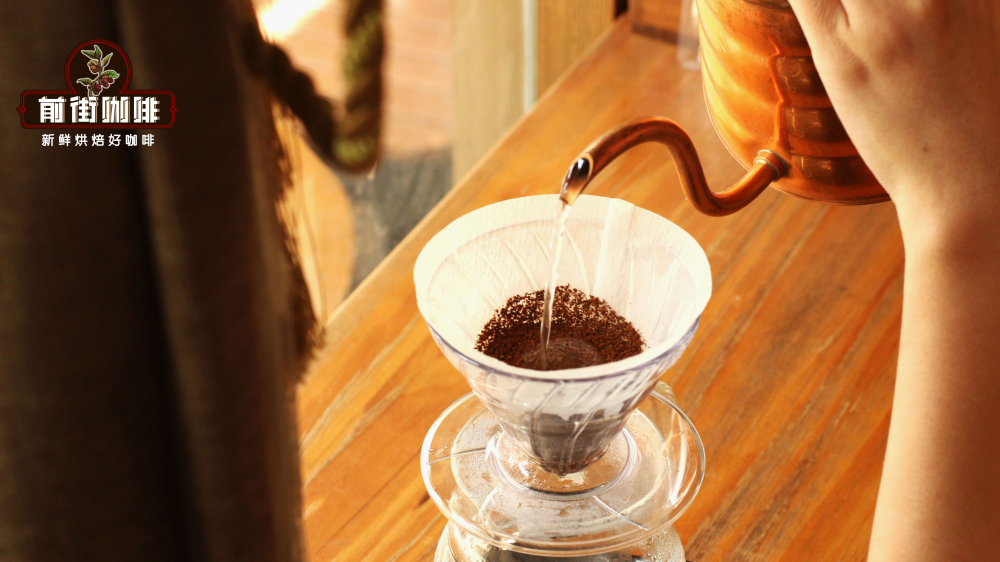
Troubleshooting common astringency issues
If the brewed coffee has astringency, check the following first:① Water temperature too high or continuous heating causing over-extraction; ② Water temperature too low (such as below 85°C) causing under-extraction; ③ Water flow too strong or too rapid, disrupting the coffee bed structure; ④ Grind too fine (fines clogging the filter holes); ⑤ Grind too coarse causing insufficient contact. When adjusting, correct one variable at a time.
Essential equipment list
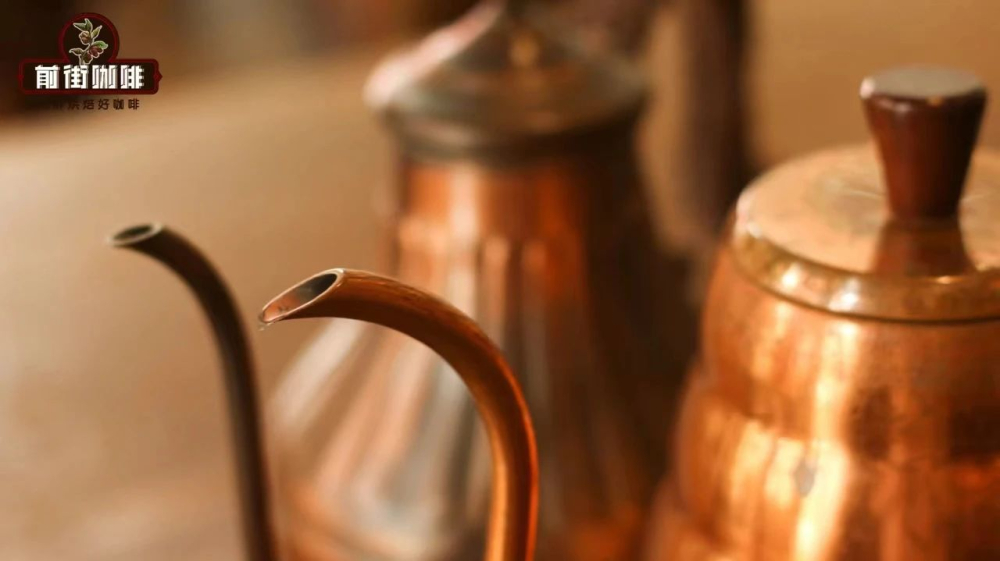
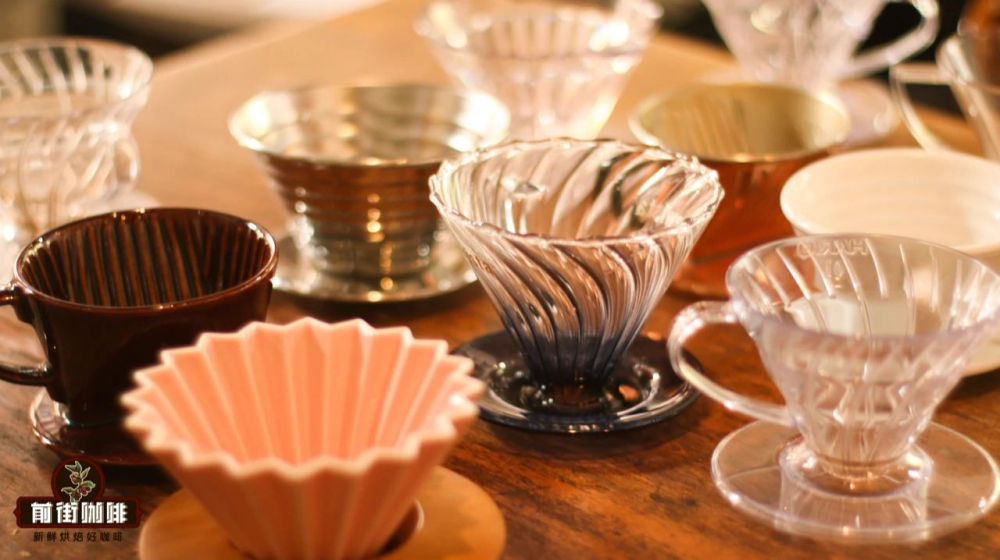
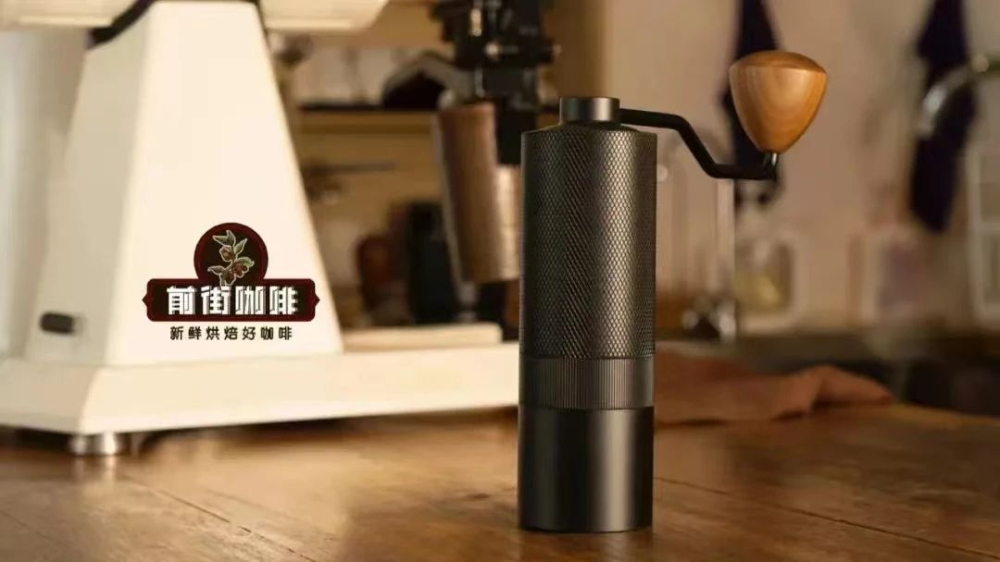
Professional pour-over requires a basic tool set: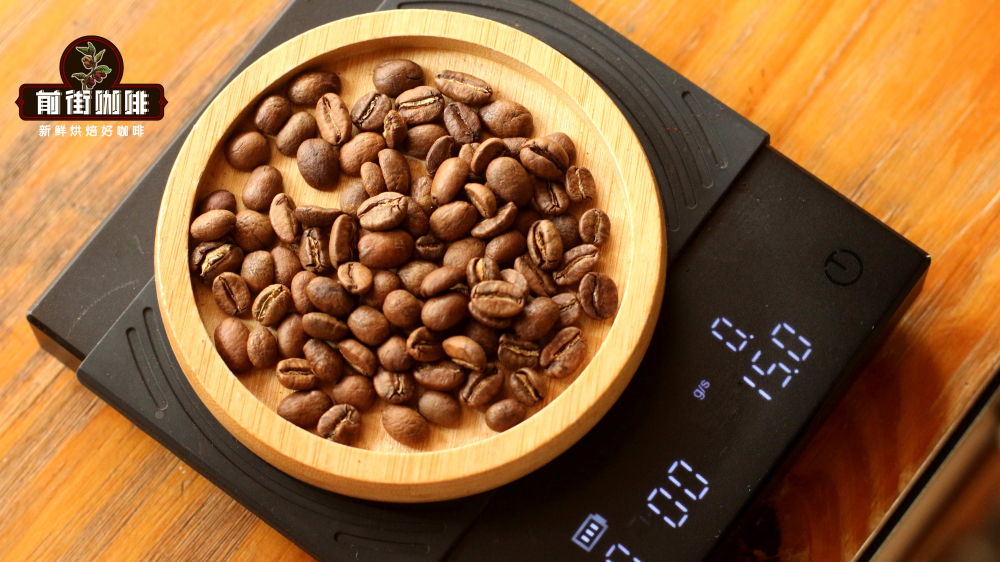 ① Pour-over kettle (a gooseneck kettle makes flow control easier); ② Dripper (cone-shaped for faster flow and lighter flavor, flat-bottom for slower flow and fuller body); ③ Filter paper (bleached is cleaner, unbleached is eco-friendly but may leave light-colored residue); ④ Grinder (conical, flat, and ghost-tooth burr types affect grind uniformity); ⑤ Digital scale (precise coffee-to-water ratio control); ⑥ Thermometer (monitor water temperature); ⑦ Sieve (verify whether grind size meets the standard).
After mastering the above points, you can adjust parameter combinations through repeated practice to gradually find a brewing plan that suits your personal taste. Remember, a stable operating process and detailed parameter records are key to improving your pour-over skills.