Flavor Analysis and Pour-Over Guide for Sumatra Lintong Mandheling Coffee
Introduction: Mandheling coffee from the Lintong region of Sumatra is renowned for its full, rich body, and its unique wet-hulling process gives the coffee intense herbal, dark chocolate, and nutty notes. This article details the growing environment, processing methods, roasting recommendations, and brewing parameters for Lintong Mandheling, and includes a professional cupping flavor report to help you gain a deeper understanding of this classic Indonesian bean's flavor characteristics and brewing techniques.
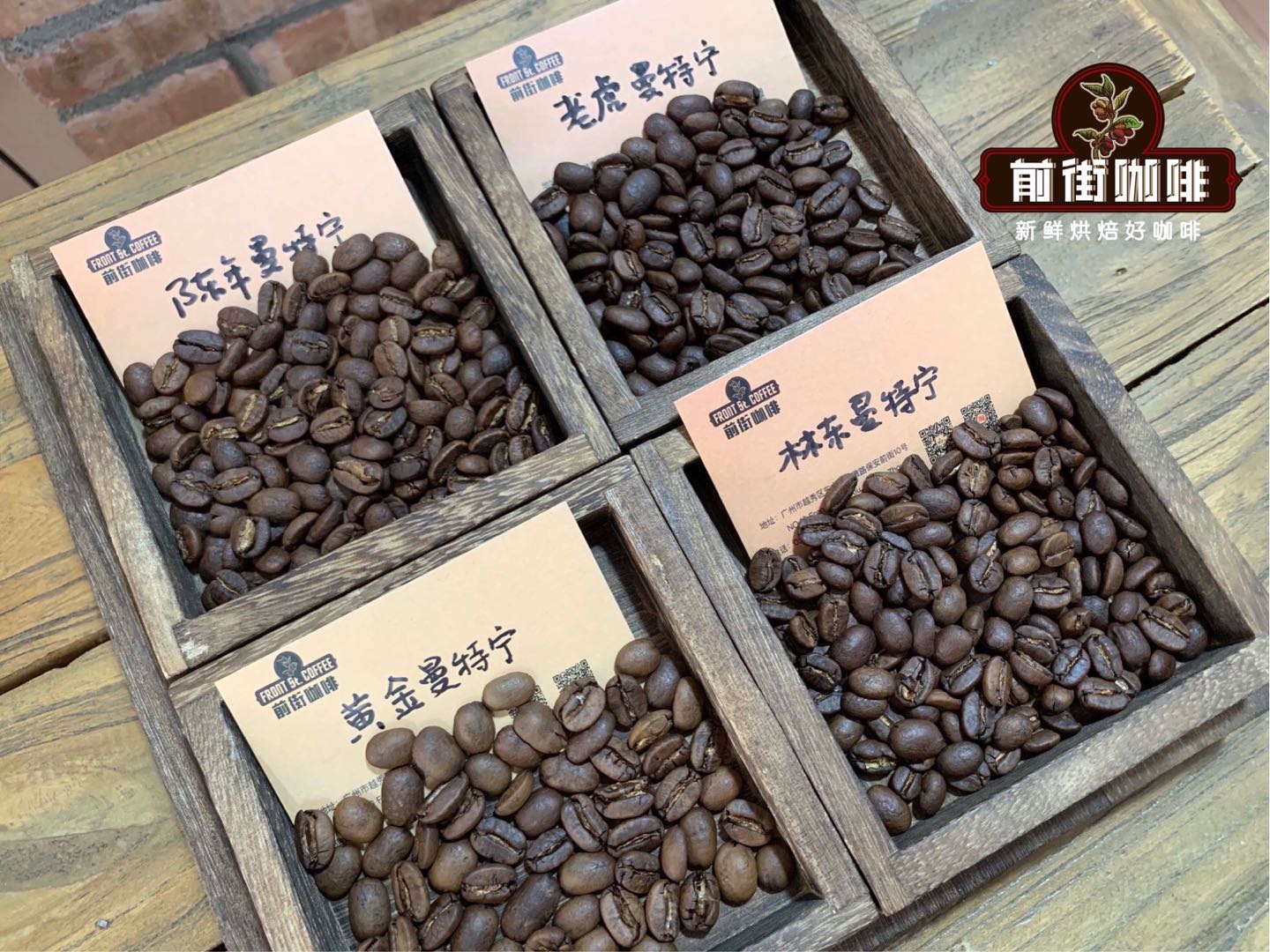
In the coffee landscape of Southeast Asia, the Lintong region on the Indonesian island of Sumatra is one of the core representatives of Mandheling coffee. Coffee here is known for its full, solid body, in stark contrast to the bright acidity of Central and South American varieties. Lintong Mandheling is processed using the traditional wet-hulling method, and combined with the local highland climate at 1,100–1,600 meters, it produces its signature low-acid, high-body characteristics, making it a top choice for dark-roast enthusiasts.
1. Origin of the Name: From Rubber Plantations to Coffee Legend
Mandheling is not the name of a variety but stems from a historical misunderstanding. According to legend, during World War II, a Japanese soldier tasted high-quality coffee in Sumatra and asked the local rubber department (formerly the PW company) to find the same flavor. When staff sent coffee from the neighboring Mandailing (Lintong) region for inspection, to protect trade secrets, they renamed it "MANDHELING" (which later evolved into Mandheling). Today, the Lintong region, as one of the core Mandheling producing areas, is highly regarded for its coffee's unique herbal and nutty notes.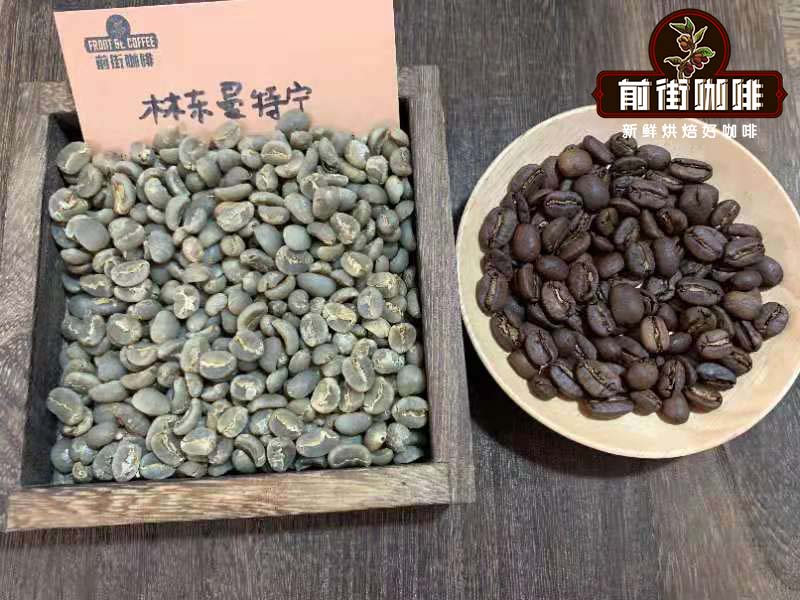
2. Geography of the Producing Region: Highland Growing Belt by Lake Toba
The Lintong region is adjacent to Lake Toba, a famous tourist destination in Sumatra, with elevations concentrated at 1,400–1,800 meters (the original data of 1,100–1,600 meters shows a range discrepancy; actual high-quality growing areas are generally above 1,400 meters). Mainly cultivated varieties include Typica variants Jember, Garundang Typica, and Ateng, which have strong disease resistance. Notably, as the market segments, some coffee merchants name smaller areas (such as Sidikalang, abbreviated SDK Mandheling), but the Lintong region remains the most representative traditional producing area.
3. Wet-Hulling Process: The Key to Unique Flavor
Wet hulling is Indonesia's signature processing technique, with steps including:
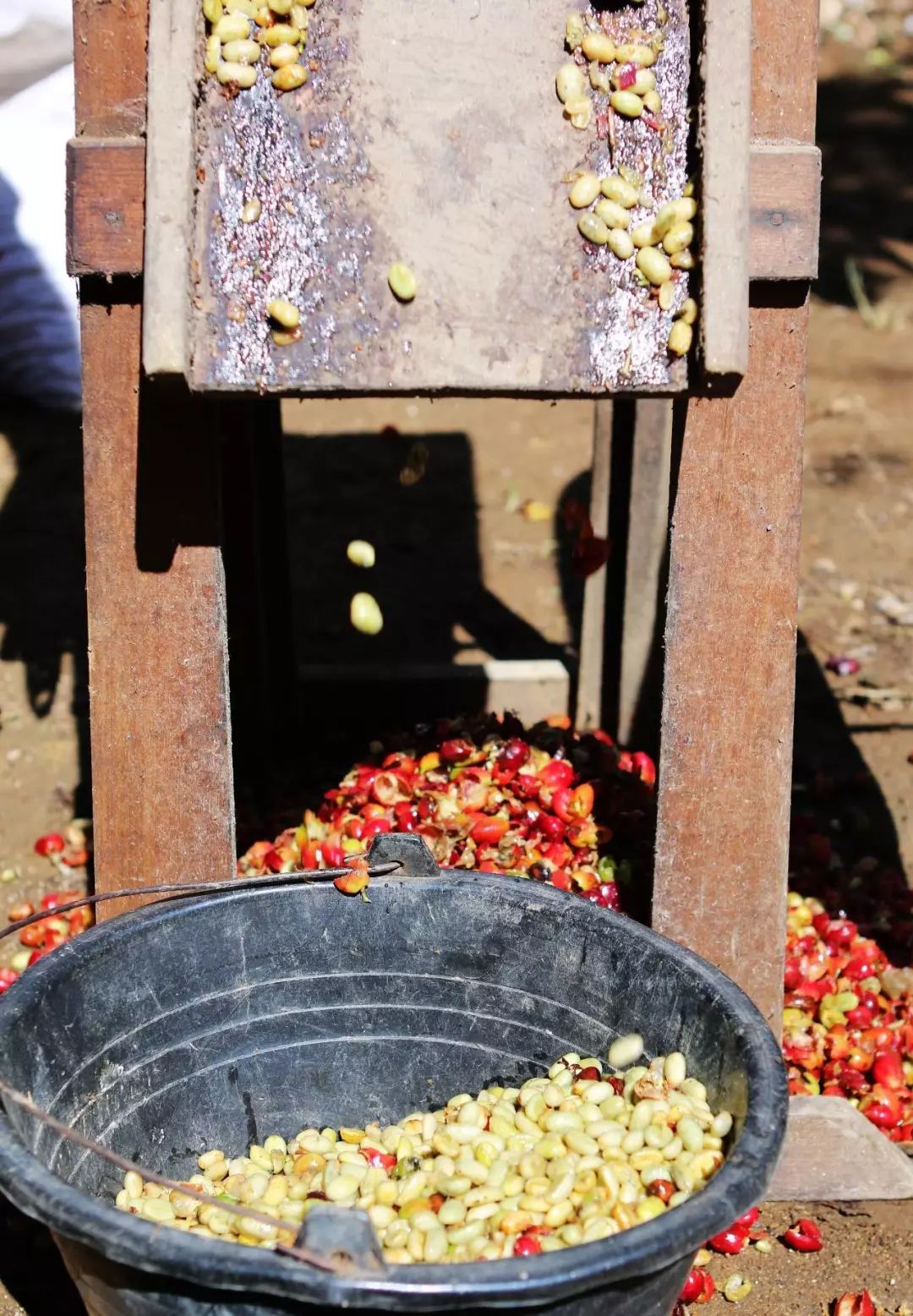
1. Removing the skin and pulp while retaining the parchment and mucilage
2. Fermenting in water tanks to remove mucilage
3. Washing with clean water and sun-drying with parchment to a moisture content of 20–24%
4. Hulling off the semi-dry parchment layer (at this point the bean is softer and easily damaged)
5. Continuing drying to a safe moisture content of 12–13% before export. This process creates Mandheling's signature heavy body and low acidity, but because the beans are in a semi-hard, semi-soft state during the process, characteristic "goat hoof" cracks often occur (a normal phenomenon, not defective beans).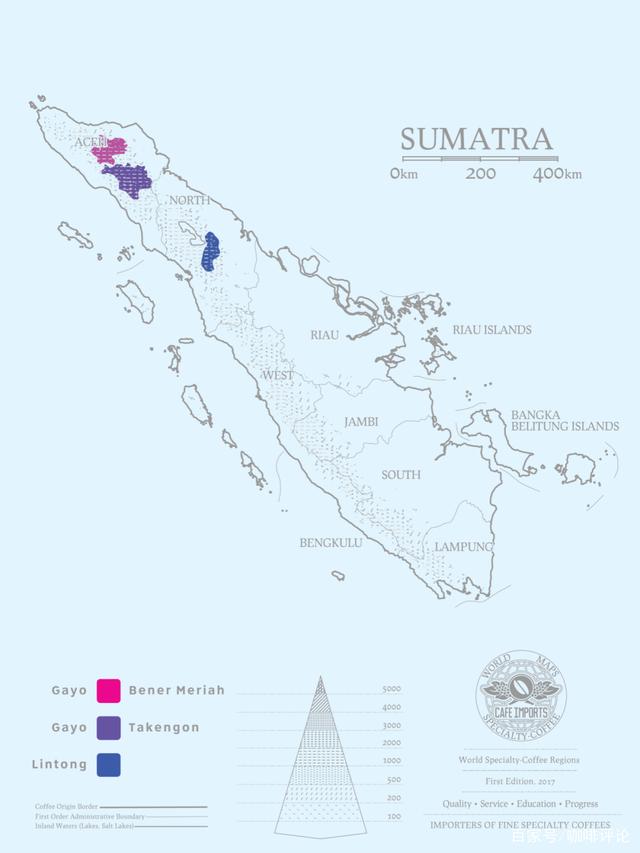
4. Green Bean Characteristics and Roasting Strategy
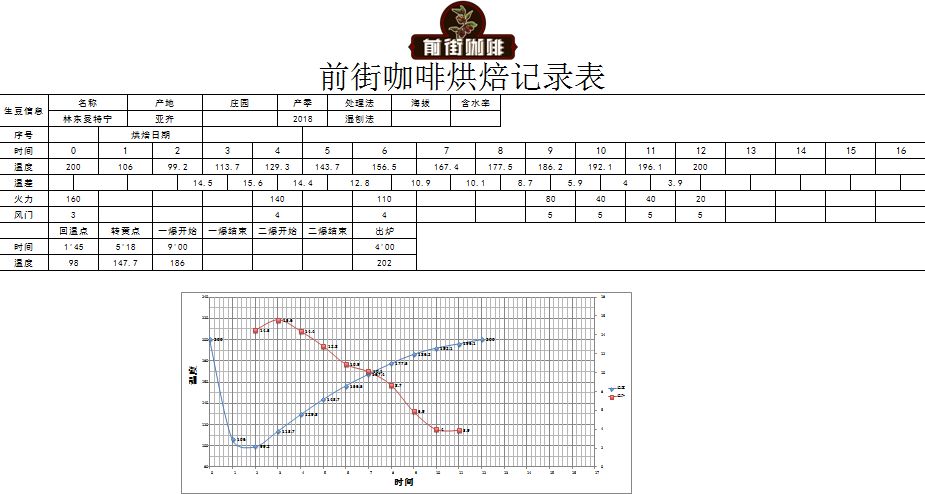
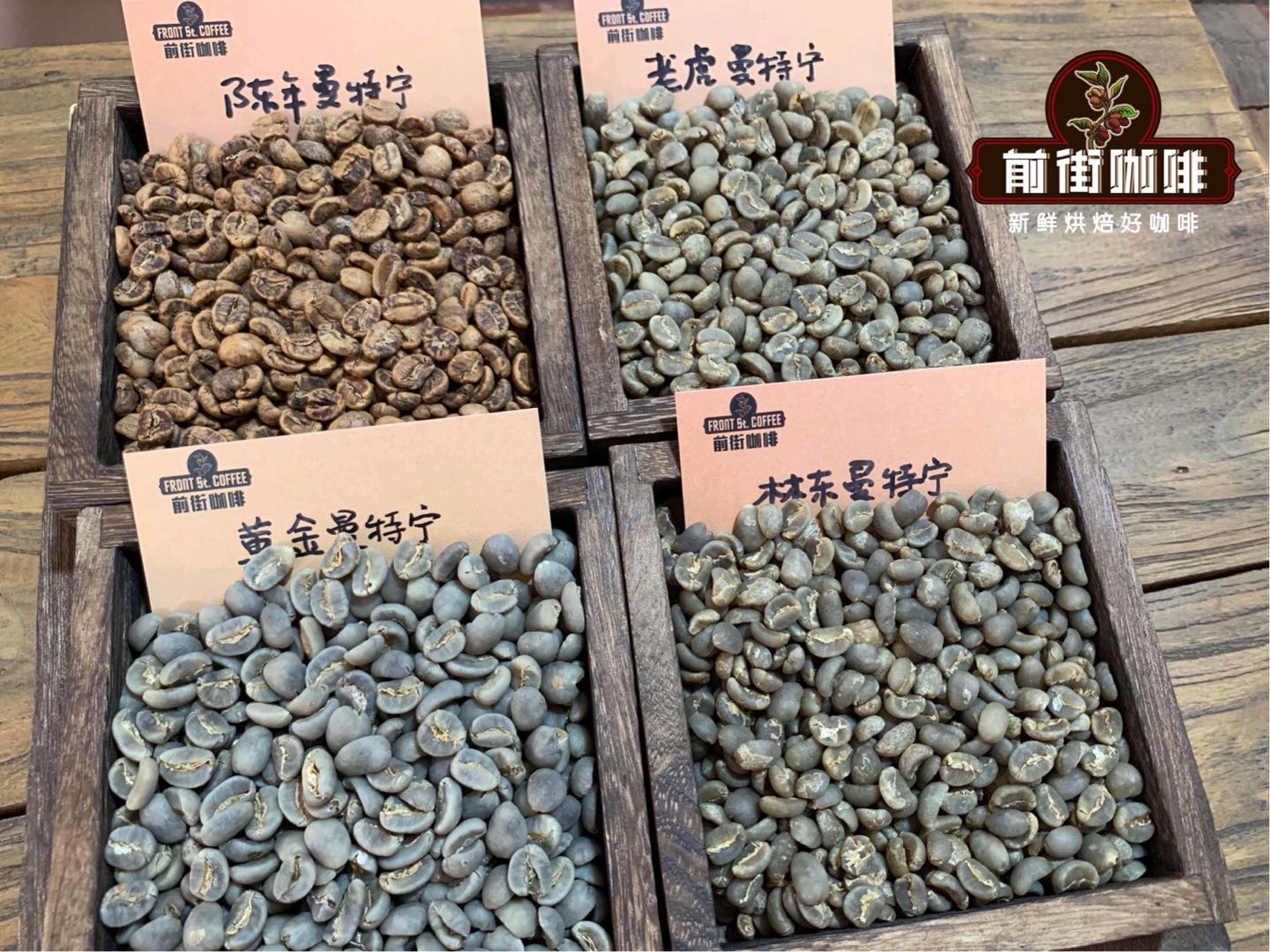
Lintong Mandheling green beans are blue-green in color, medium-sized, and high in density. Because wet hulling easily causes surface defects, special attention is needed during sorting. A medium-dark roast is recommended (suggested to drop after first crack development), balancing acidity and astringency by extending the dehydration phase (charge temperature 200°C, turning point at about 5'18"). During development, control the rate of temperature rise, and maintain the final drop temperature at around 202°C to ensure full development of the rich flavor.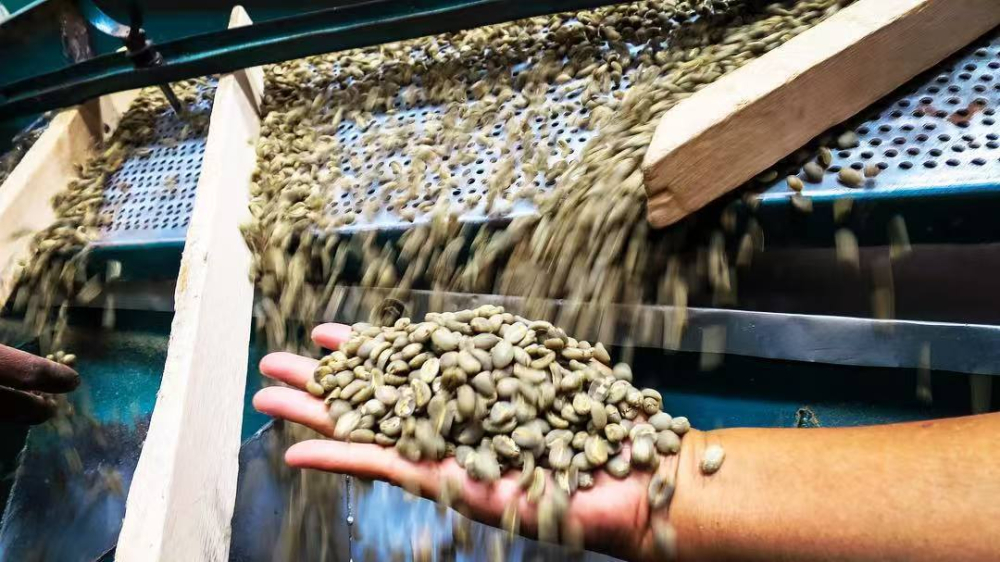
5. Flavor Profile and Brewing Recipe
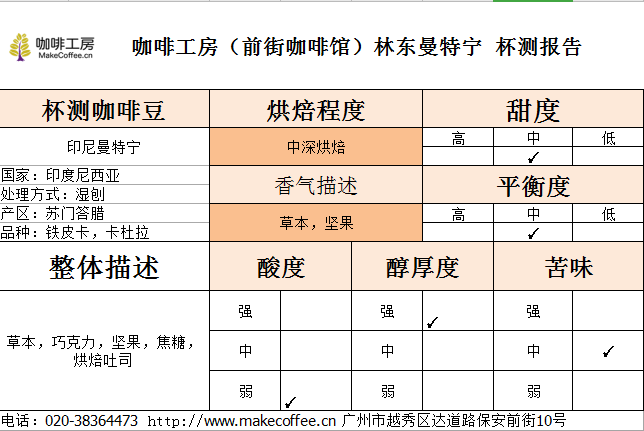
Typical cupping flavors include: herbal notes, dark chocolate base, roasted almond nuttiness, and caramel finish. Recommended brewing parameters:
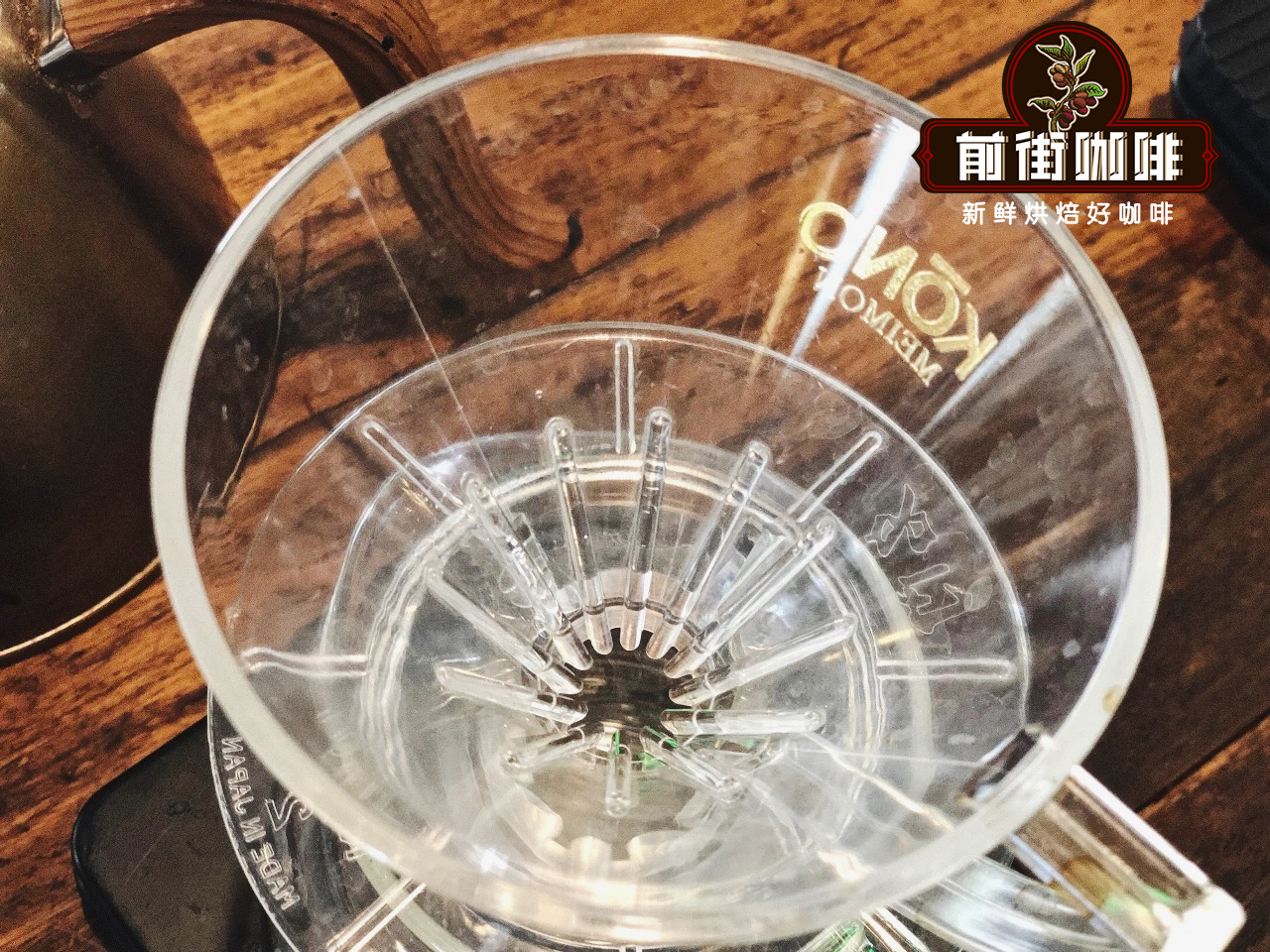
- Dripper: KONO (or V60 and other conical drippers)
- Dose: 15±0.5 g
- Grind: medium-coarse (similar to BG#6K or 65–70% passing a Chinese standard No. 20 sieve)
- Water temperature: 86–88°C (adjust slightly according to roast level)
- Water-to-coffee ratio: 1:15 (15 g coffee to 225 ml water)
Pour-over technique suggestions:
1. Bloom with 30 g water for 30 seconds (to release aroma)
2. Pour in circles until 125 g, then pause (around 45 seconds)
3. When the water level drops to half the dripper, continue pouring to 225 g
4. Keep total extraction time at 2 minutes 10 seconds ±10 seconds. Maintain a steady flow to avoid channeling, and use freshly ground coffee to highlight the layers.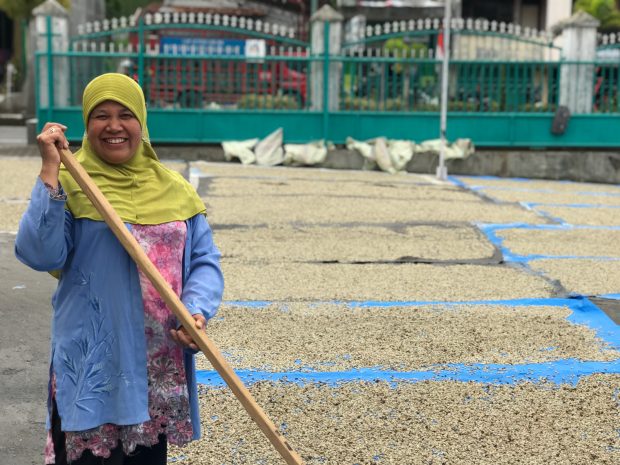
6. Practical Tips
1. Wet-hulled beans are fragile; after transport, hand-sort to remove broken beans
2. Best flavor after medium-dark roast is 7–21 days post-roast
3. If you prefer brighter acidity, try a light-medium roast (but this will weaken the full body)
4. Store in a dark, sealed container; ideal humidity below 50%