Fazenda Rainha Coffee: Flavor, Origin and Three Brewing Guides
Introduction: Explore Fazenda Rainha, one of Brazil's top coffee estates, and the flavor characteristics of the Yellow Bourbon beans nurtured by its unique geography. This article details the growing advantages of the 1,400–1,950 m highland region, analyzes how the pulped natural process shapes flavor, and provides professional brewing parameters and flavor comparisons for three devices—V60 pour-over, siphon and moka pot—to help you precisely capture the essence of this champion-grade coffee.
 As the world's leading coffee producer, Brazil accounts for more than 40% of the global coffee supply chain. Its favorable tropical highland climate—an average annual temperature of around 20°C combined with broad, flat terrain—not only supports efficient mechanized harvesting but also creates a distinctive nutty and chocolatey base flavor. Among the many producing regions, Vale da Grama, an ancient volcanic valley at the border of São Paulo and Minas Gerais states, has produced a benchmark of Brazilian specialty coffee thanks to its mineral-rich volcanic soil and stable microclimate.
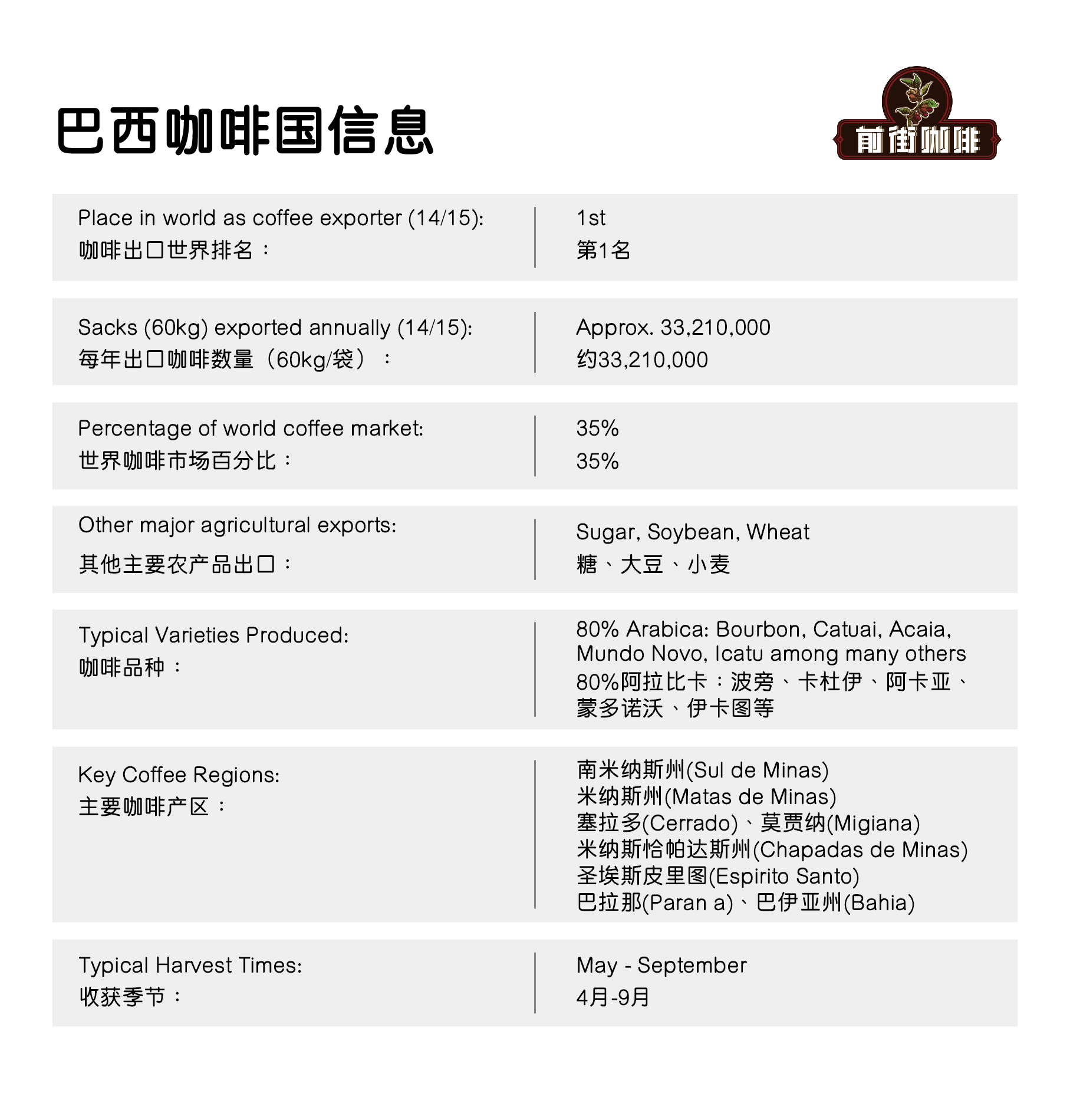
 Brazil's coffee legend began in the 1720s, when seeds introduced from French Guiana took root through military and diplomatic channels. Within a century, coffee cultivation spread from the northern rainforest to the southeastern highlands, and by the mid-19th century the country contributed nearly half of global output. This large-scale development gave rise to mid- and low-altitude varieties suited to mechanized operations, forming the base flavor profile of Brazilian coffee: full-bodied, balanced and low in acidity.
 Of the country's 17 coffee-producing regions, seven core regions contribute 98% of output: Mogiana and Centro-Oeste in São Paulo, Norte Pioneiro in Paraná, the Cerrado highlands in Bahia, Sul de Minas in Minas Gerais and others. Among them, the Cerrado region at 1,100–1,300 m is known for its large day-night temperature swings and is a golden zone for producing high-sweetness coffee.
Fazenda Rainha sits on volcanic highlands at the border of São Paulo and Minas Gerais states. Its 280-mu estate enjoys an excellent combination of 1,800 mm average annual rainfall and a 19°C average temperature.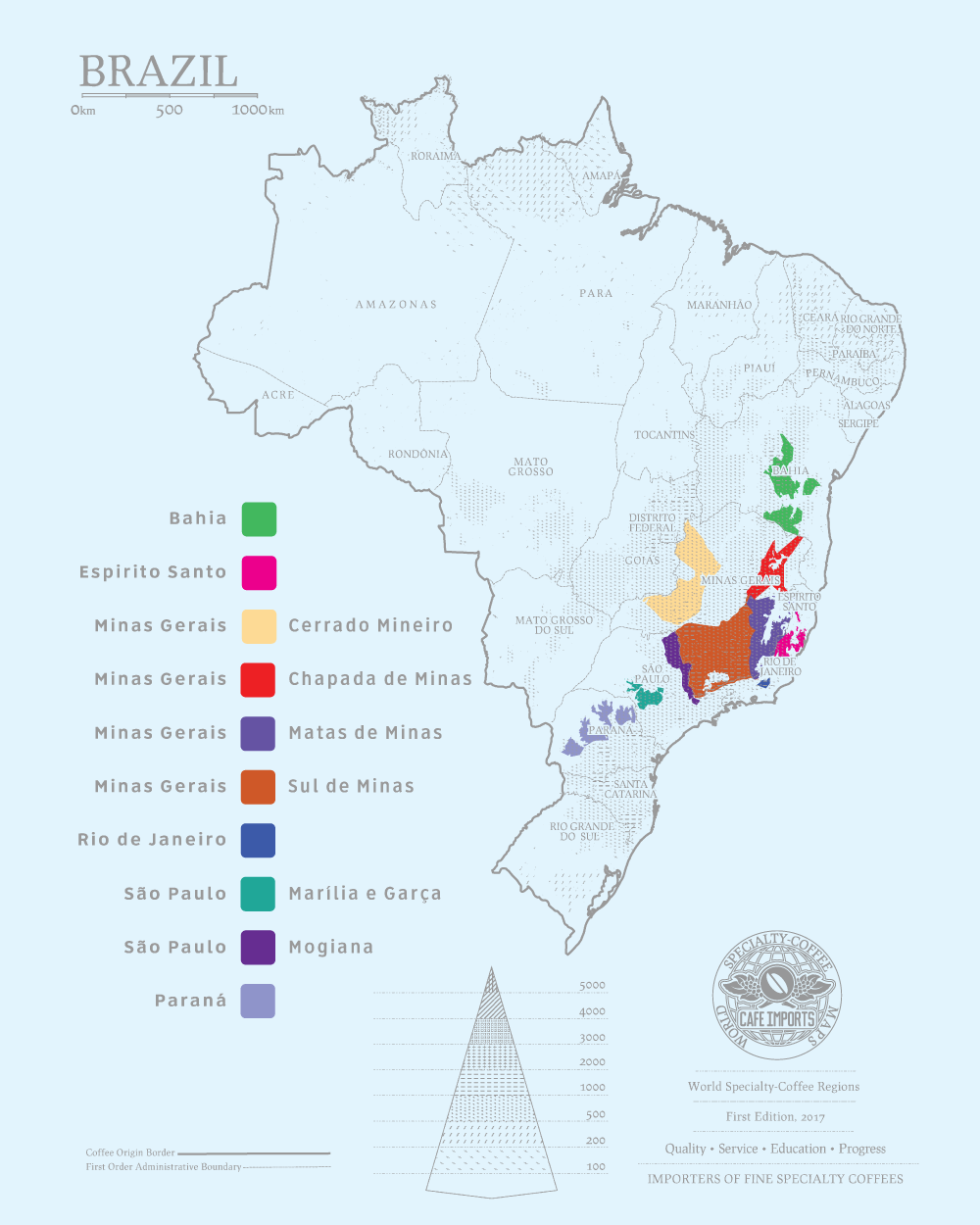 The high altitude slows fruit ripening and encourages gradual sugar accumulation, while the steep slopes that cannot be worked by machine ensure fully hand-selected fruit quality. Belonging to the Carvalho Dias family of coffee growers, the estate draws on seven generations of variety-cultivation experience, and its four estates have collectively won more than 12 COE Cup of Excellence awards.
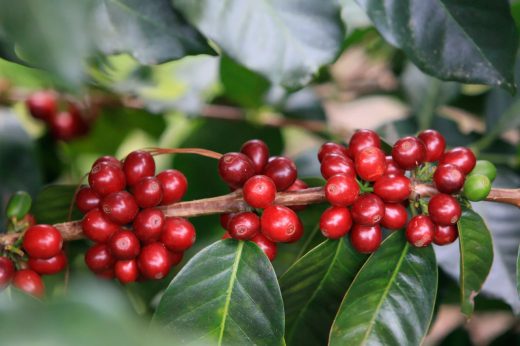
The estate's Yellow Bourbon variety comes from the ancient gene pool of Réunion Island, Madagascar; in the 18th century it spread to Africa via French missionaries and eventually reached Brazil.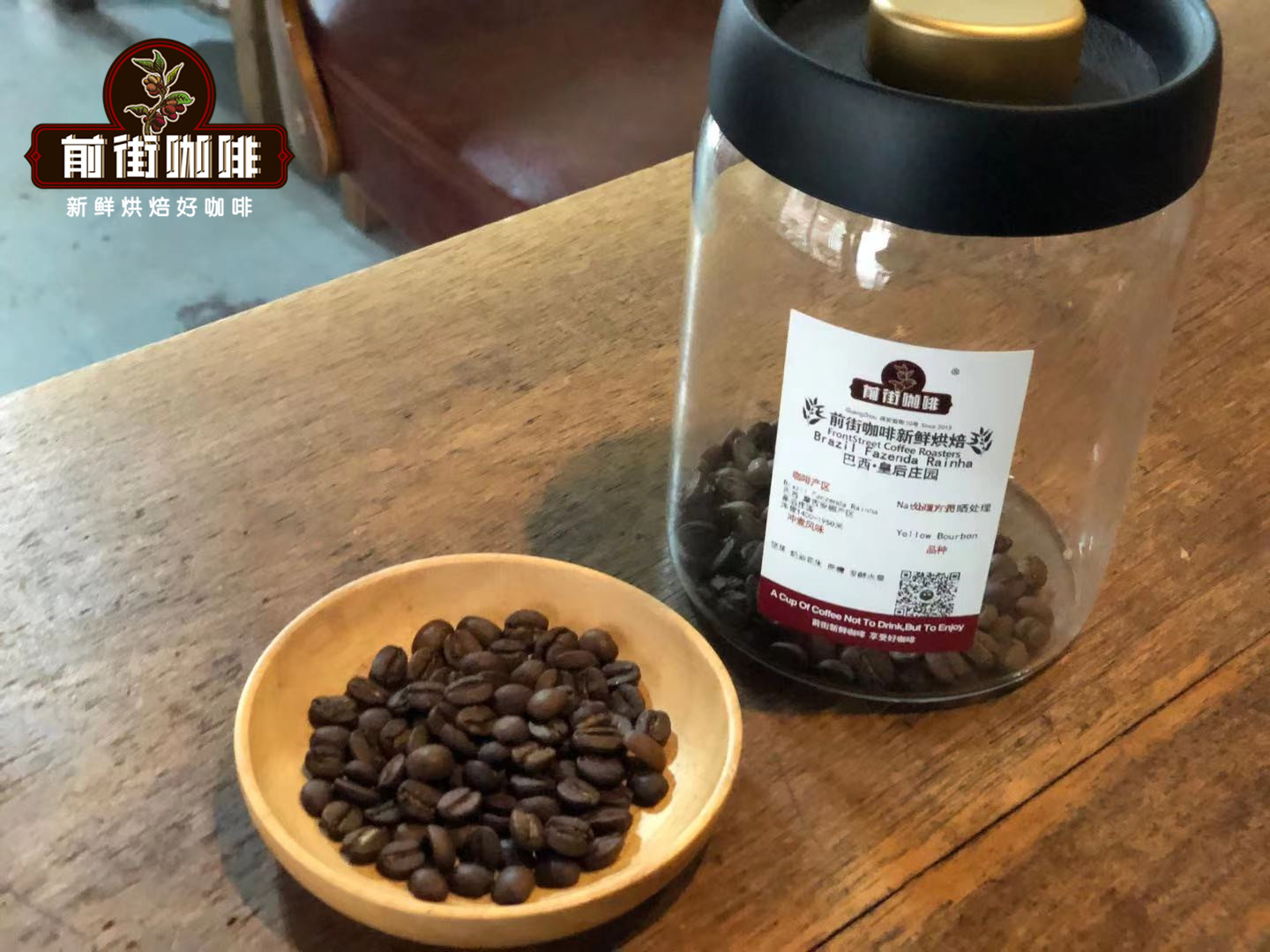 A recessive gene gives it its signature golden-yellow fruit; compared with Red Bourbon, Yellow Bourbon shows brighter acidity and tropical-fruit notes under the same processing conditions. The estate adheres to a low-yield, high-quality growing strategy, strictly limiting each tree's annual output to no more than 2.5 kg of green beans.
The distinctive pulped natural process (Cereza descascado) is the key to Fazenda Rainha's flavor: Ripe cherries hand-picked in the morning must reach the processing station within 2 hours; after a flotation tank removes defective beans of insufficient density, a dedicated pulper gently removes the fruit layer. The beans, with their mucilage layer left intact, then go to African raised beds for drying, turned three times a day to ensure even drying, with final moisture content precisely controlled at 11.5% ± 0.3%. Compared with traditional honey processing, this method achieves a perfect balance of sweetness and clarity by controlling the amount of residual mucilage.
The roast curve must match the high density of Brazilian beans: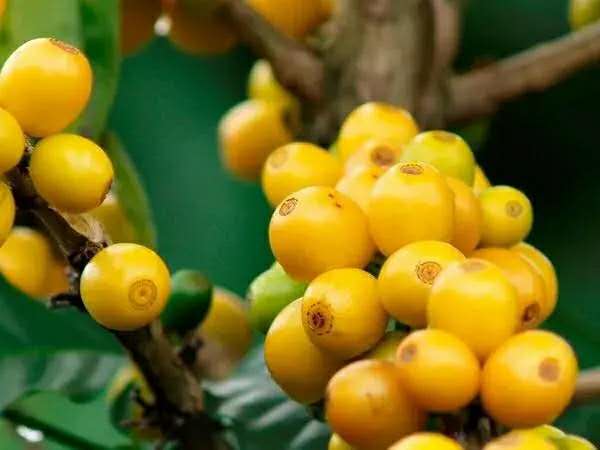 A charge temperature of 200°C is recommended for a 90-second rapid warm-up, with increased heat to promote moisture evaporation. When the temperature drops to 188.9°C and first crack occurs, maintain a steady hot-air flow; dropping the beans at 197.5°C, 1 minute 48 seconds after first crack, preserves the optimal sweetness window. Professional roasters note that the drying phase for Brazilian beans should be extended by 20 seconds compared with similar Central and South American coffees to avoid a woody flavor from underdeveloped interiors.
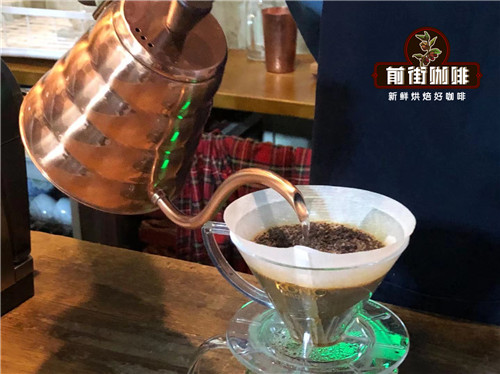
Recommended V60 pour-over method: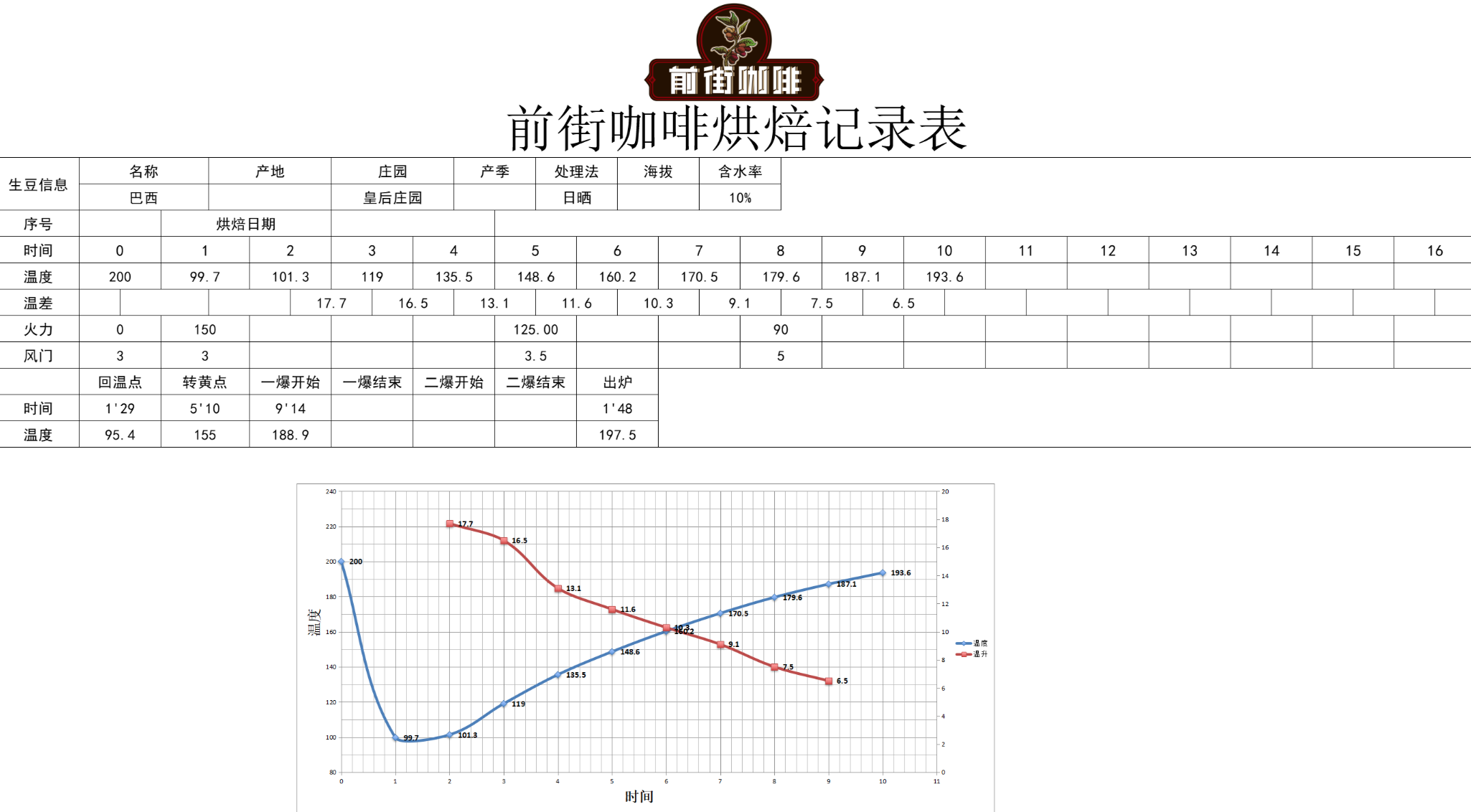 Use a medium-fine grind (BG#6S) with a 1:15 coffee-to-water ratio at 90°C, pouring in three stages: first 30 ml for a 30-second bloom to activate degassing; second, pour 90 ml in a spiral to reach a 120 ml water level; finally, pour in circles to a total of 225 ml. Keep the flow steady to avoid disturbing the coffee bed. These parameters highlight a layered transition from citrus acidity to dark chocolate, with a caramel-like sweetness in the finish.
Siphon brewing requires careful heat control: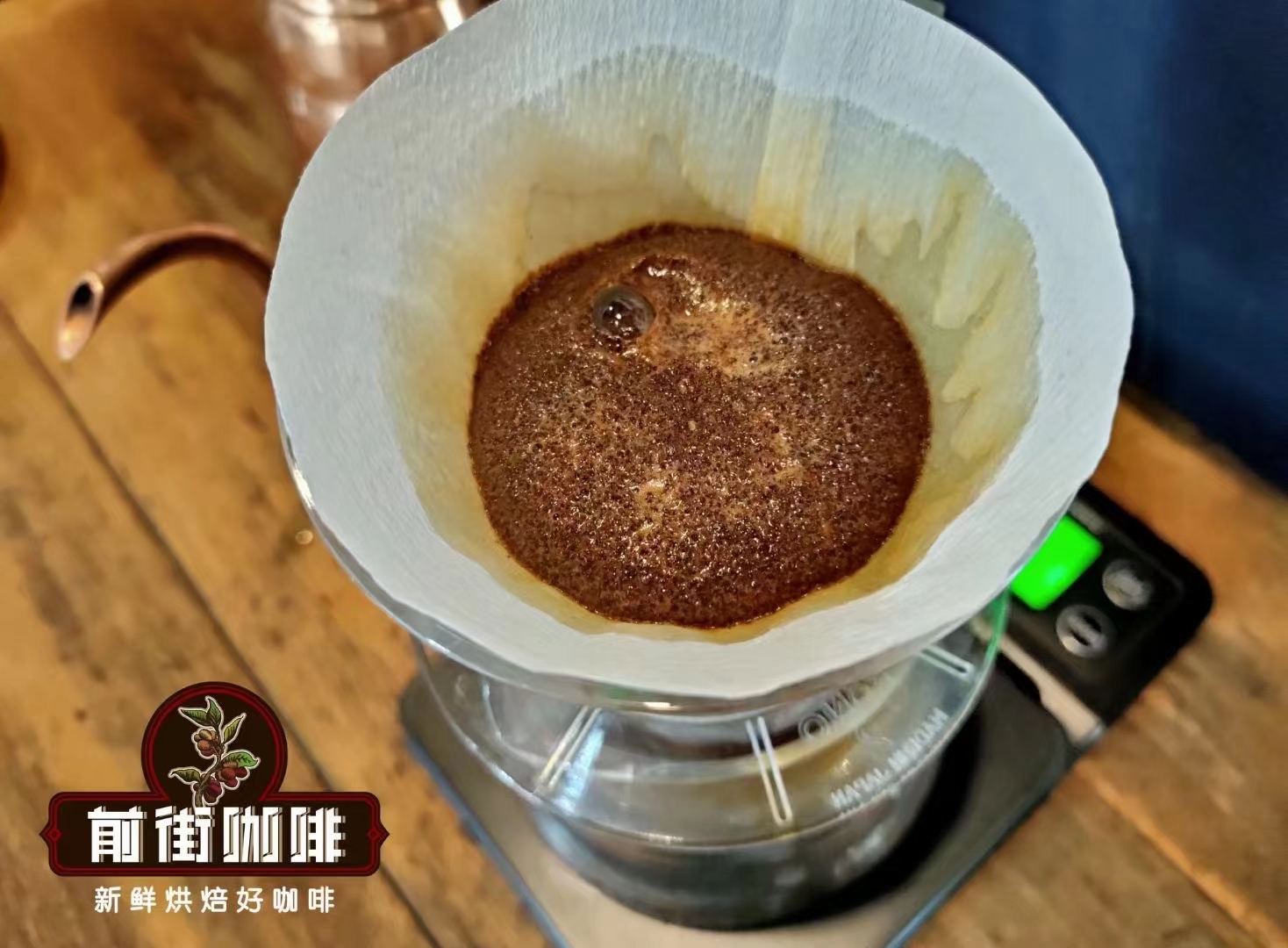 With 88°C water and a 1:10 ratio, add 18 g of medium-fine ground coffee (BG#6M) to the upper chamber, first using high heat to promote thermal convection, then turning to low heat before the coffee liquid returns. After a 40-second first stir, a second quick 5-second stir must be completed before removing the heat. Coffee extracted this way has a silky-smooth mouthfeel, with chocolate and nutty flavors especially prominent.
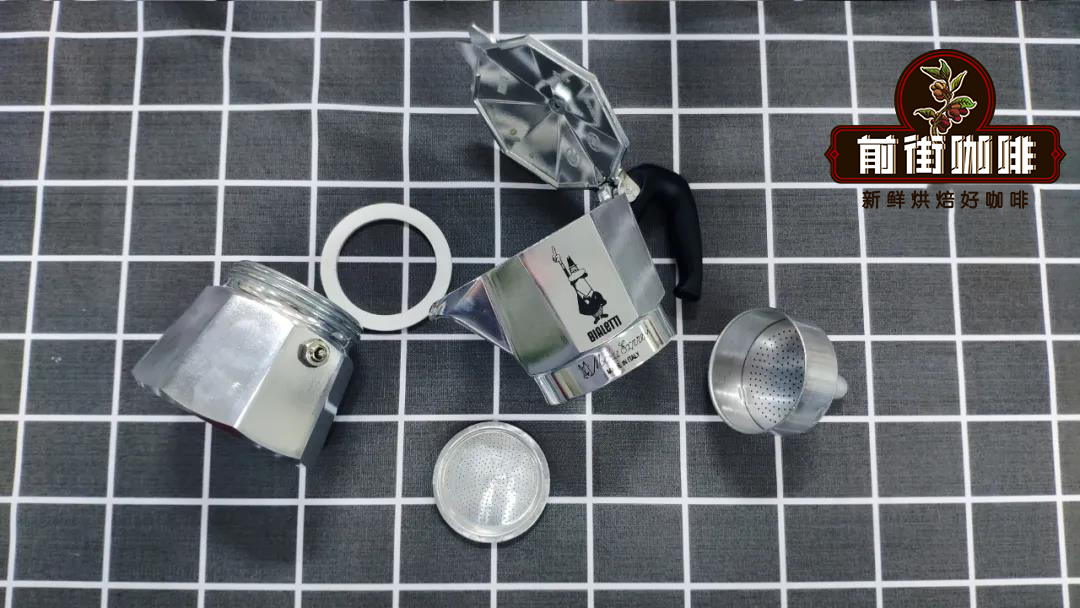
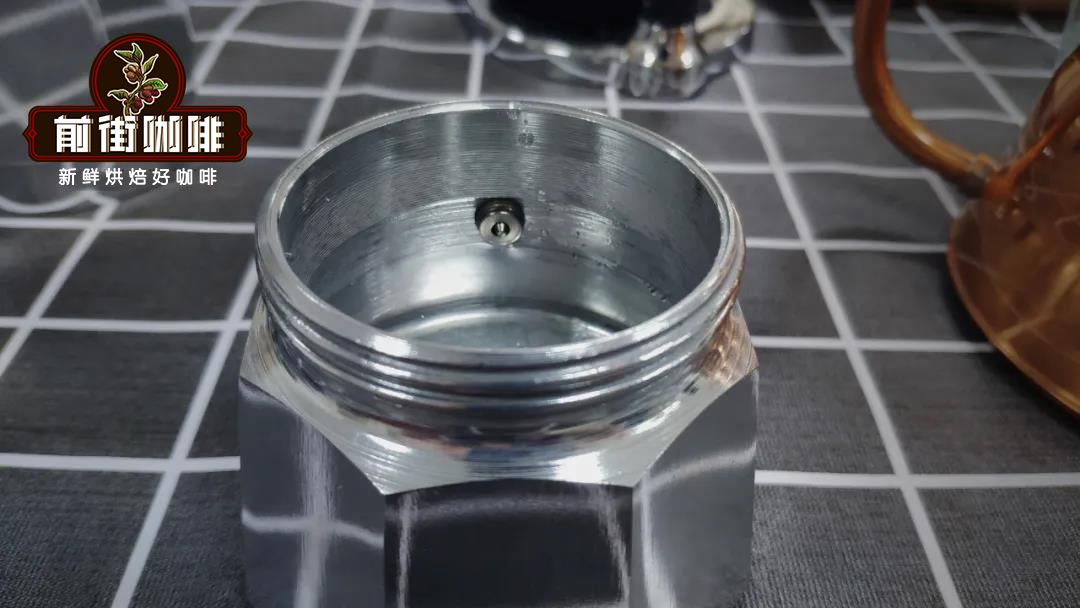
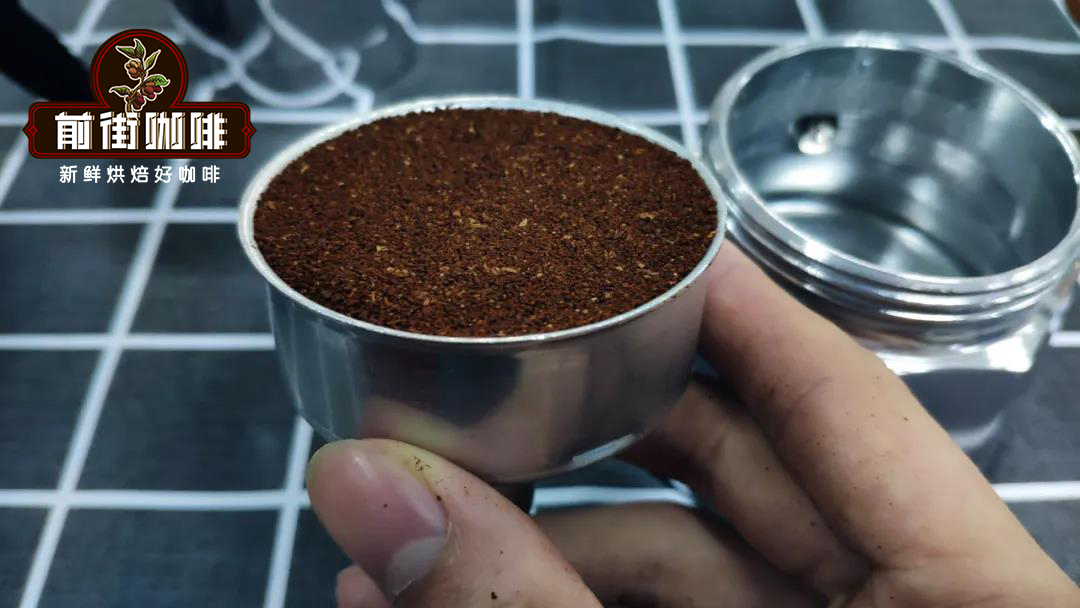
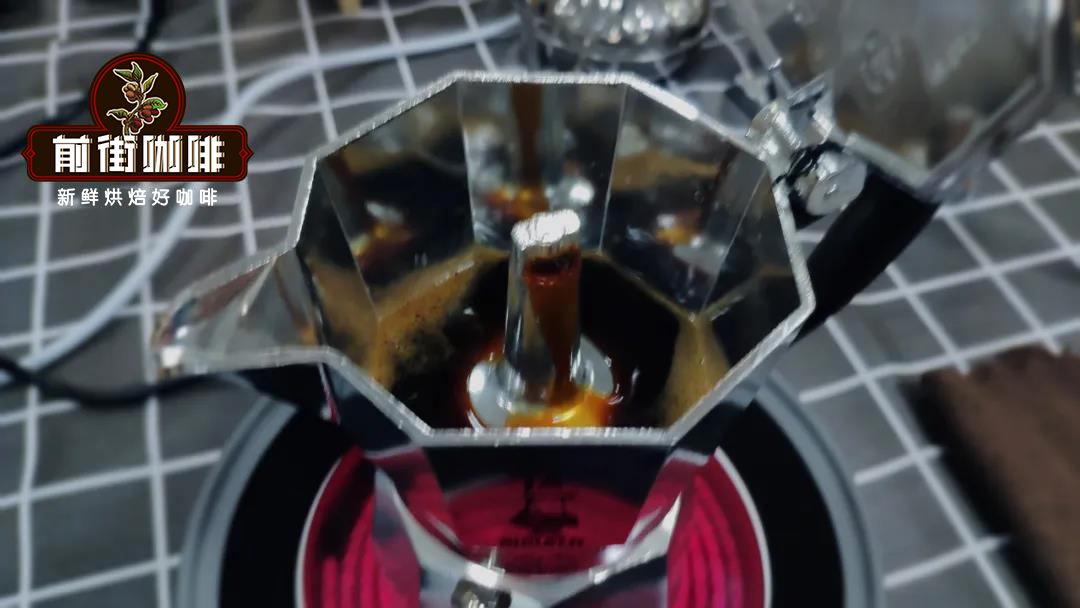
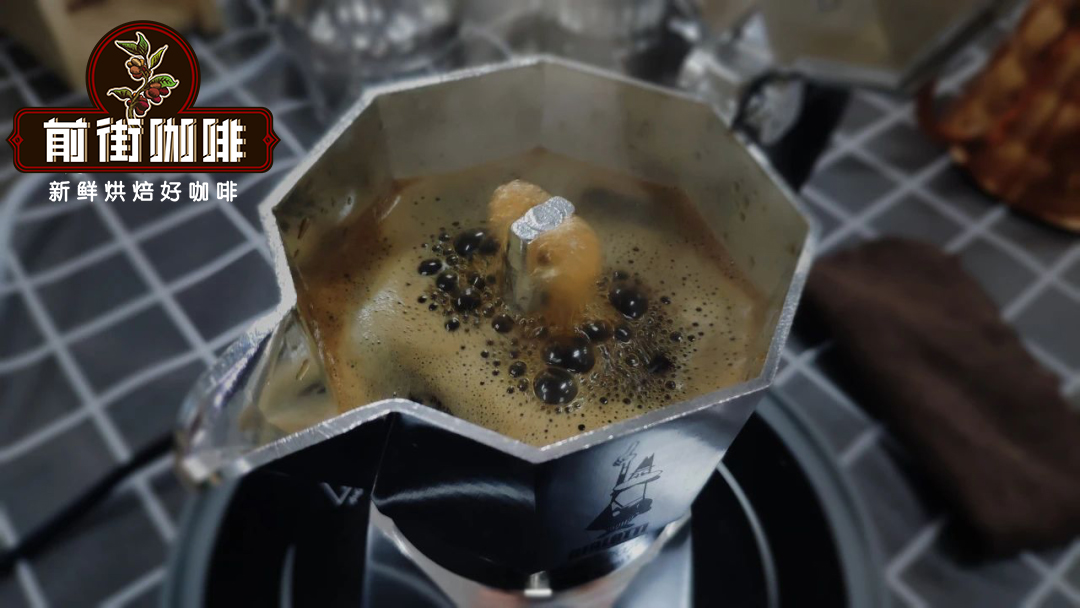
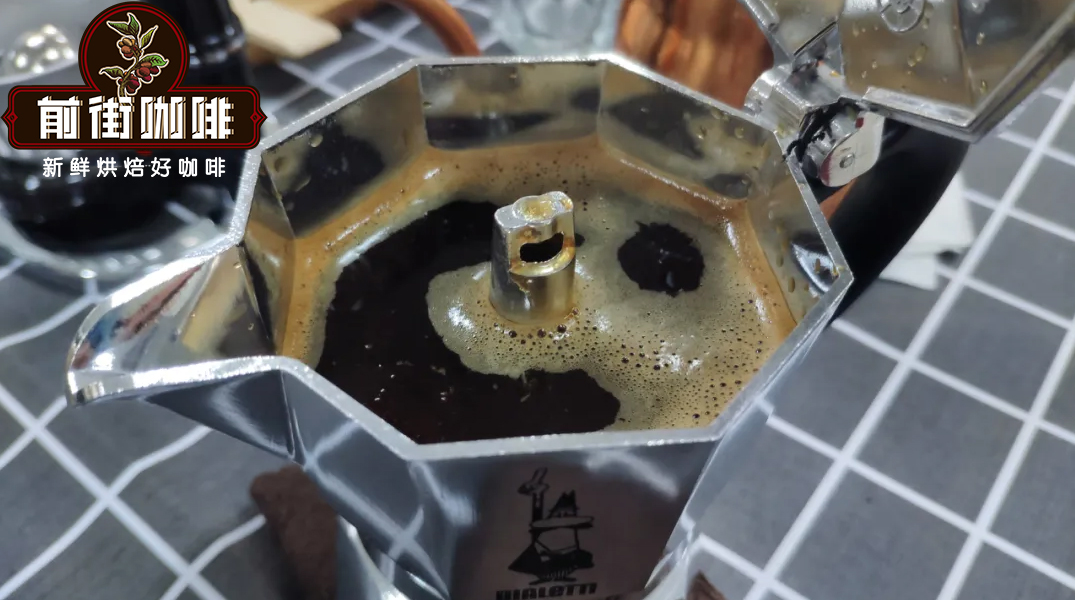
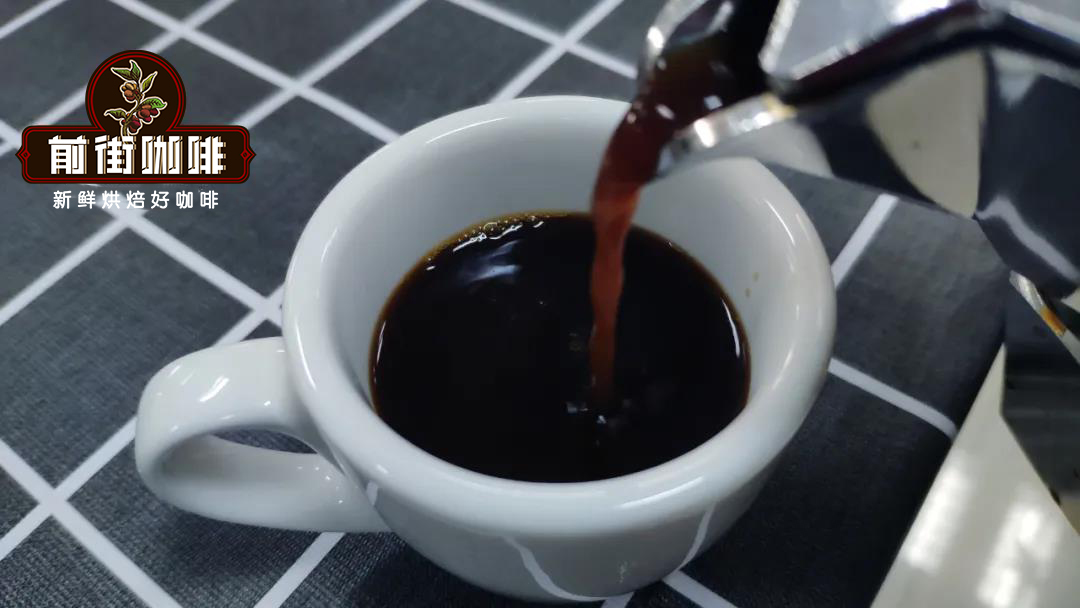
Suggestions for moka pot users: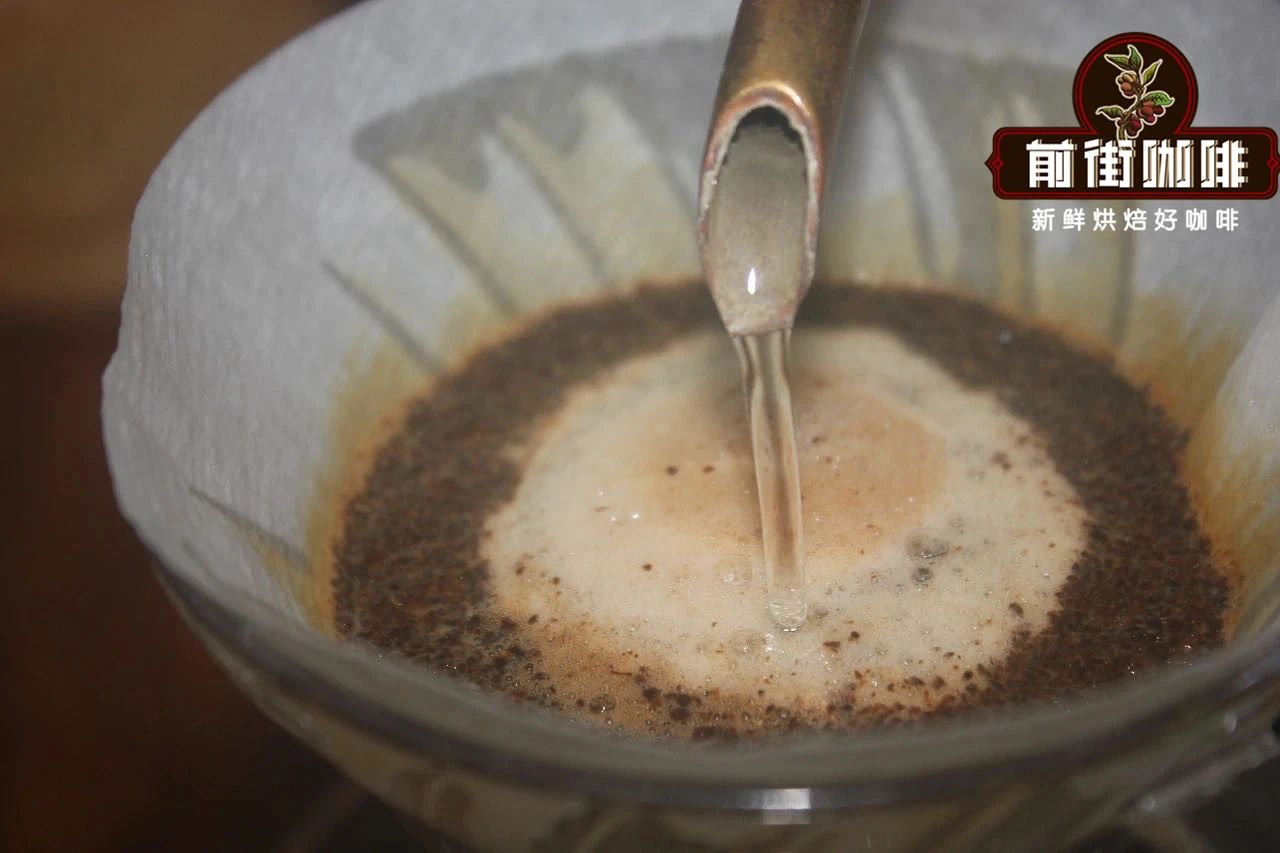 Choose a grind slightly coarser than the Italian standard, and keep the water level 0.5 cm below the pressure relief valve. Heat the lower chamber over medium-low heat before it comes to a vigorous boil, and turn off the heat as soon as a clear steam sound is heard. This device suits those who prefer a rich mouthfeel, intensifying the coffee's creamy texture and caramel finish. A common mistake to avoid: do not tamp the filter cloth excessively, which causes channeling; keep the dose no higher than 2 mm below the rim of the basket.
From growing altitude to processing method, from variety characteristics to brewing variables, Fazenda Rainha coffee demonstrates meticulous management across the entire specialty coffee production chain. Whether for balanced, full-bodied everyday drinking or for specialty tasting that explores a region's terroir, this Yellow Bourbon from the volcanic highlands deserves a place on your coffee experience list.