Pour-Over Water Temperature Guide: Best Brewing Parameters and Flavor Analysis for Different Roast Levels
Introduction: Mastering pour-over coffee hinges on precise control of water temperature and extraction parameters. This article details the flavor impact of the 86-93°C water temperature range on coffee beans of different roast levels, provides practical brewing temperature ranges for light, medium, and dark roasts, and analyzes core variables such as grind size, coffee-to-water ratio, and pouring technique. Includes must-read tips for beginners and common pitfalls to help you accurately reproduce the regional flavor characteristics of coffee beans.
With the spread of specialty coffee culture, more and more coffee enthusiasts are exploring the secrets of pour-over coffee. Water temperature, as a core parameter affecting extraction efficiency, directly influences the balance of acidity, sweetness, and bitterness in coffee. This article analyzes the ideal brewing water temperature for coffee beans of different roast levels from a scientific perspective and provides actionable parameter adjustment plans.
The essence of pour-over coffee is extracting flavor compounds from coffee grounds through a steady stream of water. Under standard atmospheric pressure, hot water penetrates the filter paper and contacts the coffee bed, releasing aromatic compounds through dissolution. This process requires precise control of four core elements: grind size, water temperature, coffee-to-water ratio, and pouring technique, with water temperature having the most direct impact on extraction efficiency.
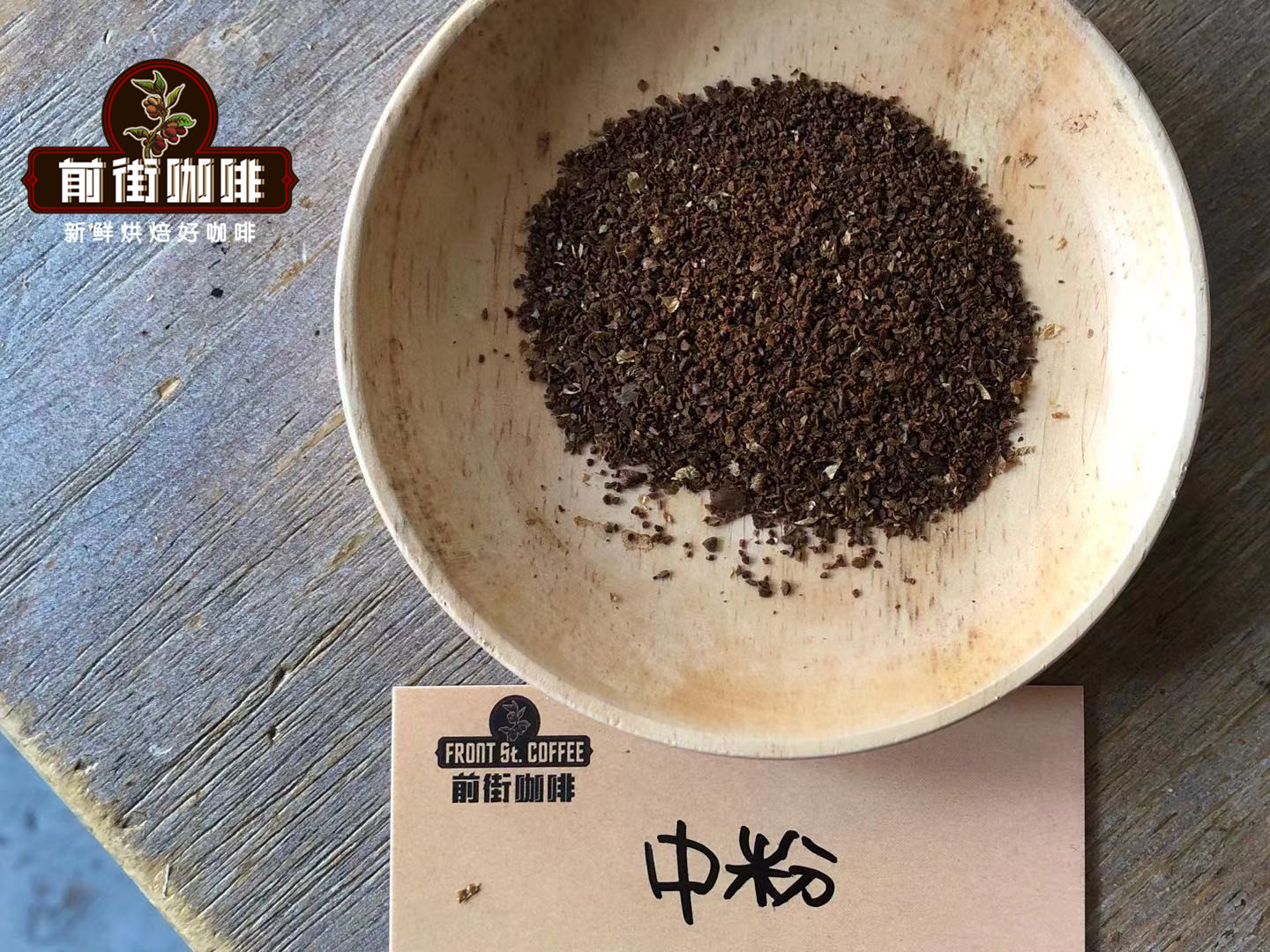
Grind calibration is often overlooked but crucial. It is recommended to use a standard sieve to check grind size; the Specialty Coffee Association of America (SCAA) recommends a cupping grind with a 70-75% pass rate through a No. 20 sieve. In practice, light-roasted beans are suitable for a medium-fine grind with a 75-80% pass rate, similar to fine granulated sugar; dark-roasted beans should be adjusted to a slightly coarser 65-70% range to avoid over-extraction and burnt bitterness.
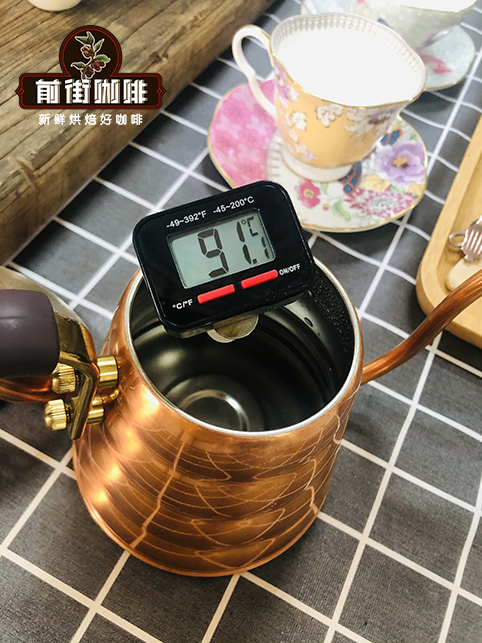
Water temperature control follows the principle of inverse proportionality to roast level: light-roasted beans (such as Ethiopian Yirgacheffe) are recommended at a high temperature of 90-93°C to fully stimulate floral and fruity acidity and high-boiling-point aromatics; medium-dark roasted beans (such as Indonesian Mandheling) are suitable for a low temperature of 86-88°C to prevent woody bitterness from over-extraction. For regular pour-over, it is recommended to maintain the water temperature in the 88-92°C range, with adjustments of ±1°C based on the heat retention of the brewing equipment.
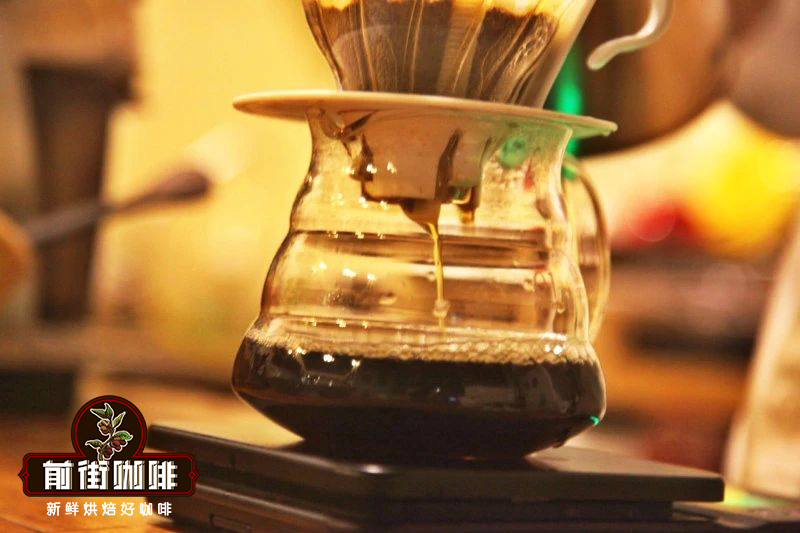
The coffee-to-water ratio directly affects the concentration; 1:15 (e.g., 15 grams of coffee to 225 milliliters of water) is the golden ratio that balances flavor layers and smooth mouthfeel. Advanced brewers can try a 1:13 concentrated ratio to enhance body, or a 1:16 lighter ratio to highlight bright acidity. Using a digital scale for precise measurement ensures consistent brewing parameters each time, which is the key foundation for stable results.
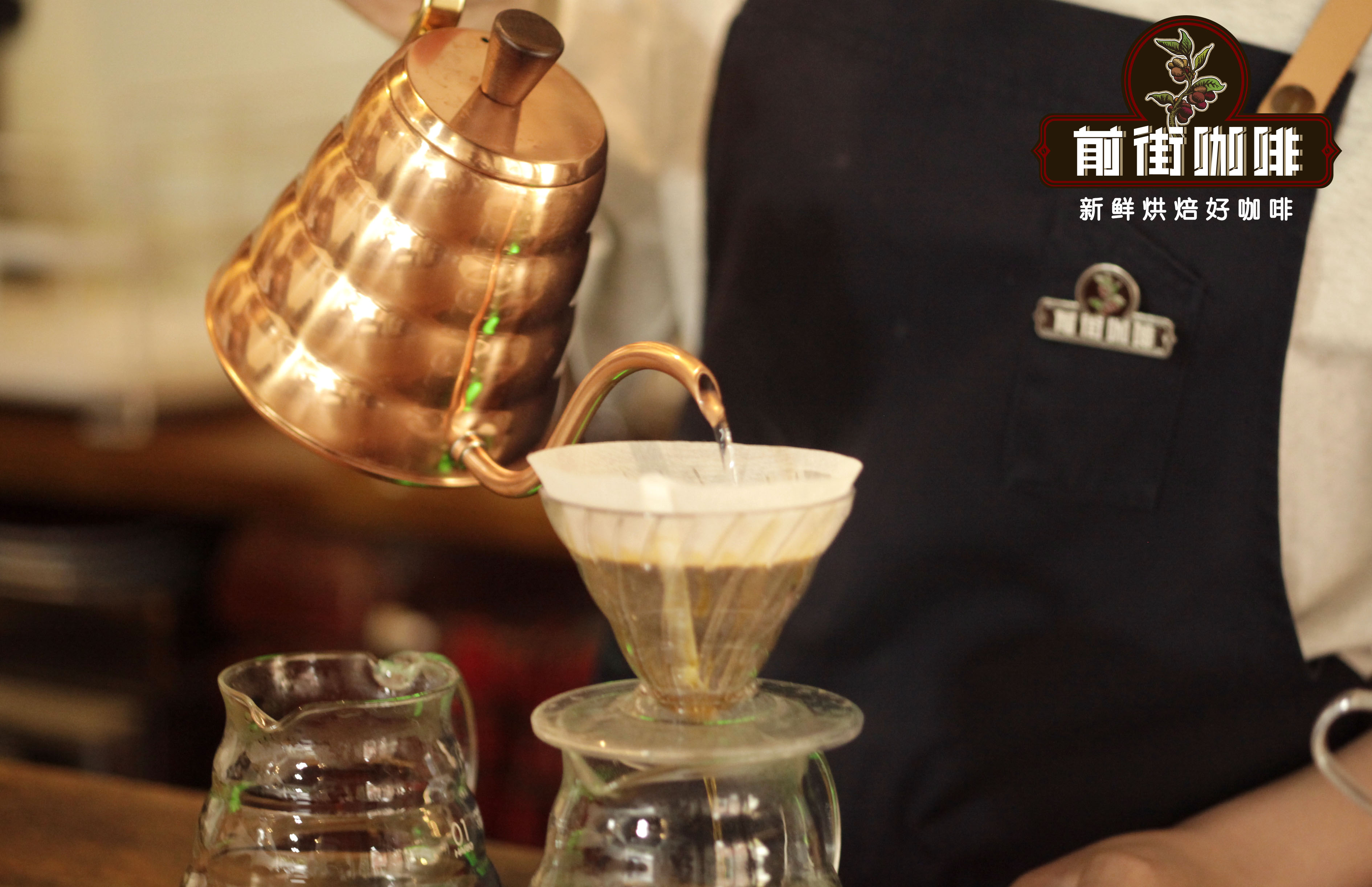
The three-stage pouring method is suitable for beginners: first, pour 30% of the water for a 30-second bloom to awaken the coffee grounds; then, pour 50% of the water in stages to control the flow rate; finally, add the remaining 20% to complete the extraction. Keep the pour steady to avoid disturbing the coffee bed structure; a pour height of 15-20 cm is recommended to create moderate agitation. Maintain a stable water temperature of 92-96°C throughout the process to avoid a sudden drop that affects extraction efficiency.
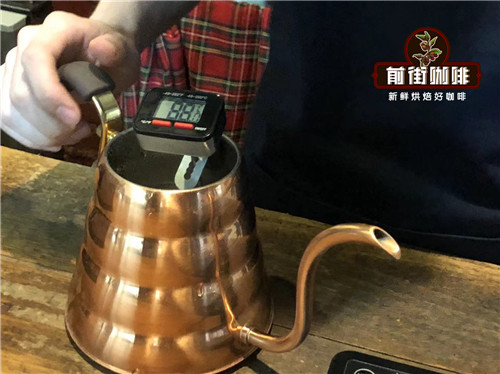
Water temperature alters flavor expression by affecting the dissolution rate of compounds: temperatures above 90°C more easily extract acidic substances and aromatic esters, creating bright citrus notes; a low temperature of 86°C preferentially dissolves bitter polymers and caramelized substances. Experiments show that when the water temperature is below 85°C, caffeine and quinic acid are under-extracted, resulting in a flat and insipid taste; above 94°C, the risk increases sharply, potentially causing excessive release of tannic acid and astringency.
Recommended parameters for different roast levels: light roast (City roast) recommends high-temperature extraction at 90-93°C, focusing on capturing floral and tropical fruit flavors; medium roast (Full City roast) is suitable for a medium temperature of 88-91°C to balance acidity and bitterness; dark roast (French roast) requires a low temperature of 86-88°C for protection, avoiding excessive amplification of smoky notes. When brewing the same bean at different altitudes, adjust the water temperature accordingly to compensate for changes in boiling point.
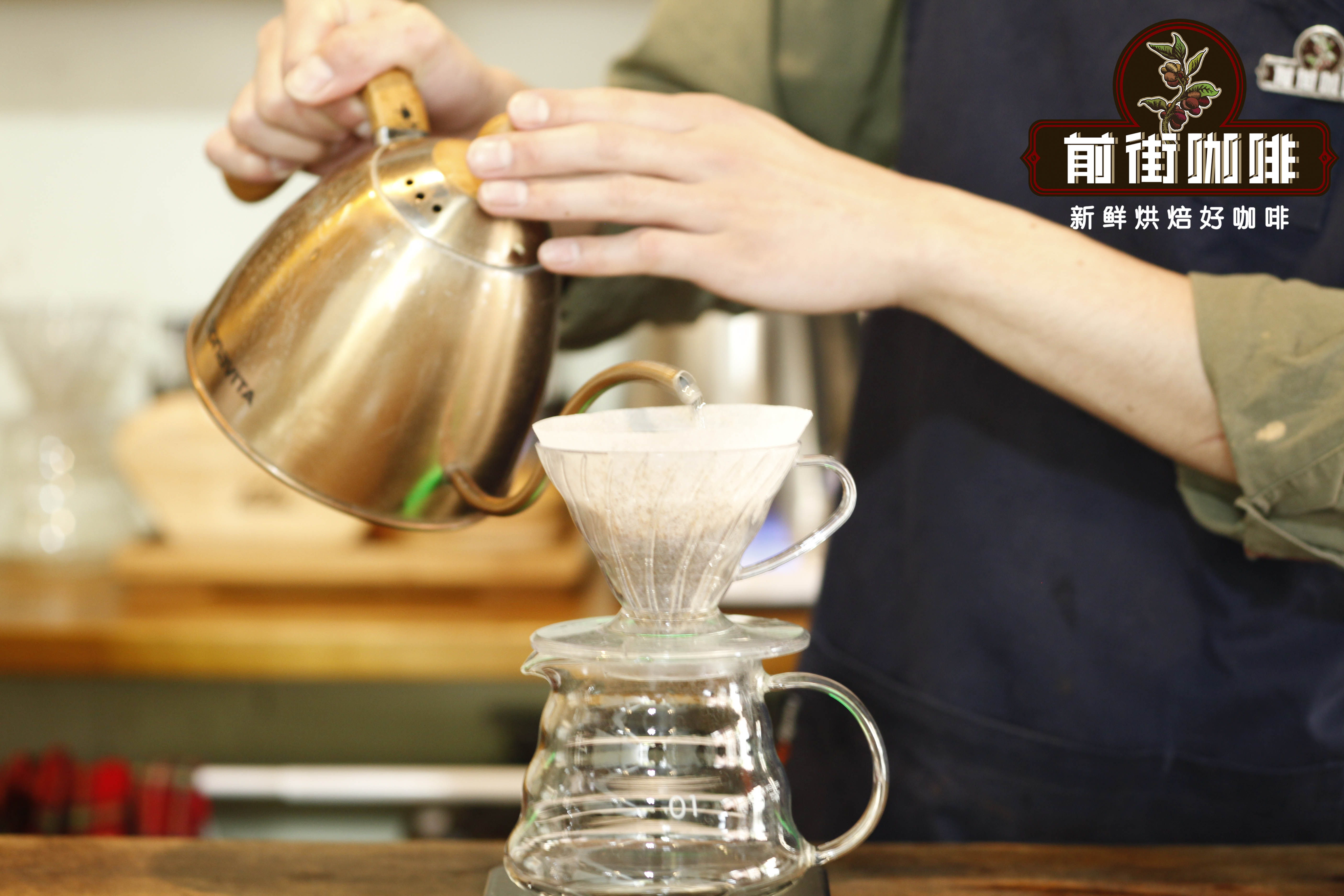
The standard brewing process includes key steps: ① Preheat the filter paper with 88-92°C water to remove papery taste; ② Precisely weigh freshly roasted coffee beans (recommended within 2 weeks of roasting); ③ Start brewing as soon as possible after grinding to prevent aroma loss; ④ Maintain a central spiral pouring path to avoid edge channeling; ⑤ Monitor the total extraction time to 2 minutes 30 seconds to 3 minutes. Note that water hardness should be below 150 ppm to avoid affecting flavor expression.
Common pitfalls to watch out for: never brew directly with freshly boiled water; let it sit for 30 seconds to cool to the appropriate range; do not leave ground coffee exposed to air for long periods; if not used within 15 minutes, reseal it; avoid over-stirring which causes over-extraction; keep the pouring gentle and steady. Regularly calibrate your thermometer and digital scale; the accuracy of these basic tools directly affects the reliability of your parameters.


