Coffee Aroma Terminology: 36 Flavor Descriptors and a Tasting Guide
Introduction: Learning to describe coffee aroma precisely is a key step in improving your coffee tasting ability. This article systematically organizes 36 professional descriptors across three major categories of coffee aroma, covering the full spectrum from defective flavors to fine aromas, and explains in detail techniques for identifying dry and wet aroma as well as key points for cupping practice. By combining scientific classification with practical examples, it helps coffee enthusiasts build a systematic framework of flavor perception and master the skills of expressing coffee's layered complexity with professional vocabulary.
The core of coffee tasting lies in capturing aroma clues through the sense of smell, then verifying overall balance with the sense of taste. Beginners often find it difficult to distinguish complex aromas due to a lack of systematic training, while professional baristas, through long-term aroma practice, can accurately identify the hundreds of volatile compounds released from grinding through extraction. This ability needs to be developed gradually with the help of a standardized aroma description system.
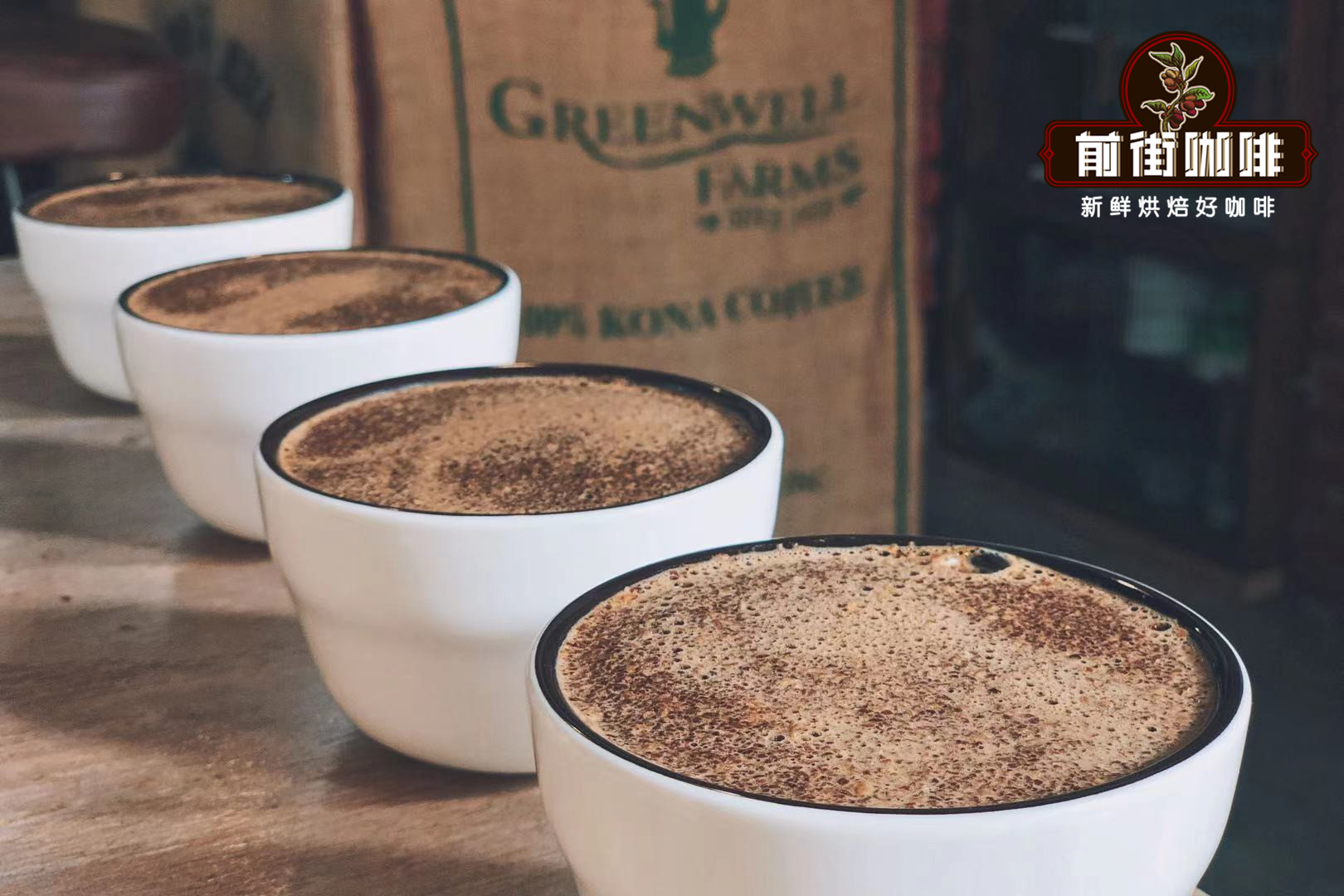
In professional cupping settings, evaluators need to engage both orthonasal olfaction (direct sniffing) and retronasal olfaction (airflow rising during swallowing). The flavor wheel developed by the Specialty Coffee Association divides aroma into three major dimensions: defects (negative indicators), positive flavors (quality characteristics), and processing-derived aromas. Mastering these terms not only enables precise communication of coffee characteristics but is also an important basis for adjusting brewing parameters.

Category One: Defective Flavors (8 types) These reflect problems in green bean processing or storage. Typically, earthy notes may come from over-fermentation in a damp environment, straw suggests insufficient drying, and leather and rubber are mostly found in improperly stored Brazilian beans. Medicinal notes are often caused by fungicide residue, while abnormal protein-like notes such as cooked beef call for vigilance about oxidation on the bean surface.
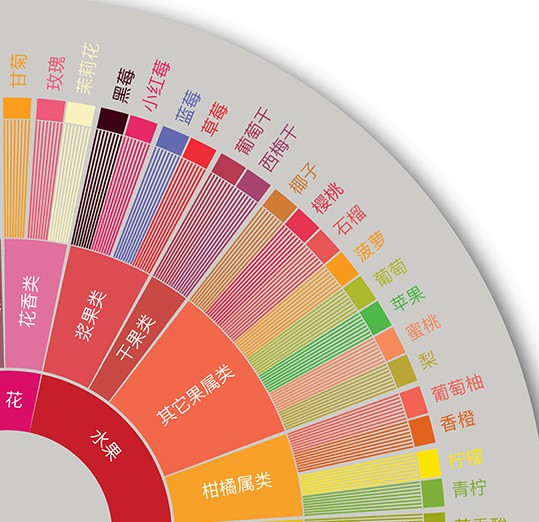
Category Two: Enzymatic Flavors (9 types) These reflect fresh fruit characteristics and freshness. Lemon and apricot represent bright citrus notes, red currant jam shows high acidity and brightness, and honey indicates the potential for sugar conversion. It is worth noting that potato-like earthy notes, although belonging to this category, are negative indicators and need to be distinguished from the freshness of peas.
Category Three: Caramelization and Dry Distillation Flavors (19 types) These form the full-bodied base of coffee. Vanilla and cream come from the Maillard reaction of sucrose, and nutty aromas such as roasted almond are products of amino acid degradation. Woody notes such as fir cedar are common in dark-roasted beans, while black currant combines both sweet and sour characteristics. Professional roasters control the proportion of these aromas by adjusting development time.
During actual tasting, it is recommended to capture aroma in stages: smell the dry aroma immediately after grinding (volatility is strongest in the first 15 minutes), and focus on the wet aroma 30 seconds after pouring water (steam releases more aromatic substances). When slurping, let the coffee atomize and cover the entire mouth, paying special attention to the sensitivity of the back of the tongue to bitter aromas.
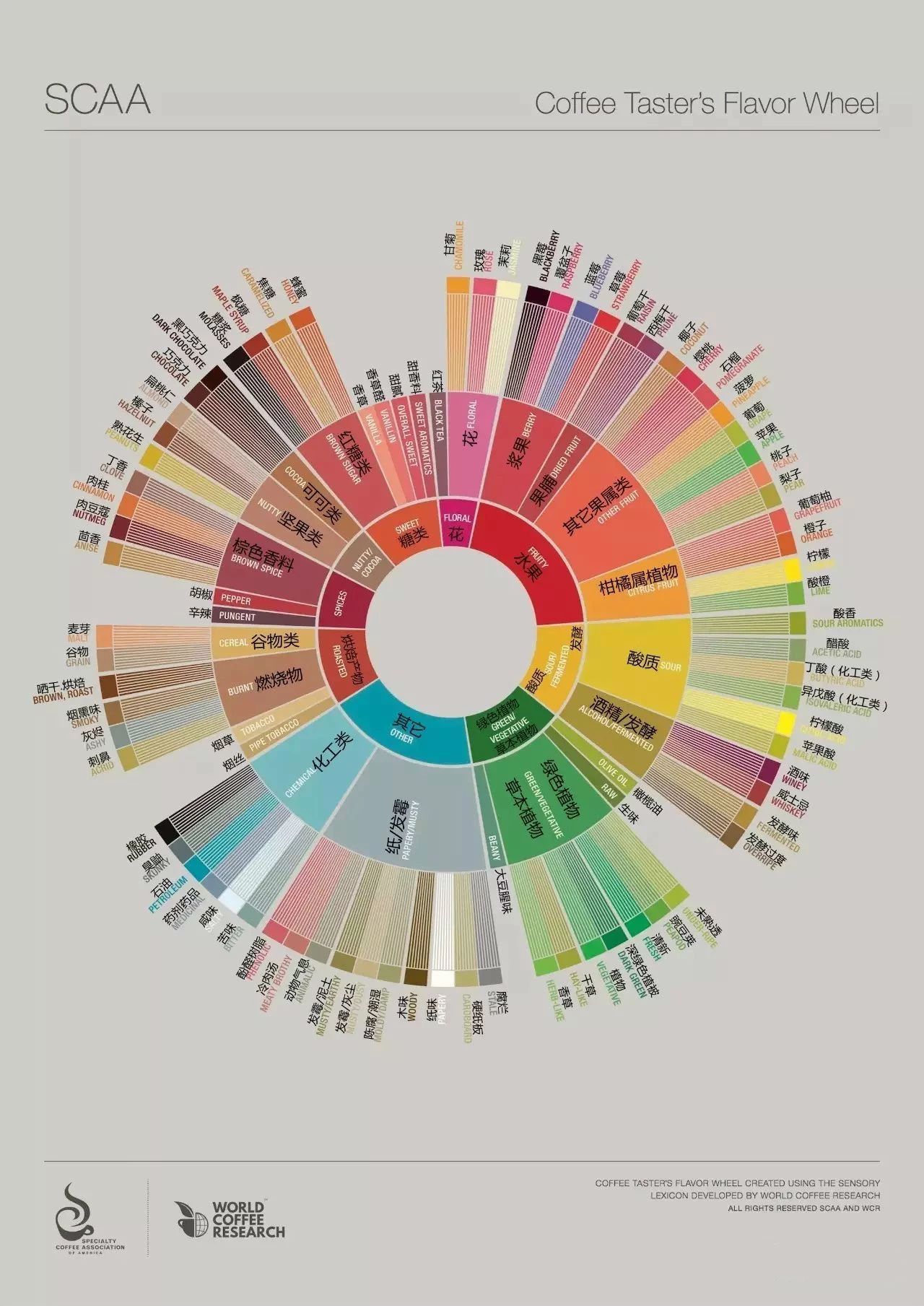
Coffees from different regions present unique aroma characteristics: Ethiopian beans often carry berry notes such as blueberry, Colombian medium-light roasts tend to highlight herbal notes such as basil, and the nutty chocolate base of Brazilian beans needs high-temperature brewing to be brought out. Sherry-barrel fermented beans from Honduras even display the complex aromas of whiskey and caramel.
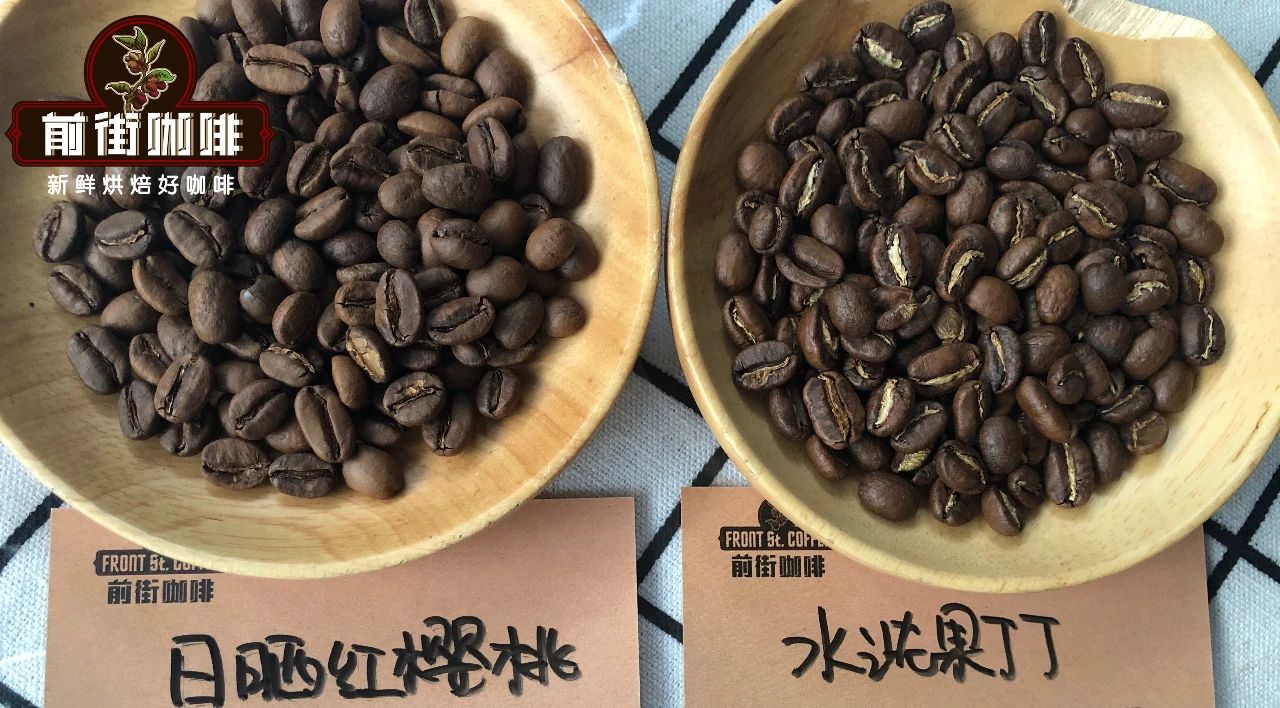
For advanced practice, blind tasting can be combined with the flavor wheel: randomly select descriptor cards and check off matching items against actual brewing experiences. Common misconceptions include mistaking smoky notes for roasted aroma, or confusing the acidity differences between lemon and lime. It is recommended to keep a personal aroma notebook recording the characteristic changes brought by different processing methods (natural/washed).
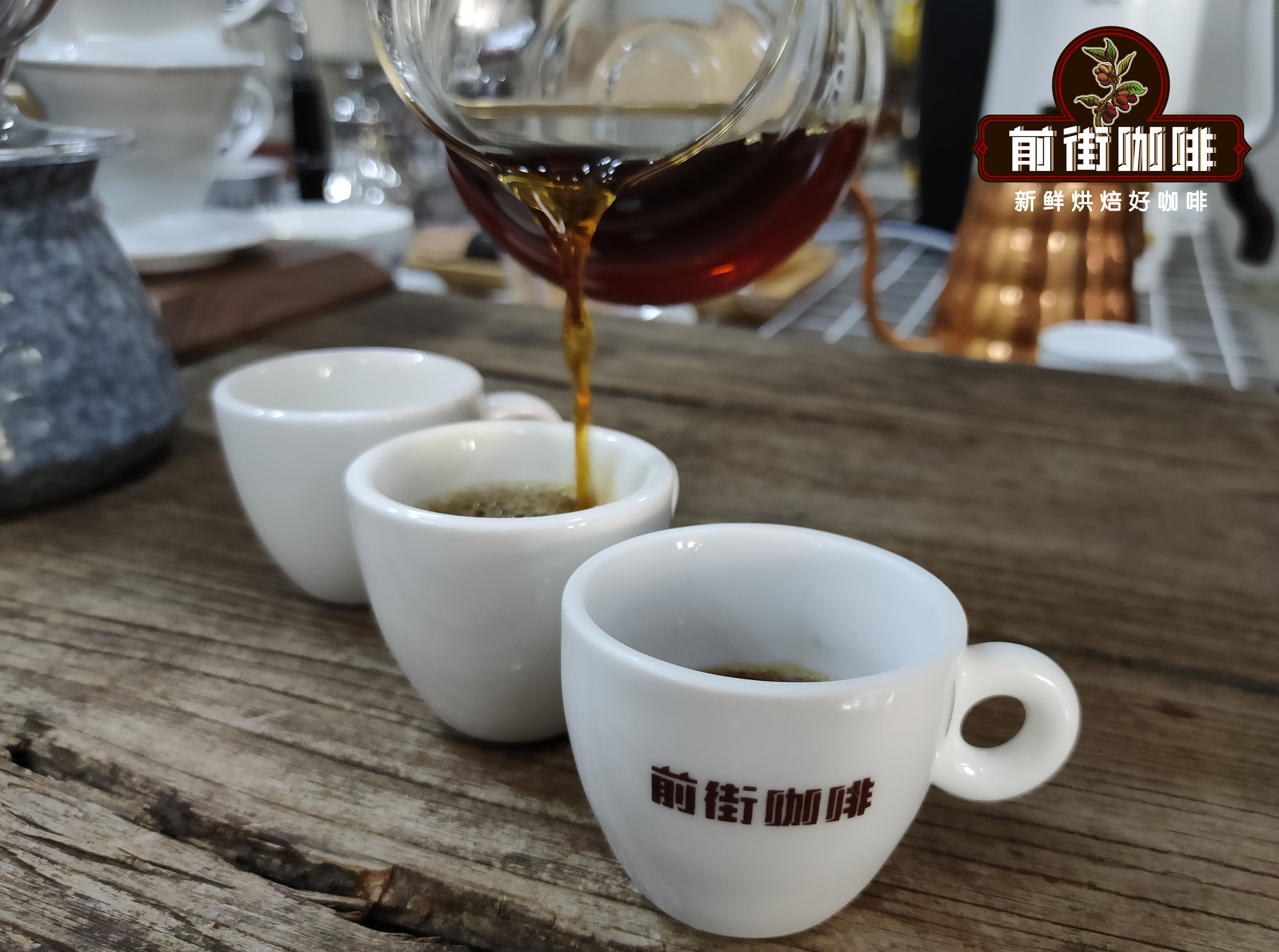
The aroma layers of high-quality coffee should evolve dynamically with temperature: the high-temperature stage highlights floral and fruity aromas and acidity, while after cooling, sweetness and body gradually emerge; the longer the finish lingers, the more complete the extraction. Remember, continuous practice and systematic record-keeping are the best ways to unlock the code of coffee flavor.