Why Coffee Beans Must Be Roasted: Light Roast Single-Origin Picks and Pour-Over Guide
Introduction: From green raw beans to aromatic roasted beans, roasting is the key step that awakens coffee flavor. This article explains the flavor differences among light, medium, and dark roast types, focuses on how light roasting preserves floral and fruity notes, and includes the flavor characteristics and practical pour-over parameters of three high-value light roast beans to help you precisely reproduce bright citrus acidity and a fresh taste.
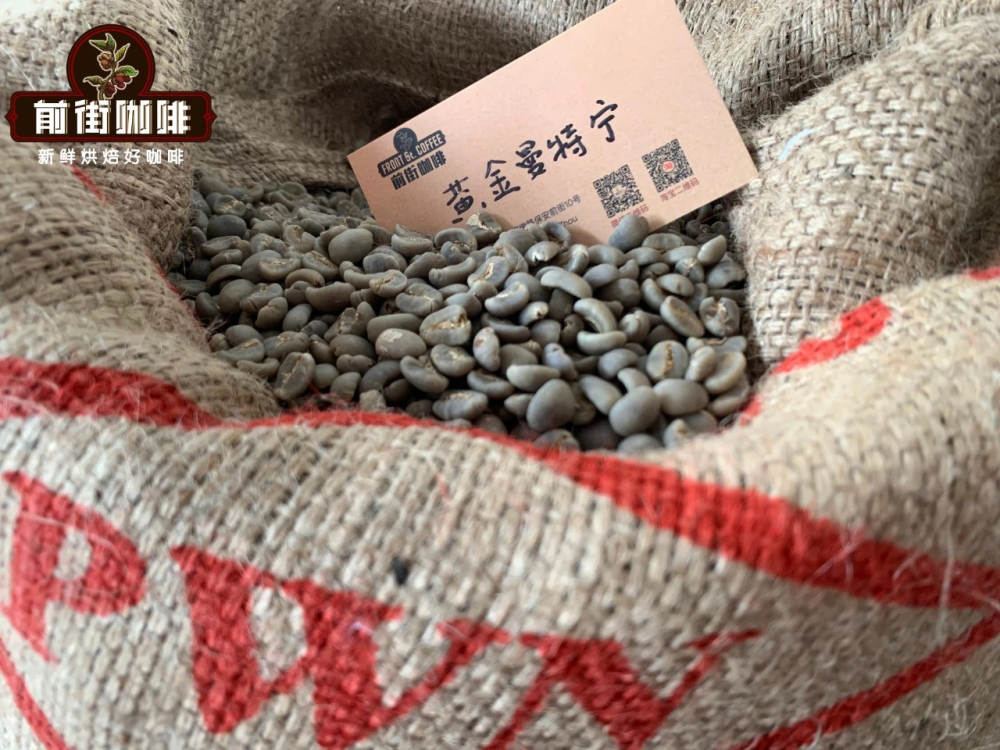
Coffee beans are essentially the seeds of the coffee fruit. After picking, they must undergo processing steps such as depulping, fermentation, and drying to finally become green beans with a moisture content of about 11%-12%. At this stage, green beans carry only grassy and grain-like aromas, and coffee's signature aromas and flavor compounds have not yet formed. Through a roasting process that precisely controls temperature and time, a series of chemical changes such as the Maillard reaction and caramelization occur inside the green beans, converting starches into sugars and breaking proteins down into amino acids, ultimately producing hundreds of aromatic compounds that give coffee its unique aroma.
According to the internationally common roast degree classification system, commercial roasted coffee beans are usually divided into three major categories: light, medium, and deep, which can be further subdivided into eight professional roast levels (such as Light Roast to Italian Roast). Looking at products on the market, the mainstream consumer market tends to simplify them into the following three categories:
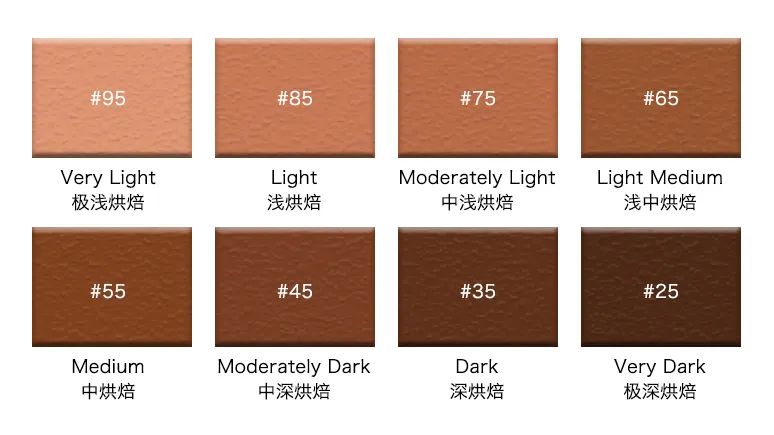
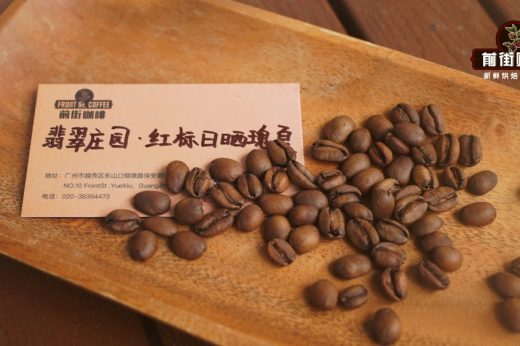
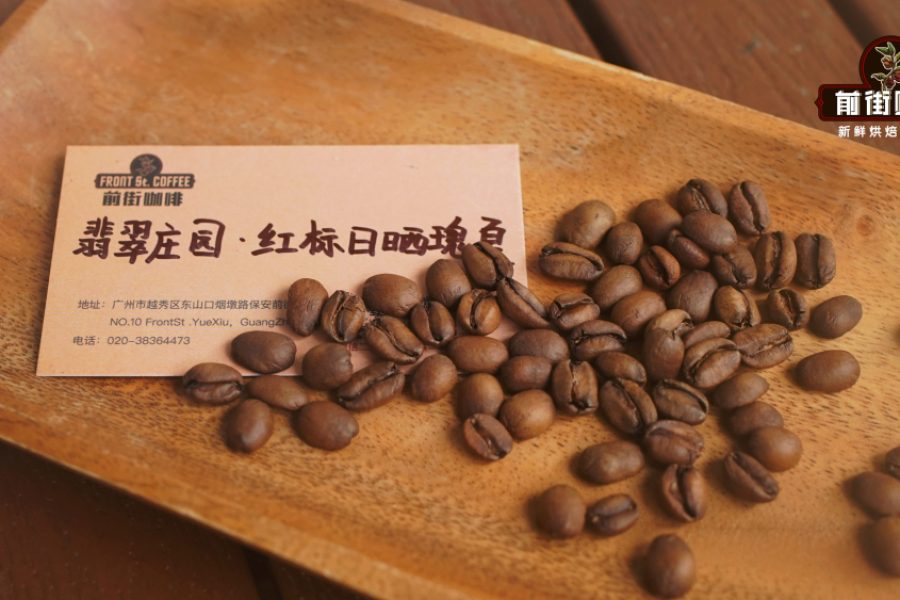
Light roast (early first crack to the dense stage): The drop time is chosen when dense cracking sounds appear in the bean body after the first crack begins, at which point the bean surface shows a soft cinnamon tone. This stage successfully removes the green, grassy taste of raw beans; the acidity is bright and lively, often accompanied by citrus fruit, white floral, or delicate honey notes, making it especially suitable for pour-over enthusiasts who pursue floral and fruity notes. This roast degree effectively preserves the coffee beans' original flavor characteristics and is a common choice in the specialty coffee field.

Medium roast (end of first crack to early second crack): When the drop time falls in the golden window between the end of the first crack and the beginning of the second crack, the bean surface turns light brown. This roasting method balances acidity and bitterness, retaining some bright acidity while developing the sweetness brought by caramelization reactions, for an overall round and full mouthfeel. Typical flavors include caramel sweetness, nutty notes, and a moderate chocolate finish. It is the general roast style most easily accepted by most consumers and suits a variety of brewing methods.
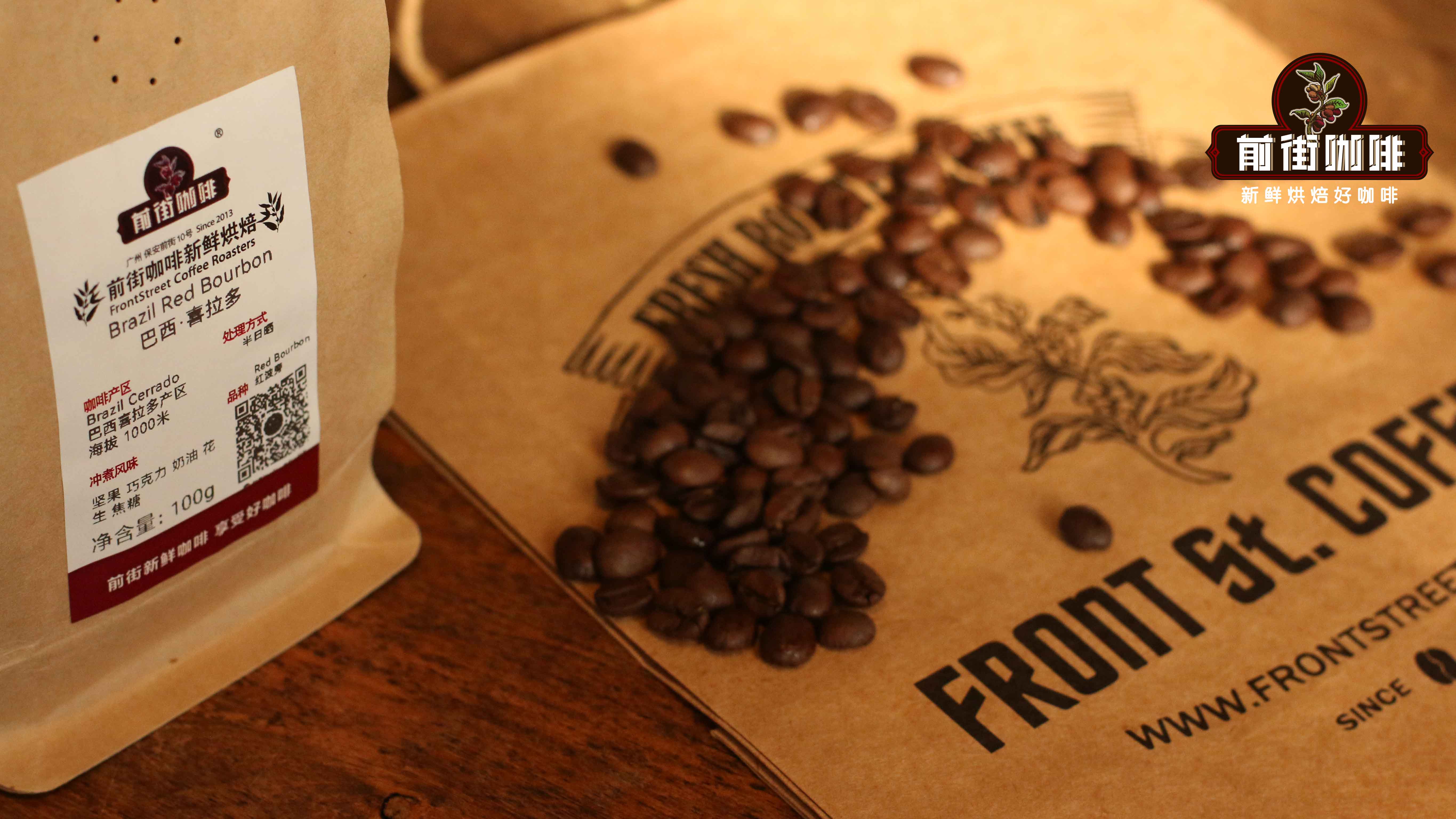
Dark roast (late second crack to oil on the bean surface): The drop time is chosen after the end of the second crack until the bean surface shows a glossy black, when the bean body's fibers approach the critical point of carbonization. This type of roast strengthens bitter compounds and roasted aromas, forming the signature blend of dark chocolate and caramel flavors, with an intense, heavy mouthfeel. Because it can withstand high-temperature, high-pressure extraction, it is especially suitable for making espresso and is a classic choice in Italian coffee culture.
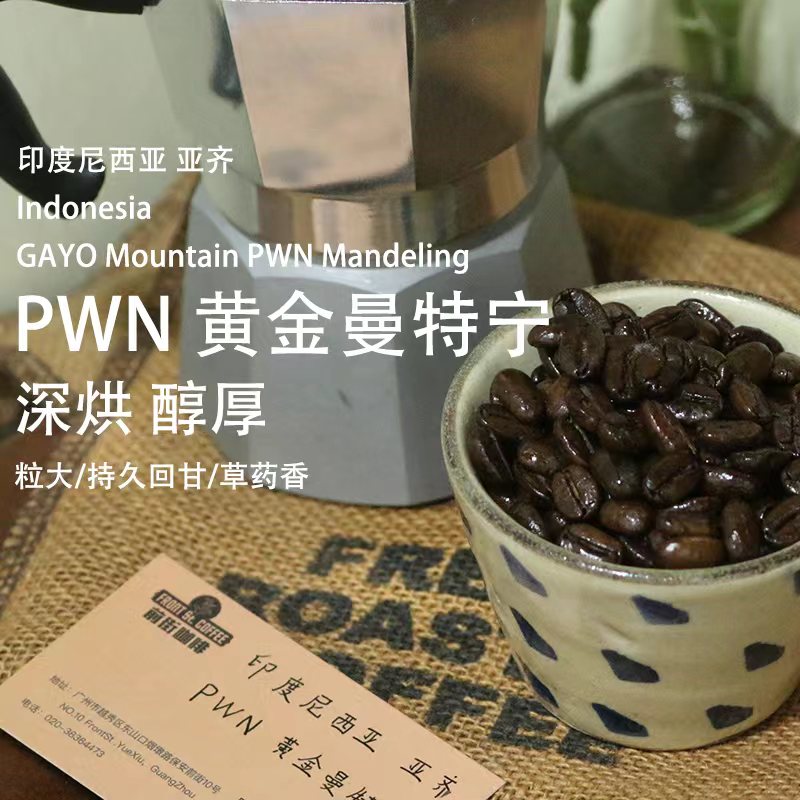
For consumers who prefer fresh floral and fruity flavors, light roast coffee beans are an ideal choice. These beans usually show higher acidity liveliness and aroma complexity. It is recommended to pair them with a medium-fine grind (about 75%-80% passing through a No. 20 sieve) and medium-high temperature water (90-94°C) for pour-over extraction to fully bring out their bright citrus acidity and multi-layered fruit aromas.

Examples of typical flavor characteristics of light roast beans:
• A certain Ethiopian natural-process bean: bright citrus-juice-like acidity on entry, accompanied by jasmine floral notes and fermented wine aromas; stone fruit flavors emerge in the middle, and the finish carries honey sweetness and a slight almond nuttiness.
• A certain Kenyan washed-process bean: wet aroma with ripe tomato and white peach blossom; on entry, a balanced sweet-tartness of cherry tomato and blackcurrant stands out; in the middle and late stages, black tea notes and brown sugar sweetness develop, with a lingering finish and a fresh green tea aroma.
• A certain Panama hybrid bean: berry sweet-tartness interwoven with floral and black tea base notes; the citrus note is mild and not sharp; the overall mouthfeel is smooth and fluid, with very low bitterness and a faint nutty aroma in the finish.


Basic pour-over operation suggestions:
• Coffee-to-water ratio: 1:15 (for example, 15 grams of coffee to 225 milliliters of water)
• Grind: medium-fine (recommended that powder passing through a standard No. 20 sieve account for about 78%)
• Water temperature control: 91-93°C (fine-tune according to the specific bean)
• Dripper choice: V60 conical dripper (facilitates even water flow through the bed)
• Pouring technique: bloom with 30 grams of water for 30 seconds to awaken the coffee, then pour in two stages to the 125-gram and 225-gram marks, with total extraction time controlled at about 2 minutes. Be careful to maintain a steady pouring rate and avoid over-stirring, which can cause over-extraction.