Coffee Bean Flavor Guide: Varieties and Picks for Older Adults
Introduction: From flavor characteristics to varietal differences, this comprehensive guide breaks down the acidity, sweetness, bitterness, and saltiness of coffee beans and their relationship with roasting, and takes an in-depth look at high-quality coffee types suitable for middle-aged and older adults. Whether you are a coffee novice or a consumer hoping to choose a suitable beverage for elders, this guide will help you select beans precisely and enjoy a healthier coffee experience.
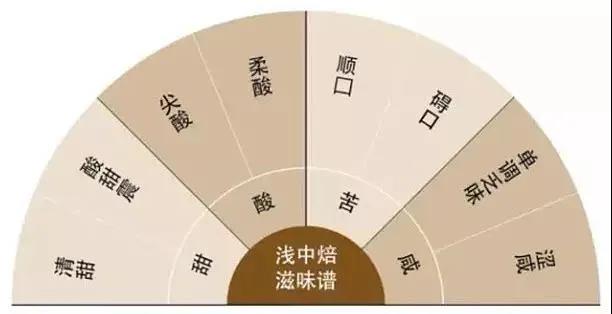
Faced with a dazzling array of coffee bean choices, many people are often confused about how to select beans that suit them based on flavor. Coffee flavor revolves mainly around the four basic tastes of acidity, sweetness, bitterness, and saltiness, among which spiciness does not fall within the taste category of coffee. Understanding how these basic flavors present themselves is the first step in interpreting coffee's complex layers.
{{IMG}}
The acidity spectrum is a distinctive feature of light to medium roasts. Coffee beans naturally contain organic acids such as phenolic acids, aliphatic acids, and amino acids, among which citric acid and malic acid are commonly found in green beans from high-altitude growing regions. As roasting progresses, acetic acid and lactic acid produced by sucrose degradation reach their peak in the light-to-medium roast stage, but over-roasting causes acidic compounds to decrease sharply. Light roasting better preserves this fresh acidity, giving coffee a bright citrus character.
{{IMG}}
The bitterness spectrum is divided into pleasant and unpleasant types. The slight bitterness brought by moderate caffeine and quinic acid is a benign bitterness, while chlorogenic acid lactones produced by the degradation of chlorogenic acid and scorched particles from defective beans cause an unpleasant heavy bitterness. During dark roasting, improper heat control can easily produce carbonized bitterness. Specialty coffee usually balances bitterness through precise control of the roasting curve.
{{IMG}}
The sweetness spectrum is often masked by other tastes, but high-altitude washed beans grown above 1,300 meters can accumulate more sugar. When the ratio of acidity to sweetness is harmonious, the so-called "sweet-and-sour sensation" effect occurs—a complex sweetness similar to that of ripe fruit. This trait is especially pronounced in light to medium roasted Ethiopian or Colombian beans, and retronasal olfaction can capture more caramelized aromas.
{{IMG}}
The appearance of the saltiness spectrum is usually a warning sign of quality. When coffee is stored for too long and organic substances oxidize, the mineral salt taste originally masked by acidity and sweetness becomes apparent. Freshly roasted high-quality coffee should present a clean layering of tastes; if you taste obvious saltiness or astringency, it is advisable to check the roast date or storage conditions.
{{IMG}}
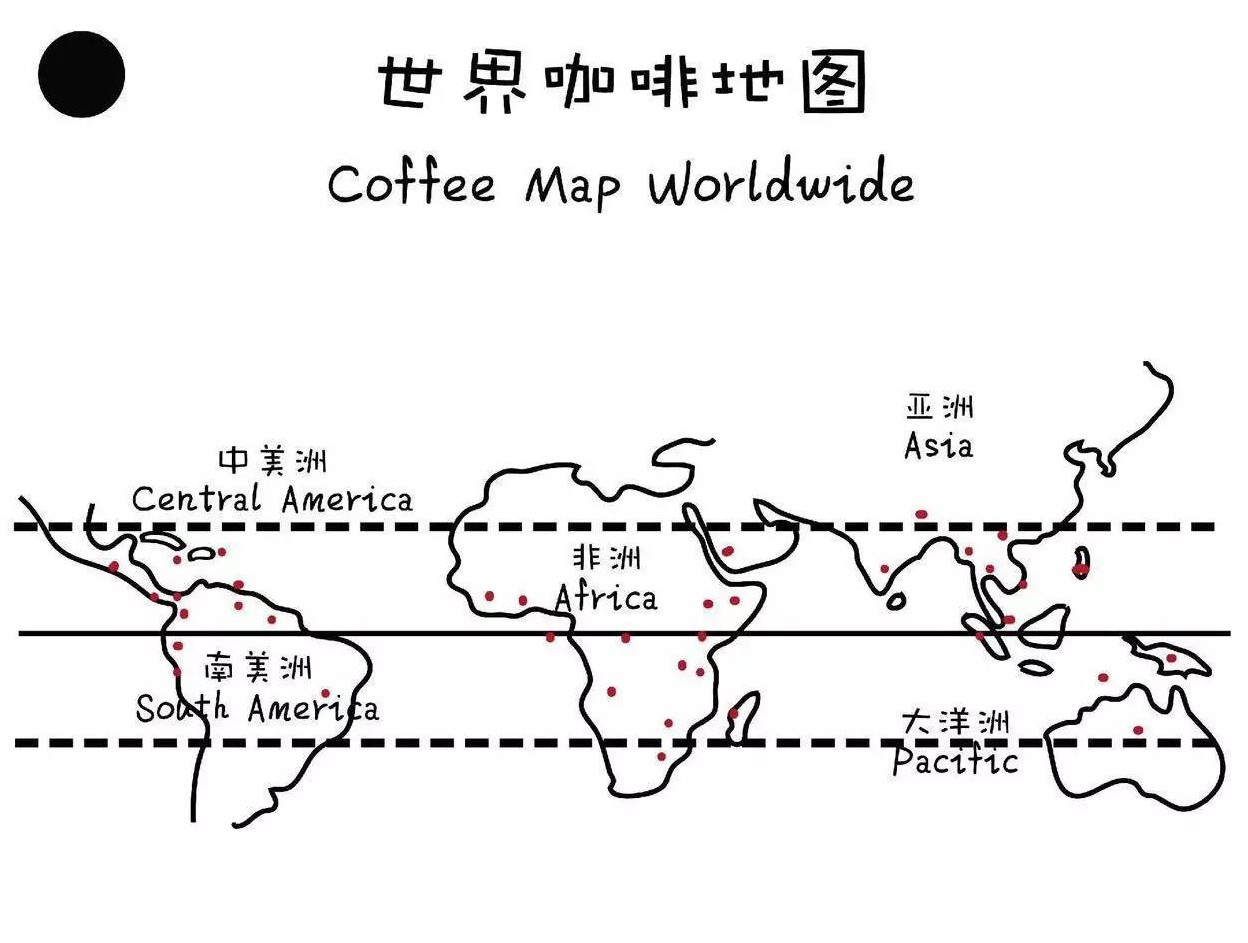
Coffee flavor and roast level are inextricably linked. Take the three major producing regions as examples: African beans (such as Ethiopian and Kenyan) generally have bright citrus and berry acidity, and are suited to light roasts (from the dense stage of first crack to its end, at roughly 88-90°C drum temperature) to highlight their floral and fruity aromas; Asian beans (such as Indonesian and Vietnamese) have herbal and spicy undertones, and medium-dark roasts (developed 1-2 minutes after first crack, at roughly 85-87°C) can intensify their full-bodied mouthfeel; American beans (such as Brazilian and Guatemalan) combine nutty and chocolatey base notes, and medium roasts (from the start of first crack to its dense stage, at roughly 86-88°C) can achieve a balanced expression.
{{IMG}}
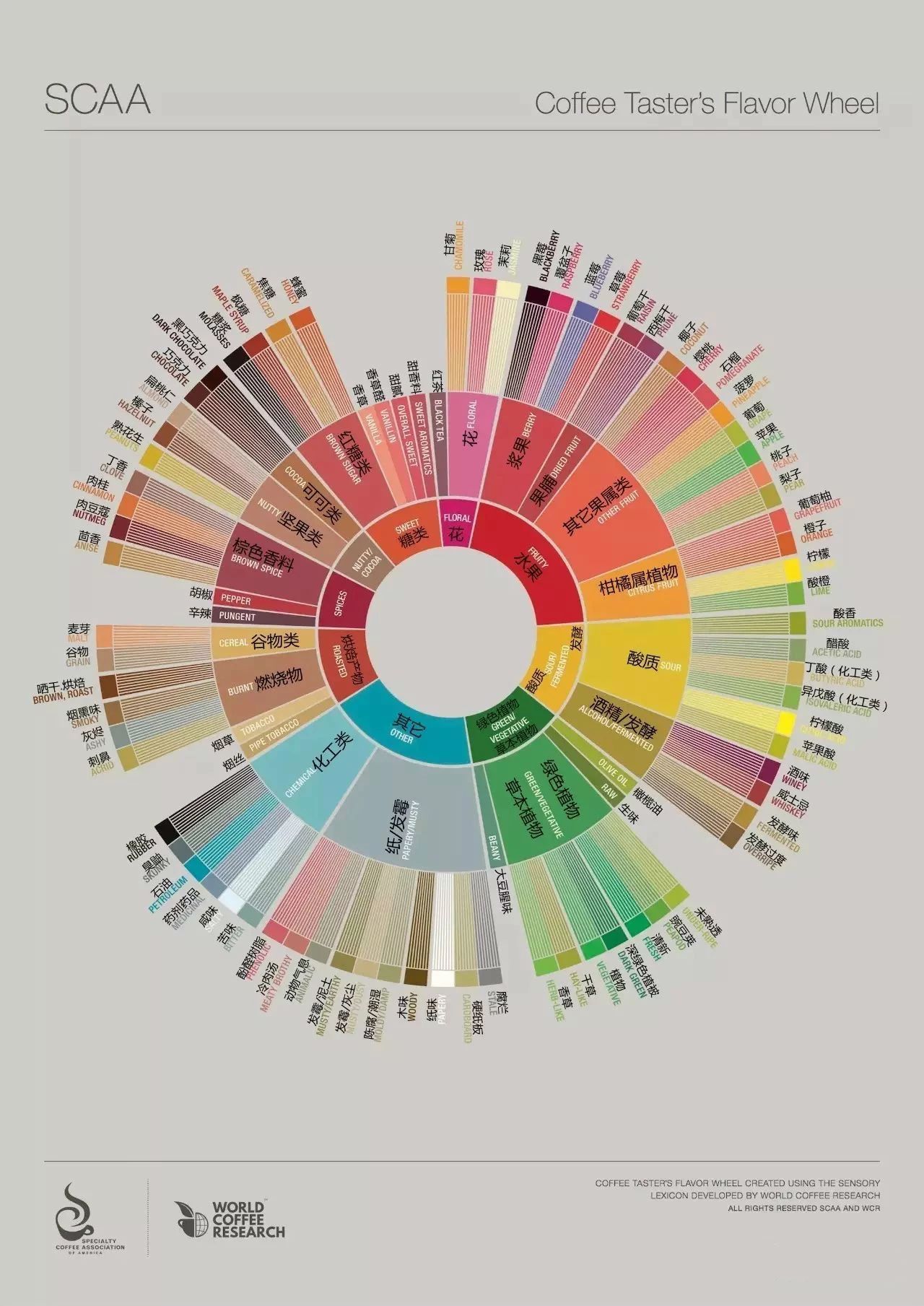
The scientific tool for interpreting coffee flavor is the flavor wheel. This chart, drawn by coffee experts, subdivides flavor into 36 typical categories, including specific descriptors such as citric acidity, wine-like acidity, caramel sweetness, and dark chocolate bitterness. Auxiliary tools such as Le Nez du Café can help train olfactory identification, for example, distinguishing the subtle difference between grapefruit acidity and lime acidity.
{{IMG}}
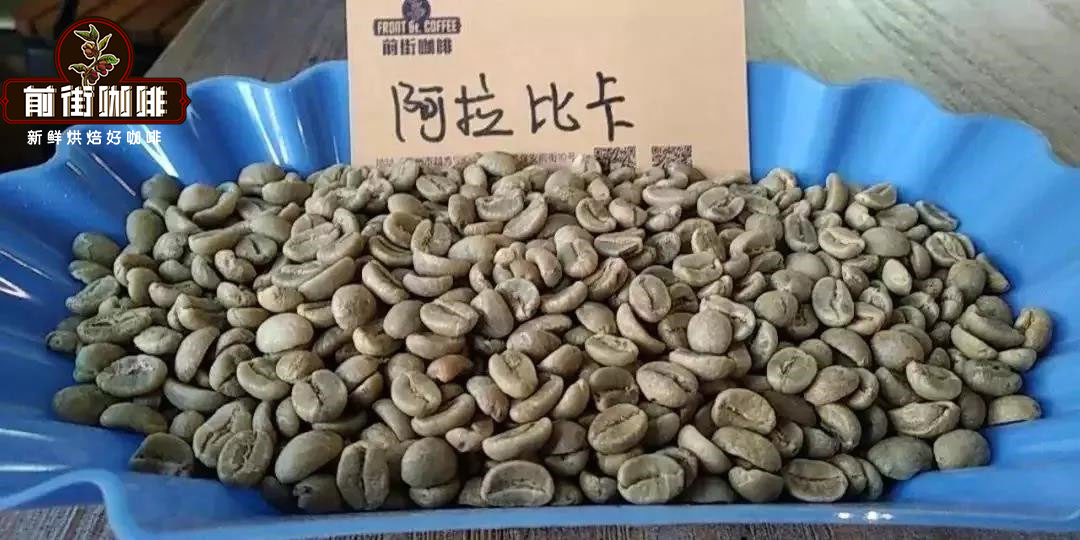
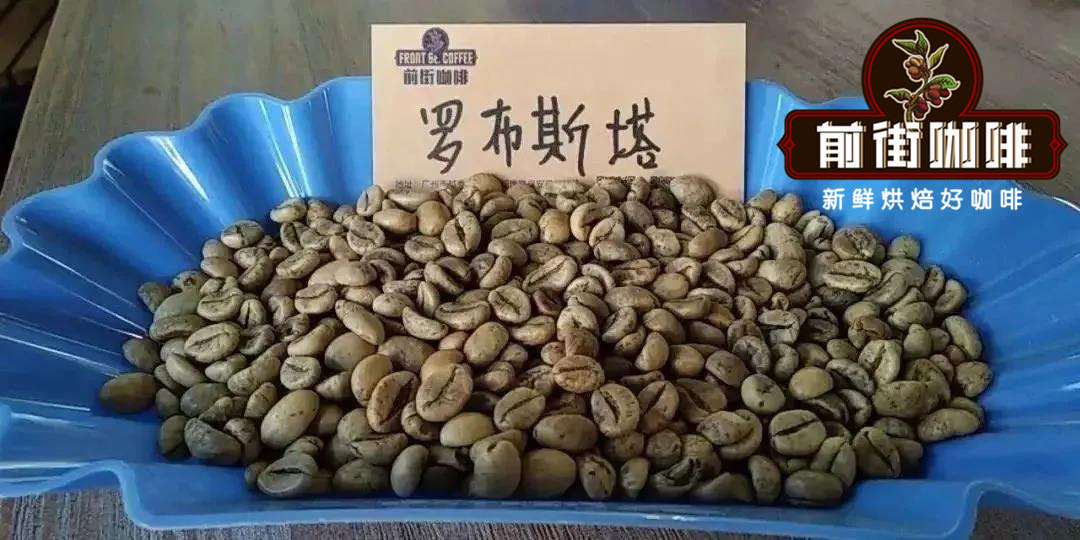
Three core factors determine coffee flavor: varietal genetics, growing environment, and processing method. Among them, varietal characteristics are the most fundamental—Arabica accounts for 70% of the specialty coffee market, requires growing altitudes of 2,000-2,200 meters, has an elongated bean shape (about 10-12 mm long), and contains only 0.8-1.2% caffeine, creating soft acidity and complex aromas; Robusta adapts to low-altitude cultivation (below 800 meters), has caffeine as high as 2-2.7%, and offers a heavy mouthfeel with rubber and nutty notes, mainly used in espresso blends; Liberica, accounting for only 2%, is rarely circulated in the consumer market because of its flat flavor and scarce yield.
{{IMG}}
For coffee choices aimed at middle-aged and older adults, it is recommended to prioritize specialty Arabica beans. Such coffee scores above 80 points in cupping and has three major advantages: first, low caffeine (about 60-80 mg per cup, roughly 1/2 that of Robusta), reducing stimulation of the heart; second, abundant antioxidant substances (such as chlorogenic acid at 0.5-1.2%), which help with metabolic regulation; third, a mild flavor profile, with medium-roasted Brazil Santos (nutty and chocolate notes) or light-roasted Yirgacheffe (jasmine aroma and citric acidity) recommended. When brewing, keep the concentration in the 1.15%-1.35% range (about 15 g of grounds extracted with 225 ml of water) to avoid overly strong tannic acid irritating the stomach and intestines.
{{IMG}}
When purchasing, also note: freshness is a key indicator; it is advisable to choose beans with a roast date within 14 days and store them in an airtight canister with a one-way degassing valve (protected from light and moisture); grind size must match the equipment—medium-fine grinding (sugar-granule size) is recommended for pour-over, and coarse grinding for a French press; those with special health conditions may choose decaffeinated coffee beans (using the Swiss Water Process to remove 99% of caffeine).
{{IMG}}