Why Costa Rican Coffee Stands Out for Sweetness: The Flavor Secrets of Honey-Processed Geisha
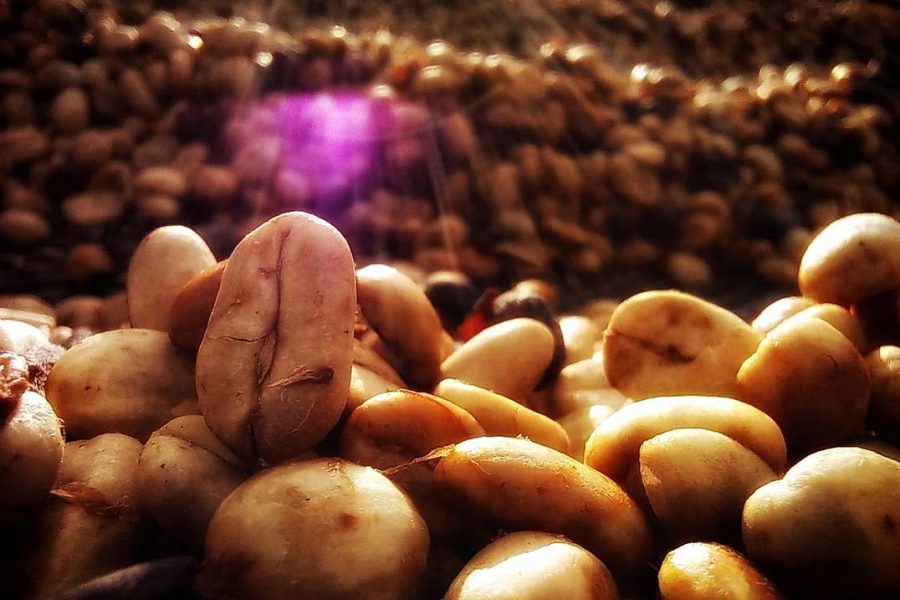
Introduction:Costa Rican coffee is known for its bright sweetness, and its unique flavor is closely tied to its geographical environment and processing methods. This article explains how the country's high-altitude volcanic soil nurtures high-quality beans, reveals the principles by which honey processing enhances sweetness, and compares how different levels of mucilage retention affect flavor, helping you find the sweet coffee experience you're looking for.
In the specialty coffee world, Costa Rican coffee is often held up as a benchmark for sweetness. The coffee of this Central American country not only has clean acidity but also stands out for its pronounced sweet finish. Its secret lies in exceptional growing conditions and ingenious processing techniques, especially the distinctive layers of flavor that honey processing brings.

Costa Rica's special geographical position, spanning the Central American isthmus, means it is influenced by both the Pacific and Atlantic climate systems. The Cordillera mountain range runs through the entire country, creating an excellent environment in which more than 80% of coffee-growing areas sit at 800-1,700 meters on volcanic soil.Volcanic soil is rich in minerals, and together with more than 2,000 hours of sunshine a year, it provides an ideal seedbed for coffee trees. Notably,more than 90% of the country's coffee cultivation is concentrated in the Central Valley, where the temperature difference between day and night can reach 8-10°C, significantly extending the sugar accumulation period of the coffee fruit.

Costa Rica pioneered the world's first altitude-based grading system. SHB (Strictly Hard Bean) grade coffee requires a growing altitude of no less than 1,200 meters, while top regions such as Tarrazu generally plant at 1,500-2,100 meters.For every 100 meters of elevation gain, coffee bean density increases by about 3%, which directly affects how efficiently flavors are released during brewing. Professional roasters recommend that high-altitude beans are better suited to extraction at a medium-high temperature of 92-94°C to fully bring out their complex sweet aroma profile.

The "single-variety policy" implemented by the government in 1989 has had far-reaching influence—it completely banned Robusta cultivation and focused on developing Arabica. This industrial policy, which has lasted nearly a hundred years, together with a strict cupping grading system, ensures the consistent quality of exported coffee. For consumers seeking sweetness, it is advisable to prioritize beans certified as "SHB" or "EP (European Preparation)".

The name honey processing comes from the Spanish word "Miel" (honey), but it actually has nothing to do with honey. The core of this technique is retaining 20%-100% of the mucilage layer for sun drying. Compared with traditional washed processing, the natural sugars in the mucilage undergo enzymatic reactions during drying, producing caramelized flavor compounds. In practice, the coffee cherries are depulped and immediately placed on well-ventilated raised beds to dry, and in the initial stage they need to be turned 3-4 times a day to prevent mold.

The amount of mucilage retained directly affects the final flavor:
• White honey (20-30% mucilage): drying period about 10-14 days, presenting fresh citrus notes
• Yellow honey (40-50% mucilage): drying period 14-18 days, developing stone-fruit flavors
• Red honey (60-70% mucilage): drying period 20-24 days, with characteristics of ripe berries
• Black honey (80-100% mucilage): drying period 25-30 days, presenting rich vinous aroma and a chocolate finish

The special raisin honey method deserves attention: after picking, the coffee cherries are first dried in the open air for 72-96 hours, and once the pulp has softened and dehydrated, they are depulped. This pre-treatment raises the sugar concentration of the fruit, and the resulting coffee often shows higher sweetness values (Brix can reach 22-24). When brewing, it is recommended to use a V60 dripper with a 1:15 coffee-to-water ratio; a water temperature of 93°C better balances its full body.

Consumers should note when buying: different estates define honey-processing color grades differently. One estate's "red honey" may be classified as "black honey" at another. It is advisable to judge by tasting notes rather than color names; a high-quality honey-processed bean should have both bright acidity and a silky-smooth mouthfeel. Store in a dry environment, and after opening, keep the beans in an airtight canister with a one-way valve; the optimal drinking window is 2-4 weeks after roasting.