Pour-Over Coffee Bed Shape and Water Retention Guide
Introduction: This article explores in depth the morphological characteristics of the coffee bed in pour-over brewing and their influence on extraction, focusing on the causes of and solutions for the water-retention problem common with light roasts. By interpreting the relationship between bed shape, crater depth and brewing parameters, it helps coffee enthusiasts master practical techniques for judging extraction uniformity and offers optimization methods for common brewing problems, so that every cup of pour-over coffee can show its best flavor.
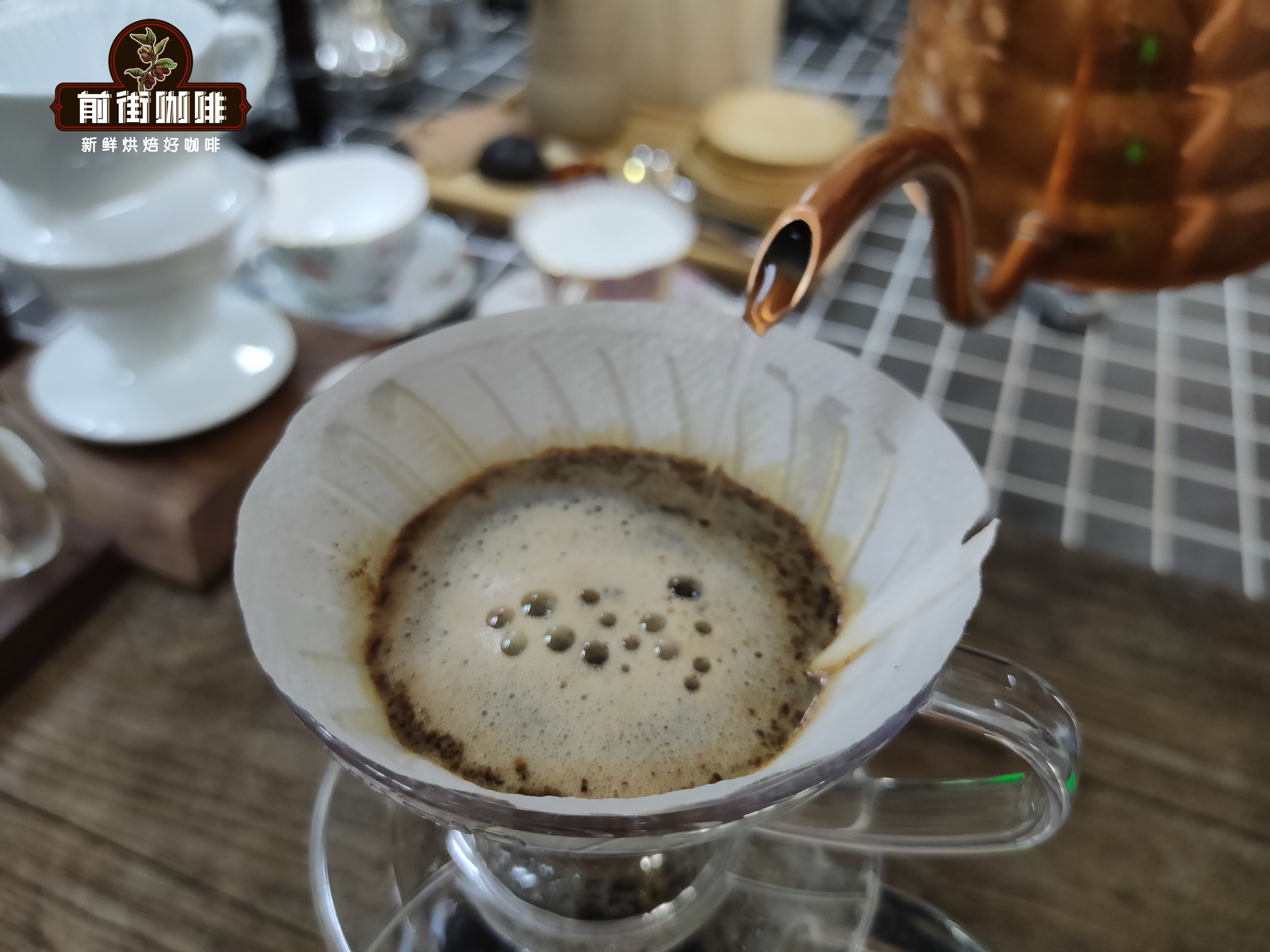
In the world of manual coffee brewing, observing the state of the coffee bed after extraction is a habit for many coffee enthusiasts. This seemingly simple step actually contains important clues for judging brew quality. Although the appearance of the bed is not the only factor determining coffee flavor, it can indeed reflect problems that may exist during extraction, such as whether water flow is evenly distributed and whether the grind setting is appropriate.
The coffee bed refers to the pile form of coffee particles left in the dripper after brewing is complete. In various percolation brewing methods, including drip filtration and siphon, the final shape of this bed provides an important reference for the uniformity of water flow movement.It should be noted in particular that a visually perfect bed does not guarantee absolutely even extraction; it only indicates a greater likelihood of good extraction. Even a brew with an ideal bed shape may extract unevenly due to factors such as unstable pouring in the early stages.
The most frequently discussed bed case is the coffee puck knocked out of the portafilter after making espresso. Experienced baristas can judge the extraction by observing the surface of the puck: if obvious overly wet areas or sunken areas appear around the puck, this usually indicates "channeling"—that is, water does not pass evenly through the entire coffee layer but finds a path of lower resistance and passes straight through. Similar situations occur in the beds of other percolation brewing methods; any localized sunken area suggests uneven water distribution.
Many people mistakenly believe that brewing a perfectly shaped crater is equivalent to high-quality coffee; in fact, this view is biased.A neat crater is neither a sufficient nor a necessary condition for delicious coffee. The main value of observing the bed state lies in helping us identify technical flaws in the brewing process, such as pouring stability and consistency of the circling technique. In addition, the bed can intuitively show the physical properties of the coffee grounds, such as the uniformity of particle size and the overall grind coarseness.
There is a common misunderstanding about the depth of the bed crater: many people believe that the deeper the crater, the better the extraction. In fact, there is no direct correlation between crater depth and coffee flavor quality. Three main factors affect crater depth: first, the brewing technique; second, the grind setting; and finally, the total amount of coffee grounds used. These variables interact to determine the final bed shape.
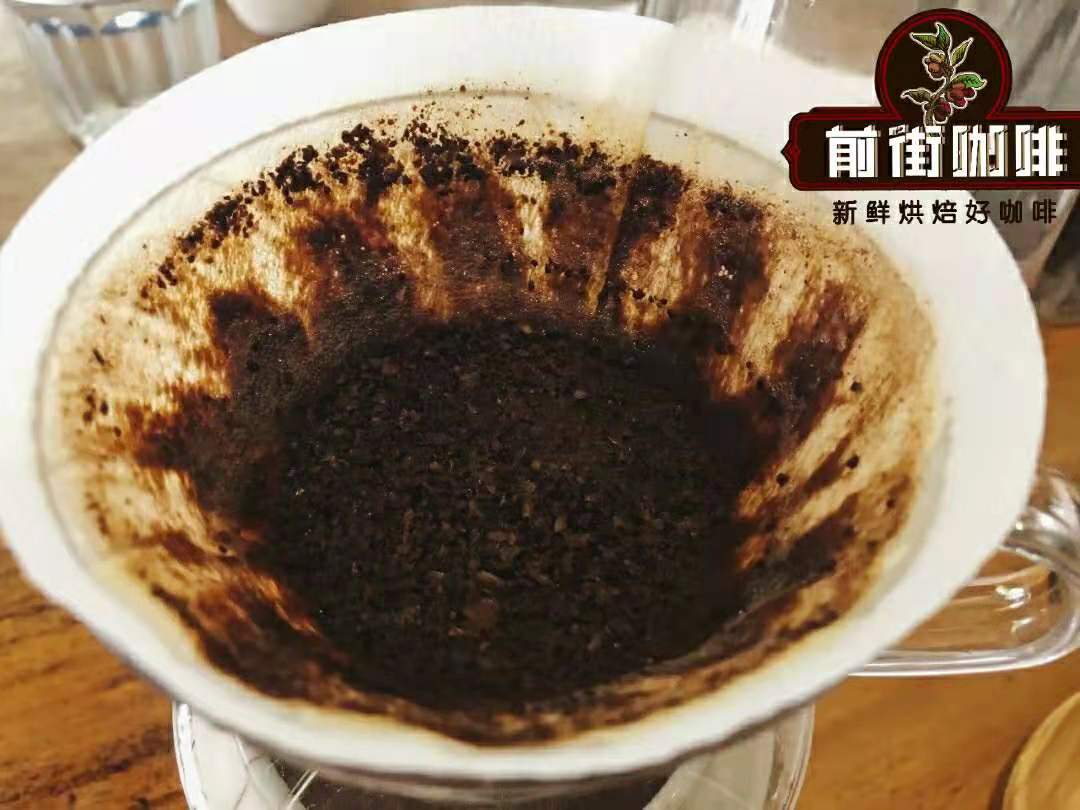
Let us analyze in detail several key technical parameters that affect crater depth. First is the difference in brewing technique: using a single-pour method (such as the one-pour style) or a multi-stage pour with a large single pour volume (such as the one-cut flow) tends to produce a more pronounced crater than multiple small pours (such as the three-cut flow). This is because concentrated pouring causes the entire coffee layer to lift, forming a deeper visual depression, but this does not mean the flavor is necessarily better.
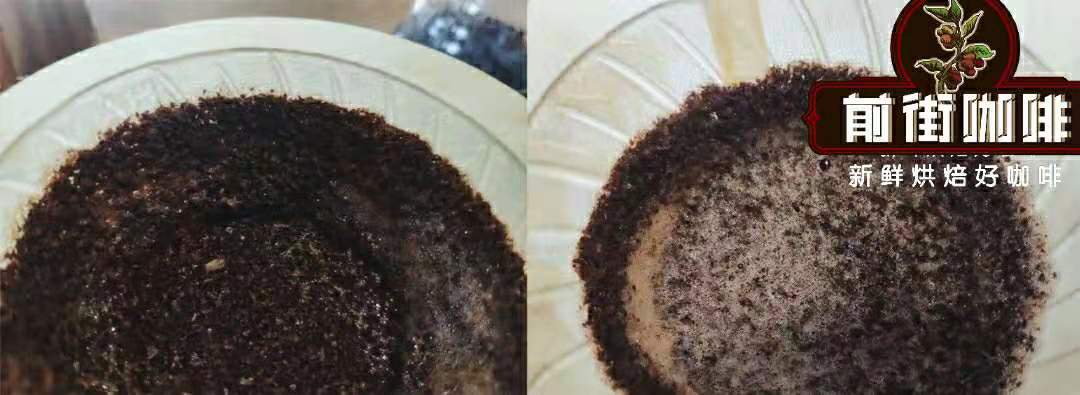
Grind coarseness is another key factor. Under the same brewing technique, a finer grind more easily forms a deep crater, because fines increase friction between particles in the layer and the overall structural strength. In contrast, coarsely ground coffee, with larger gaps between particles, drains faster and the layer is less easily lifted, so the crater formed is usually shallower. This explains why adjusting the grind setting can significantly change the final bed shape.
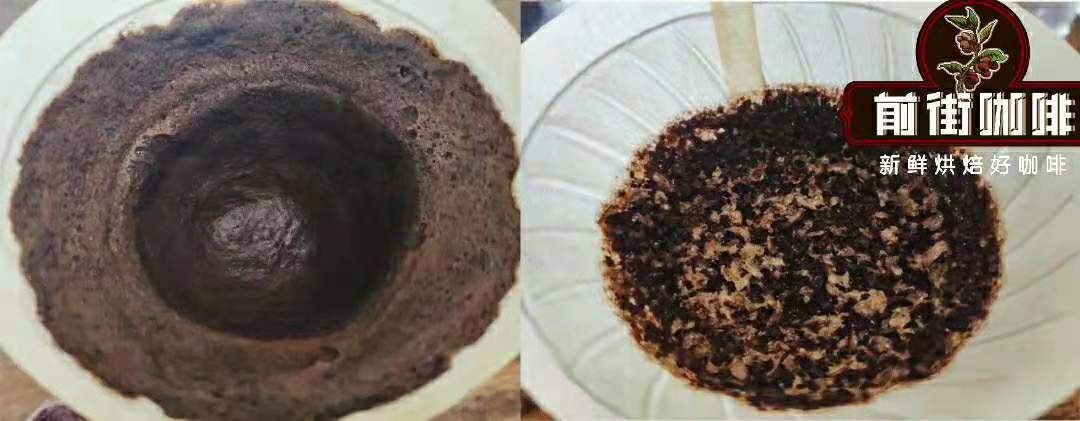
The amount of coffee grounds used also affects crater depth. The logic is simple: all else being equal, the more coffee in the dripper, the more easily a pronounced crater structure forms.But note that you should stay within the maximum capacity of the dripper design; overfilling may cause poor flow or other technical problems. The relationship between dose and crater depth provides another practical dimension for understanding bed shape.
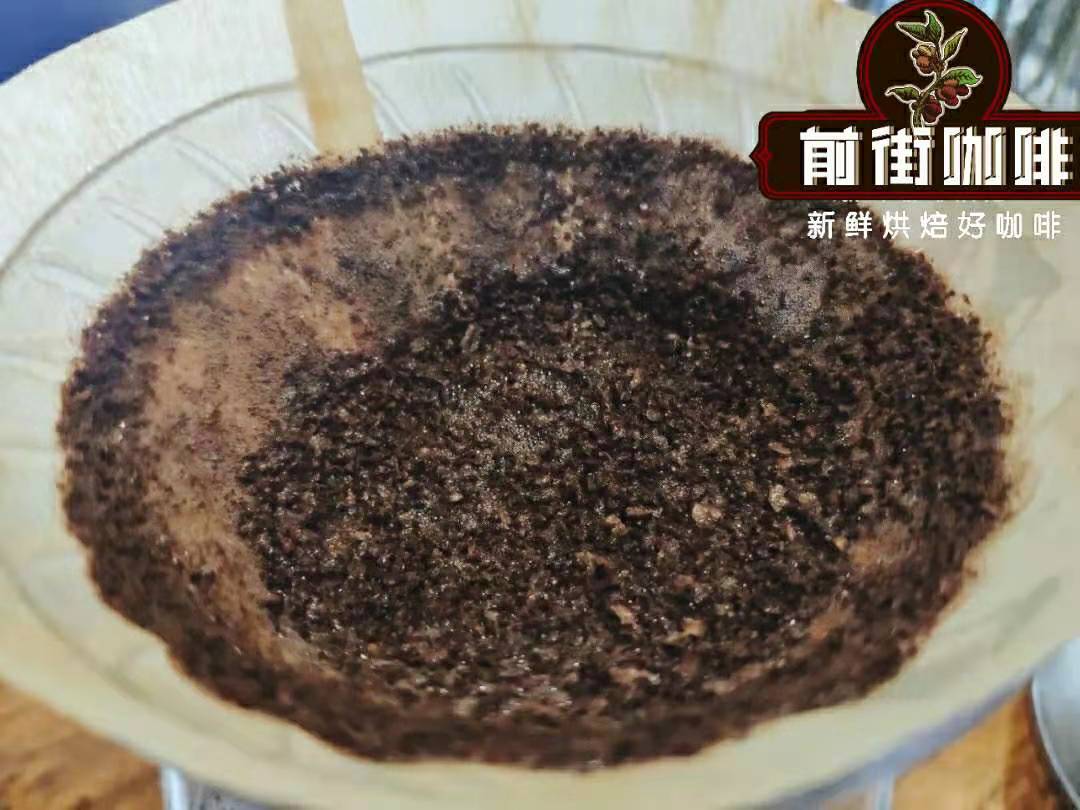
An irregular bed shape often reflects technical problems in the brewing process. Here are several common defects and their possible causes: when one side of the bed is noticeably lower than the other, the wall thickness is uneven and there are signs of breakage on one side, this usually stems from unstable pouring—especially when circling, where the flow may be too strong in the direction away from the hand and insufficient in the direction near the hand. This uneven water pressure may break through part of the wall, forming "channeling" that lets water bypass most of the coffee layer and pass straight through, causing localized over-extraction.
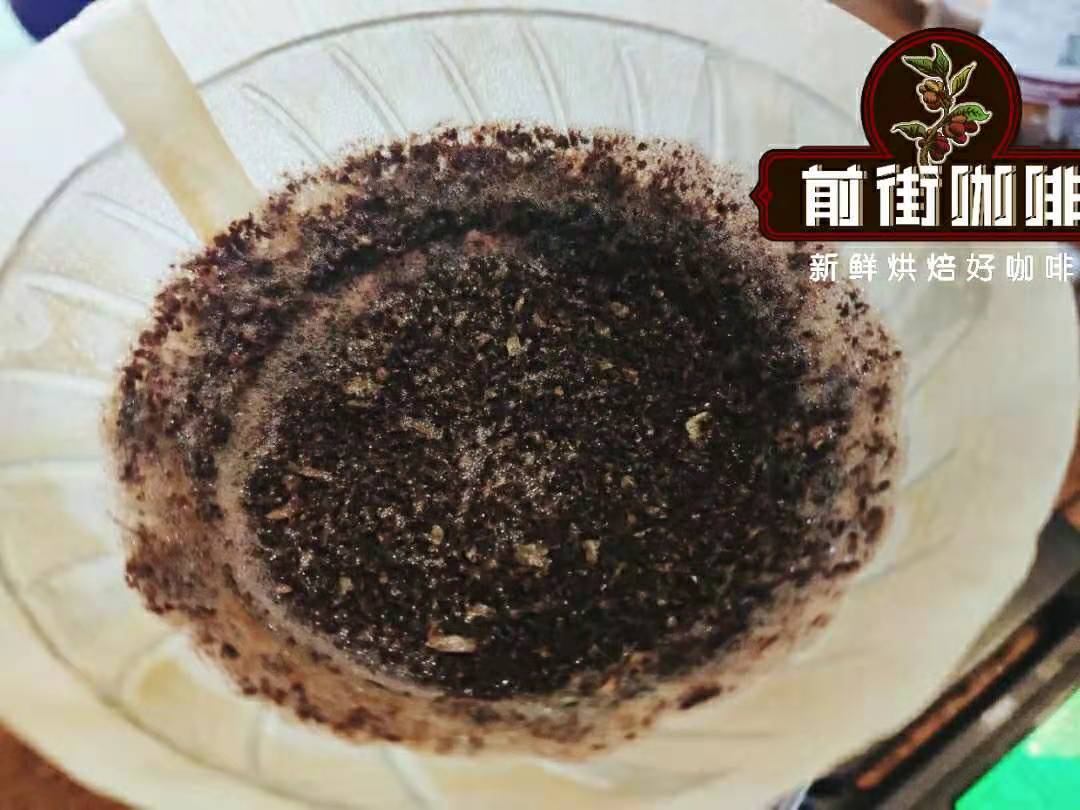
Another common problem is scattered coffee particles and oily foam distributed along the upper edge of the bed. This can occur during multi-stage pouring when the water level in a later stage exceeds the height of the wall formed by the previous pour; the excess water then flows away through the gaps at the edges of the dripper's ribs, leaving this portion of coffee under-extracted and ultimately affecting the balance of the overall flavor.
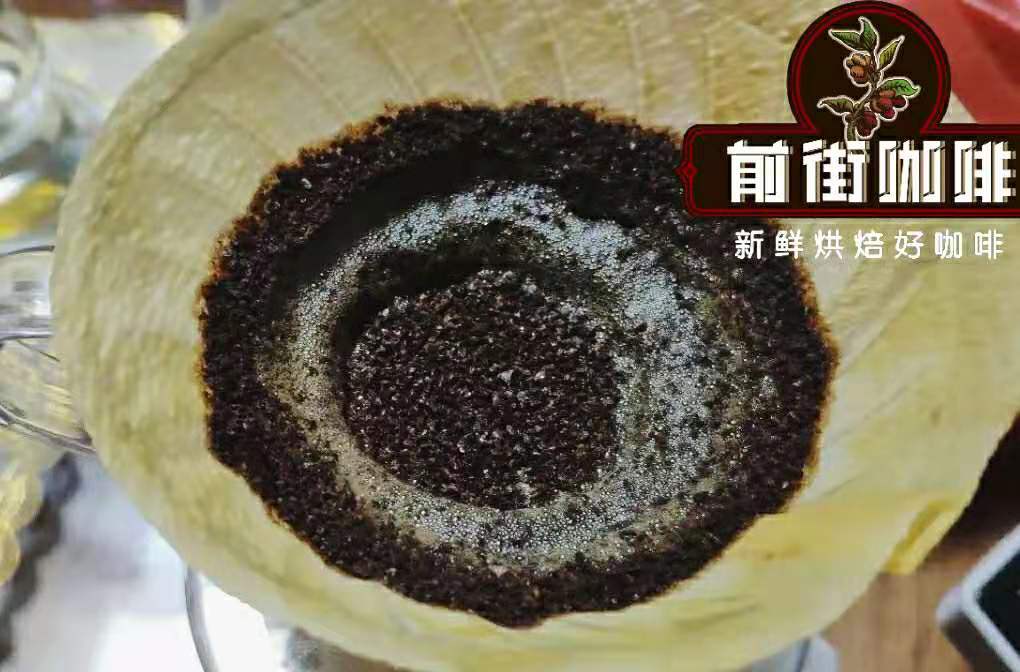
When you observe that almost all the coffee particles clinging to the dripper wall have been washed down, leaving only oily traces at the edges, this usually indicates that the circling range was too large and the water struck the filter paper itself. Although some advanced techniques may involve deliberately rinsing the filter paper, for beginners this situation is often unintentional and should be avoided by adjusting the pouring path.
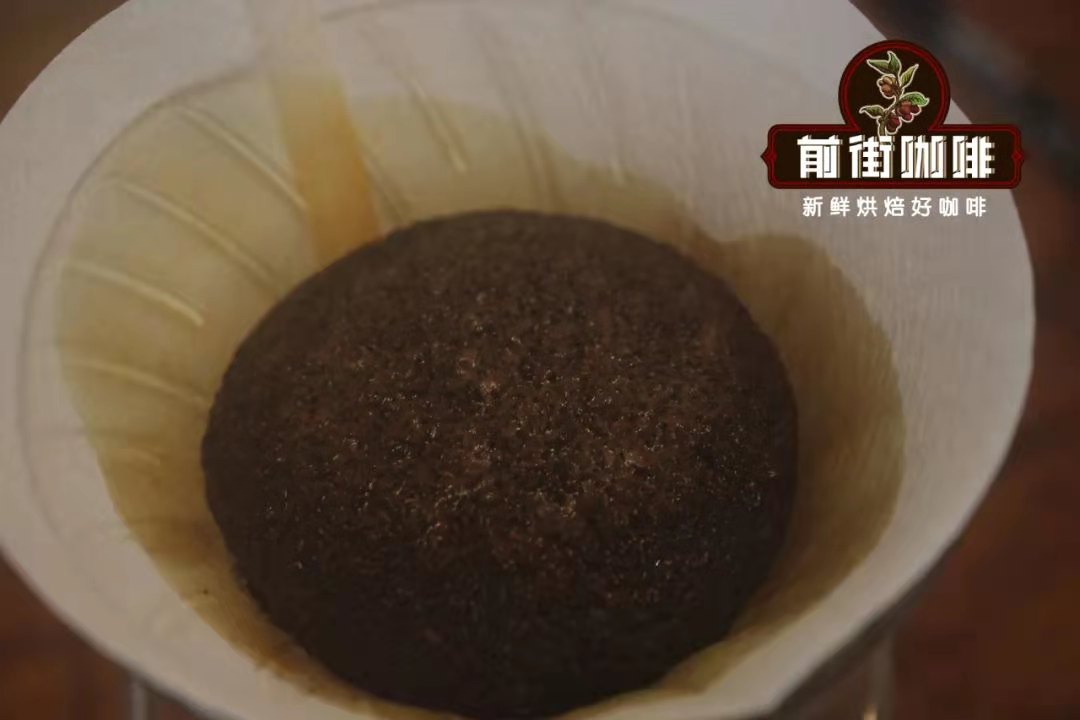
A bed with obvious fault lines and an unusually thick coffee wall may stem from improper pouring. For example, when using a large flow in a small central area, the middle region bears excessive pressure while the edge layer permeates relatively slowly; this uneven water distribution leads to inconsistent extraction. Understanding the causes of these common problems helps us promptly identify and adjust technical flaws in actual practice.
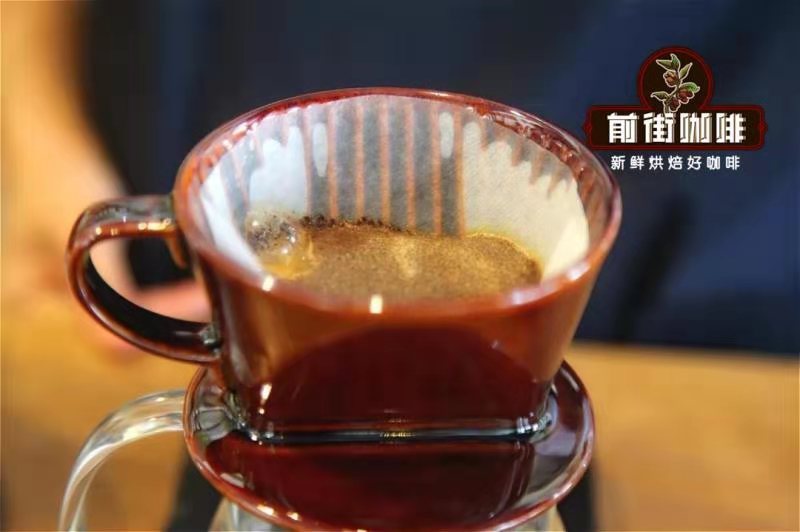
So how do you brew a bed with an ideal shape? Although there is no unified standard for a "perfect" bed, achieving a visually comfortable and evenly extracted layer is the common goal of most coffee enthusiasts.The key lies in mastering stable pouring technique: keep the circling speed even and consistent, control the water column to a moderate thickness, and start the pouring path in a small range, slowly expand outward, then return to the center point. Most importantly, keep practicing and build muscle memory and feel through repeated practice.
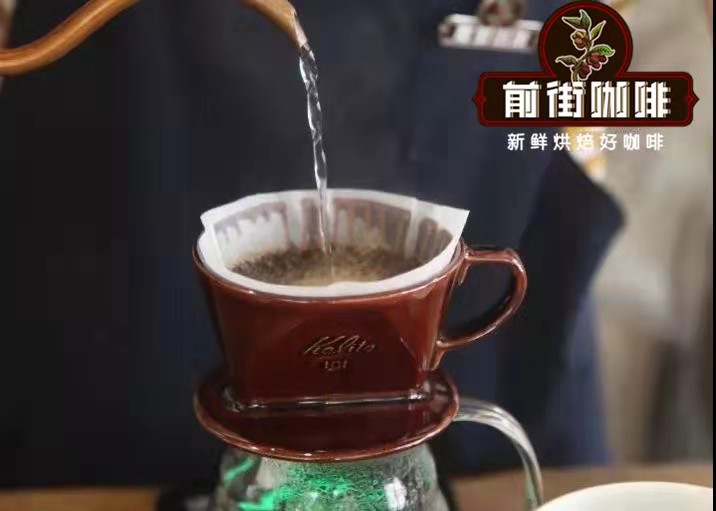
Next, let us explore in depth the scientific principles behind the water-retention problem of light-roasted coffee. First, from the perspective of density, light-roasted green coffee loses less weight during roasting (about 10-13%) than dark roasting (which can reach more than 18%); this means that at the same volume, light-roasted beans have greater mass, that is, higher density. According to the density formula (density = mass/volume), light-roasted coffee particles naturally tend to sink more obviously in water, easily causing localized clogging of the filter holes and thus slowing the flow rate.
Roast level also affects changes in the physical structure of coffee beans. During light roasting, temperature and time are controlled more gently, resulting in less expansion of the coffee bean cell walls and relatively narrow internal cavity space. This contrasts sharply with dark roasting—the latter, under high temperature and long processing, fully expands the cell structure, forming more space to store gas. This structural difference directly affects the permeability and drainage performance of the coffee layer.
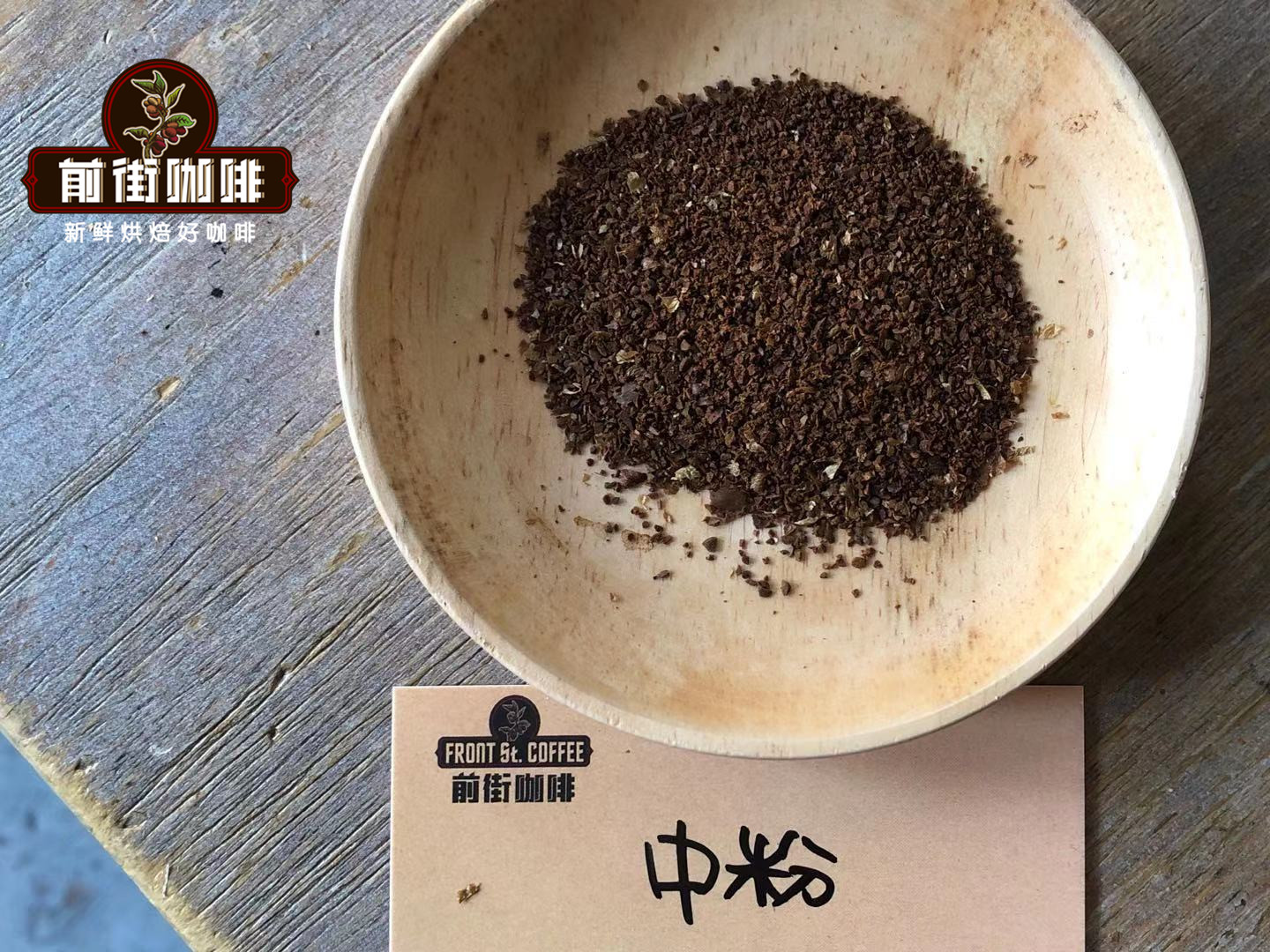
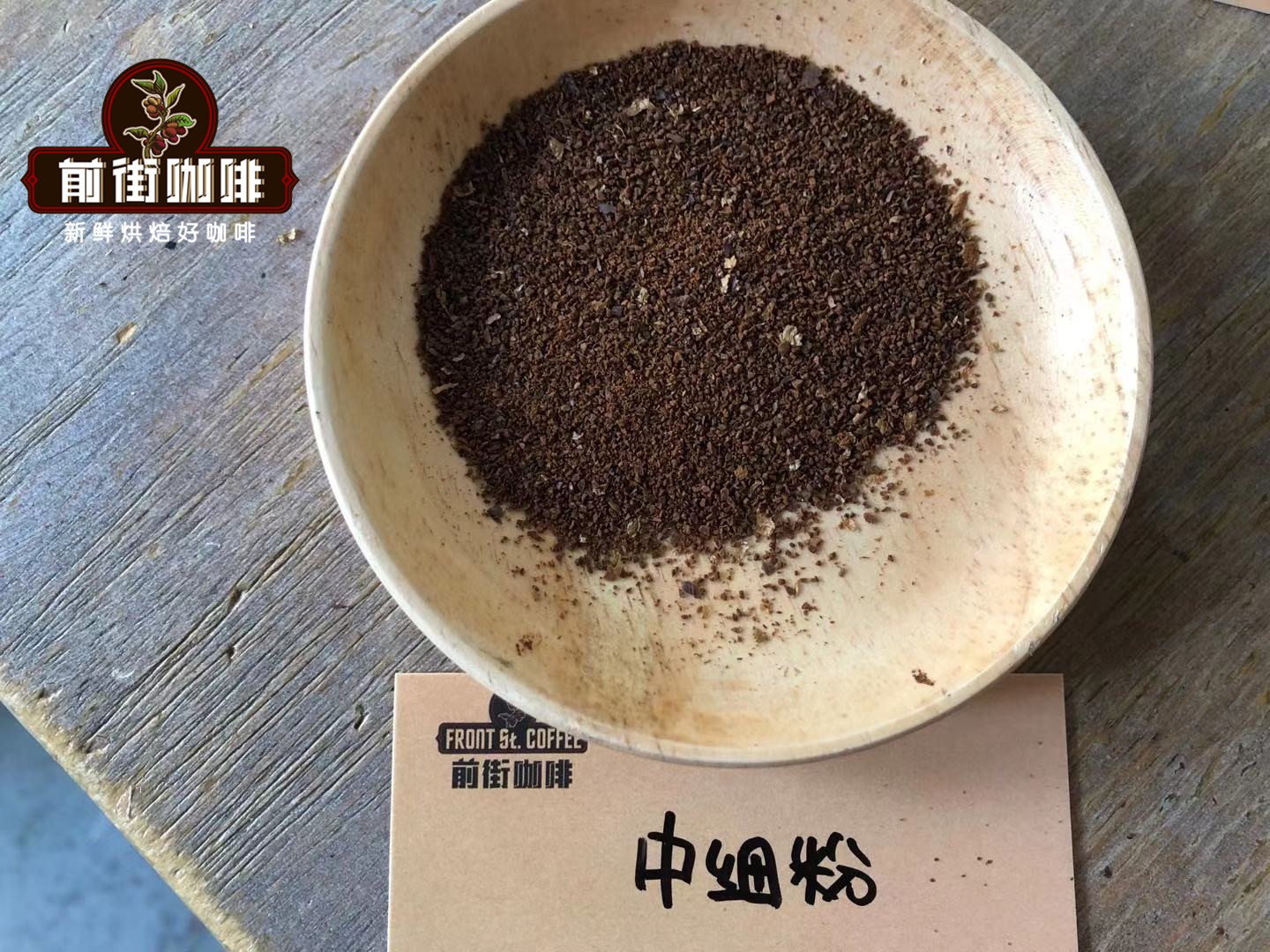
Grind setting is also a key factor. Because light-roasted coffee is dense and tightly structured, a finer grind than for dark roast is usually needed to fully extract flavor compounds. Finer coffee means smaller gaps between particles and greater resistance to water flow. In the later stages of brewing, after most of the easily extractable substances have dissolved, the remaining clear coffee liquid has more difficulty passing through the tight coffee layer and can only slowly pass through the tiny gaps between all the coffee particles, making the water-retention phenomenon more obvious.
For the final water-retention problem in pour-over coffee, here are several practical solutions: the most direct solution is to actively discard it—considering that prolonged extraction time increases the risk of over-extraction, leading to unpleasant woody-fiber bitterness, and that most of the quality flavor compounds have already been extracted earlier, the flavor value of the later retained liquid is relatively limited. Simply adding an appropriate amount of water to the main extracted liquid can achieve the goal of adjusting concentration.
Adjusting the grind is also an effective method: if it is confirmed that the retention stems from too fine a grind or too many fines, try coarsening the grind slightly, combined with raising the water temperature (usually 1-2°C) and increasing moderate agitation; this often improves the flow rate while maintaining a similar extraction level. This method optimizes water flow characteristics by changing the structure of the coffee layer.
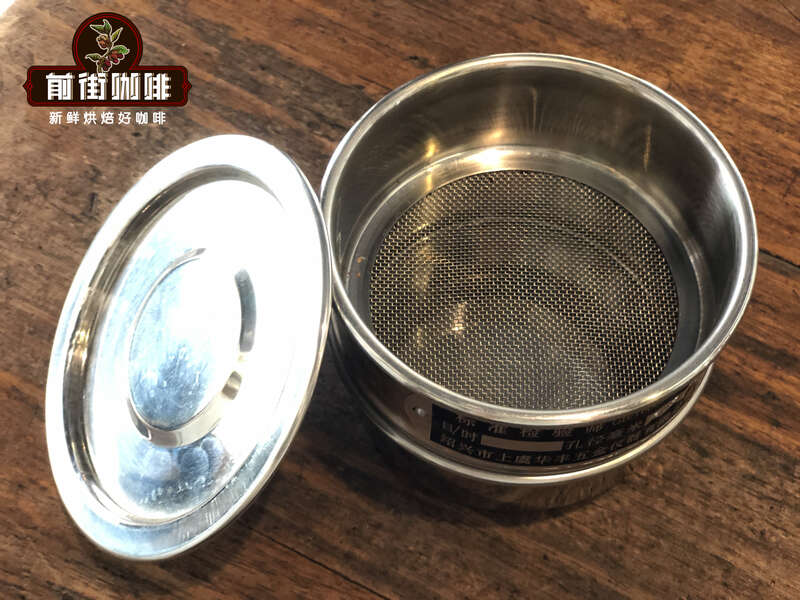
For situations with excessive fines caused by grinder quality issues, using a simple sieve to pre-filter ultra-fine particles is an economical and effective solution. Sifting out obviously over-fine coffee before brewing can significantly improve the permeability of the bed. If you are concerned about wasting fines, you can return these fines to the dripper before the final pouring stage, which both avoids waste and solves the clogging problem.


