Coffee Ratio Guide: Latte Milk Coffee and Cold Drip Brewing

Introduction: From the classic latte to refreshing cold drip, master the golden ratios and brewing essence of different coffee drinks. This article explains in detail the milk-to-espresso ratios for Italian-style milk coffee, home brewing techniques, and the long extraction parameters for cold drip and cold brew coffee, helping you understand the science behind flavor differences and easily recreate café-quality drinks.
The flavor differences within the espresso family largely stem from the ratio combinations of espresso and milk. Whether it is a silky latte, a cappuccino with dense milk foam, or a mocha with added chocolate, precise ratio control is key to presenting layers of flavor. Recipes at different shops may have subtle adjustments, but the core logic always revolves around balance of mouthfeel.
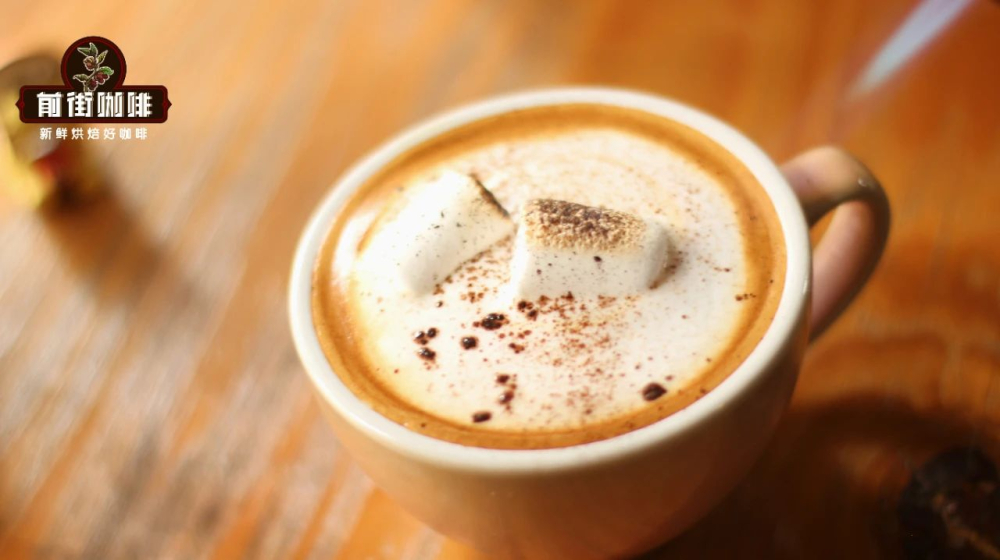
Taking the classic latte as an example, the standard recipe uses a 1:6 ratio of espresso to milk (by volume), that is, 30 milliliters of espresso paired with 180 milliliters of hot milk, topped with a small amount of milk foam. If you pursue a richer crema experience, you can adjust the ratio to 1:5 and choose dark-roasted blend beans to enhance the layers. For home brewing, it is recommended to use 20 grams of coffee grounds to extract 40 milliliters of espresso (a 1:2 coffee-to-liquid ratio, extraction time 25-30 seconds), paired with 240 milliliters of fresh milk heated to 65°C, to obtain balanced sweetness and a smooth texture.
The use of milk foam directly affects the style of the finished product. The milk foam layer of a traditional latte accounts for about 1/6 of the total volume and can be steamed with a steam wand until dense. If you prefer a lighter mouthfeel, steam the milk to a microfoam state; if you like a thicker mouthfeel, extend the steaming time to form dry foam.
Cappuccino follows a strict 1:1:1 equal-thirds principle, that is, espresso, steamed milk, and milk foam each account for one-third of the volume. This ratio creates the iconic brown layered effect, and its name comes from the brown cloaks of Italian Franciscan friars. Among the subtypes, dry cappuccino can have milk foam accounting for up to 50%, giving a fluffier mouthfeel; wet cappuccino reduces the amount of milk foam to 30%, highlighting the milk aroma—most cafés in China use the latter method.
Specialty flavored coffees often expand their dimensions by adding flavor syrups. The classic mocha recipe is 2:2:1 (espresso:hot chocolate:steamed milk). When making it, it is recommended to first melt the chocolate sauce at the bottom of the cup, then pour in the espresso and stir, and finally top with milk foam. Because such drinks involve extra sugar intake, they should be consumed in moderation; for the chocolate sauce, dark chocolate products with a cocoa content of 60% or more are recommended.
The brewing logic of Americano is entirely different, with the core being adjusting the coffee-to-water ratio to control concentration. Conventional hot Americano uses a 1:4.5 coffee-to-water ratio (for example, 15 grams of coffee grounds paired with 67 milliliters of hot water); after brewing, add an equal amount of hot water to obtain the standard concentration. When making iced Americano, you can directly use a 1:1 ratio of ice cubes to espresso (for example, 30 milliliters of espresso + 30 grams of ice cubes), which cools quickly while avoiding excessive dilution.

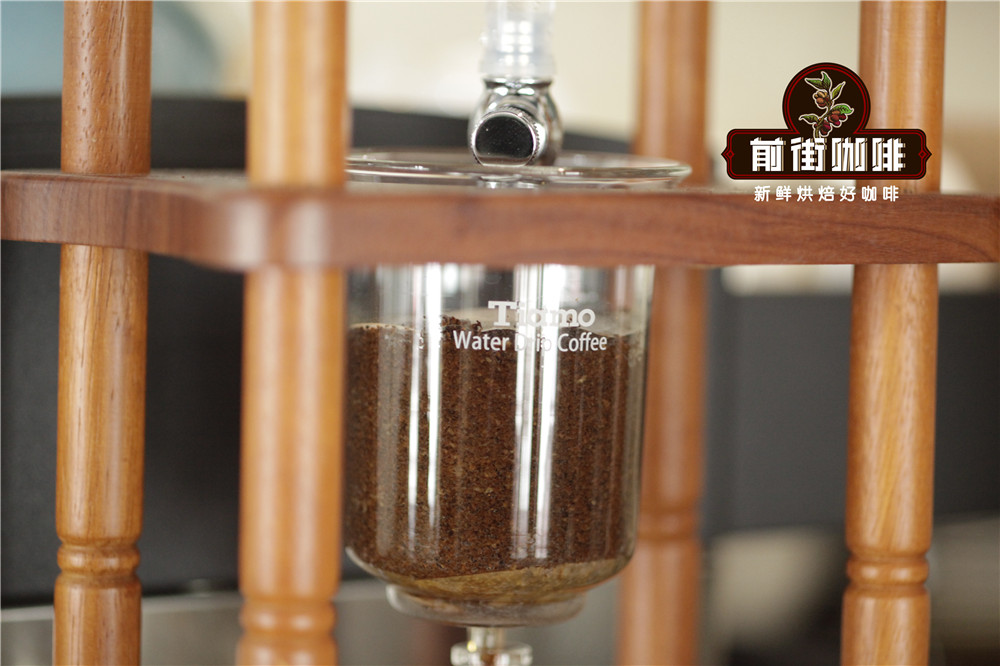
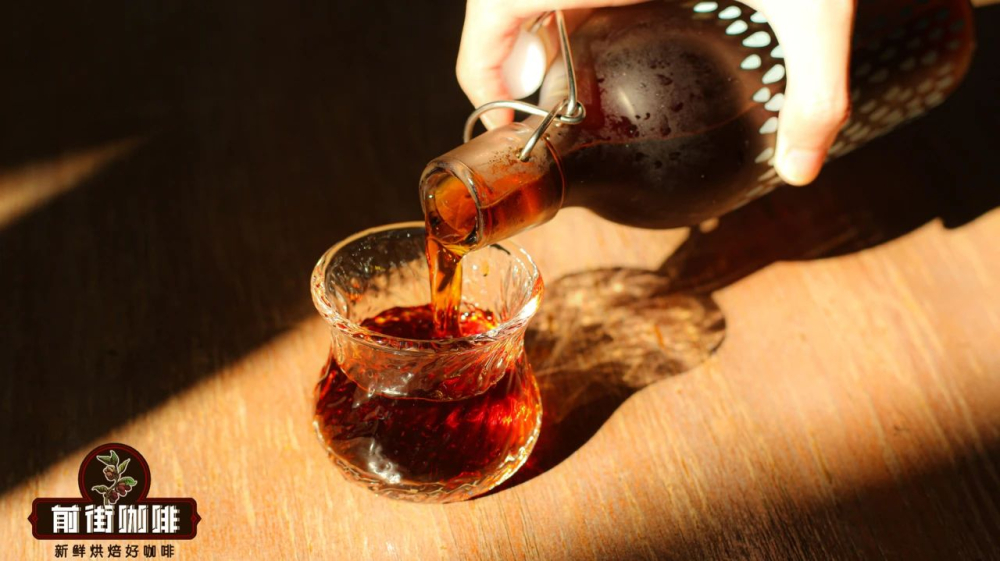
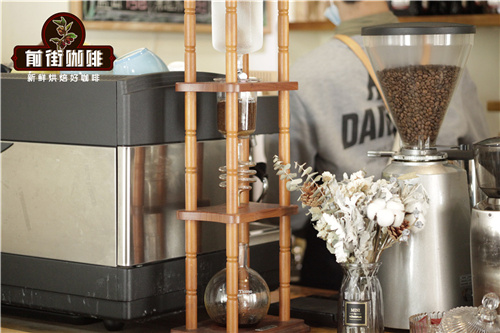
Cold drip coffee is an ultra-long low-temperature extraction process that requires specialized equipment. The standard setup is 60 grams of medium-fine ground coffee placed in the middle filter basket, with an ice-water mixture above dripping slowly (flow rate controlled at about 3 drops/10 seconds). The total coffee-to-liquid ratio is set at 1:10 (60 grams of grounds extracting 600 milliliters), and the entire process takes about 8 hours. After completion, the coffee liquid must be sealed and refrigerated for 48 hours to allow the flavors to fully integrate. The final product has a transparent amber texture, very low astringency, and a unique cold aroma.

Cold brew coffee is simpler to make and suitable for home preparation. Mix coarsely ground coffee (for example, 50 grams) directly with 600 milliliters of cold water in a sealed container and steep in the refrigerator for 12-24 hours. Key steps include: the grind size should be close to French press coarseness (about 800 microns), thoroughly stir the initial mixture, and use double-layer filtration with filter paper or cheesecloth. Some advanced methods pre-chill the coffee grounds and water to 4°C before extraction, which can further reduce the production of off-flavors.
The flavor differences between the two cold coffees are significant: cold drip coffee retains more high-frequency aroma compounds due to slow percolation, and its mouthfeel is pure like spring water; cold brew coffee, due to greater contact area, produces a fuller body and often has a slight nutty finish. Visually, cold drip liquid is usually crystal clear, while cold brew liquid may have a fine layer of oil floating on the surface.
In actual preparation, note the following: the milk temperature for Italian-style milk coffee should not exceed 70°C to prevent protein denaturation; the water outlet of cold drip equipment must remain vertical to avoid channeling; for the cold brew container, a wide-mouth glass bottle is recommended for easy cleaning. According to personal taste preferences, parameters can be adjusted flexibly—for example, increasing the milk ratio for a softer mouthfeel, or extending the cold brew time to strengthen flavor concentration.