Coffee Tree Fruiting: A Guide to Yunnan Typica Beans
Introduction: Coffee lovers often wonder how long it takes for a coffee tree to bear fruit, and what the secrets of growing high-quality coffee beans are. This article takes an in-depth look at the coffee tree's growth cycle, from flowering to fruiting, and focuses on Yunnan Typica coffee beans—an ancient Arabica variety with unique flavors and cultivation challenges. It also offers professional recommendations for washed processing, roasting and pour-over parameters, helping you understand the whole process of specialty coffee from farm to cup.
Anyone who drinks coffee regularly has probably wondered: how many years does a coffee tree actually need before it bears fruit? This concerns not only the coffee tree's growth cycle but also the quality and flavor of the beans. Usually, a coffee tree enters its first flowering season in the third year after planting, marking its approach to the fruiting stage.
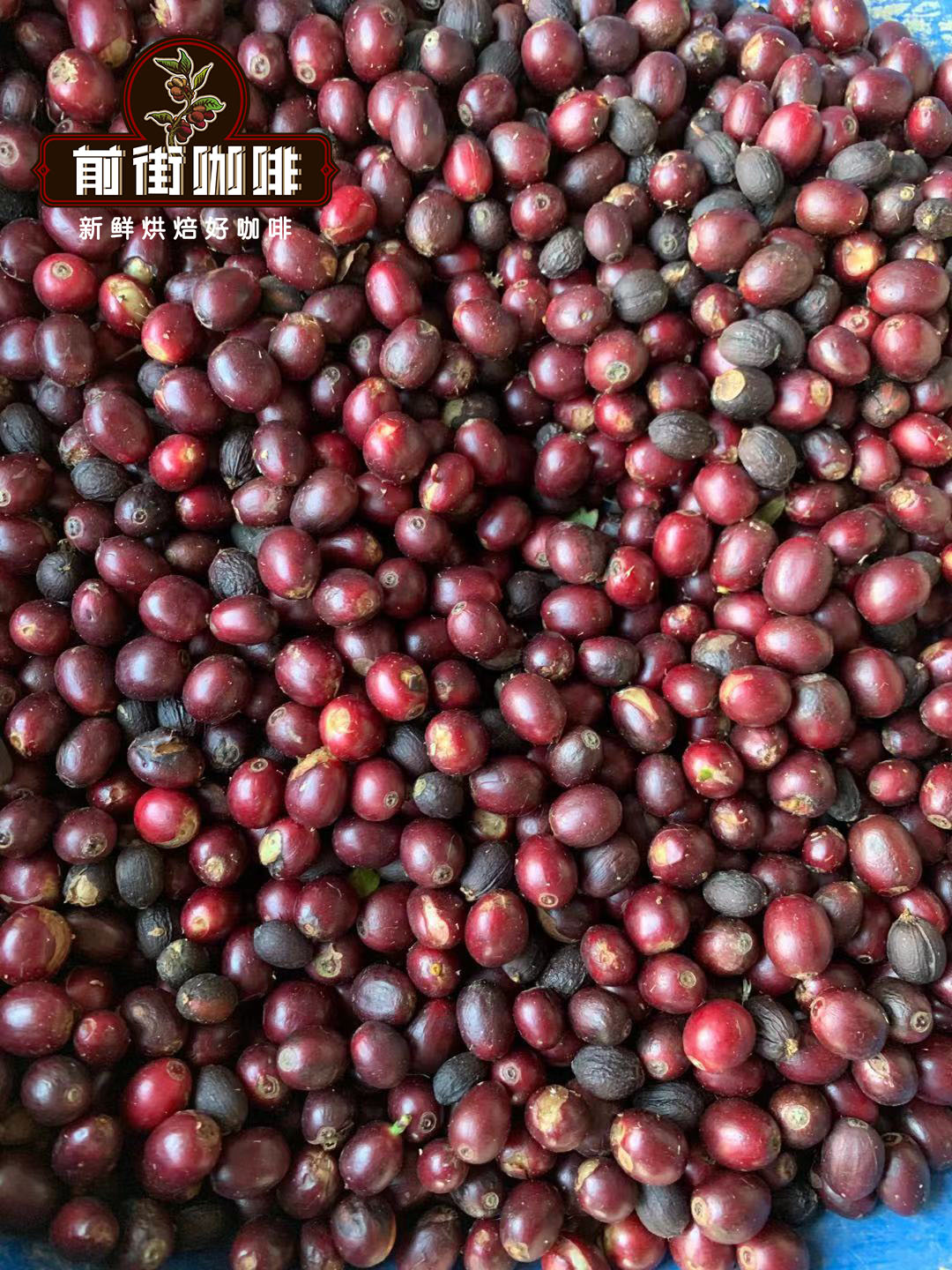
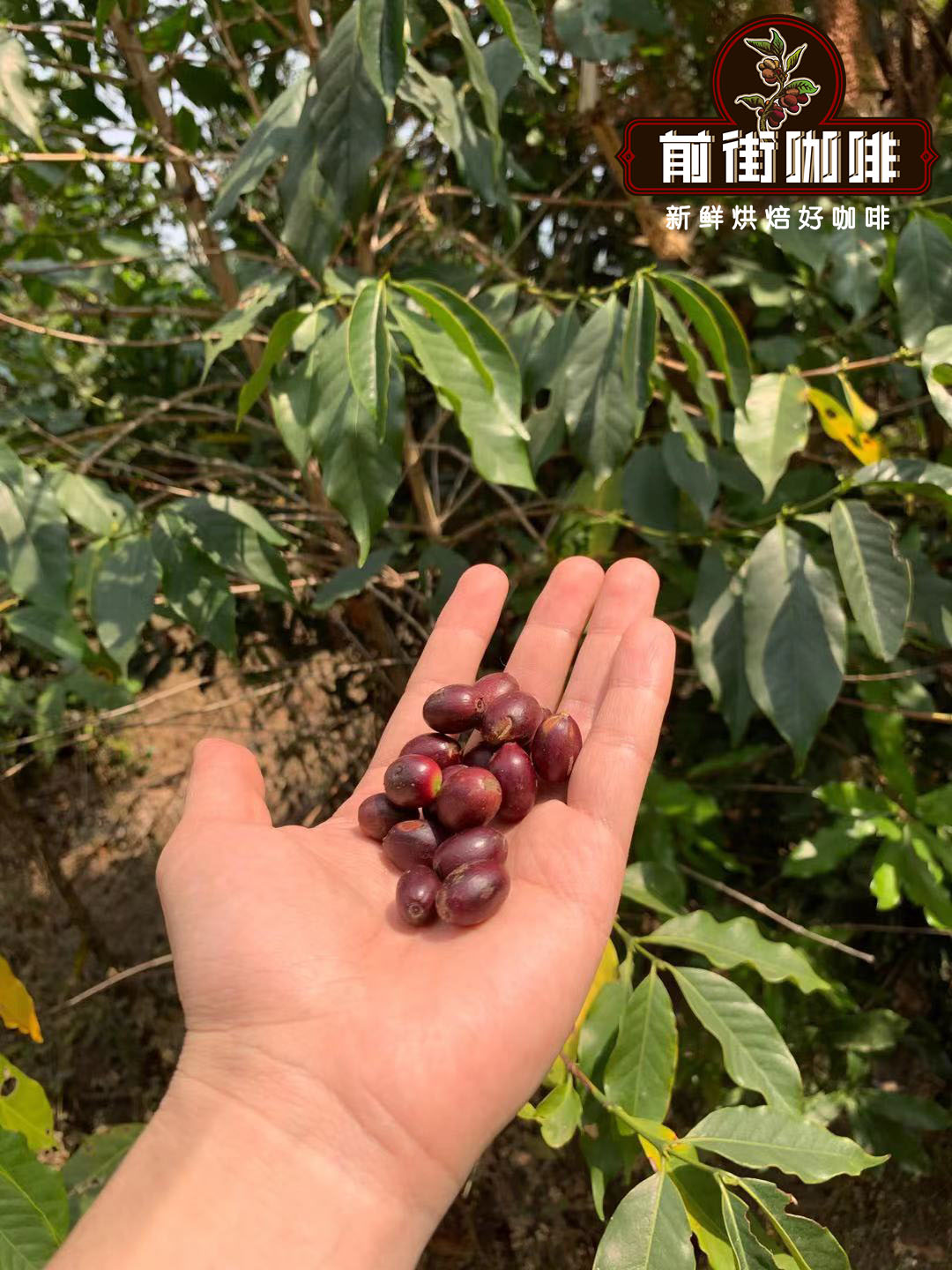
A coffee tree's first flowering appears at around three years of age. The flowers are white, five-petaled and tubular, with a delicate jasmine fragrance, and the inflorescences are dense and arranged in clusters. These flowers often wither within just two or three days, and over the following months the coffee fruit begins to form. The coffee fruit is a drupe about 1.5 cm in diameter; it starts green, gradually turns yellow, and finally ripens to a bright red, resembling a cherry, which is why it is also called a "coffee cherry."
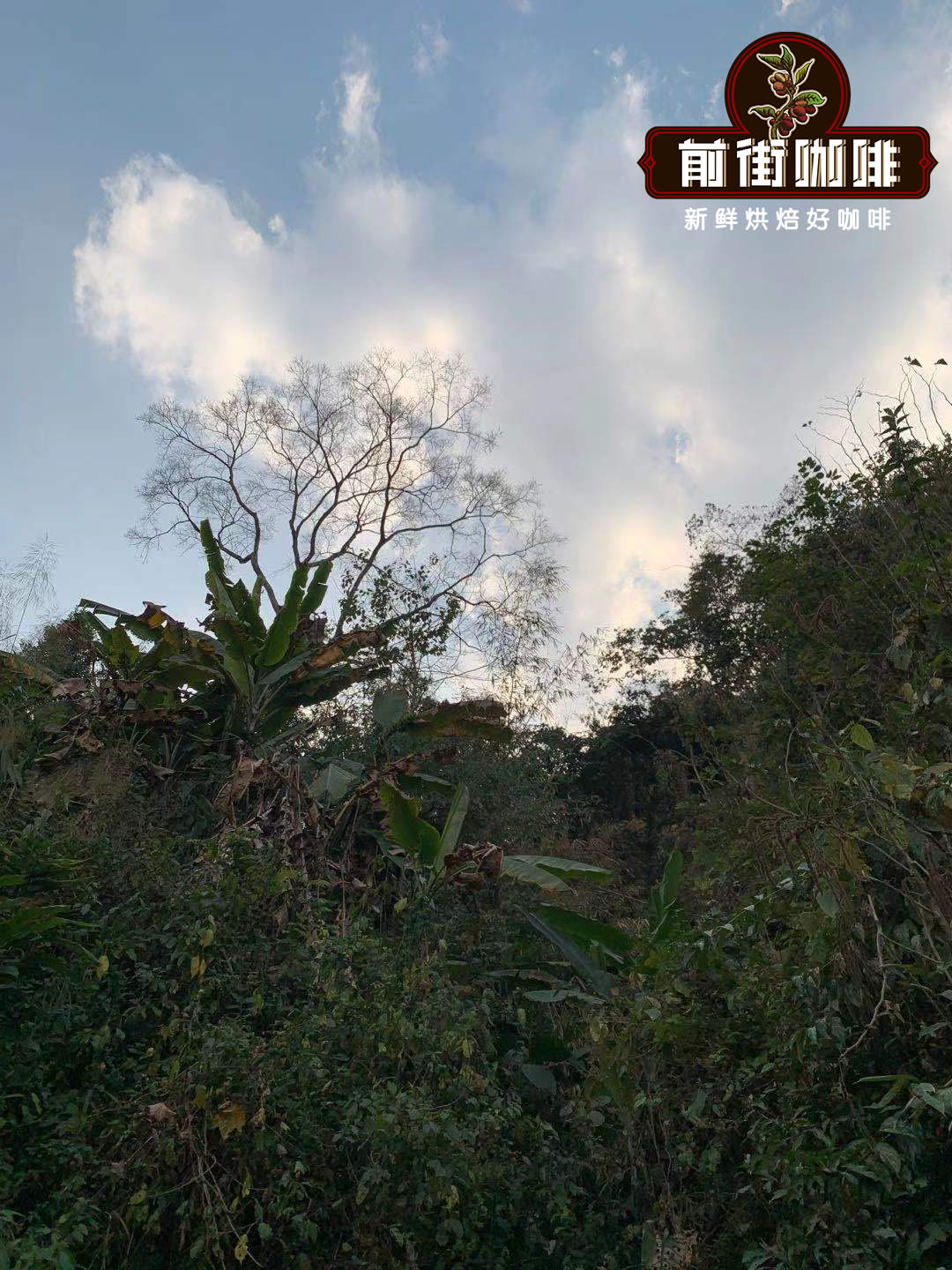
In Yunnan, coffee trees in low-altitude coffee gardens usually begin to fruit in mid-to-late September, but due to differences in altitude, coffee fruit in high-altitude areas ripens later and often does not fully mature until November.For every 500 meters of elevation gain, the temperature drops by about 0.6°C, which makes the ripening cycle of coffee fruit in high-altitude areas longer and the flavor more complex.
Coffee is a short-day plant, characterized by multiple flowerings and a concentrated flowering period. Take the small-bean coffee widely grown in Yunnan as an example: the flowering period is concentrated from February to July, with March to May being the peak flowering season. Coffee flowering is significantly affected by climate, especially rainfall and temperature. Coffee flowers have an extremely short lifespan of only 2 to 3 days; they usually begin to open between 3 and 5 a.m. and are in full bloom from 5 to 7 a.m. Fruit development takes a long time, generally 8 to 10 months to fully mature, so most coffee trees bear fruit only once a year, mainly from October to December.
When people mention Yunnan coffee, many first think of the Catimor variety, which has high yields and strong adaptability. However, these beans often fall short of some traditional varieties in flavor. By contrast, Typica, one of the oldest surviving Arabica coffee varieties, is known for its elegant flavor but is more difficult to cultivate.
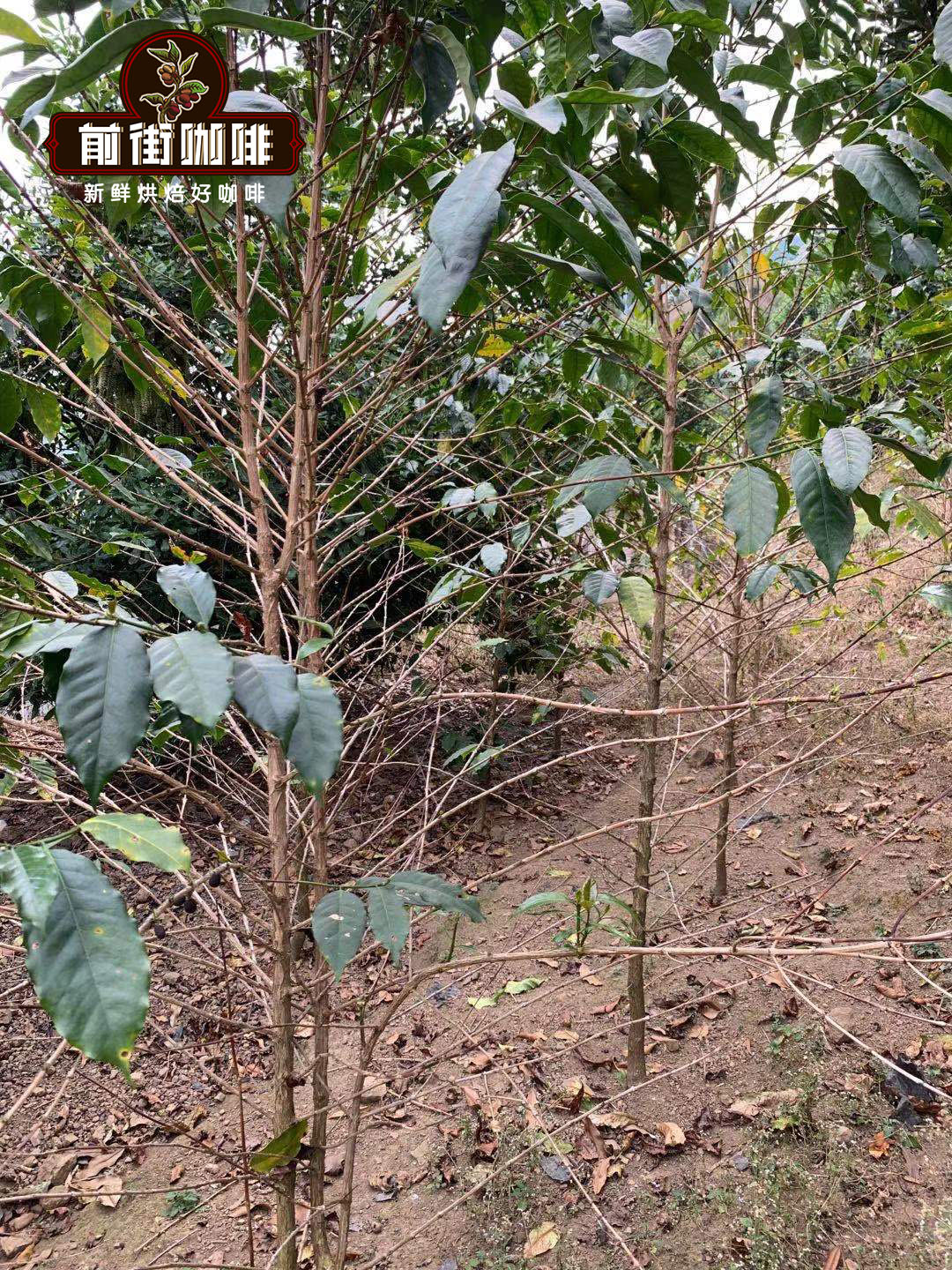
Typica is the "ancestor" of many modern Arabica coffee varieties. Its flavor is delicate and clean, but during cultivation it is prone to coffee leaf rust, has weak disease resistance and relatively low yields. For this reason, in recent years in Central and South America, Typica has gradually been replaced by more disease-resistant varieties such as Caturra and Catuai. Nevertheless, Typica remains favored by specialty coffee enthusiasts for its unique flavor.
Yunnan began introducing Typica in the early 20th century, first planted by foreign missionaries for their own use; later, in the 1950s, it was planted on a larger scale to meet export demand, mainly to the Soviet Union. At the time, Yunnan's coffee agronomists selected Typica as the main variety to plant based on local altitude, climate and other conditions.
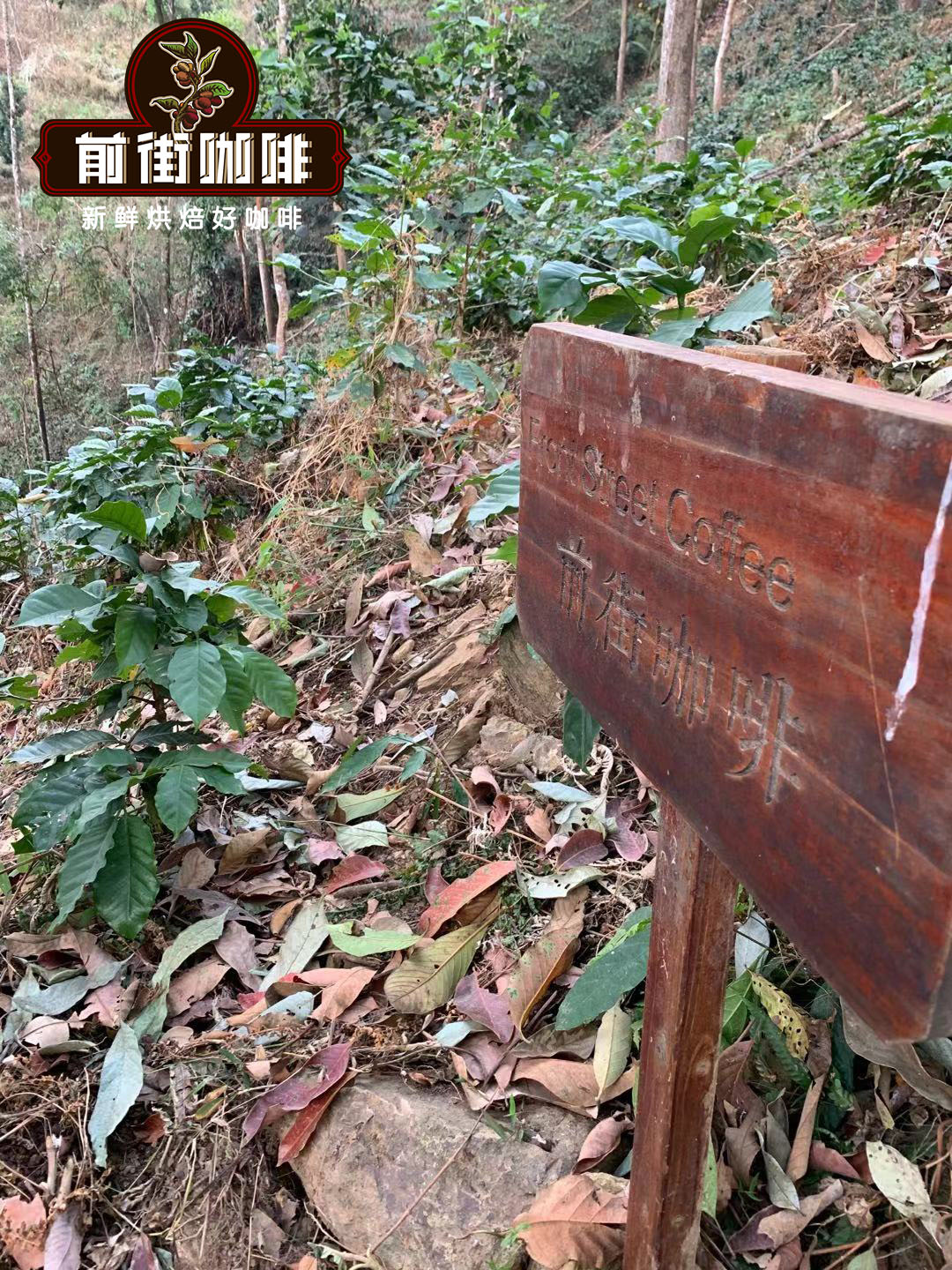
However, because Typica has strict altitude requirements, low yields and is susceptible to disease, and because early Yunnan coffee growers lacked a specialty coffee mindset and did not pick only fully red cherries, the quality of the coffee fruit was unstable, and many growers gradually switched to the highly adaptable, high-yielding Catimor variety. Catimor is a hybrid of Arabica and Robusta, inheriting Robusta's disease resistance and high yield while retaining some of Arabica's flavor characteristics.
Even so, some growers persist in planting Typica, hoping to demonstrate Yunnan coffee's unique potential by improving cultivation and processing techniques. They believe that relying solely on special processing methods to improve flavor is not a long-term solution; only by starting from the variety itself can Yunnan coffee's overall image be truly enhanced.
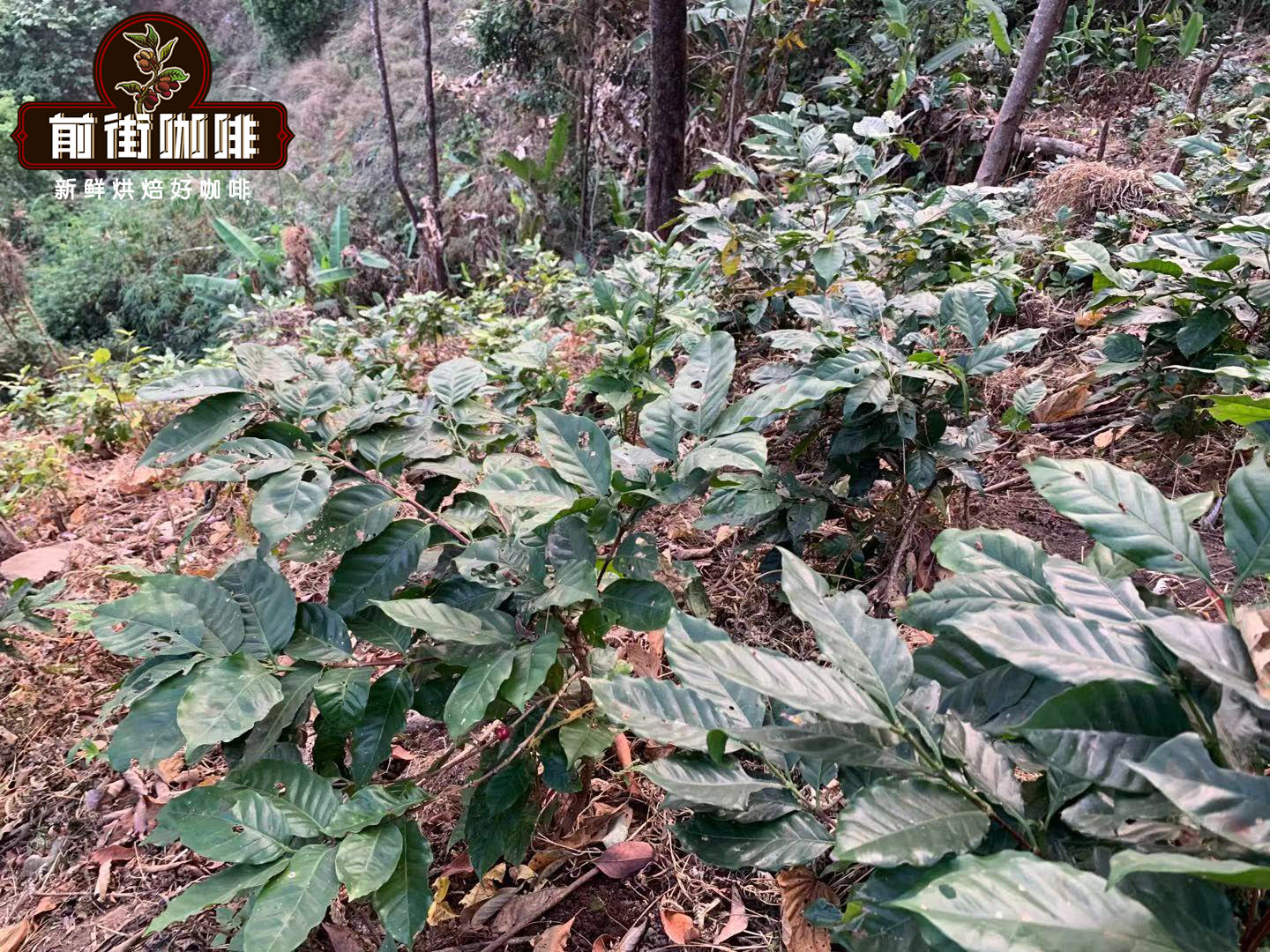
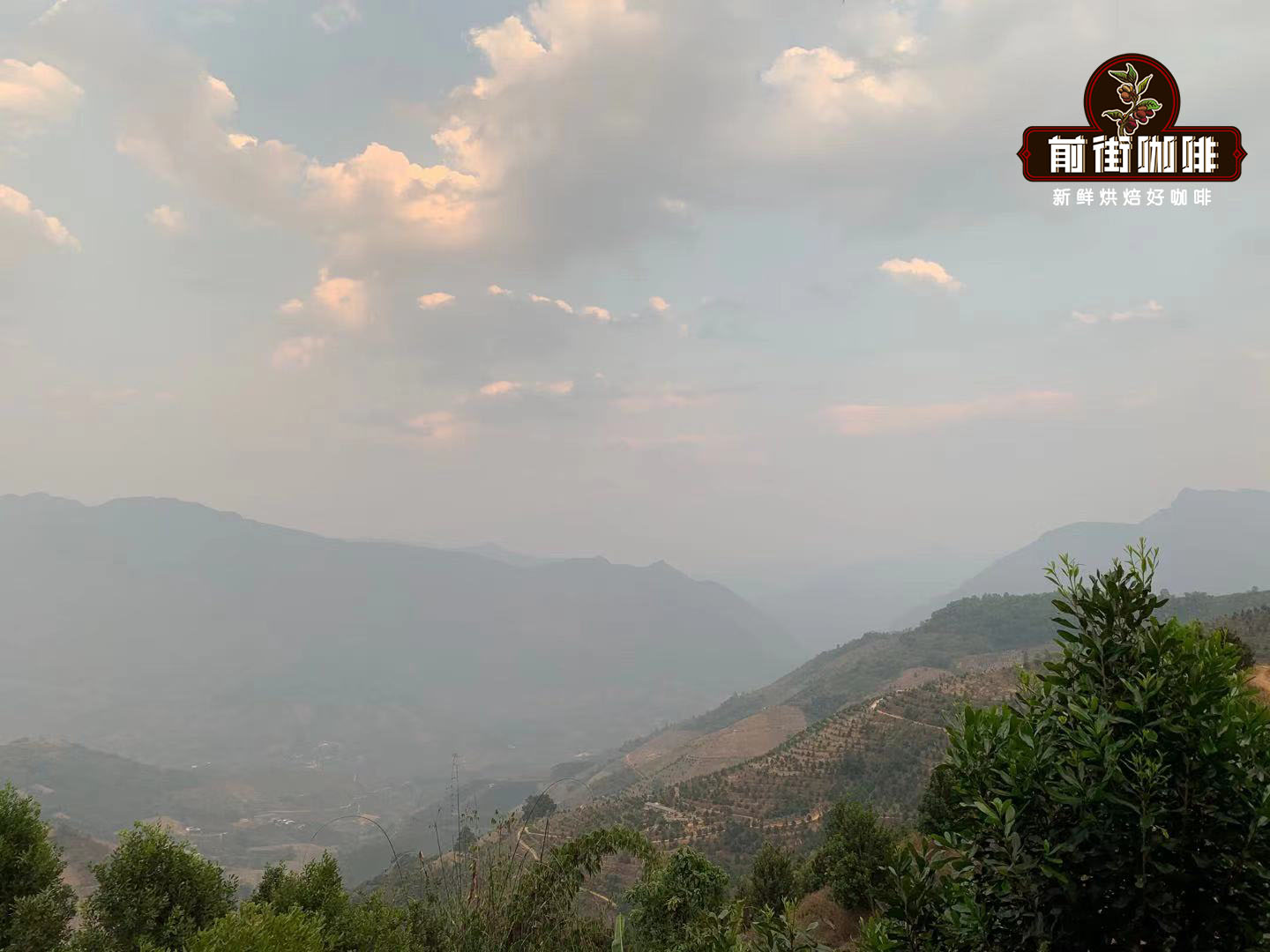
Many regions in Yunnan are suitable for growing coffee, including Pu'er, Xishuangbanna, Dehong and Baoshan. Among them, Baoshan, with its long history of coffee cultivation and exceptional natural conditions, has become one of the high-quality coffee-producing regions. Baoshan has an annual average temperature of 21.5°C, with maximum temperatures reaching 40.4°C and virtually no frost, making it very suitable for growing small-bean coffee.
Coffee here is known for its soft aroma, harmonious fruit notes and plump beans; especially in high-altitude areas, the flavor is more concentrated and layered. Baoshan is not only an important producing area for a national geographical indication product but is also considered one of the world's high-quality coffee-producing regions.
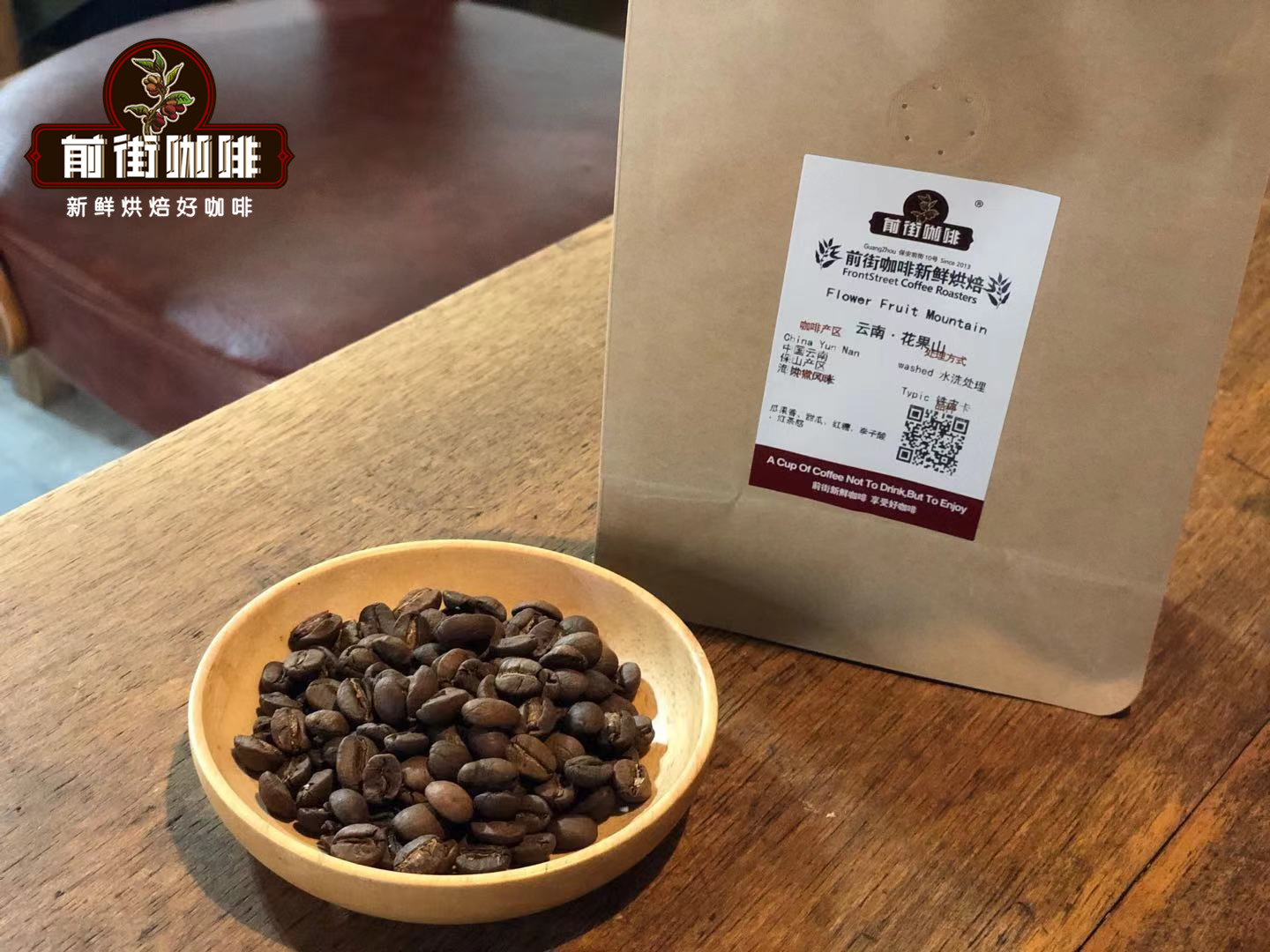
Among the many coffee varieties, Typica still holds its place thanks to its elegant flavor and pure taste. Take high-altitude-grown Typica as an example: its flavor typically shows citrus, nut, plum and melon notes, accompanied by brown-sugar-like sweetness and a black-tea-like finish, with a clean, well-defined cup.
This type of coffee is usually washed, which removes impurities and defective flavors and allows the coffee's original fruit acidity and complexity to fully emerge. Washing also effectively screens out unripe beans and improves flavor consistency and purity, making it an ideal choice for those seeking a fresh, bright flavor.
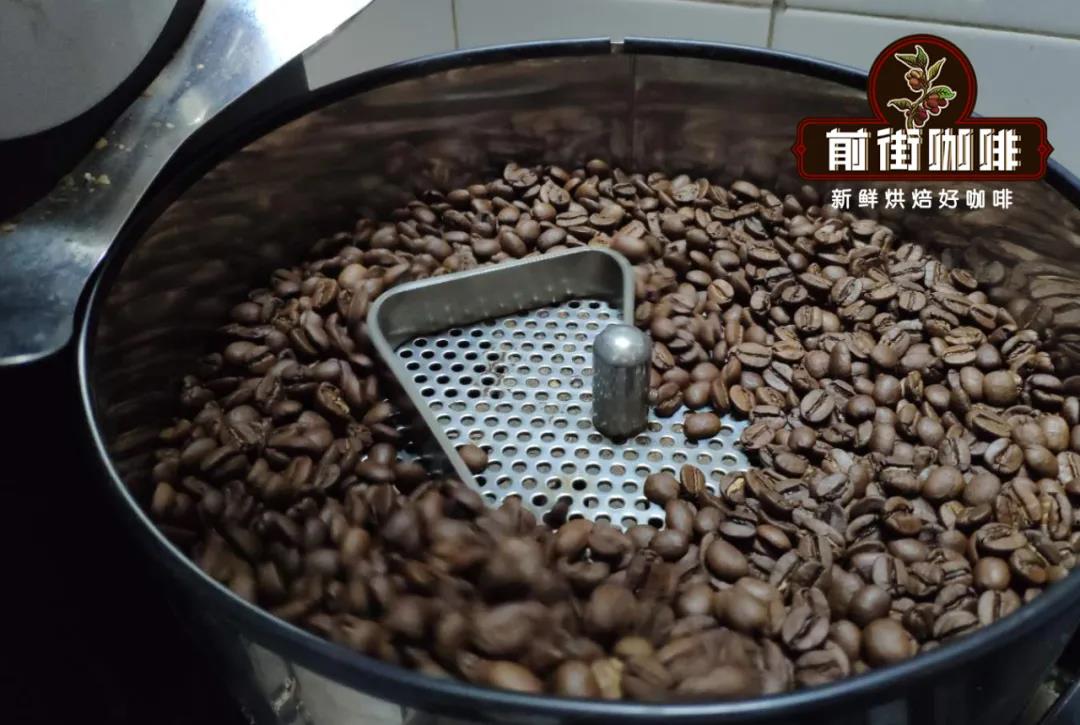
For coffee roasters, roast curves need fine-tuning for Typica beans from different regions and altitudes. Take Typica grown at 1,450–1,550 meters as an example: the recommended roasting plan is a charge temperature of 200°C, rapid dehydration with high heat and a small airflow, then adjusting to medium airflow and medium heat after dehydration ends to control the pace of the Maillard reaction, ensuring the first-crack development stage lasts about 3 minutes, and finally discharging at 196°C. Key checkpoints include: turning point 1:32/92.5°C, yellowing point 5:40/148.5°C, first crack start 8:59/188.0°C.
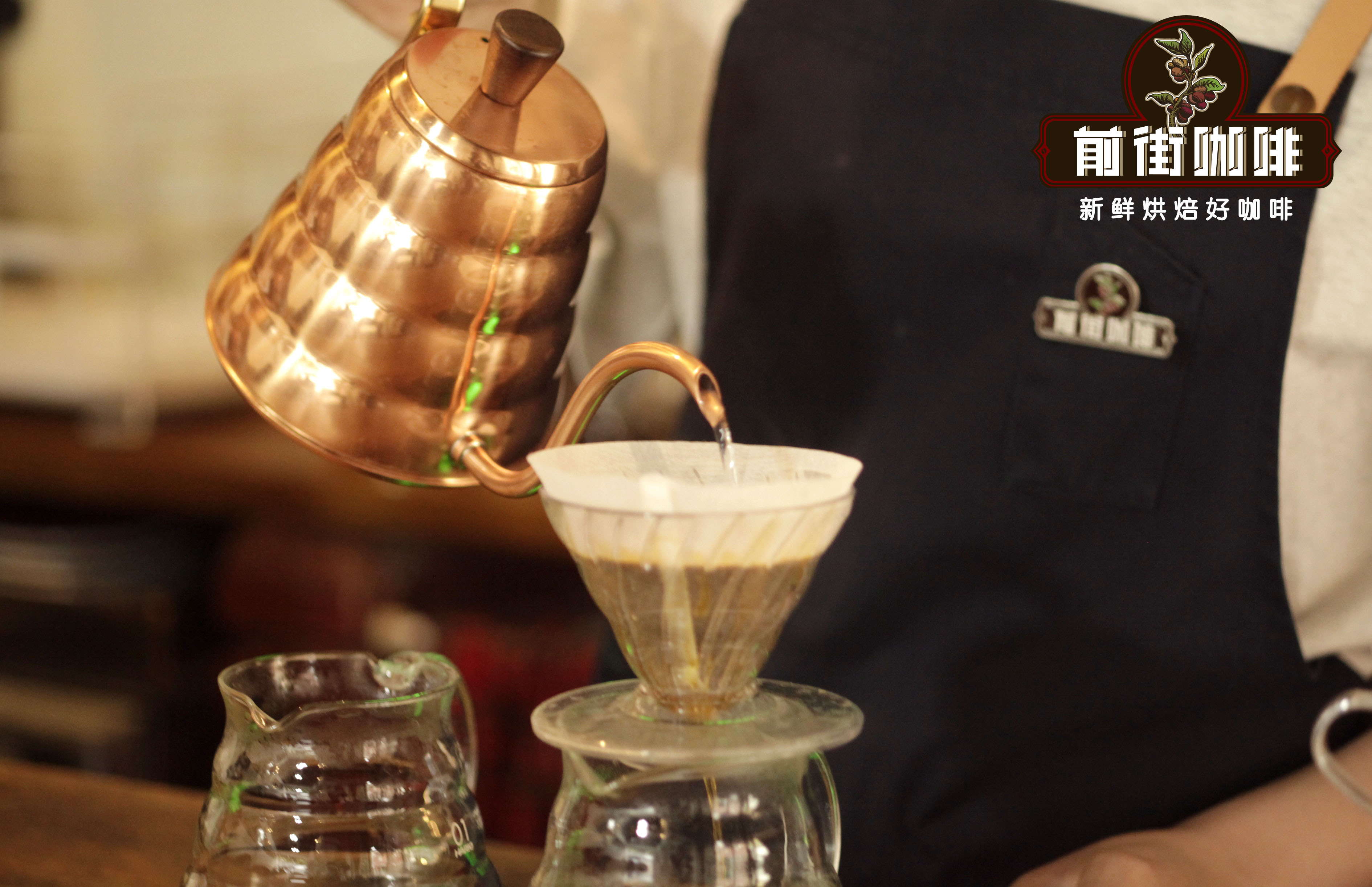
For home brewing, a V60 cone dripper is recommended; its wide opening and spiral ribs improve degassing efficiency, thereby optimizing extraction uniformity. Recommended parameters: water temperature 90–92°C, coffee-to-water ratio 1:15, grind size medium-fine (close to fine sugar, about 57% passing through a standard No. 20 sieve). Use a staged extraction: first bloom with 30 g of water for 30 seconds, then pour in a small stream in circles to 124 g in stages, and when the water level drops and is about to expose the coffee bed, continue pouring to 227 g and stop; finally wait for the water level to drop and remove the dripper. Total extraction time should be controlled at about 2 minutes.
In terms of flavor, this Typica coffee typically presents floral and fruity aromas, with a melon-like sweetness in the middle and a gentle black tea finish at the end; the overall cup is balanced and clearly layered, suitable for coffee lovers who enjoy a fresh, bright flavor.
From the coffee tree's growth cycle to the flavor characteristics of the Typica variety, and to the key details of high-altitude cultivation and meticulous processing, understanding this knowledge not only helps us better appreciate how hard-won a cup of coffee is, but also helps coffee lovers make wiser choices when buying and brewing.