Yunnan vs. Hainan Coffee Beans: Flavor Differences and Arabica Buying Guide
Introduction: China's two major coffee-producing regions, Yunnan and Hainan, each have their own characteristics, with significant differences from growing altitude to variety selection. This article provides an in-depth analysis of the flavor characteristics, growing history and processing techniques of the mainstream coffee beans from both regions, helping enthusiasts choose beans suited to their taste preferences, and offers professional brewing parameter recommendations.
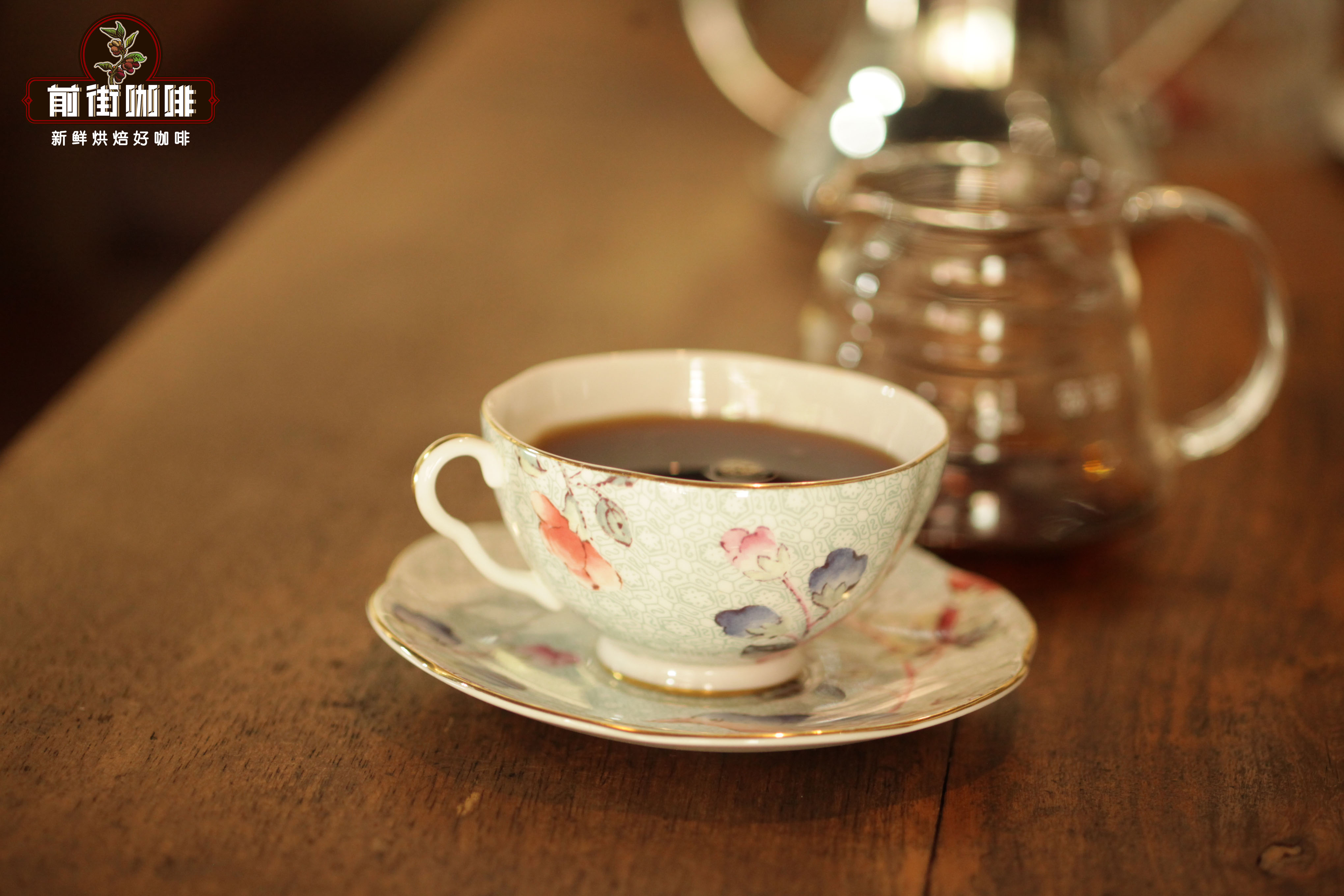 In the 1950s, Premier Zhou Enlai praised the quality of local coffee during an inspection tour of Hainan. Today, Chinese consumers often face the dilemma of choosing between Yunnan and Hainan coffee beans. As the country's only large-scale coffee-producing regions, the two places have completely different bean characteristics and flavor profiles.
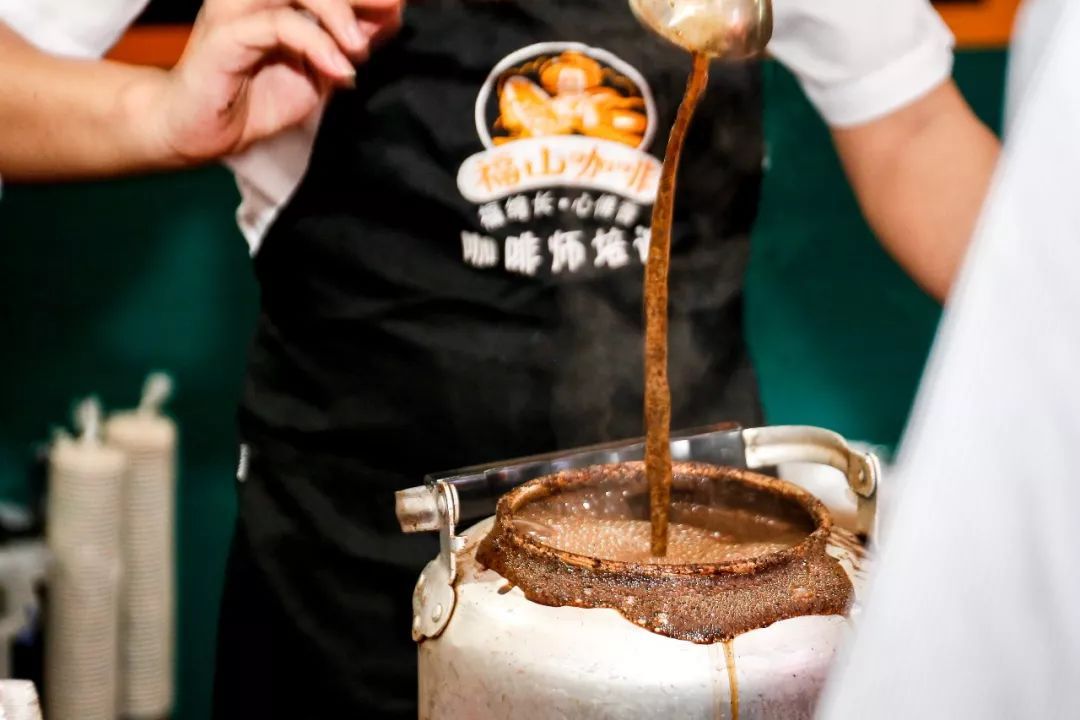
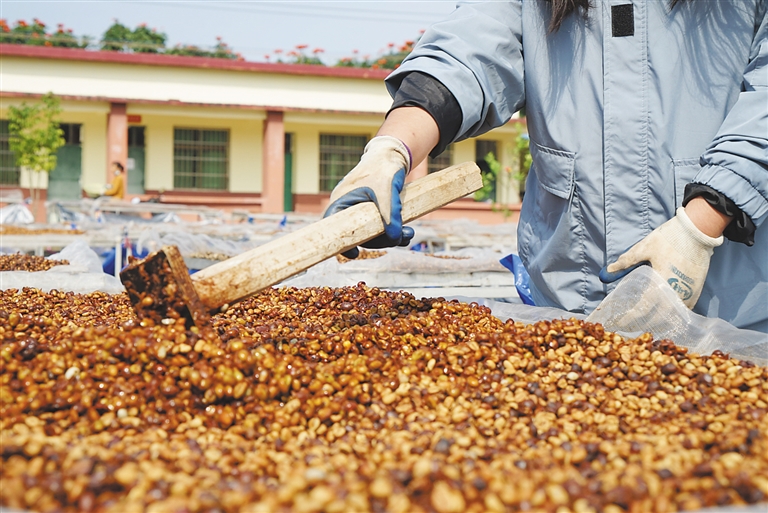 Hainan's coffee industry began in 1953 with Robusta varieties introduced at the Xinglong Overseas Chinese Farm, and by the 1970s the planted area exceeded a thousand mu. Meanwhile, Fushan coffee developed in Fushan Town, Chengmai, reaching a cultivation scale of 60,000 mu and an annual output of 3,000 tons by 2013. Constrained by the island's low-altitude environment below 200 meters, Hainan mainly grows Robusta, which is highly disease-resistant but weaker in flavor. The local specialty sugar-roasting technique—stir-frying sun-dried beans with white sugar in a large iron wok over low heat until caramelized—creates a uniquely sweet, wok-charred flavor.
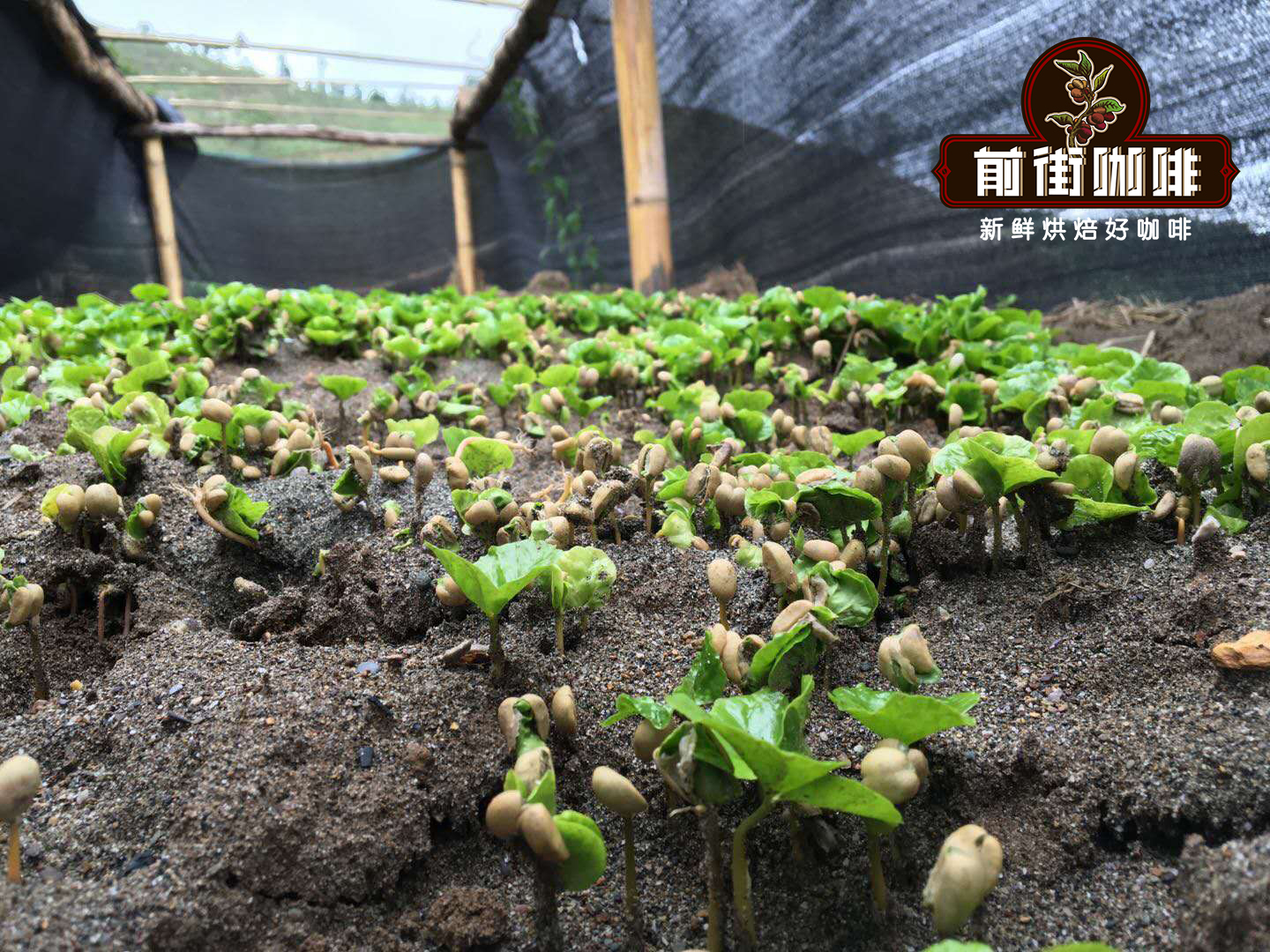
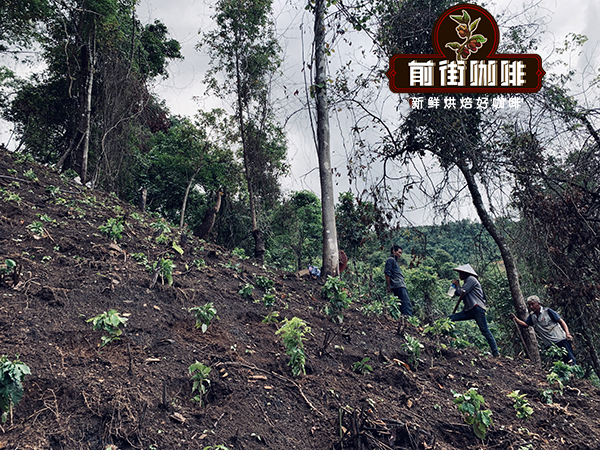
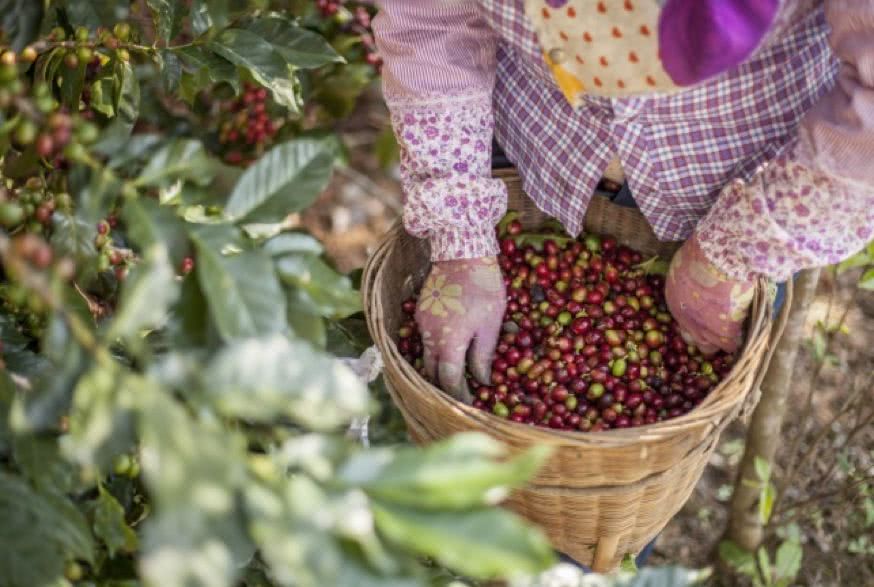
 Yunnan's coffee-growing history dates back to 1904, when French missionaries planted Arabica coffee trees in Zhugula Village, Dali; 24 of them still survive today. In 1952, the Baoshan Tropical Economic Research Institute promoted planting in the Nujiang River basin, and after international coffee companies introduced technology in 1988, the Catimor hybrid (containing 25% Robusta genes) became the main variety, accounting for 90% of the province's planted area. This variety combines disease resistance with relatively balanced cupping performance.
The core differences between the two regions are reflected in: altitude conditions (Yunnan 1,200–1,800 meters vs. Hainan <200 meters), variety types (Yunnan mainly promotes Arabica vs. Hainan Robusta), and flavor hierarchy (Yunnan shows citrus/floral/nutty notes vs. Hainan highlights caramel/chocolate richness). Professional cupping data shows that washed beans from Yunnan's high-altitude regions generally have 30%–45% higher acidity brightness than comparable Hainan products.
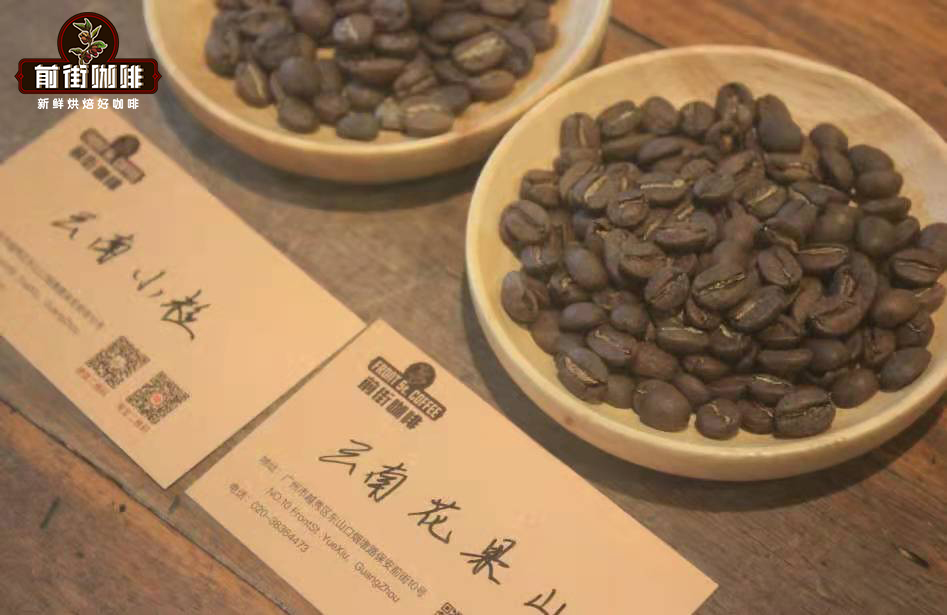
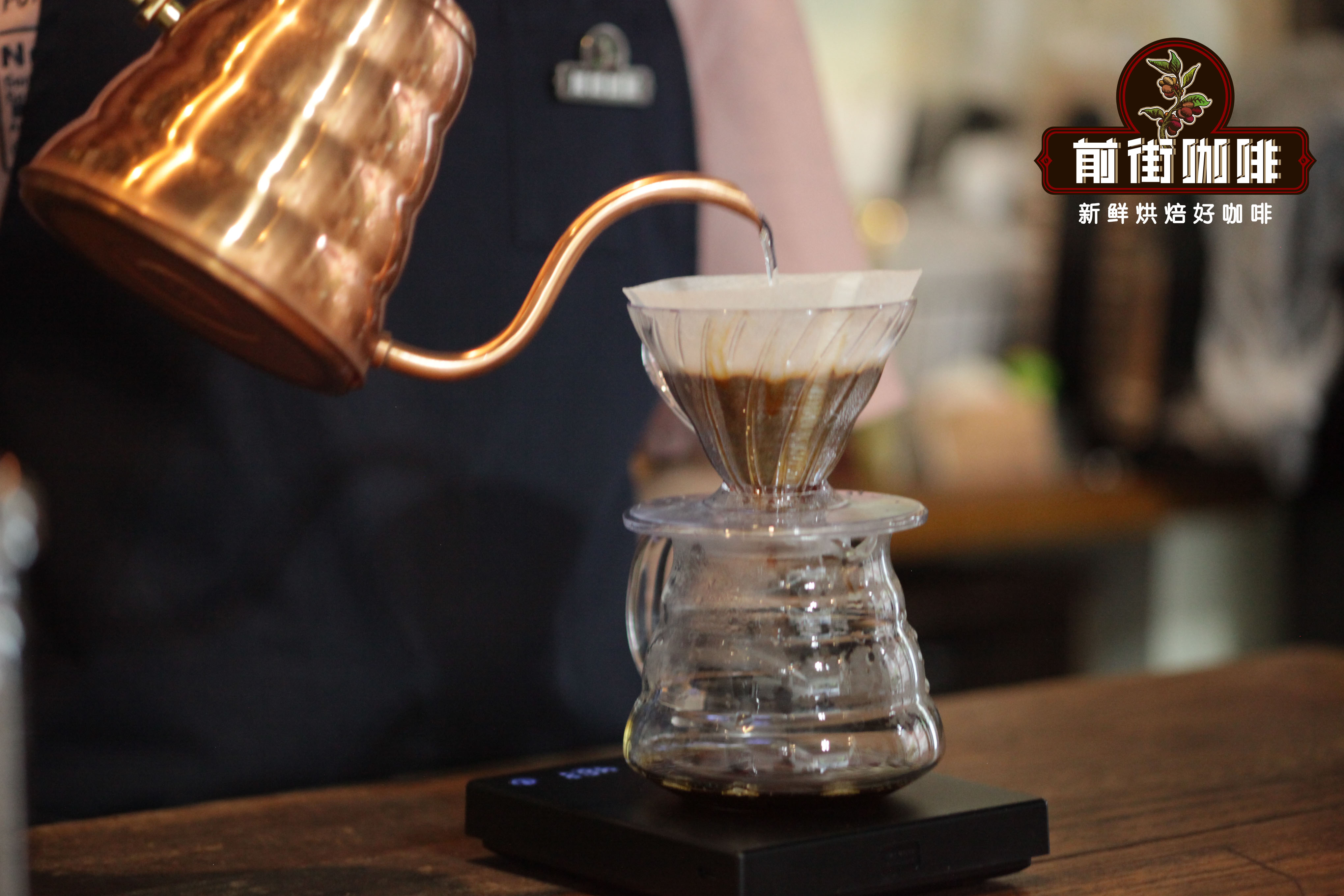
 The Typica variety produced in the Nujiang Ba area of Baoshan, Yunnan (now mostly grown in micro-lots), shows distinct fruity layers after medium roasting: the opening presents melon and herbal notes, the middle transitions to nuts and milk chocolate, and the finish carries apricot acidity and a black tea aftertaste. Recommended brewing: 90–92°C water temperature, V60 dripper at a 1:15 coffee-to-water ratio, using a staged pouring method (first pour 30 grams for a 30-second bloom, then continue to 124 grams, then in stages to 227 grams), extracting for 2 minutes to enhance the sweet-sour balance.
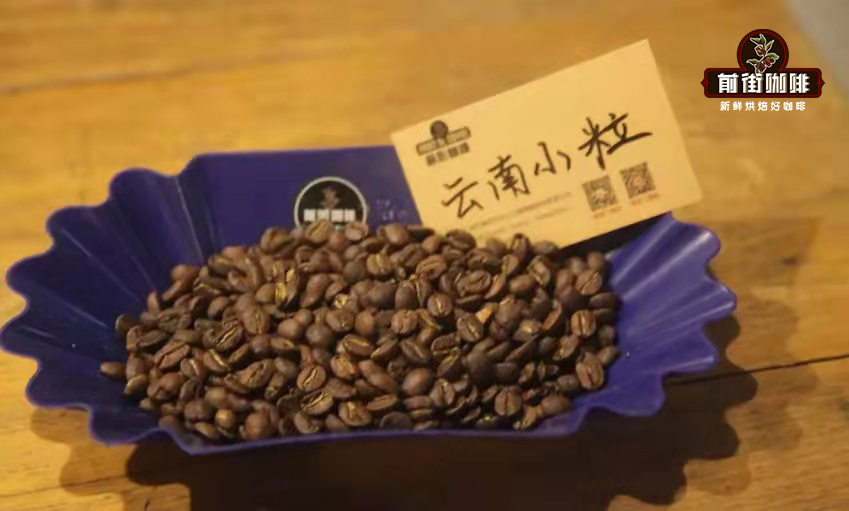
The washed Yunnan Catimor (the mainstream commercial variety) performs more balanced, with prominent Asian herbal aromas, soft acidity and a full body. In actual cultivation, note: the optimal harvest period for Robusta is after the rainy season ends, and Arabica varieties must be picked strictly according to red-cherry ripeness grading; these two key factors directly affect the final flavor purity.