Which milk makes the best latte? A bean pairing and flavor guide

Introduction: Since the 17th century, the combination of coffee and milk has been a classic. Today, milk coffee drinks such as lattes and cappuccinos are widely popular, but do you know which milk is best suited to a latte? This article explains in detail how different types of milk affect coffee flavor and recommends espresso beans suitable for making lattes, helping you mix a more delicious milk coffee.
The practice of adding milk to coffee can be traced back to the 17th century. At the time, someone drew on the British habit of adding milk to tea and tried adding milk to coffee to soften its bitter taste. This practice gradually evolved into today's diverse milk coffee drinks, such as lattes, cappuccinos, mochas and flat whites. As the variety of milk on the market grows ever richer, which milk is actually best suited to coffee in order to present the best flavor?

Regarding the origin of combining coffee and milk, some records note that around 1660, a European official stationed abroad, inspired by British tea culture, added milk to coffee for the first time to improve the taste. Because tea shipped from the East to Europe was expensive at the time, only the upper classes could enjoy it, and the bitterness of tea deterred many people; adding milk made it smoother and more palatable. This practice of blending two drinks was also borrowed for coffee, becoming one of the earliest attempts to add milk to coffee.

Entering the 20th century, with the invention of the semi-automatic steam-pressure coffee machine, Italy began to popularize the practice of combining espresso with steamed milk, giving birth to the classic Italian latte. Originally, "caffe latte" literally means the combination of "coffee and milk." Thanks to the spread of Italian coffee machines, the ways of combining coffee and milk have become more diverse, and different milk choices also directly affect the final flavor expression.
Take the common latte as an example: it usually mixes espresso and steamed milk in a certain ratio. For example, a standard recipe often uses 40 grams of espresso liquid with 260 grams of steamed milk; this ratio ensures a balance between the richness of the coffee and the silkiness of the milk. Among the many types of milk, whole fresh milk, having undergone pasteurization, retains relatively rich fat and nutrients, has a smoother and creamier mouthfeel, and is a popular choice for making lattes.

However, for the same iced latte, why does the taste differ so much between different coffee shops? The main influencing factors are the types of milk and coffee beans used. Coffee beans in particular play a decisive role in the flavor direction of the whole latte. According to different roasting styles and blending methods, espresso beans can be roughly divided into two categories: rich and full-bodied, and floral-fruity; different types give the latte distinctly different flavor characteristics.
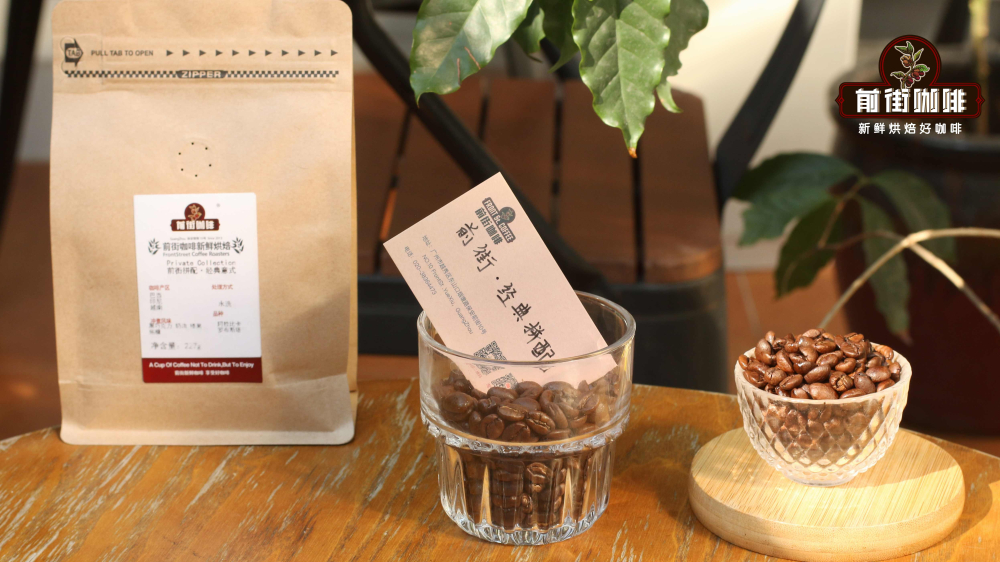
For consumers who like rich nutty, chocolate and heavy mouthfeel, full-bodied blended coffee beans are recommended. These beans usually have a higher oil content, and the extracted coffee carries aromas of caramel, biscuit and butter; combined with milk, it forms a smooth, layered mouthfeel. Lattes made with such beans often show a strong coffee aroma and a dense, oily texture, and are very suitable for pairing with whole milk.
The other category is balanced blended coffee beans. These beans are usually milder in taste, with moderate acidity, nutty and cocoa aromas, and a sweet aftertaste; the overall performance is balanced and suitable for daily drinking. They set off the sweetness of the milk well without masking the coffee's own gentle character, offer good value, and are the everyday choice of many coffee lovers.

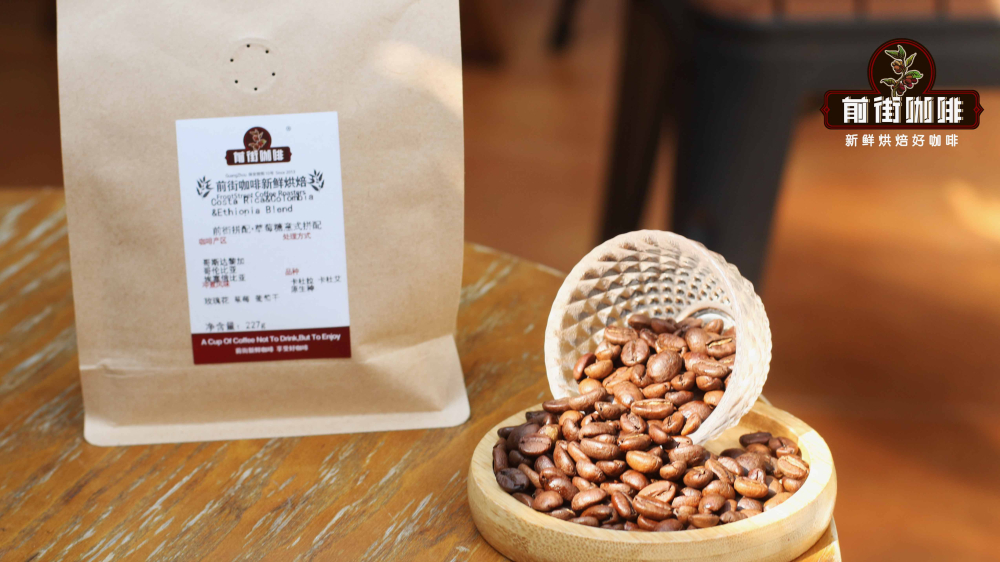
If you prefer fruity and floral notes, you can choose floral-fruity blended coffee beans. These beans often carry fresh fruity aromas such as berries, grapes and passion fruit; blended with milk, they bring a brighter and livelier mouthfeel. For example, some blends show flavors reminiscent of cranberry cookies and dried strawberries, with almonds or floral notes in the finish, very suitable for consumers seeking a fresh taste.
In addition, some blends highlight caramel and vanilla cream flavors. These beans carry a warm sweetness after extraction, and combined with milk they present a dessert-like flavor, especially suitable for latte lovers who like rich milkiness and prominent sweetness.
When choosing milk, whole fresh milk is the most common choice, but there are many whole milk brands on the market, and their mouthfeels vary considerably. Some have a rich milk flavor and heavy texture, while others are relatively light and close to watery. It is advisable to choose milk that matches the flavor of the coffee beans used. For example, an overly rich milk flavor may mask the delicate flavors of the coffee, while milk that is too watery will make the whole latte seem thin and weak.
Besides whole milk, some coffee lovers also try low-fat milk, skimmed milk, oat milk, soy milk or pasteurized fresh milk as substitutes; each milk brings a different mouthfeel and flavor expression. For example, oat milk brings a creamier mouthfeel and natural sweetness, while soy milk may carry a distinctive bean aroma, suitable for vegetarians or people with lactose intolerance.
In short, making a delicious latte requires not only mastering the ratio of coffee to milk but also carefully selecting the right coffee beans and milk type according to personal taste preferences. Through constant experimentation and adjustment, you too can mix your own perfect milk coffee.