Ethiopian Natural Hualukui G1: Hambella 7063 Lot and Grading Explained
Introduction: Ethiopia's coffee grading system often confuses enthusiasts, especially the meanings of G1, G2 grades and codes like Hambella 7063. This article provides an in-depth analysis of Ethiopia's official coffee grading standards, reveals whether natural Hualukui G1 is truly the best choice, and interprets the region and lot information represented by Hambella 7063. It also introduces the geographical advantages of the Hambella region, details of the natural processing method, and practical factors affecting flavor, helping you choose coffee beans more scientifically.
As one of the birthplaces of coffee, Ethiopia's coffee bean grading system is mainly based on two core indicators: cupping performance and green bean defect rate. This system was established by the Ethiopia Commodity Exchange (ECX) and divides coffee into different grades, among which G1 and G2 are generally considered the threshold for specialty coffee.
In the cupping session, evaluators mainly focus on the cleanliness of the green beans, the distinctive flavor of the region, the overall cupping performance, and the uniqueness of the beans. According to the internationally accepted SCAA standards, G1 and G2 grade coffees with cupping scores of 85 points or above are classified as Q1 specialty grade; G1, G2, and G3 with scores between 80 and 85 belong to Q2 grade; and all grades below 80 are classified as G3. This scoring mechanism ensures consistency in flavor performance for higher-grade coffees.
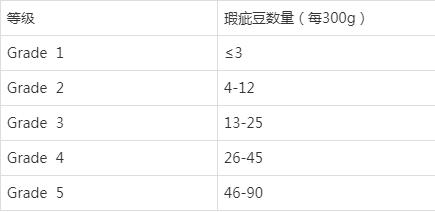
In addition to cupping, the physical defect rate of green beans is also key to determining the grade. Taking the washed process as an example, inspectors randomly sample 300 grams of green beans; if the number of defective beans is between 0 and 3, the lot can be rated Grade 1; 4 to 12 is Grade 2. The entire grading system has 9 levels, among which G1 and G2 are specialty grade, while G3 to G9 are mostly commercial or local consumption grade. It is worth noting that before the ECX system was established, the highest grade for natural beans was only G3, but with updated standards, G1 and G2 grades have been introduced for natural beans. Currently, most common Ethiopian natural beans on the market are G1 and G2, and G3 grade is gradually decreasing.
The scoring system for natural processed coffee is more complex, with physical characteristics accounting for 40% (including 30% for defect count and 10% for odor) and cupping quality accounting for 60% (covering 15% for cleanliness, 15% for acidity, 15% for body, and 15% for flavor characteristics). This scoring method ensures that natural coffee meets certain standards in both flavor and appearance. Different lots of coffee beans usually carry unique numbers, such as Hambella 7063, which actually represents the region and processing lot information of the coffee beans, rather than a direct quality indicator.
In Ethiopia, coffee grades are generally divided into three major categories: Speciality, Commercial, and Local/Domestic. Specialty grade coffee requires very few defects and excellent cupping flavor, mainly for the international market; commercial grade, although not meeting specialty standards, is still better than ordinary consumption grade; local grade, due to more defects, improper storage, or being out of season, has relatively inferior flavor performance and is mainly supplied to the domestic market.
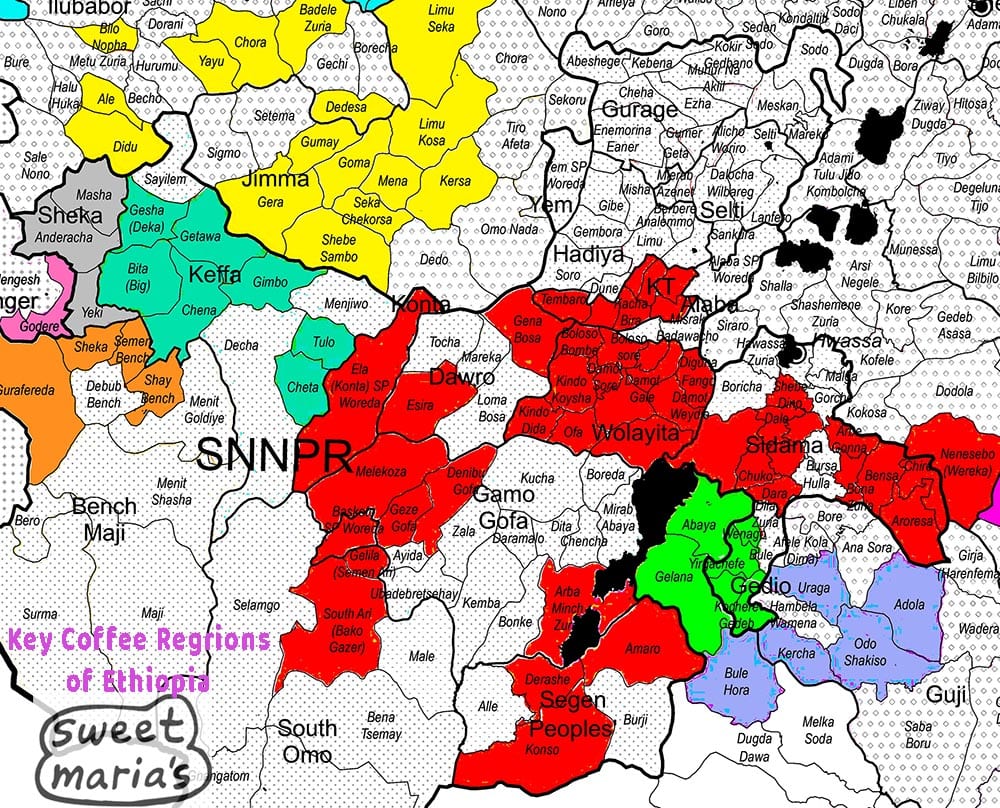
The Hambella region is an important sub-region of the Sidama Guji production area in Ethiopia, located within Guji (GUJI), Ethiopia's largest coffee-producing region, and administratively belongs to Oromia State. The western part of the region is adjacent to the Kochore production area of Yirgacheffe, with a highland barrier of about 3,200 meters altitude between them, while the southeast and north border other sub-regions of Guji. Hambella is not only the highest-altitude sub-region of Guji, but its growing environment also provides a unique flavor foundation for coffee.
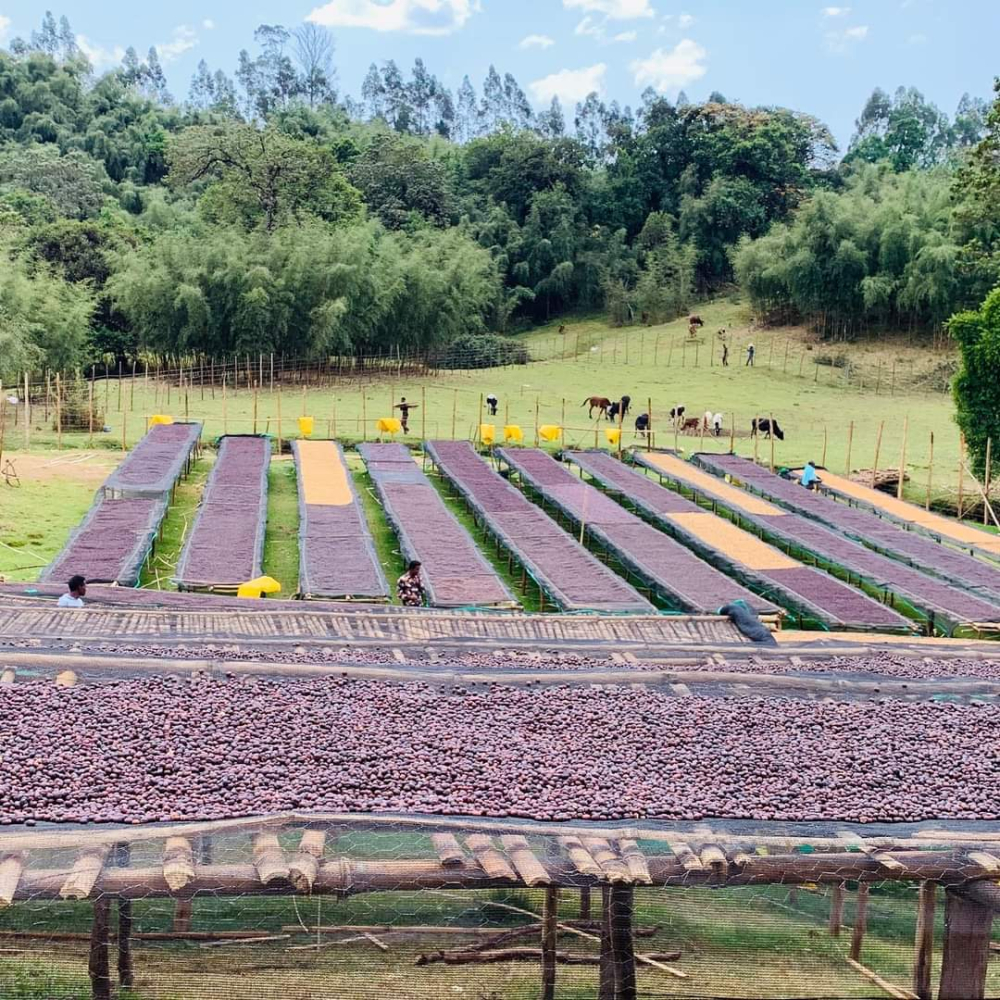
In terms of processing, natural Hualukui coffee uses the traditional natural method. After picking, the coffee cherries are placed on raised drying beds for 21 days. During this period, workers regularly turn the coffee beans to ensure uniform drying and manually sort out defective or moldy cherries every three to five days. After the fruit skin is completely dried and hardened, the outer skin is removed by a hulling machine, and finally a fine sorting is performed to ensure green bean quality.It is worth noting that natural Hualukui coffee is usually classified as G1 grade, which means its defect rate is extremely low, but it does not mean that all G1 coffees have better flavor than G2.
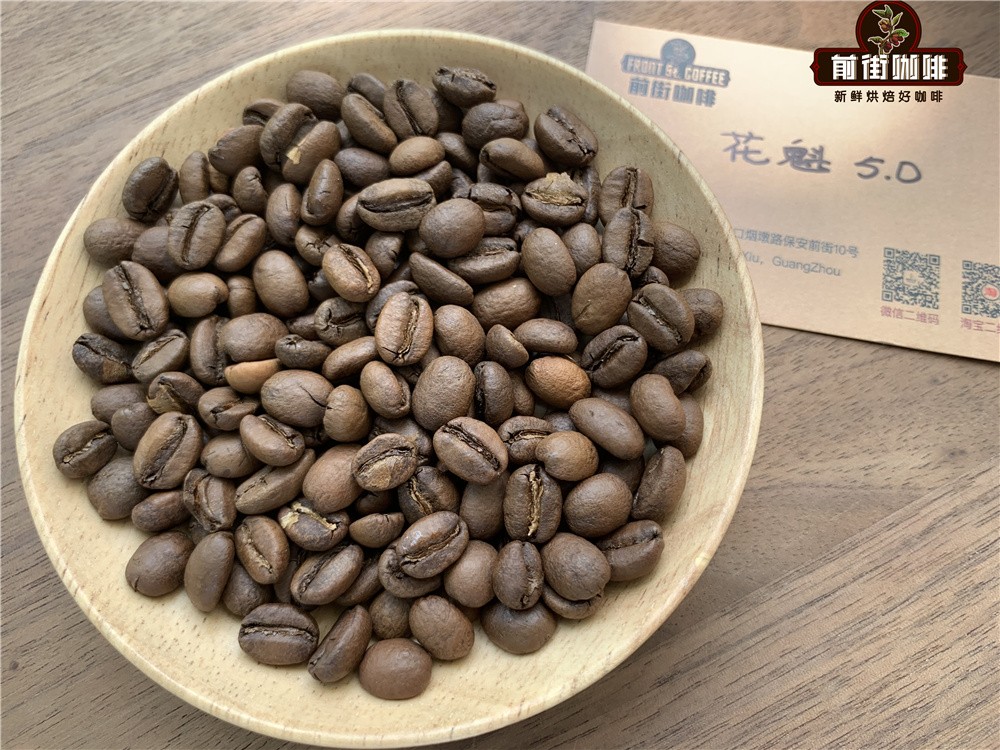
The code Hambella 7063 actually represents the production region and specific lot of the coffee beans. This lot comes from the Buku Abel processing station in the Hambella region, introduced by a Beijing green bean trader and named "Hualukui". Due to different climatic conditions each year, coffee flavors vary slightly, so traders distinguish lots from different years by numbers, such as Hualukui 2.0 to Hualukui 7.0, all produced at the Buku Abel processing station in Hambella.
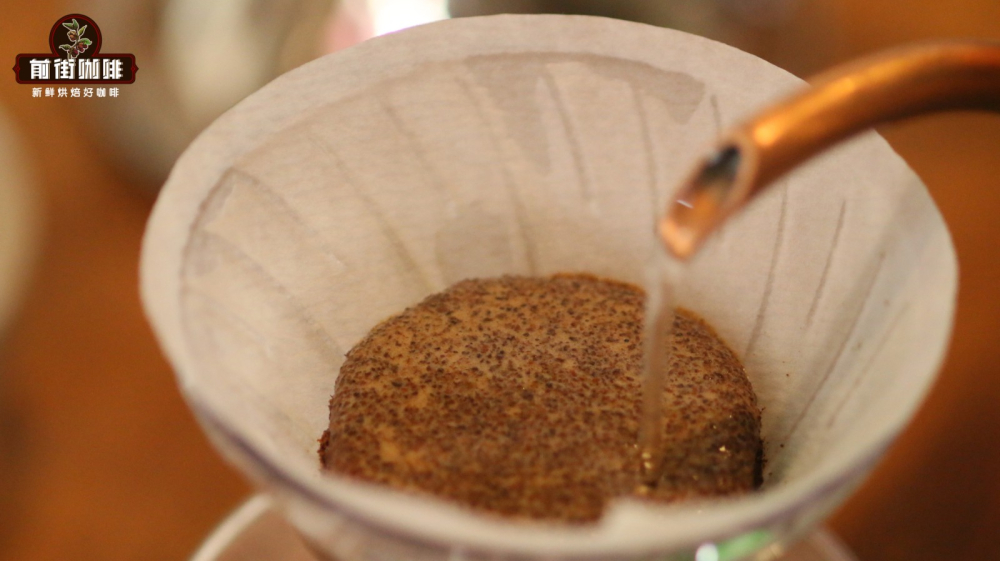
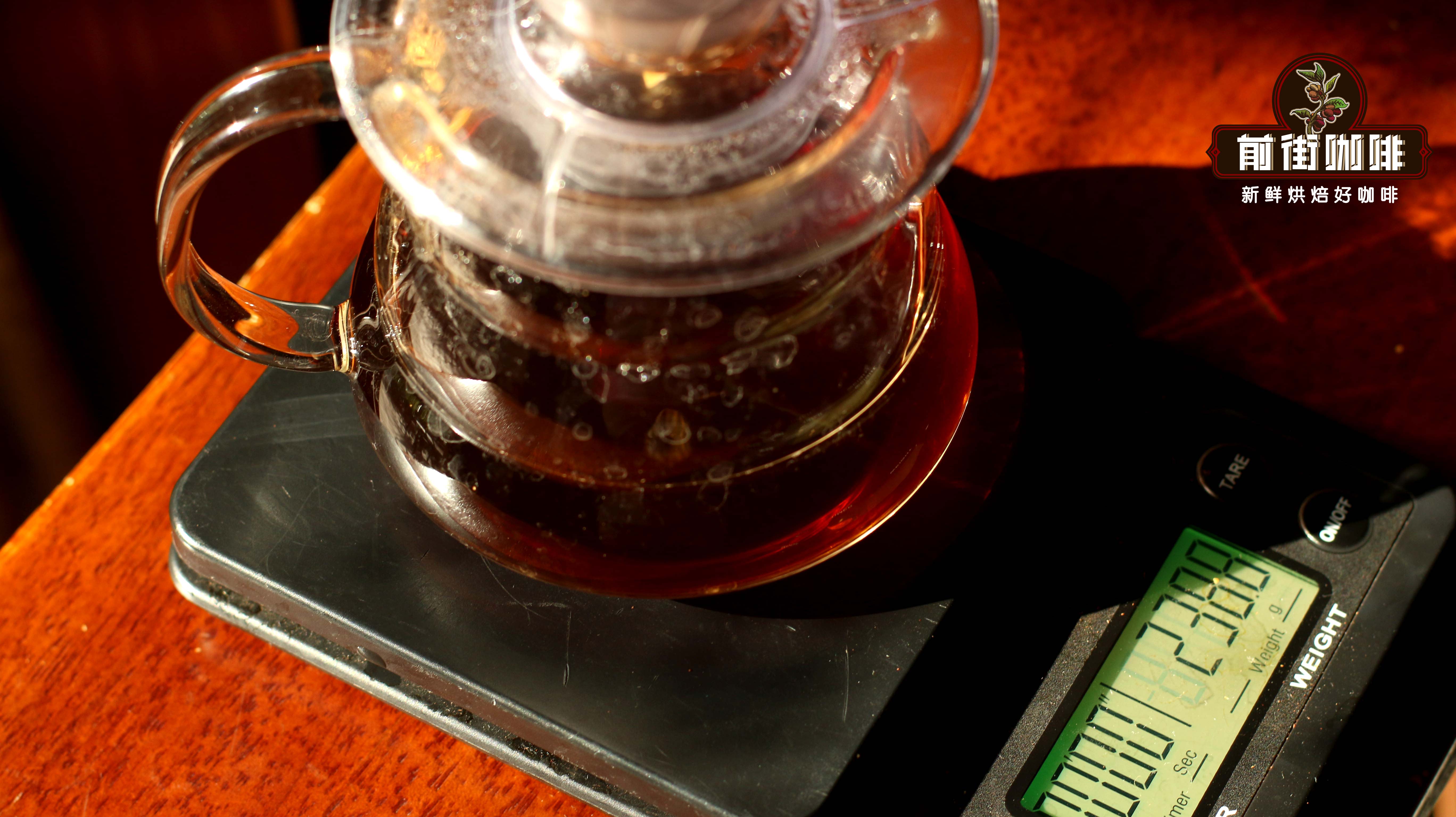
Regarding brewing parameters, to highlight the floral and fruity notes of Hualukui coffee such as flowers, citrus, and mango, a light roast is generally recommended. Lightly roasted coffee beans have a relatively tight structure and are suitable for brewing with a V60 dripper at 91°C water temperature. The V60 dripper's spiral ribs and large center hole design extend the contact time between water and coffee grounds, improving extraction uniformity.The recommended dose is 15 grams, with a coffee-to-water ratio of 1:15, and a grind size of about 80% passing a Chinese standard No. 20 sieve. The specific operation can use a three-stage pour: first bloom with 30 grams of water for 30 seconds, then at 1 minute pour 125 grams of water, and when the water level drops to 2/3 of the coffee bed, continue pouring, finally at 1 minute 40 seconds pour the remaining water, with total extraction time controlled at about 2 minutes.
In terms of flavor performance, natural processed Sidama Hualukui coffee typically has light fermented wine aroma, citrus, mango, and honey with rich layers of fruitiness, a full body with obvious sweetness, and a lingering finish. However, coffee flavor is not only affected by grade but also closely related to processing method, roast level, and brewing method. For example, light roasting better preserves floral and fruity notes, while dark roasting may emphasize caramel and chocolate flavors.
The difference between G1 and G2 grades is mainly reflected in the defect rate: G1 has fewer defective beans and theoretically more stable quality, but there may be no significant difference in flavor performance between the two. Therefore, consumers do not need to overly pursue G1 grade when choosing, but should comprehensively consider factors such as region, processing method, and roast level. In addition, freshness has a great impact on coffee flavor; it is recommended to choose coffee beans within 5 days after roasting and drink them 4 to 7 days after roasting for the best flavor experience.