A Global Guide to Quality Coffee Regions: From Yunnan to Latin America

Introduction: The unique flavor of coffee is inseparable from its growing environment. This article examines the climate, altitude, soil, and other key growing conditions of the world's major coffee regions, revealing how these factors shape coffee's flavor characteristics. It focuses in particular on the regional character of Yunnan coffee, compares the flavor differences between Latin American and African regions, and offers practical knowledge such as the growing differences between Arabica and Robusta varieties, helping you fully understand the source secrets of specialty coffee.

Have you heard of the concept of the "coffee belt"? The vast majority of the world's quality coffee grows within this specific geographic zone. As a typical tropical cash crop, coffee is mainly cultivated in the tropical and subtropical regions between the Tropic of Cancer and the Tropic of Capricorn (23°26′ north and south latitude), an area therefore known as the "coffee belt" or "coffee regions." The average annual temperature here stays above 20°C, just meeting the coffee tree's basic need for a warm climate.
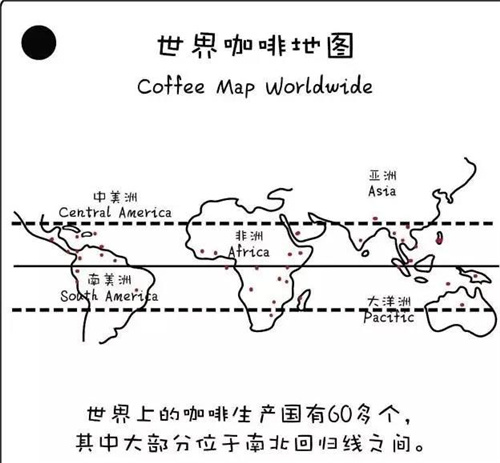
More than 60 countries currently grow coffee, including many regions with exceptionally favorable climate conditions. Notably, factors such as terrain, altitude, soil, and rainfall together determine the final flavor expression of coffee. The Yunnan region, for example, lies within the coffee belt, and its unique microclimate creates a distinctive coffee flavor profile.
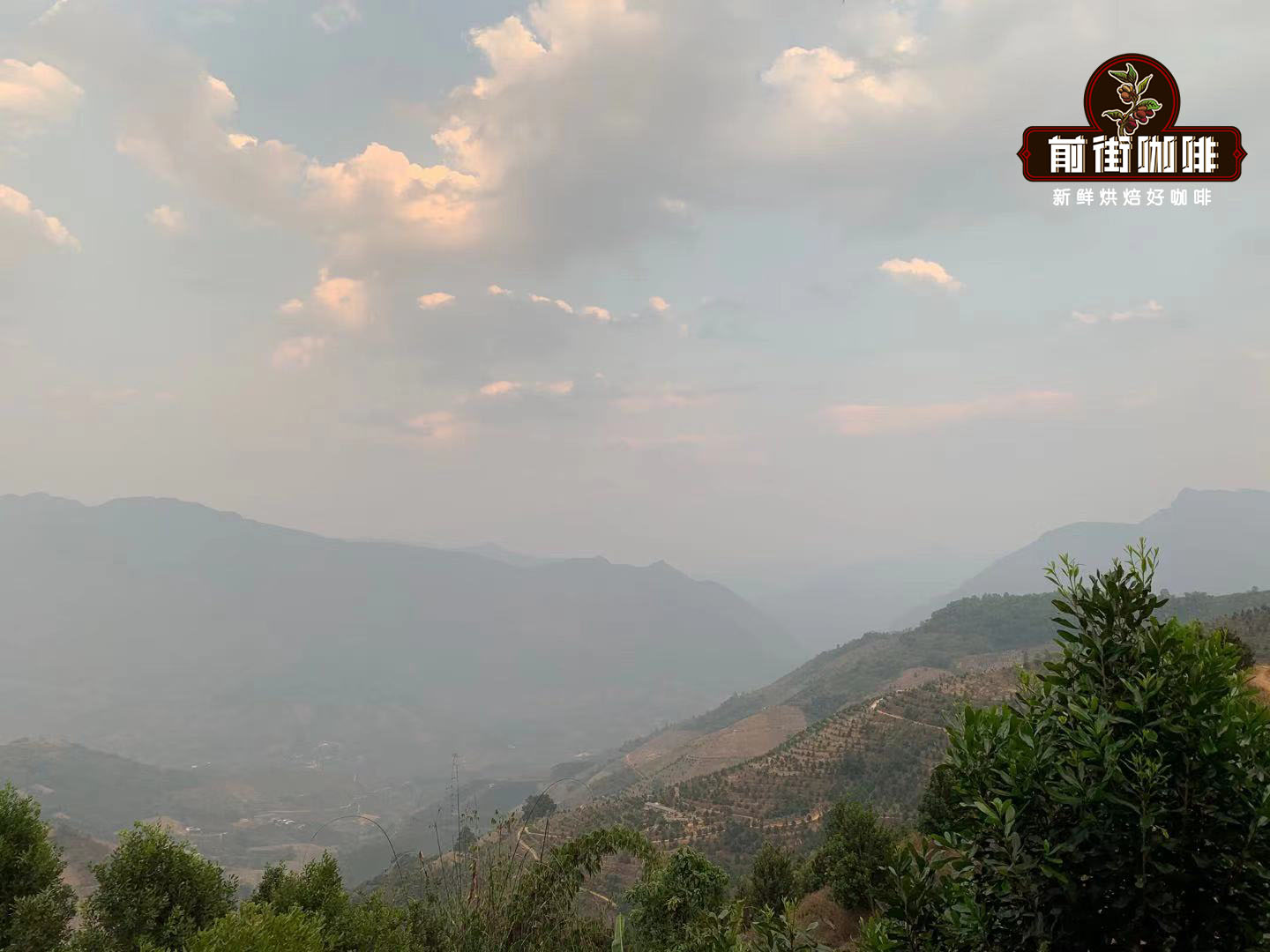
The four core elements affecting coffee flavor are: climate conditions, soil characteristics, altitude, and processing method. These factors interact to ultimately shape the ever-changing flavors in our cups.
Climate conditions
Arabica coffee trees are relatively demanding about their growing environment, with an ideal planting altitude of 1,000–2,000 meters on mountain slopes, where the temperature difference between day and night is pronounced and sunlight is moderate. These coffee trees cannot tolerate high heat and humidity, and are even more afraid of low temperatures below 5°C. By comparison, the Robusta variety is more adaptable (its scientific name means "strong and robust") and can grow in lowlands below 1,000 meters, though its flavor complexity is usually inferior to Arabica.
Specialty coffee regions often have balanced annual rainfall of 1,000–2,000 millimeters, combined with morning mist and significant day-night temperature differences—conditions especially favorable for the accumulation of flavor compounds. Some regions plant shade crops such as banana trees, which both regulate light intensity and improve the microclimate.
Soil characteristics
Volcanic soil, rich in organic matter with good drainage, is an ideal choice for quality coffee cultivation. Such soil typically has just the right moisture and abundant mineral content. The weathered volcanic rock soils widely distributed across the Ethiopian highlands are precisely the important foundation for the famous Yirgacheffe and Sidamo regions.
Beyond volcanic soil, Brazil's Terra Rossa (weathered basalt soil) and the special soils around the Andes Mountains also provide unique flavor foundations for local coffee. Notably, soil pH directly affects coffee's acidity, and the special mineral composition in some regions' soils may impart a distinctive flavor signature.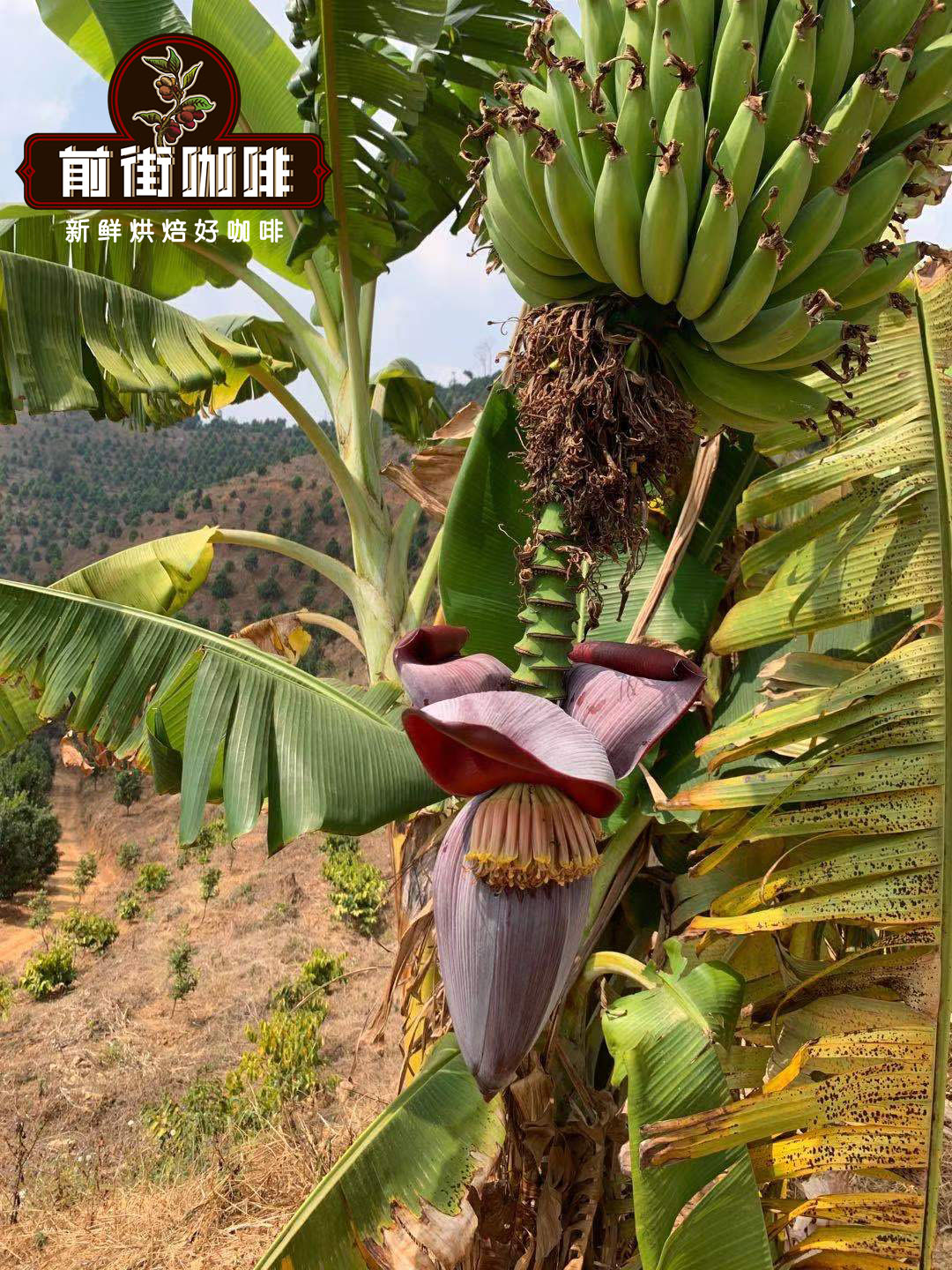
Altitude and terrain
Coffee from high-altitude growing regions typically has brighter acidity and more complex layers. Central American regions often use altitude as a grading standard; for example, Strictly Hard Bean (SHB) above 1,370 meters is considered a high-quality grade. Although steep mountain terrain increases cultivation difficulty, the low temperatures and frequent morning mist effectively slow the ripening of coffee cherries, promoting full development of flavor compounds.
There are exceptions, however—well-known regions such as Jamaica Blue Mountain and Hawaii Kona, though not extremely high in altitude, still produce top-quality coffee thanks to unique combinations of microclimate (suitable temperature, regular rainfall, significant day-night temperature differences). This shows that, provided basic climate conditions are met, terrain factors must be considered comprehensively.
Regional characteristics compared
African coffees are generally known for bright citrus and berry-like acidity, closely related to the region's generally high altitudes and volcanic soils. Latin American coffees often present mellow flavors such as nuts and chocolate, related to the region's predominantly red soils and relatively mild day-night temperature differences. Yunnan coffee, as an emerging region, has a flavor combining nutty notes with moderate fruit acidity, and has gained increasing recognition in the specialty coffee field in recent years.
It should be specially noted that although the Robusta variety is highly adaptable and high-yielding, its flavor characteristics typically show lower acidity, higher bitterness, and stronger body, making it better suited for commercial blends or instant coffee production.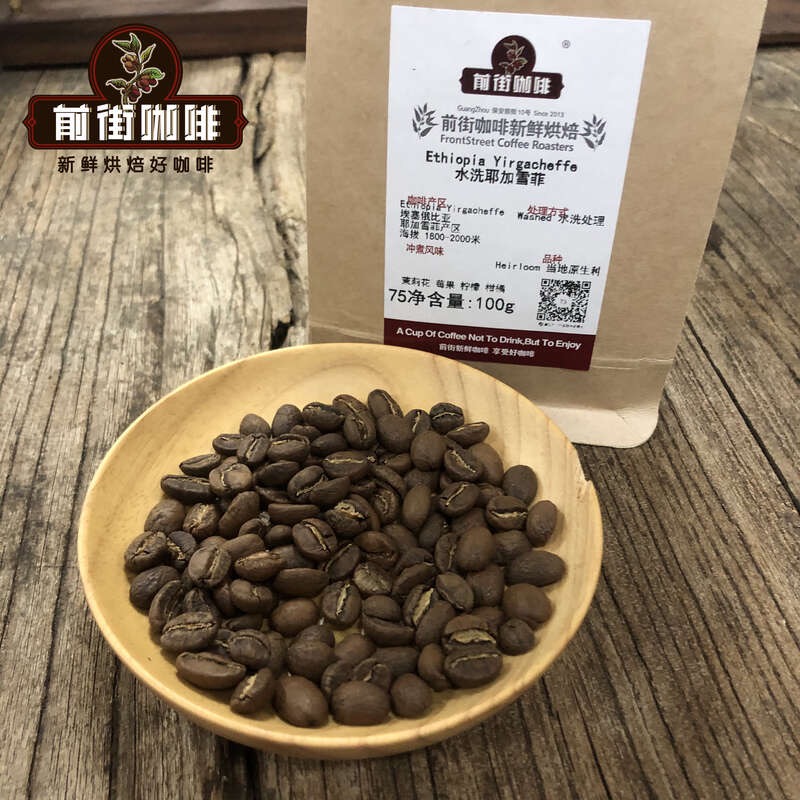
Understanding these regional characteristics and growing principles not only helps coffee lovers better choose beans that suit their personal taste preferences, but also lets us more deeply appreciate the terroir story behind every cup during tasting. From the highland sunshine of Yunnan to the volcanic soils of Ethiopia, each quality region's unique environment leaves an unrepeatable flavor signature in the coffee beans.