Espresso Extraction Guide: Dose Ratios, Grind Size and the 30-Second Parameters
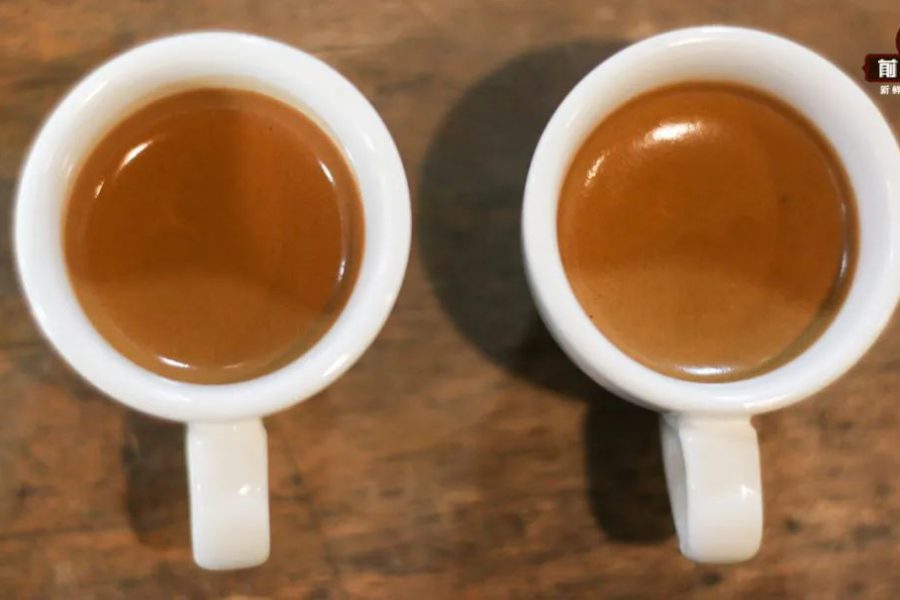
Introduction: Master the core extraction techniques of espresso, from the golden standard of a 1:2 dose ratio to fine adjustments of grind size, and learn how controlling extraction time and flow rate produces an espresso with rich crema and balanced flavor. This article explains the dose standards for single and double shots, common parameter pitfalls, and offers practical adjustment tips to help you easily handle different coffee beans and equipment environments.
Standard Espresso Dose Ratio and Basic Adjustments
The standard extraction dose ratio for espresso is usually 1:2, meaning a single shot uses 9 grams of coffee grounds to extract 18 grams of coffee liquid, while a double shot is 18 grams of grounds extracting 36 grams of liquid. This ratio is the industry's general baseline, but in actual production it needs fine-tuning based on flavor performance. For example, if the coffee flavor is flat, the liquid weight ratio can be appropriately increased; if burnt bitterness or astringency appears, the extraction amount needs to be reduced.
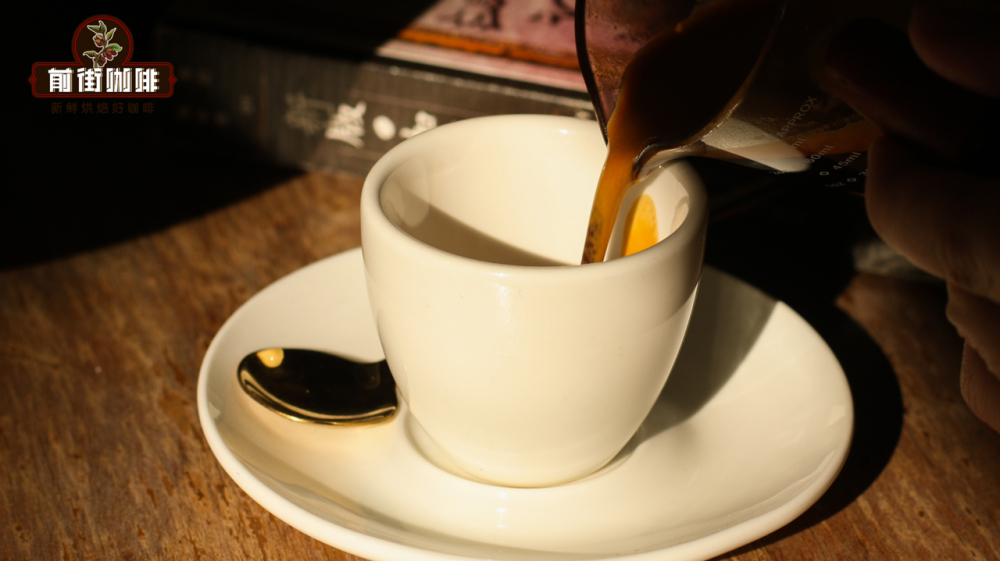
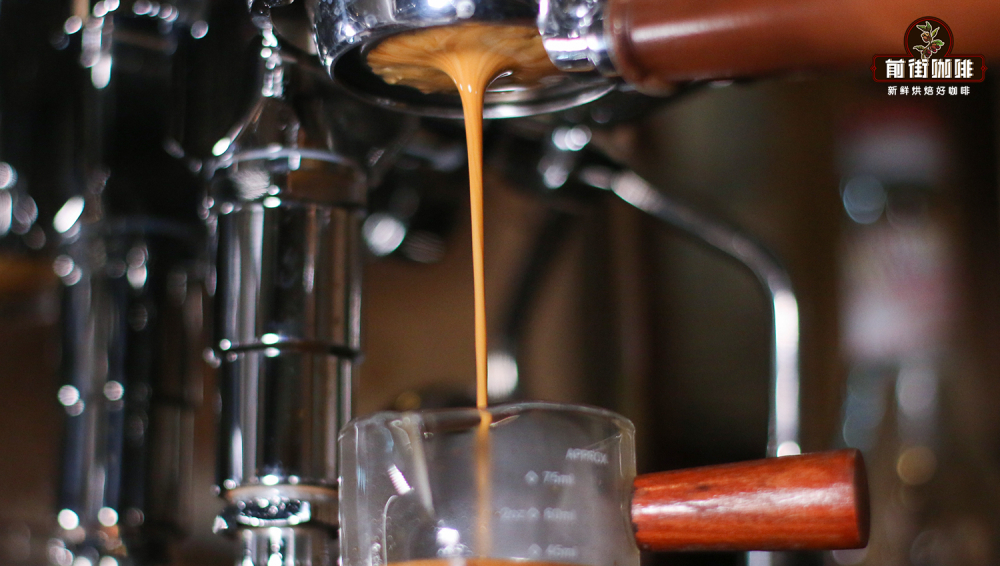
Extraction time is equally critical. Ideally, completing extraction within 9-10 seconds (subject to equipment pressure) ensures the coffee's balance. If the flow rate is too fast (extraction time shorter than expected), the grind is too coarse and needs to be finer; if the flow rate is too slow (still dripping poorly after 30 seconds), the grind is too fine and should be appropriately coarsened.
What Is Espresso?
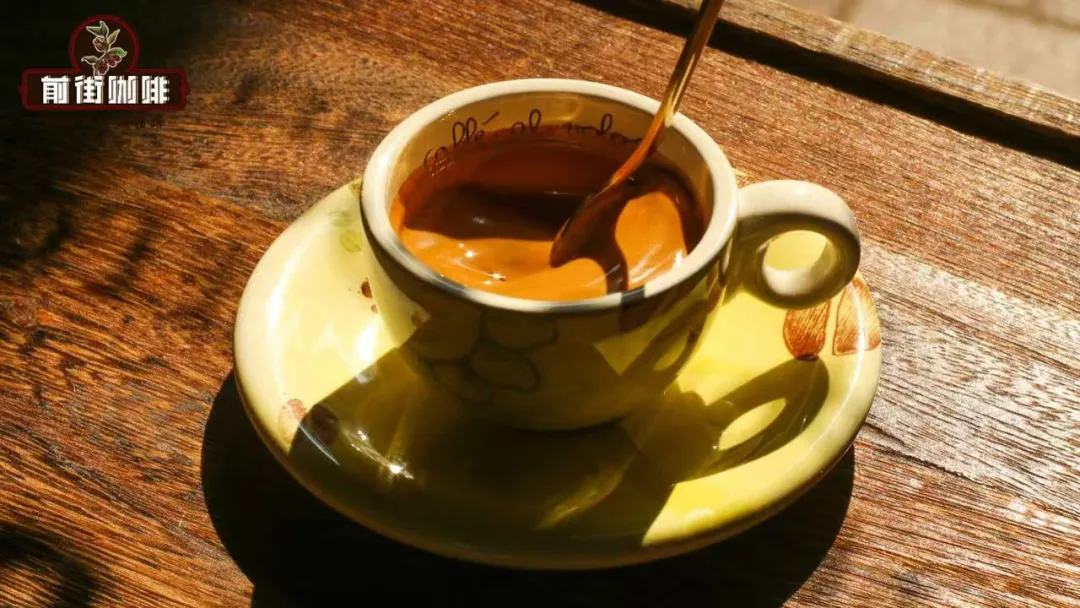
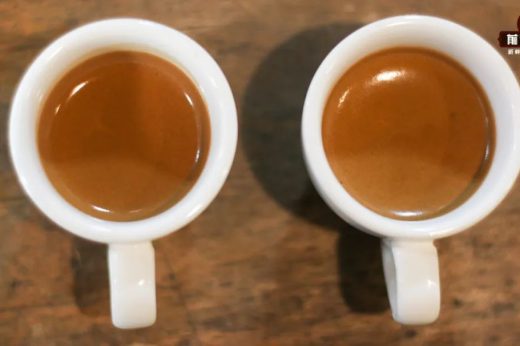
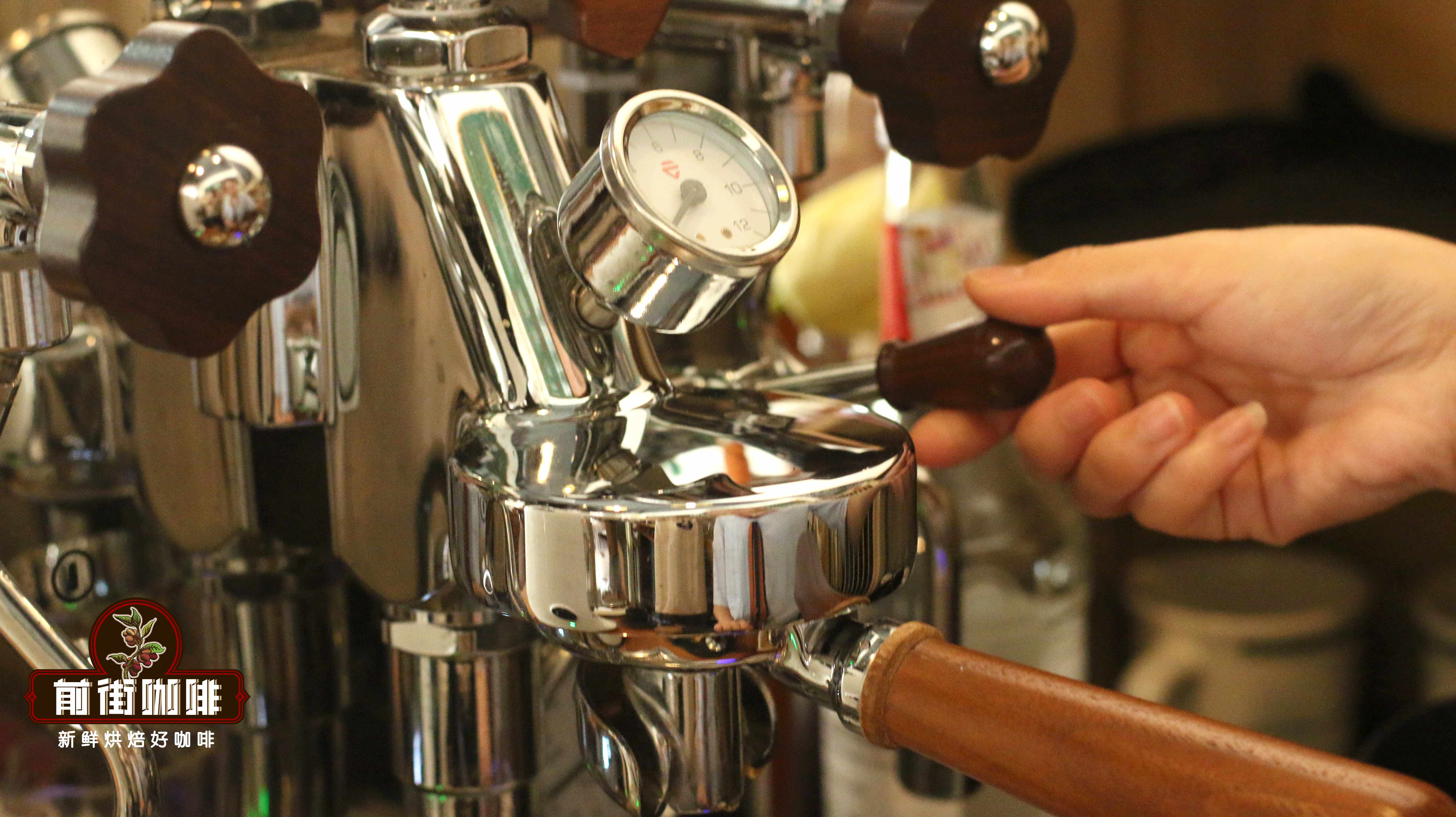
Espresso is a small cup of concentrated liquid quickly extracted by an espresso machine, under high pressure of around 9 bar and high temperature of 90-96°C, forcing hot water through a very finely ground layer of coffee. Its characteristic is a rich layer of Crema (coffee oils) covering the surface, with a full-bodied mouthfeel and concentrated aroma.
This concentrated coffee liquid is the base of many popular coffee drinks, such as lattes, cappuccinos, flat whites and Americanos, all of which are made by adding milk or water to it. Therefore, the flavor of the espresso directly determines the quality of the final beverage.
Why Does Espresso Have Higher Requirements for Coffee Beans?
Because espresso uses pressure extraction, the flavor substances in coffee (including acidity, sweetness and bitterness) are highly concentrated. Light-roasted coffee beans usually have prominent acidity, which is amplified after concentration, and the mouthfeel may be too sharp. Therefore, medium-dark or dark roasted coffee beans are recommended; these beans have balanced bitterness and sweetness and can show more stable flavor performance.
Detailed Explanation of Key Espresso Extraction Parameters
When extracting espresso, the parameters to watch include: dose, dose ratio, grind size, extraction time and pressure. Any slight change in any one of them will significantly affect the final taste.
First, the dose is usually determined by the basket capacity. Common home or commercial double baskets mostly hold around 20 grams, so a single extraction often uses 20 grams of grounds. But in actual use it should be fine-tuned according to basket specifications, avoiding too much or too little grounds affecting extraction uniformity.
Regarding dose ratio, besides the standard 1:2, it can also be adjusted between 1:1.5 and 1:2.5 according to personal preference. For example, for stronger concentration and a fuller mouthfeel, choose 1:1.8 or even 1:2; if you prefer a lighter mouthfeel, adjust to 1:2.2 or 1:2.5. But note that too low a liquid weight may lead to a one-dimensional flavor, while too high easily causes over-extraction.
Grind size adjustment is the key to espresso success or failure. Espresso grinding is far finer than pour-over; too coarse particles cause water to flow through the coffee bed too quickly, resulting in under-extraction, with a thin and sour flavor; too fine particles may trigger channeling, with local over-extraction bringing burnt bitterness and astringency. When adjusting, it is recommended to only fine-tune the grind setting by 1-2 steps each time, and adjust in combination with observing the flow rate.
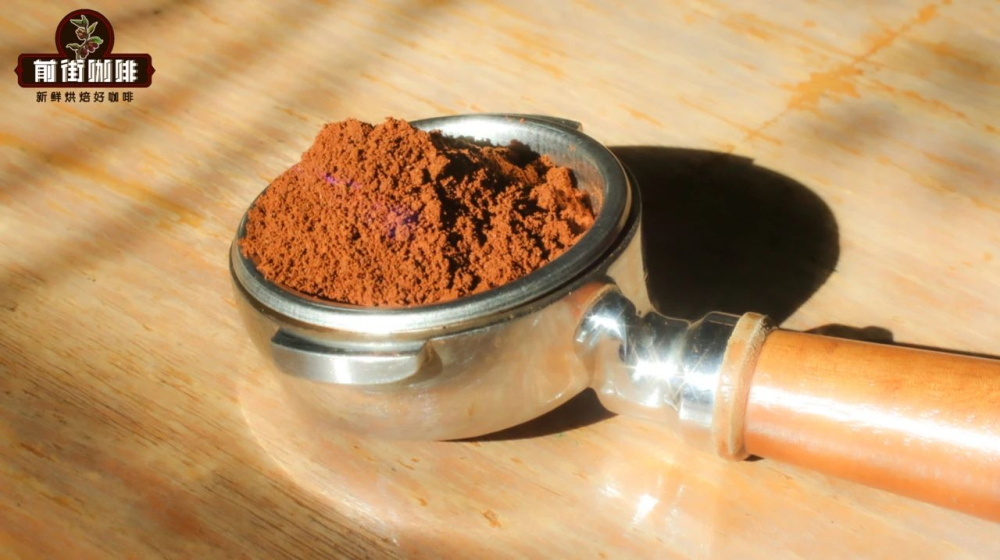
Ideally, 20 grams of grounds under 9 bar pressure should extract 40 grams of coffee liquid, with the time controlled at 25-30 seconds. This range ensures full extraction of flavor substances while avoiding the risk of over-extraction. If the extraction time is too short, the grind can be appropriately made finer; if too long, the grind needs to be coarsened.
Common Pitfalls and Practical Advice
Many beginners easily fall into the pitfalls of "the finer the better" or "the higher the pressure the stronger." In fact, pressure is determined by the coffee machine and should not be adjusted manually; and too fine a grind not only may cause extraction imbalance but also increases the machine's load and shortens equipment life.
In addition, environmental factors such as humidity and temperature also affect the water absorption rate and grinding performance of coffee grounds. In summer or humid weather, coffee grounds may absorb water faster and the grind needs to be appropriately coarsened; in winter or dry environments the opposite may apply. Therefore, regularly fine-tuning parameters according to actual conditions is a basic skill of professional baristas.
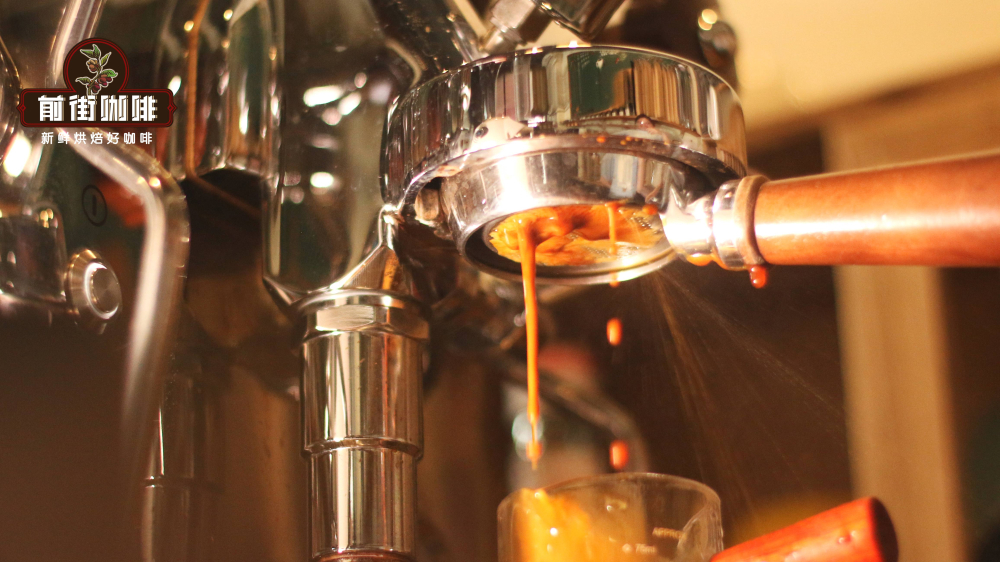
In short, mastering the art of espresso extraction requires continuous practice and observation. From dose ratio and grind size to extraction time, every parameter is interrelated; only by finding the balance point suitable for your own equipment and beans can you consistently produce a perfect espresso with full flavor and abundant crema.