Drip Bag Coffee Brewing Guide: Blooming, Second Extraction, Foam and Flavor
Introduction: Drip bag coffee, a brewing method that combines convenience with quality, is popular among coffee lovers. But in practice, many people run into questions such as whether blooming is necessary, what the amount of foam indicates, and whether a second extraction is possible. This article addresses these common questions and takes a detailed look at the techniques and finer points of brewing drip bag coffee, helping you master a more professional approach and improve the flavor of every cup.
Among the many convenient coffee formats, drip bag coffee has become a daily choice for many coffee lovers thanks to its simple operation and the fact that it requires no complicated equipment. It does not lose the layers of flavor the way instant coffee does, and it is easier to master than professional pour-over: all you need is a cup, hot water and your own two hands to enjoy a fragrant cup of coffee.
Yet even with the same drip bag, the cup different people brew can vary widely—some come out thin as water, some noticeably bitter, and some approach the standard of professional pour-over. What exactly influences the final flavor? Below we offer detailed answers and practical suggestions for several of the most frequently raised questions.

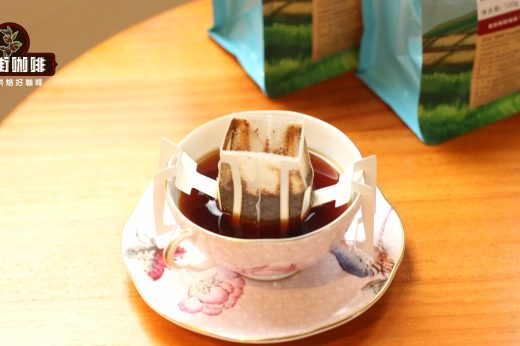
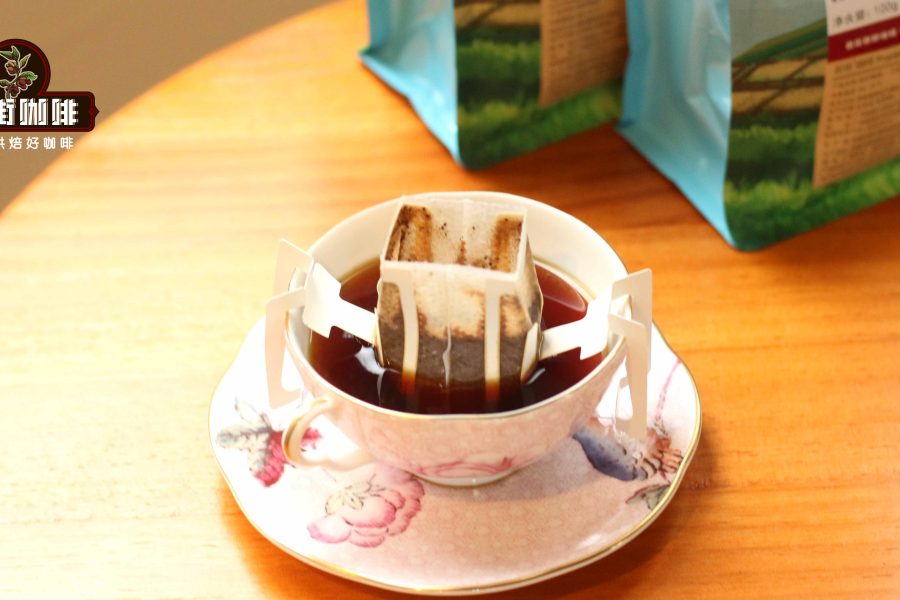
Drip bag coffee was designed to mimic the drip process of pour-over coffee. So when brewing, we should replicate the logic of pour-over extraction as closely as possible. When choosing a cup, favor a container of moderate height and avoid cups that are too shallow, otherwise the paper sections on both sides of the filter bag can easily dip into the water, or the already-filtered coffee can flow back and re-soak the coffee grounds, undermining the layering of the flavor and making the coffee taste muddled.
If your cup has a wide rim and you hook the two "ears" of the drip bag directly over the edge, the filter bag may sag because it lacks support. To avoid this, fold inward along the dotted lines printed on the packaging so the two ears form a structure like "square wings," increasing the contact area between the filter bag and the cup wall and improving stability.

Many tutorials on brewing drip bags use a narrow-spout pour-over kettle, which leads many people to assume it is essential equipment. In fact, the filter bag of a drip bag already confines the flow of water, so there is no need to pour in circles the way you do with pour-over; the choice of brewing tool is actually quite flexible, and any tool that pours steadily will do—you do not necessarily need to buy a professional pour-over kettle.
However, when using containers that pour unevenly, such as a kettle for boiling water or a thermos, a stream that surges and falters can easily cause uneven extraction. To improve this, divide the total amount of water into several small pours and try to pour from a greater height; this not only makes the stream steadier but also appropriately extends the extraction time, giving the coffee a fuller body.

In pour-over coffee, blooming is a very important step: a small amount of hot water wets the coffee grounds and helps release the carbon dioxide within, thereby improving the extraction efficiency of flavor compounds later on. So, for drip bag coffee that is already pre-ground, is blooming also necessary?
The answer: it depends on freshness. If the drip bag is freshly roasted (usually meaning a product made and shipped within 5 days of roasting), it still contains a good deal of carbon dioxide, so before the main pour it is advisable to add about one third of a bag's worth of hot water to wet the grounds; you will see the bed of grounds begin to bubble. Wait until the bubbles stop visibly growing (about 20 seconds), then continue pouring the remaining hot water.
But if the drip bag has been stored for more than 10 days, most of the carbon dioxide inside has already escaped, and blooming is not a required step. If the bed of grounds collapses quickly after pouring, the gas has largely been released and you can go straight to the second pour; if slight bubbling is still visible, you can wait 10–15 seconds to let the residual gas escape further before continuing to brew.

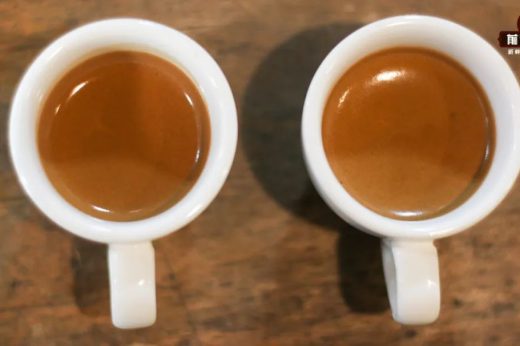
Besides blooming, another common question is: why is there abundant foam during the first pour, yet almost none during the second? In fact, the amount of foam is likewise closely tied to the coffee's freshness. Fresh coffee beans contain more gas, so the first pour easily produces more foam; as storage time lengthens, the gas gradually escapes and the foam diminishes accordingly.
If your drip bag is fresh but there is still almost no foam during the second pour, the roast level may be the reason. Generally speaking, light-to-medium roasted beans, being denser and releasing relatively less gas, produce less foam than medium-dark roasts. For example, medium-dark roasted coffee usually has denser foam, with flavors leaning toward caramel, spice and roasted nuts, while light-to-medium roasted coffee has less foam but may show more berry, tropical fruit or black tea aromas. So the amount of foam can serve as a reference for judging freshness and roast style, but it does not directly affect the final flavor of the coffee.

Many coffee lovers feel that brewing a drip bag only once is too wasteful and want to know whether a second extraction is possible. In principle, the soluble flavor compounds in coffee gradually diminish with each brew: the first brew releases mainly the more concentrated, vivid flavor compounds, while the second brew yields mostly components of larger molecular weight with a flatter flavor, even a woody note, so the overall flavor drops noticeably.
Still, if you do not want to waste it, there is no harm in trying a second extraction. Practical tests show that the second brew is much diminished in color, aroma and body, but it does not produce any off-putting flavors; if your standards for flavor are not high, you can still enjoy a mild cup of coffee.

Among the many comments, "tastes too weak" is one of the most common complaints about drip bag coffee. Compared with pour-over, drip bags, limited by the filter bag and by the pouring method, often bring the coffee grounds into insufficient contact with the hot water, which easily leads to under-extraction and a thin-tasting cup.
Based on practical experience, the main reasons drip bag coffee tastes weak usually include water that is too cool, too much water, and too short an extraction time. To improve this, you can start by adjusting the water temperature (90°C–96°C is recommended), controlling the pouring speed and appropriately extending the extraction time, ensuring the coffee grounds are fully extracted and thereby enhancing the overall flavor intensity and layering.