The Complete Guide to Making Ice-Drip Coffee: Ice-Water Ratios, Bean Pairings, and Step-by-Step Instructions
Introduction: In hot summer weather, a refreshing, full-bodied ice-drip coffee is the first choice for many coffee lovers. But how do you control the ice-water ratio, choose the right coffee beans, and master precise extraction parameters? This article systematically explains the core techniques of ice-drip coffee, including gear selection, coffee-to-liquid ratio settings, drip-rate control, the ice-water mixing ratio, and pairing plans for four different flavor profiles of beans, helping you easily recreate professional-grade ice-drip flavor at home.
As temperatures climb, the coolness and layered complexity of a cup of ice-drip coffee are undoubtedly a great companion for beating the heat. Unlike the rapid cooling of traditional iced coffee, ice-drip coffee undergoes a long, low-temperature extraction, presenting a softer acidity and rich flavor layers. From gear setup to parameter control, every step affects the quality of the final cup.
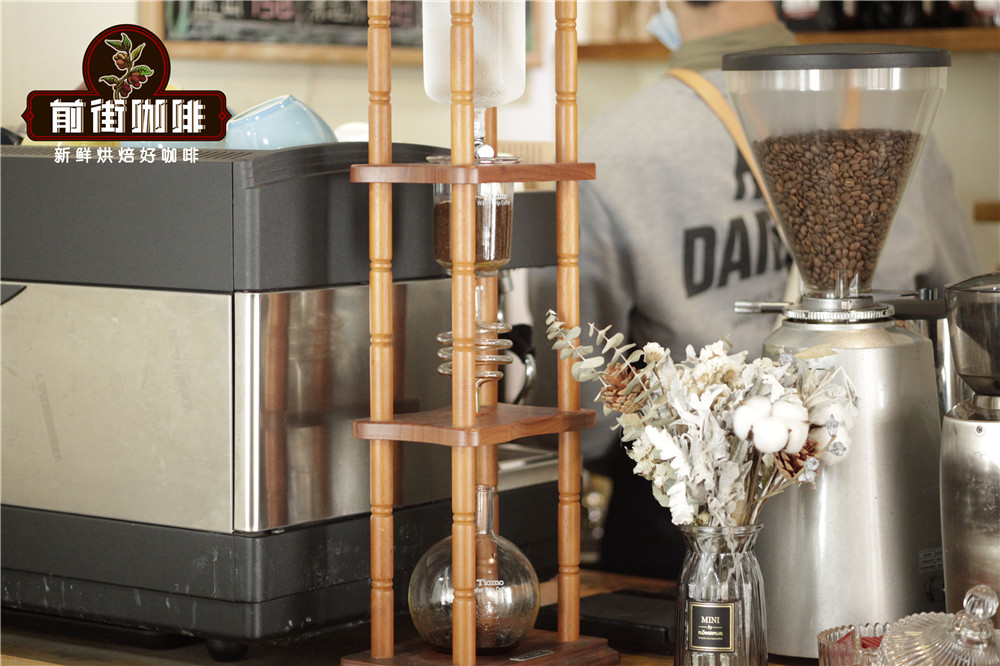
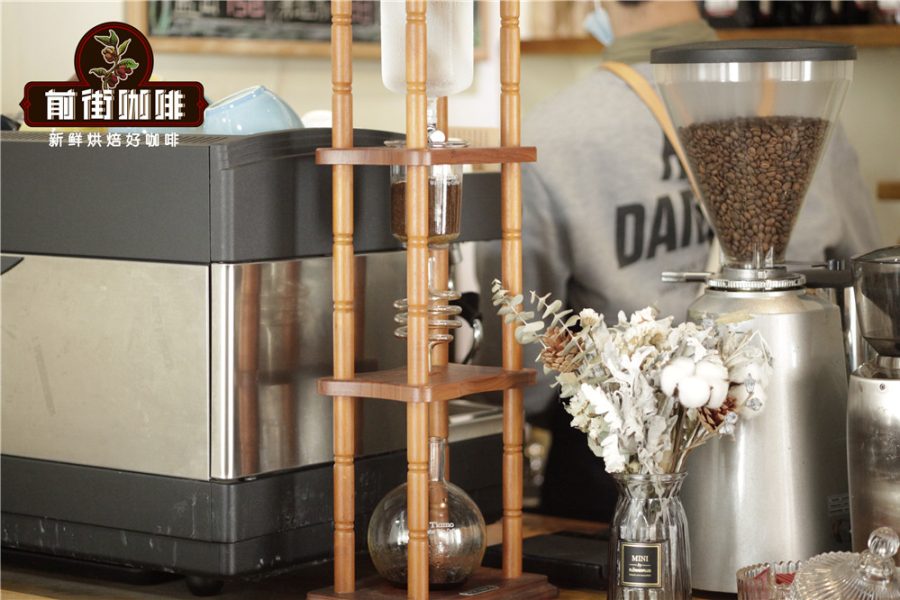
Basic gear usually consists of four parts: a water reservoir, a filter funnel, a flow tube, and a receiving carafe. Common models on the market include both split designs and integrated carafes with a serpentine condenser tube. The serpentine tube works by extending the water flow path to help lower the temperature, but it is not an essential accessory. The key is to ensure a good seal between the water reservoir and the receiving carafe, avoiding ambient temperature interference during extraction.
The standard recipe recommends a 1:10 coffee-to-liquid ratio, meaning every 60 grams of ground coffee corresponds to 600 milliliters of total liquid. The grind size should fall between medium-fine and pour-over; if tested with an 850-micron sieve, aim for about an 85% pass rate—similar to the texture of fine granulated sugar. When distributing the grounds, pay attention to evenness: first place a round filter paper at the bottom of the funnel and wet it, spread the coffee grounds into a flat coffee bed, use a tamper to gently press out gaps, and finally cover with a second layer of filter paper to prevent dripping and channeling.
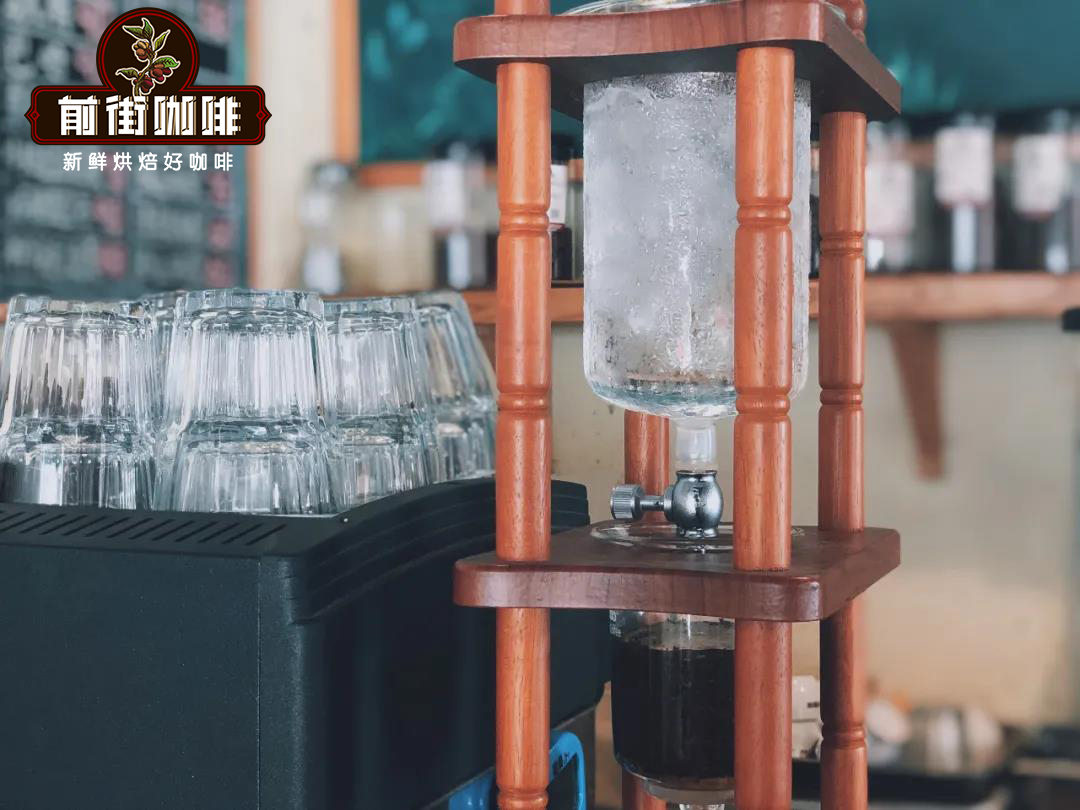
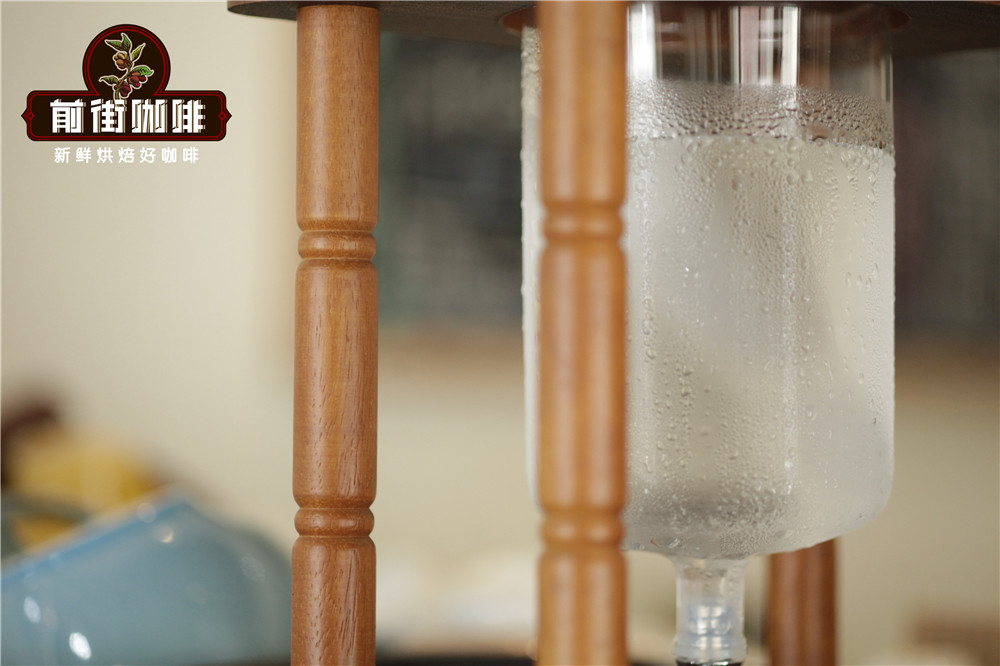
The ice-water mixing ratio is strictly controlled at 1:1 (by volume); purified water and solid ice cubes made by an ice machine are recommended. Solid ice can maintain a stable low temperature throughout the 6-8 hour extraction, avoiding water-temperature fluctuations caused by ice melting too quickly. The flow-control valve should be set to a constant rate of 7 drops every 10 seconds; this speed ensures the coffee grounds are fully saturated while preventing pooling or over-extraction. During the pre-infusion stage (the first 30 minutes), use the same flow rate to let the coffee grounds absorb water evenly, mimicking the bloom effect in pour-over, which can significantly improve the uniformity of subsequent extraction.
The entire extraction cycle usually takes 6-8 hours, during which the ambient temperature should stay below 25°C. After completion, it is recommended to transfer the coffee liquid to a sealed container and refrigerate for 12 hours; low-temperature aging makes the flavor rounder. Pay special attention to drip-rate management: too fast leads to under-extraction and a thin body, while too slow may cause fermentation risk and off-flavors.
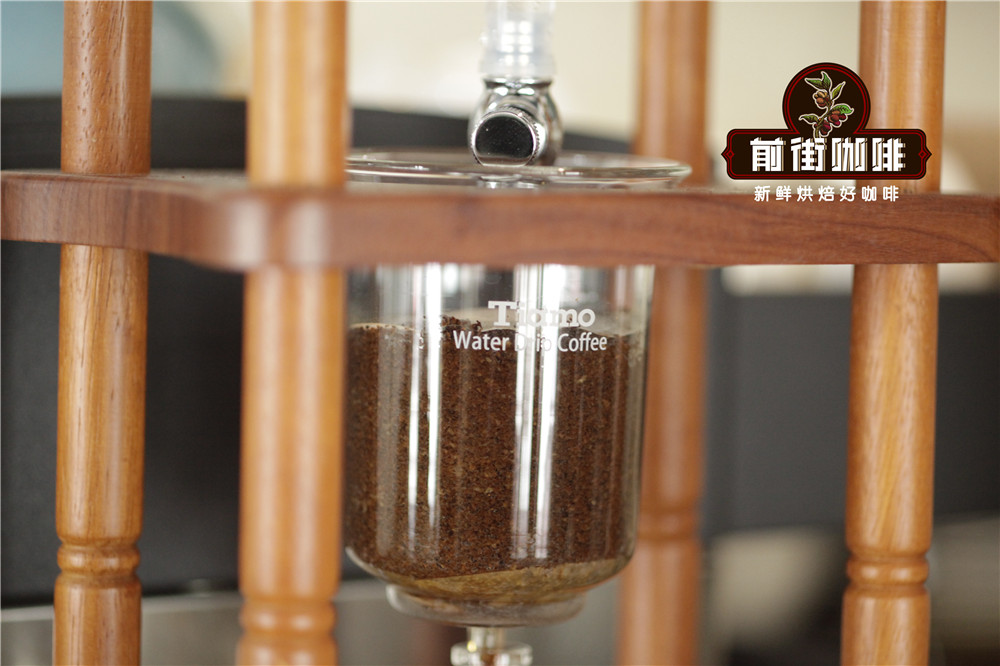
On the principle of the ice-water ratio: a 1:1 mixing ratio provides sufficient dissolving power while maintaining the optimal extraction temperature range (usually 5-8°C) through continuous cooling from the ice. Solid ice lasts more than twice as long as ordinary crushed ice, ensuring the extraction process is not interrupted by a break in the water supply.
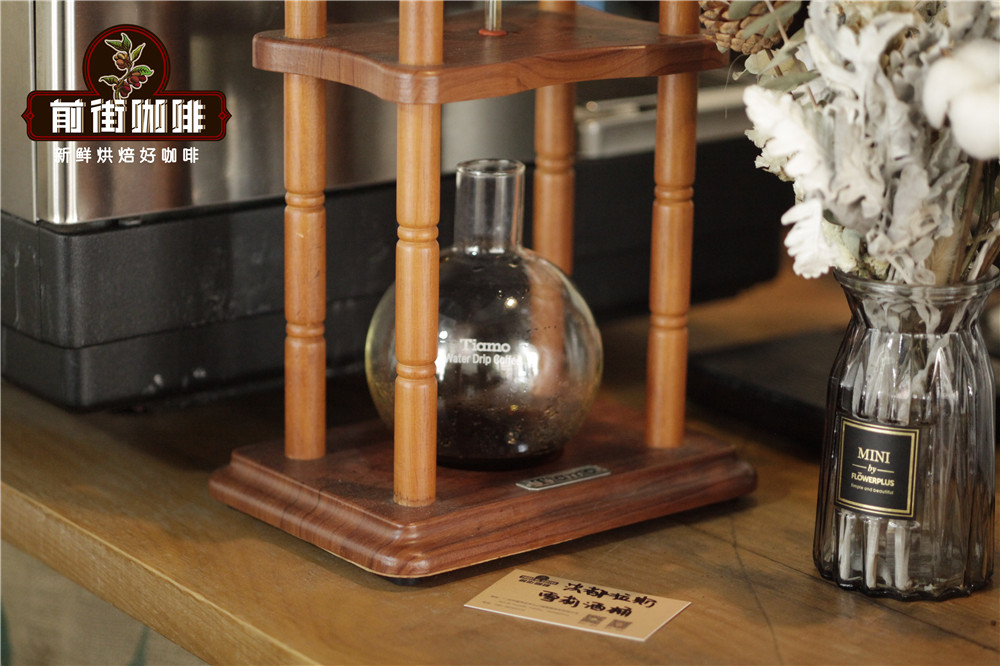
The choice of coffee beans directly influences the flavor direction. Here are four proven classic pairing plans: for dark berry profiles, choose an anaerobically processed Geisha variety, whose signature blueberry and fermented wine aromas are especially prominent under low-temperature extraction; for a fresh style, Kenyan high-acidity beans suit, with the bright acidity of cherry tomatoes and grapefruit bringing summer vitality; for those who prefer a full body, try deep-roasted Mandheling, which after 24 hours of cold extraction shows black chocolate and caramel finish; advanced players might blend sherry-barrel fermented beans with natural Geisha, where the collision of whisky aroma and citrus notes produces astonishing layers.
Coffee beans with different processing methods have varying suitability: washed beans emphasize cleanliness and suit base recipes, natural beans enhance sweetness and fruit aroma, while honey-processed beans balance body and complexity. After grinding, use immediately to prevent aroma loss; when blending bean varieties, stir thoroughly beforehand to ensure extraction consistency.
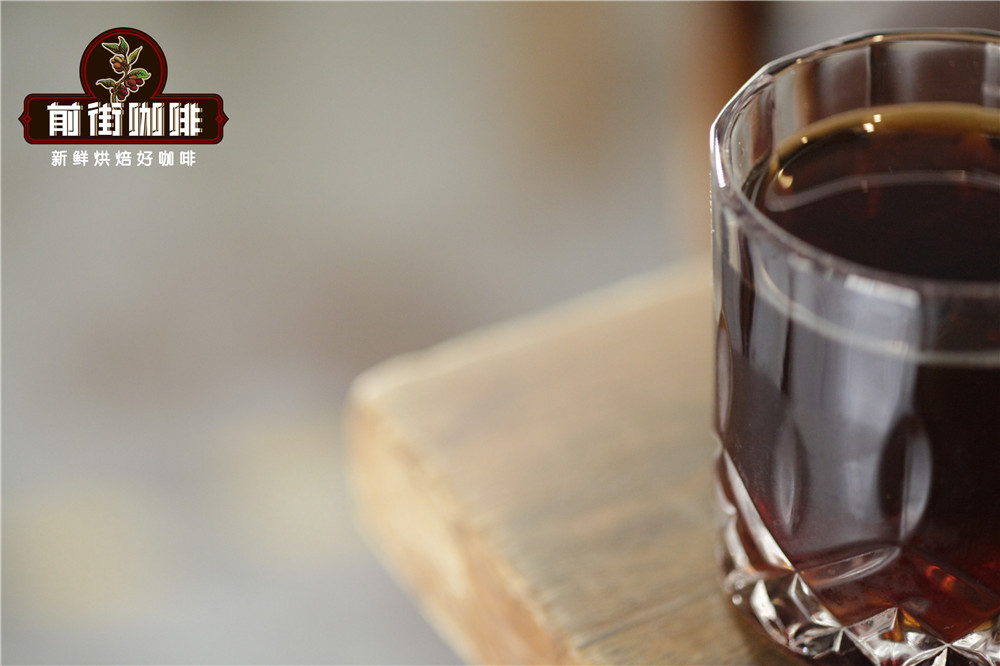
Avoiding common problems: if pooling or depressions appear, check the evenness of the coffee bed; if paused for more than 1 hour midway, recalibrate the drip rate; using tap water may cause off-flavors, so always filter it. Refrigerated coffee should be consumed within 7 days; after opening, keep it sealed and away from light.
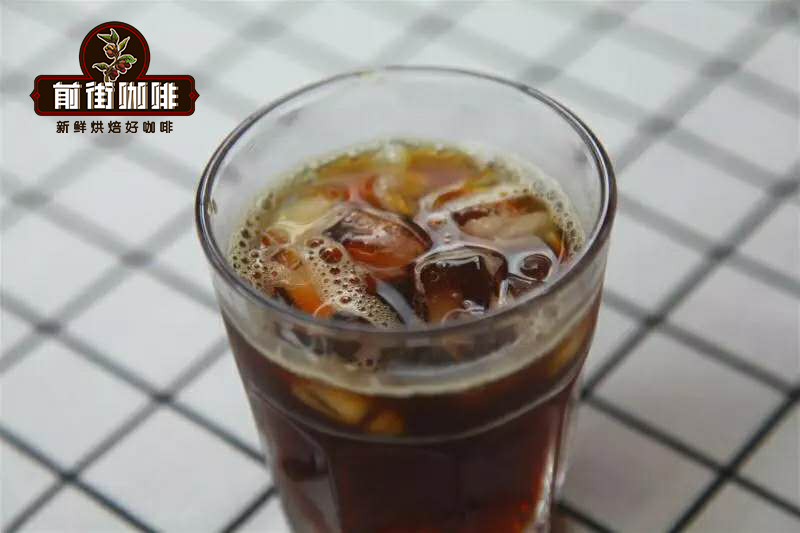
Advanced techniques include adjusting the coffee-to-water ratio to 1:12 to lower concentration, or extending the extraction time to 10 hours for a stronger body. Adjust the amount of ice according to seasonal changes—increase the proportion of solid ice in summer and reduce it appropriately in winter. In regions at different altitudes, also consider the effect of boiling point on condensation efficiency.
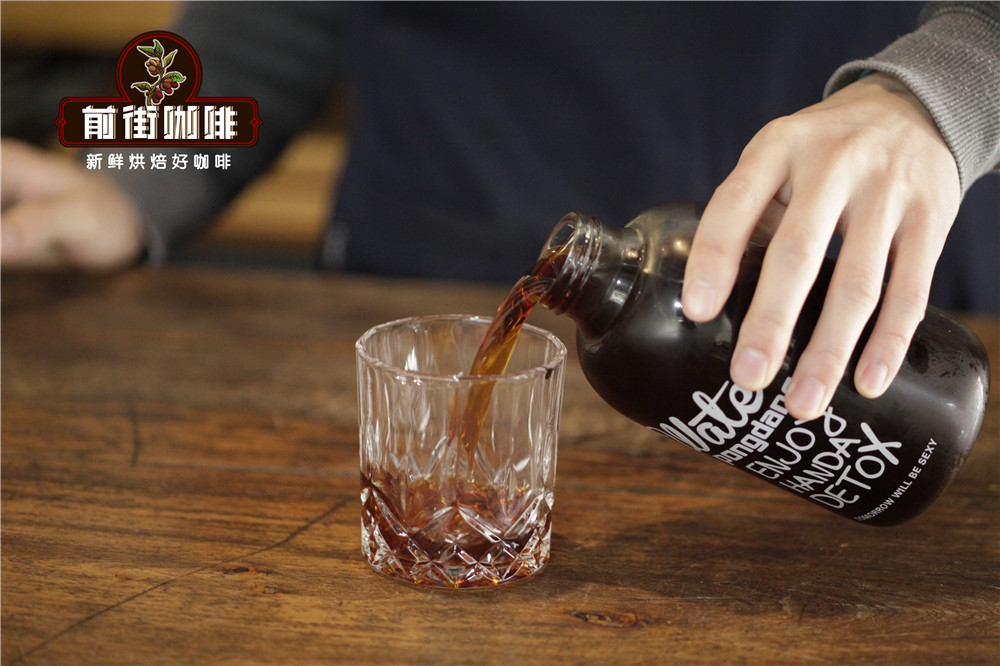
Tool alternatives: without professional equipment, you can DIY with a glass sealed jar, placing a funnel with a filter screen on top and wrapping the flow tube with a condenser tube to help lower the temperature. The key is to ensure all joints are sealed against leaks and to check the water level regularly to maintain a stable flow rate. This simple setup can also achieve professional-grade extraction results.