How Long Do Coffee Beans Stay at Peak Flavor? Adjusting Brewing Parameters After Expiry
Introduction: The peak flavor window of coffee beans is entirely different from the expiry date printed on the packaging. Only by understanding the golden window of flavor changes after roasting can you drink coffee at its best. This article explains the full process of coffee beans from the resting period to flavor decline, provides the scientific basis for the 15-30 day peak flavor window, and offers specific pour-over parameter adjustments for expired coffee beans to help you awaken dormant flavors to the greatest extent possible.
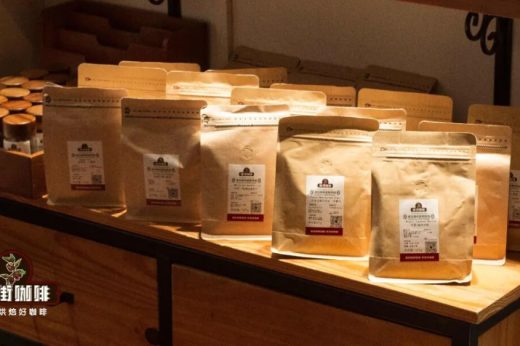
When buying coffee beans, most people only pay attention to the expiry date on the packaging, while ignoring the more critical roast date. In fact, the best time to drink coffee beans depends on the chemical reactions that occur after roasting, not simply the production date. Professional roasters have found that the flavor evolution of coffee beans can be divided into four stages: the active degassing period, the flavor peak period, the slow decline period, and the woody stage.
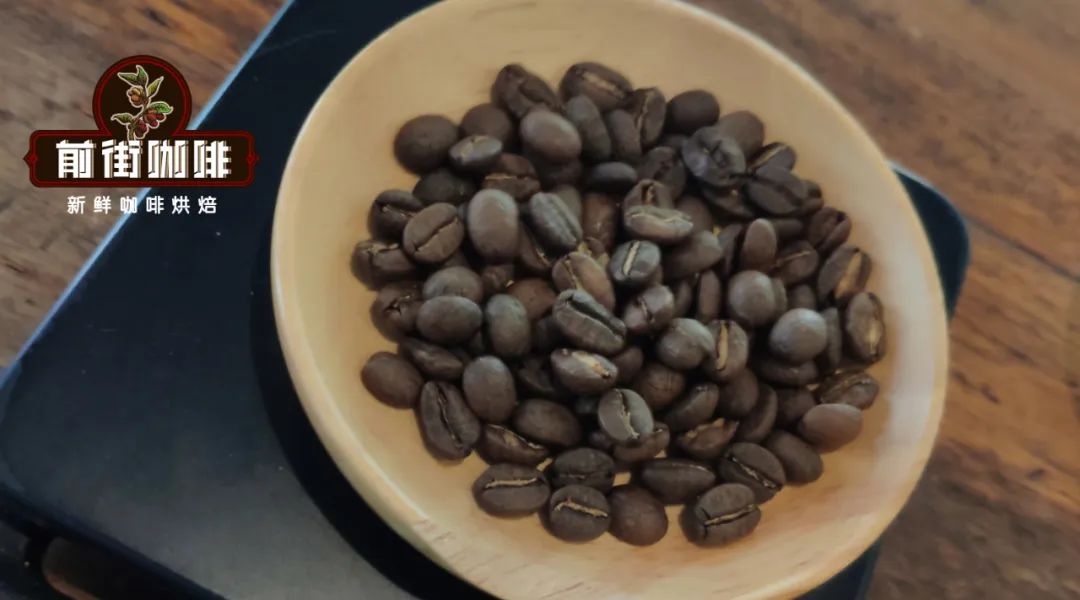
The so-called peak flavor period refers to the time when coffee beans show their best flavor. Freshly roasted coffee beans contain a large amount of carbon dioxide and volatile aromatic substances, and are in a stage of vigorous degassing during the first 3 days, when brewing is likely to produce abnormal fermented flavors. After a 4-7 day resting period (usually 4-7 days for single-origin beans, and 7-10 days for espresso blends), coffee beans enter the flavor peak period—the best peak flavor window for medium-light roast beans is 7-20 days after roasting, while dark roast beans can extend to 7-25 days. At this stage, the sweetness, acidity, and body of the coffee reach a perfect balance.
The resting process is essentially the self-regulation of coffee beans. Freshly roasted beans often carry grassy or toasted bread notes, and these defective flavors naturally fade after 3-5 days of sealed storage. During the resting period, coffee beans need to be placed in a cool, dark place and stored in bags with one-way degassing valves, avoiding frequent opening and closing that causes aroma loss. It is worth noting that beans of different roast levels have different resting needs: light roasts require a longer resting time due to their high development level, while dark roasts can be used earlier because of sufficient caramelization reactions.
There are two key indicators for judging whether coffee beans have expired: first, whether the aroma is weak when grinding—fresh beans release obvious citrus/nutty aromas when ground; second, whether a full "hamburger" bloom layer forms after pouring water—expired beans struggle to form an even expansion due to depleted gases. When coffee tastes only of flat woody fiber and the crema is thin during brewing, it indicates that the beans have entered the decline period.
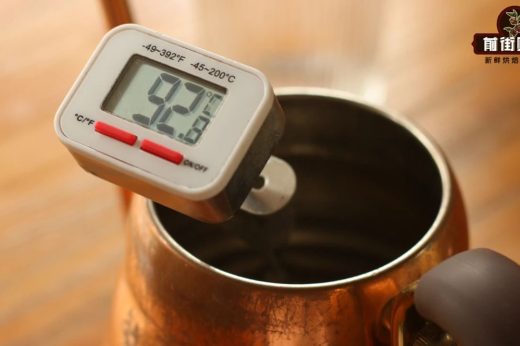
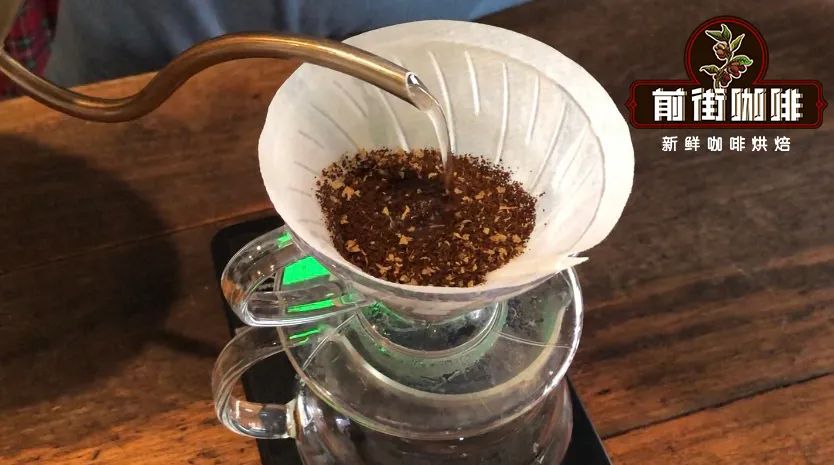
For coffee beans past their peak flavor period (about 30 days after roasting), performance can be improved by optimizing brewing parameters: use a 1:15 coffee-to-water ratio, lower the water temperature to 88-91°C to reduce extraction intensity, and coarsen the grind to 75% passing through a No. 20 sieve to avoid over-extraction. In practice, first pour 25 grams of 91°C water for an 18-second bloom (no need to extend), then pour to 150 grams at the center while taking care to settle the fines, and finally pour quickly in circles to 225 grams to complete the extraction. This parameter combination can effectively reduce the monotony of stale beans and highlight the remaining floral notes and caramel finish.
Special reminder: the flavor of ground coffee beans declines more than 3 times faster, so it is recommended to grind fresh and brew immediately. If coffee grounds must be stored, be sure to use an airtight jar and add a food desiccant, but even so, the peak flavor period of ground coffee is still about 15-20 days shorter than that of whole beans. Only by regularly recording the roast date and establishing a drinking plan can you systematically enjoy the life cycle changes of coffee beans.