Pour-over coffee grinding guide: from burr selection to sieve pass rates
Introduction: To brew a balanced cup of pour-over coffee, the grinding stage is crucial. This article takes an in-depth look at how different types of grinder burrs work, walks you through adjusting grind size according to bean characteristics, and uses professional sieve pass-rate standards to help you precisely control particle distribution. Whether you are a beginner or an advanced enthusiast, you can master the key techniques for improving extraction efficiency.
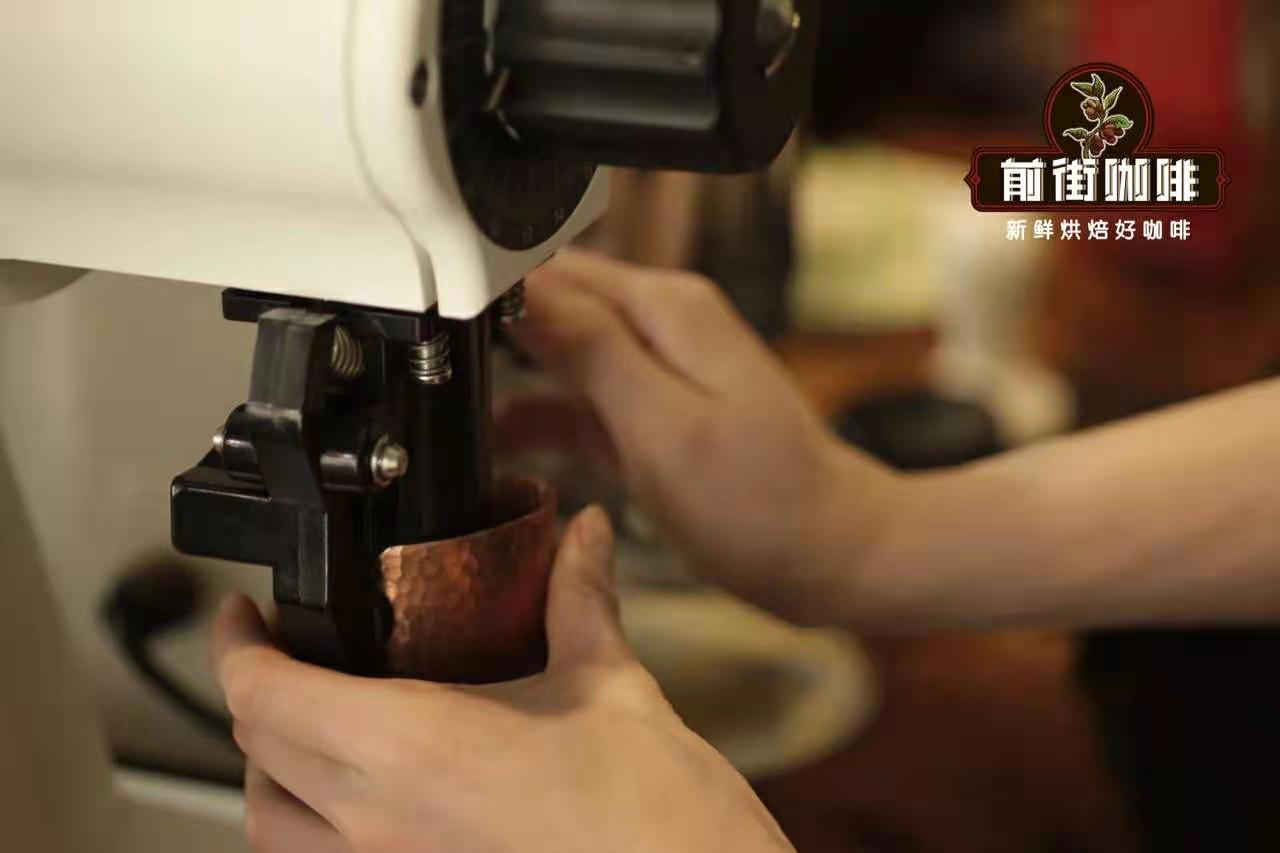
The first step in grinding coffee beans is choosing the right grinder. Today's mainstream grinders fall into two types, electric and manual, but what really determines grinding results is the burr design. The common burr types on the market are mainly conical, flat, and ghost-tooth (gear), and each affects the shape of the coffee particles and their extraction characteristics. Note that so-called "choppers" with just two simple blades are not within the scope of professional discussion.

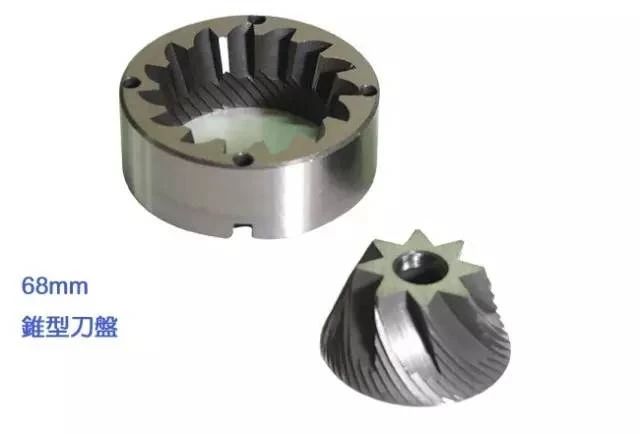
Conical burrs use a crushing grinding principle: the beans are crushed into irregular block-shaped particles, and this structure creates longer water-absorption paths inside the coffee particles. During the early stage of extraction, soluble substances are released more slowly and concentration rises gently, but fine particles are effectively reduced. As extraction time lengthens, the woody structure does not easily release excessive impurities, making it especially suited to pour-over coffee that seeks a clean cup. Conical burrs at different price points differ noticeably in grind uniformity; high-end conical burrs control particle-size distribution better.
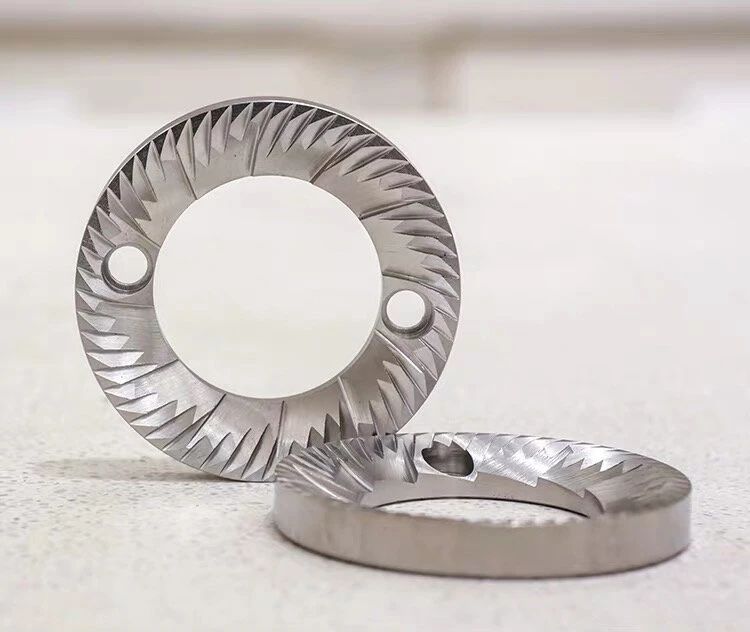
Flat burrs, by contrast, shave the beans into flake-shaped particles through the shearing action of the upper and lower burrs. This grinding method produces more fines, but the flake structure provides a larger contact area with cell walls, allowing coffee aromas to be fully released in a short time. Although fines may increase the risk of off-flavors in early extraction, with proper control they can yield bright acidity and rich layers of flavor. Flat-burr systems suit both the demanding grind requirements of espresso and the needs of pour-over coffee.
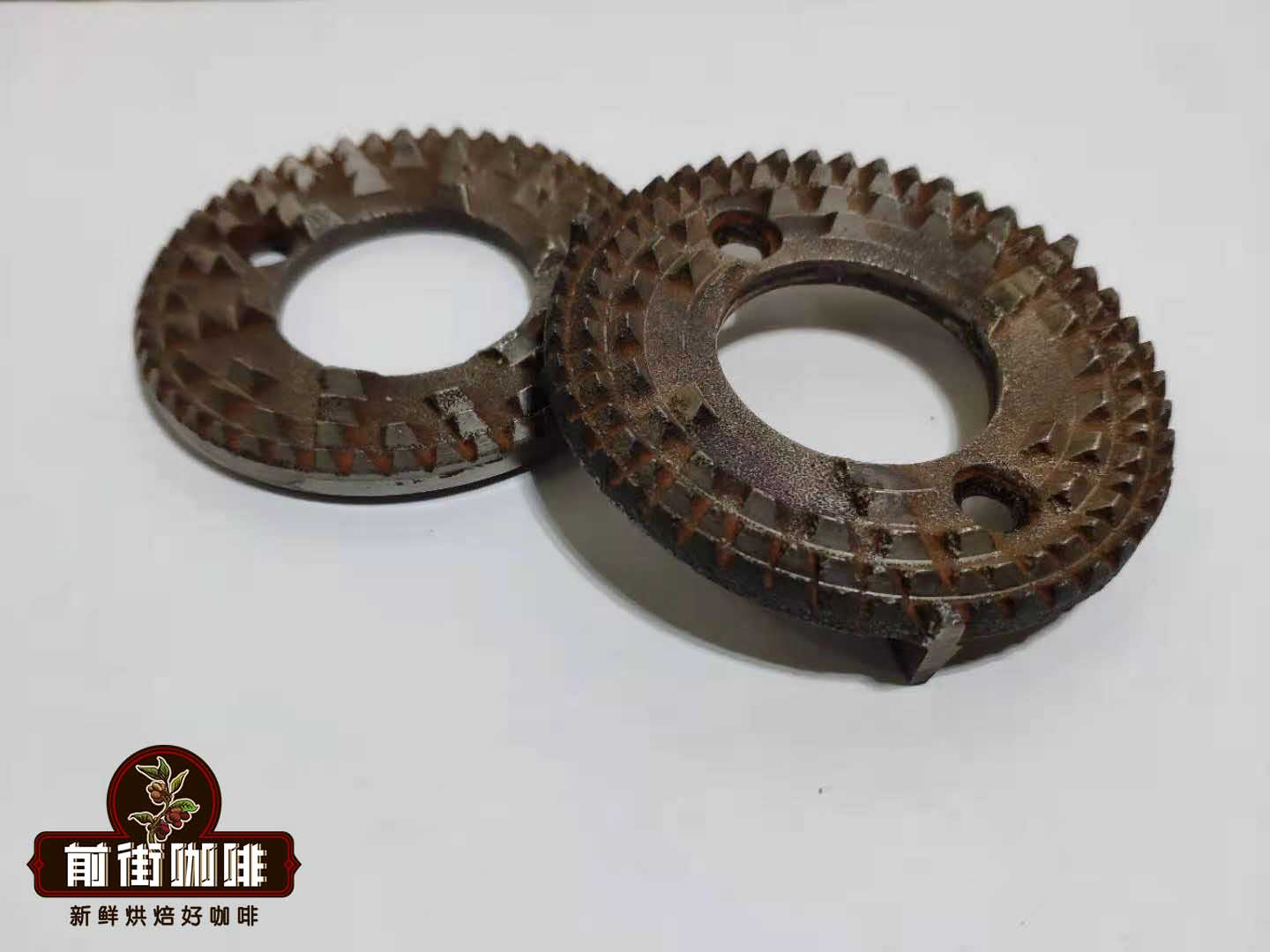
Ghost-tooth burrs use a unique gear-meshing structure to grind beans into near-spherical particles. This design maximizes particle-size uniformity; although a small amount of angular fines is still produced, overall particle-size consistency is better than other types. The spherical particle structure helps water flow through evenly, making it especially suited to scenarios with high demands for pour-over stability.
When choosing a grinder, you need to weigh the characteristics of hand grinders and electric grinders. Hand grinders usually come with conical burr systems; they are portable but require more practice to master consistent grind coarseness. Although electric grinders require a higher initial investment, they offer more precise scale control and consistent grind quality, making them especially suitable for coffee lovers with strict requirements for extraction parameters. It is worth noting that within the same budget, a quality hand grinder often ensures better grinding results than an entry-level electric grinder.
Determining the ideal pour-over grind size requires understanding the relationship between particle size and extraction efficiency. A finer grind packs the coffee particles tightly, increasing resistance to water flow and lengthening extraction time, thereby extracting more intense flavor substances. Conversely, a coarser grind forms a loose bed, speeding up water flow and shortening extraction time, producing coffee with a relatively light flavor. This balance point needs to be adjusted according to the specific characteristics of the beans.
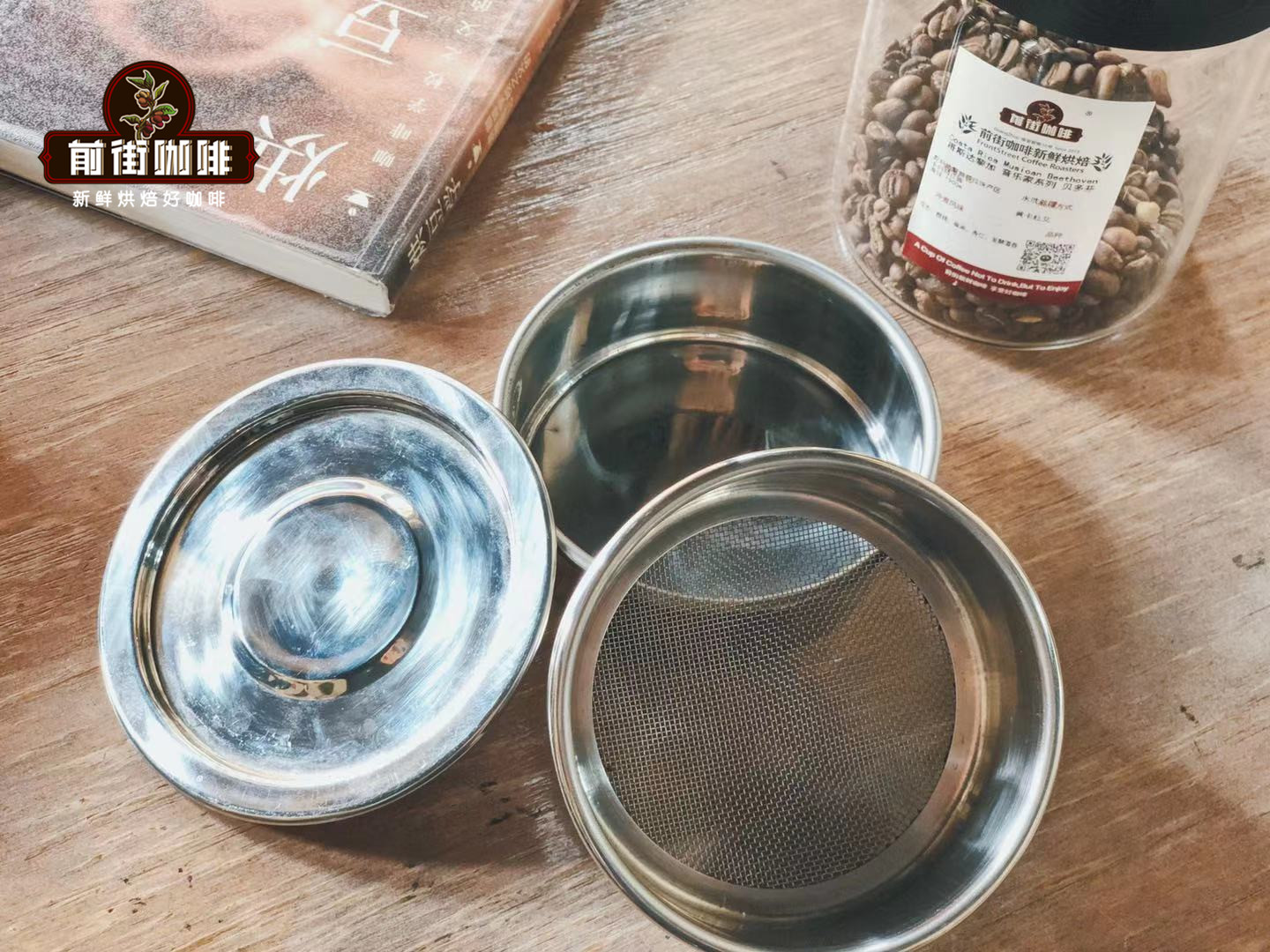
Professional baristas usually use the pass rate of a No. 20 standard sieve (0.85 mm aperture) as a reference standard. Extensive practice has verified that the ideal pass rate for light-to-medium roasted beans is about 80%, a value that ensures a moderate extraction rate and flavor balance. But note that beans from different origins and processing methods may require significantly different grind settings even when labeled with the same roast level. For example, Yirgacheffe and Kenyan beans from African regions may need different scale settings from Central American Geisha or Colombian beans to reach the ideal pass rate on the same grinding equipment.

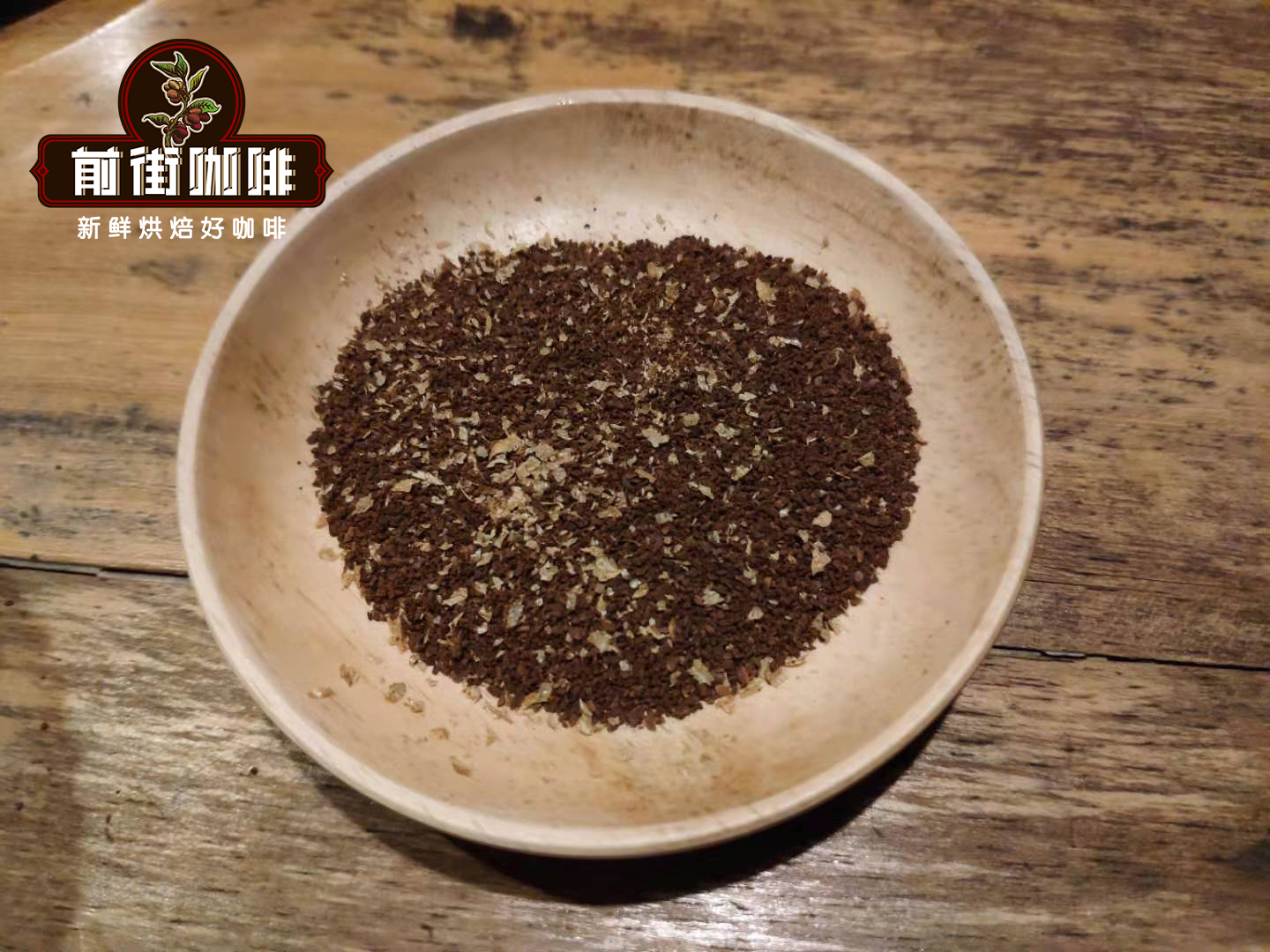
In practice, it is recommended to verify whether the grind size is appropriate by observing the flow rate. The ideal extraction time is usually between 2 minutes 30 seconds and 3 minutes, paired with a stable coffee-to-water ratio (such as 1:15 to 1:17) and moderate water temperature (90–94°C). If the flow is too fast and causes under-extraction, try grinding finer; if a bitter, over-extracted taste appears, adjust coarser as appropriate. Remember, the grinder scale is only a reference; the actual extraction result is what counts.
For dark-roasted coffee beans, a slightly coarser grind is recommended (about 65–70% pass rate), because the fiber structure of these beans has already become loose during roasting, and too fine a grind easily leads to over-extraction and off-flavors. By adjusting grinding parameters, you can better bring out the full-bodied mouthfeel and caramelized flavors characteristic of dark-roasted beans.