Guatemala Coffee Beans: Regions, Flavors, and Pour-Over Guide
Introduction: Guatemala's unique volcanic geography and high-altitude environment nurture specialty coffee beans with layered flavors. This article starts from the terroir characteristics of eight core regions, explains the typical flavor profiles of coffee from each area, examines the characteristics of mainstream varieties such as Bourbon and Caturra, and provides a professional explanation of the washed processing method. It concludes with practical pour-over parameters and flavor descriptions to help you precisely grasp the brewing secrets of this 'Central American aristocrat.'
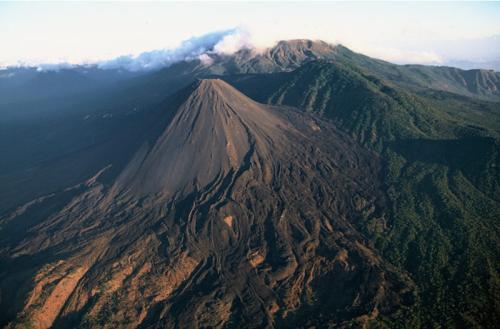
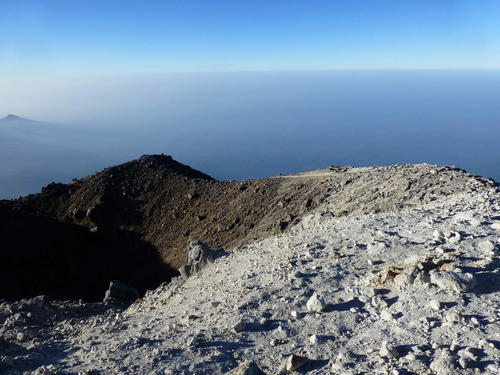
Guatemala lies in the heart of Central America, with volcanic terrain throughout the country. This unique geological environment provides natural advantages for coffee cultivation—volcanic soil rich in minerals, significant day-night temperature differences, and ample sunlight from high altitudes together create the mellow, full-bodied, and distinctly flavored character of Guatemalan coffee.
Guatemala's coffee cultivation history dates back to the mid-18th century. In 1747 local farmers began experimenting with coffee cultivation, and in 1750 coffee trees were introduced by Jesuit priests. After the Coffee Cultivation Promotion Committee was established in 1845, coffee gradually became a pillar of the national economy, with exports accounting for as much as 90% by 1880. However, during the industry's development, indigenous land rights were infringed upon; today the main producing regions are concentrated in the southern highlands.
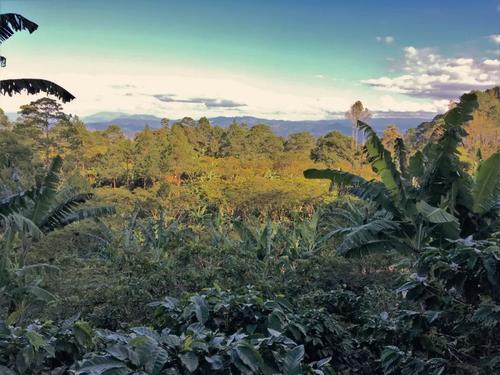
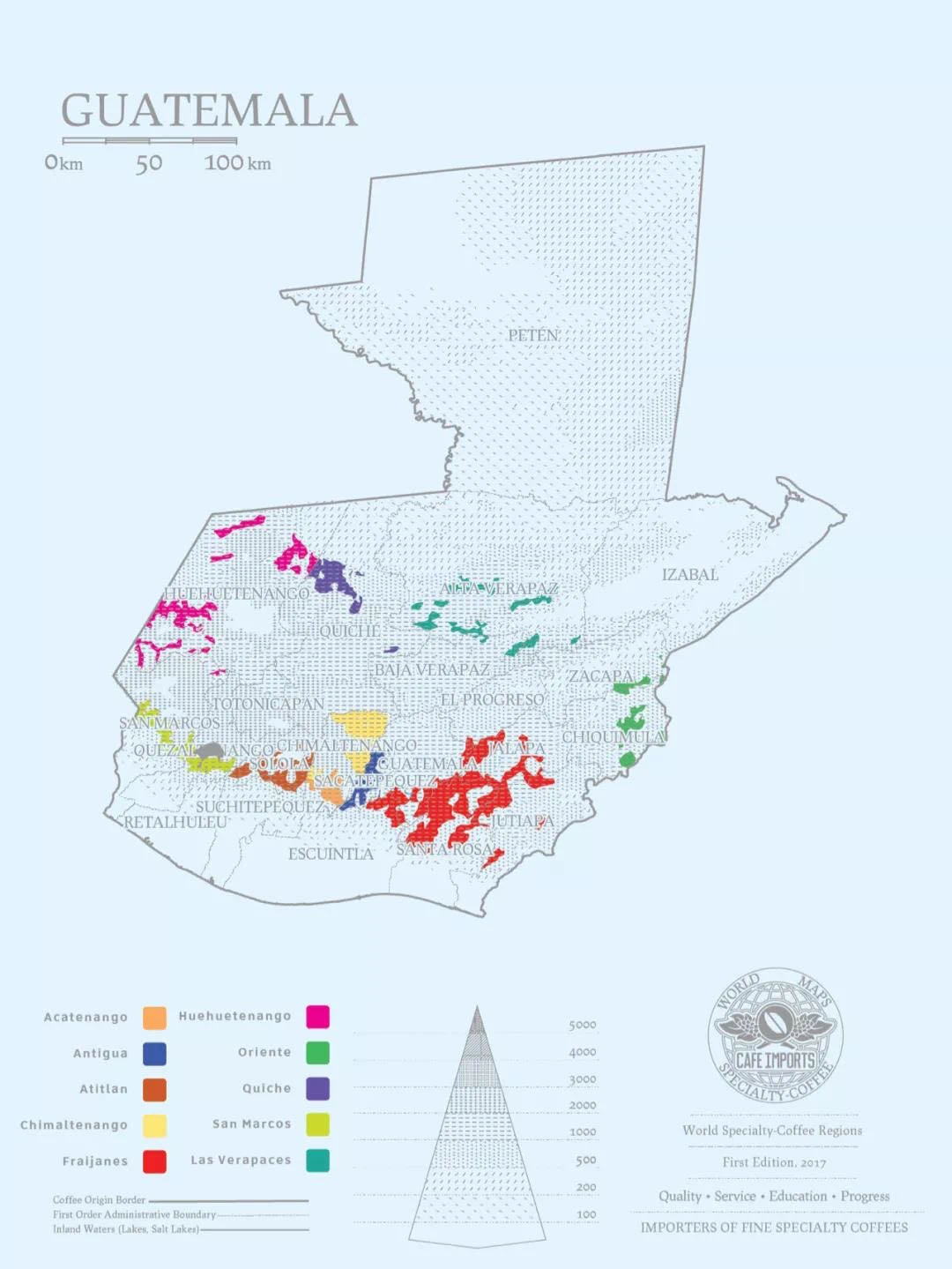
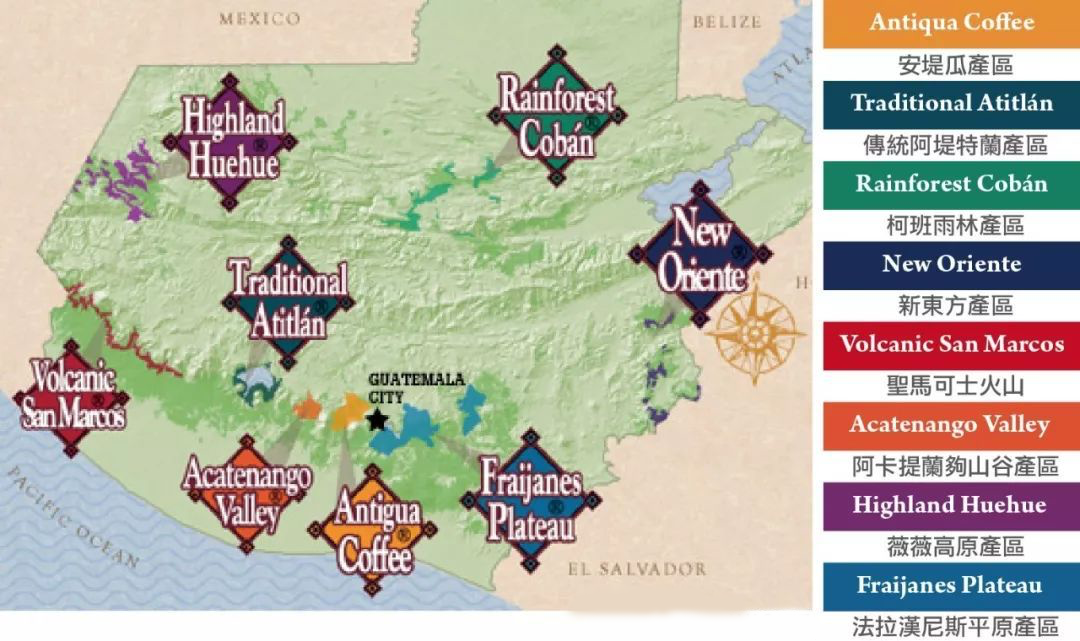
Through long-term development, Guatemala has formed eight distinctive coffee regions, each producing beans with unique flavors due to differences in altitude and microclimate. Overall, the country's coffee is known for its mild, mellow base, elegant aroma, and pleasant fruit acidity, and is hailed by the industry as the 'coffee aristocrat.' Among them, the Huehuetenango and Antigua regions attract particular attention for their outstanding quality.
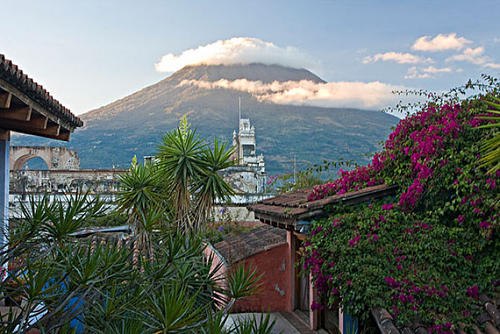
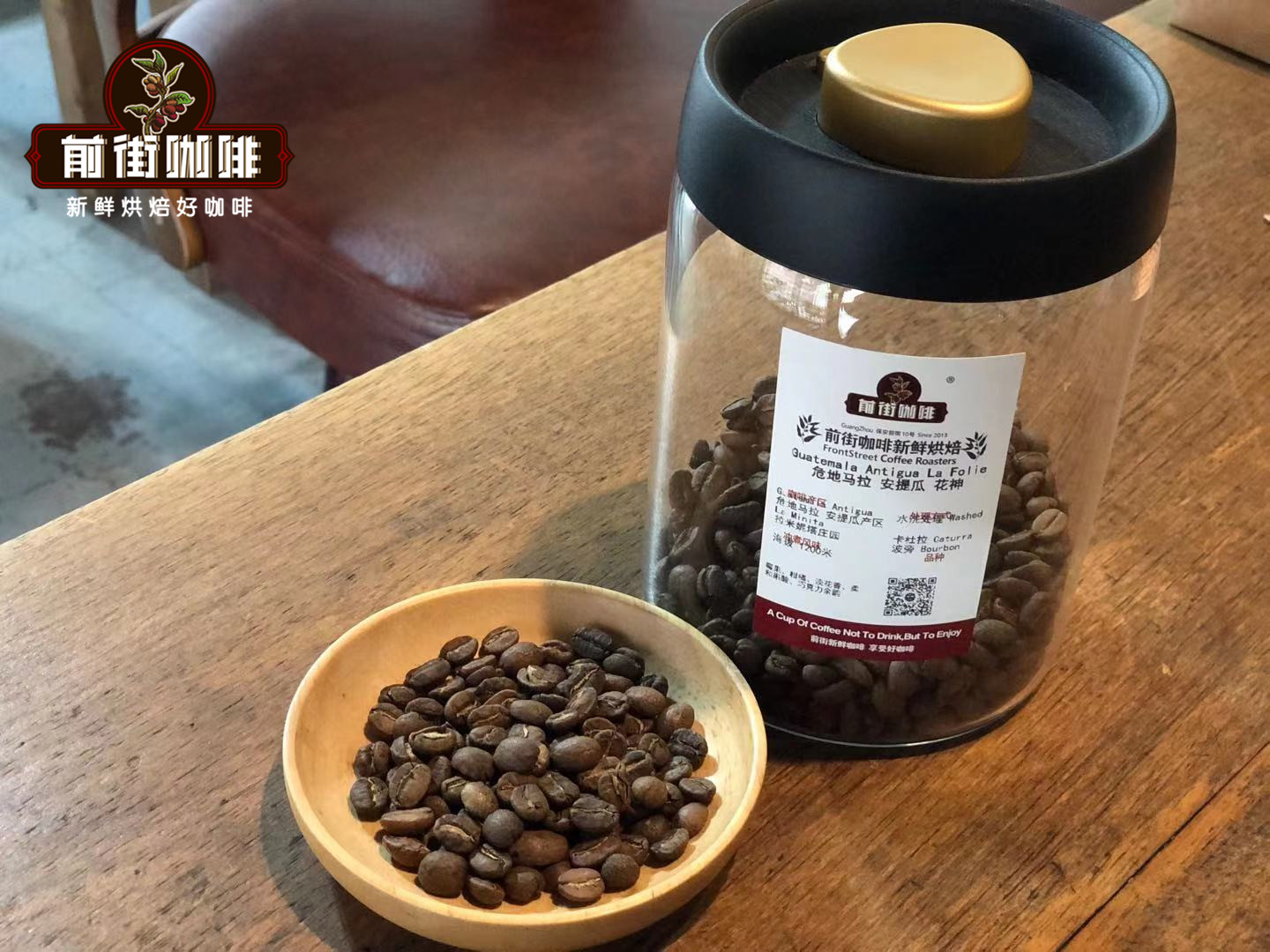
[Antigua Region] Located on the Madre plateau surrounded by volcanoes, at 1500-1700 meters. Volcanic soil and shade growing give the coffee a balanced sweet-acid character with citrus notes.
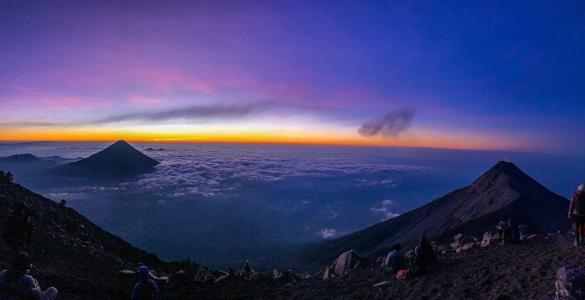
[Acatenango Valley] Adjacent to Antigua, at 1300-2900 meters; the warm, humid air of the volcanic valley and the day-night temperature difference favor fruit maturation, producing beans with prominent sweetness and delicate fruit acidity.
[Cobán Rainforest] At 1300-1500 meters; year-round cloud cover and abundant rainfall create a cool environment, and properly processed coffee has chocolate and tropical fruit flavors.
[Volcán San Marcos] At 1400-1800 meters; the rainy climate concentrates the harvest period, sun drying depends on the weather, and high-quality lots have full aroma.
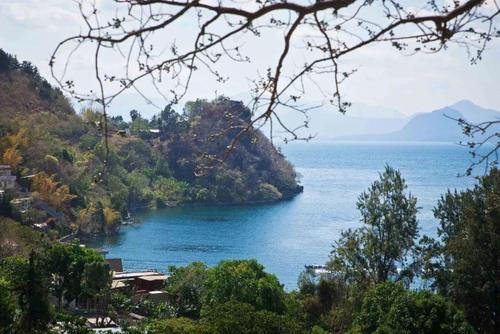
[Lake Atitlán] At 1500-1750 meters; fertile lakeside soil and the high-altitude environment (up to 1950 meters) cultivate coffee with rich aroma and syrupy body.
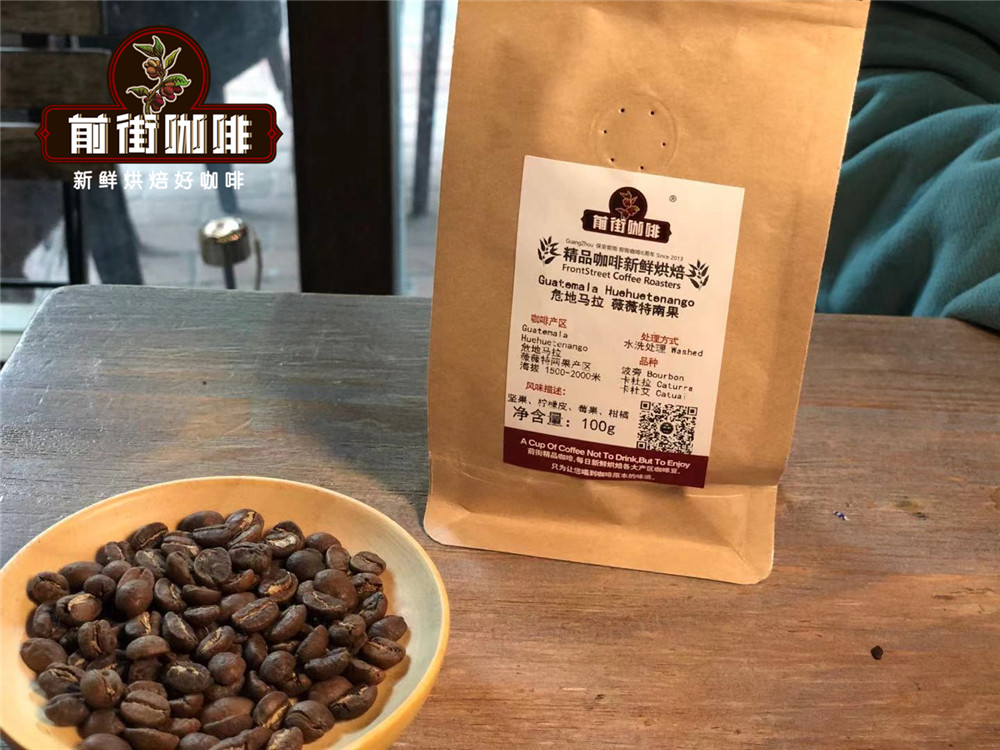
[Huehuetenango] At 1500-2000 meters; Guatemala's highest-altitude volcanic region, far from the bustle of cities, with hot winds from Mexico aiding cultivation, and flavors characterized by bright acidity and varied floral notes.
[Fraijanes Plateau] At 1400-1800 meters; pumice-like volcanic soil contributes a unique aroma, with balanced flavor and mild acidity.
[New Oriente] At 1200-1700 meters; near Honduras, with a climate similar to Cobán but warmer, and pronounced chocolate and spice notes.
Guatemala's three main coffee varieties each have distinctive characteristics:
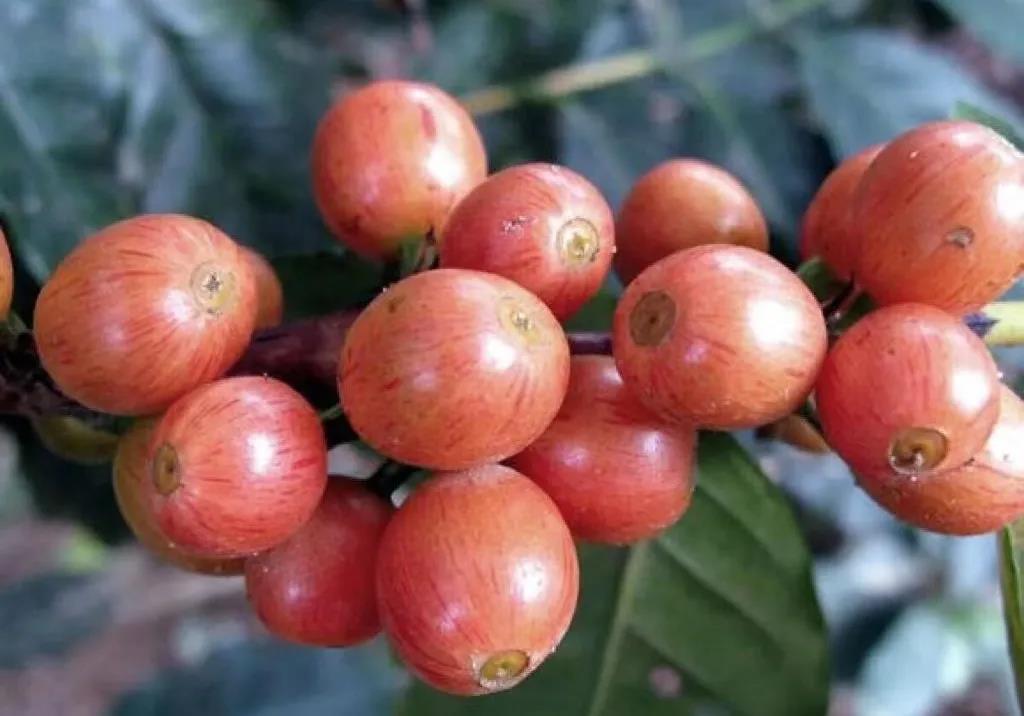
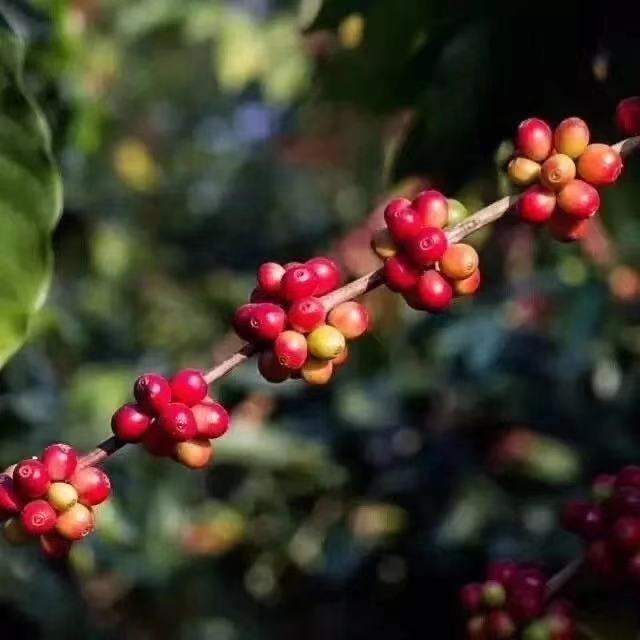
• Bourbon: an old Arabica variety originating from Réunion Island; Red Bourbon has short, round fruit, high sweetness, and bright acidity, commonly showing maturation from green to bright red.
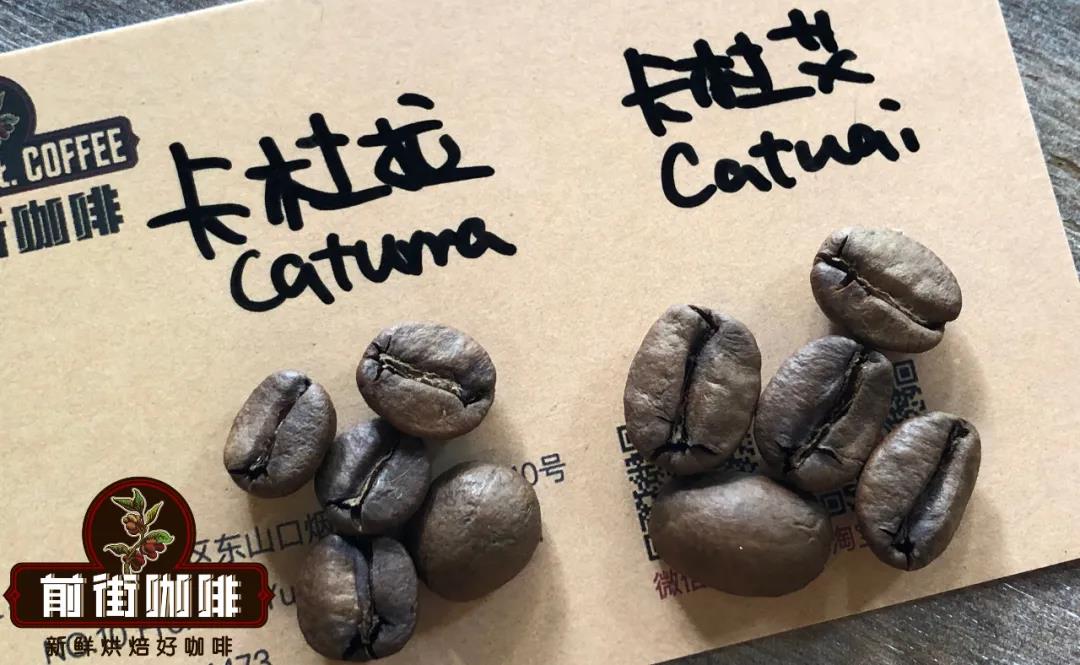
• Caturra: a genetic mutation of Bourbon, discovered in Brazil in 1937; the tree is shorter and easier to harvest, with better yield and disease resistance than Bourbon, but it shows a biennial bearing cycle and adapts to strong sunlight without shade.
• Catuai: a hybrid of Bourbon and Mundo Novo, inheriting Caturra's low tree height advantage; the fruit is firm and resistant to wind and rain, but flavor complexity is slightly lower, and the harvest life is only about ten years.
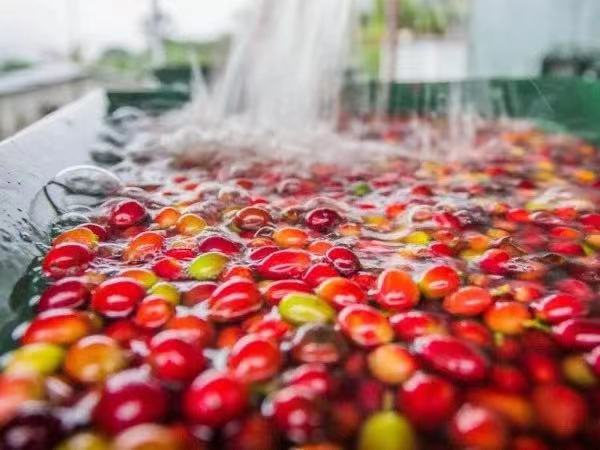
In terms of processing, more than 90% locally uses the washed method, with a small amount using natural processing. Washed processing clearly presents the region's original flavors—for example, Huehuetenango everyday beans retain clean, bright characteristics through this method; natural processing adds fermented aroma on top of the base flavor, suiting consumers seeking layered complexity.
Guatemalan coffee is graded strictly by altitude and bean hardness:
• SHB (Strictly Hard Bean): 1500-1700 meters
• HB (Hard Bean): 1350-1500 meters
• SH (Semi-Hard Bean): 1200-1350 meters
• Extra Prime (Extra Prime Washed): 1000-1200 meters
• Prime (Prime Washed): 850-1000 meters
• Good Washed: 700-850 meters
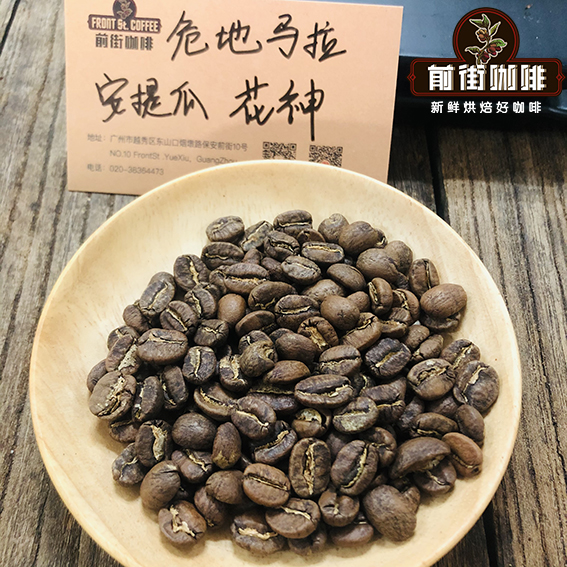
High-altitude Strictly Hard Beans (such as Antigua Genaro and Huehuetenango) generally have richer flavor expression due to high density and even ripeness.
For medium-roasted Guatemalan coffee beans, a V60 #01 dripper is recommended for pour-over, with the following parameters:
• Water temperature: 90-91°C
• Dose: 15g
• Coffee-to-water ratio: 1:15
• Grind: BG6M/medium-fine (80% passing through a No. 20 sieve)
• Method: three-stage extraction
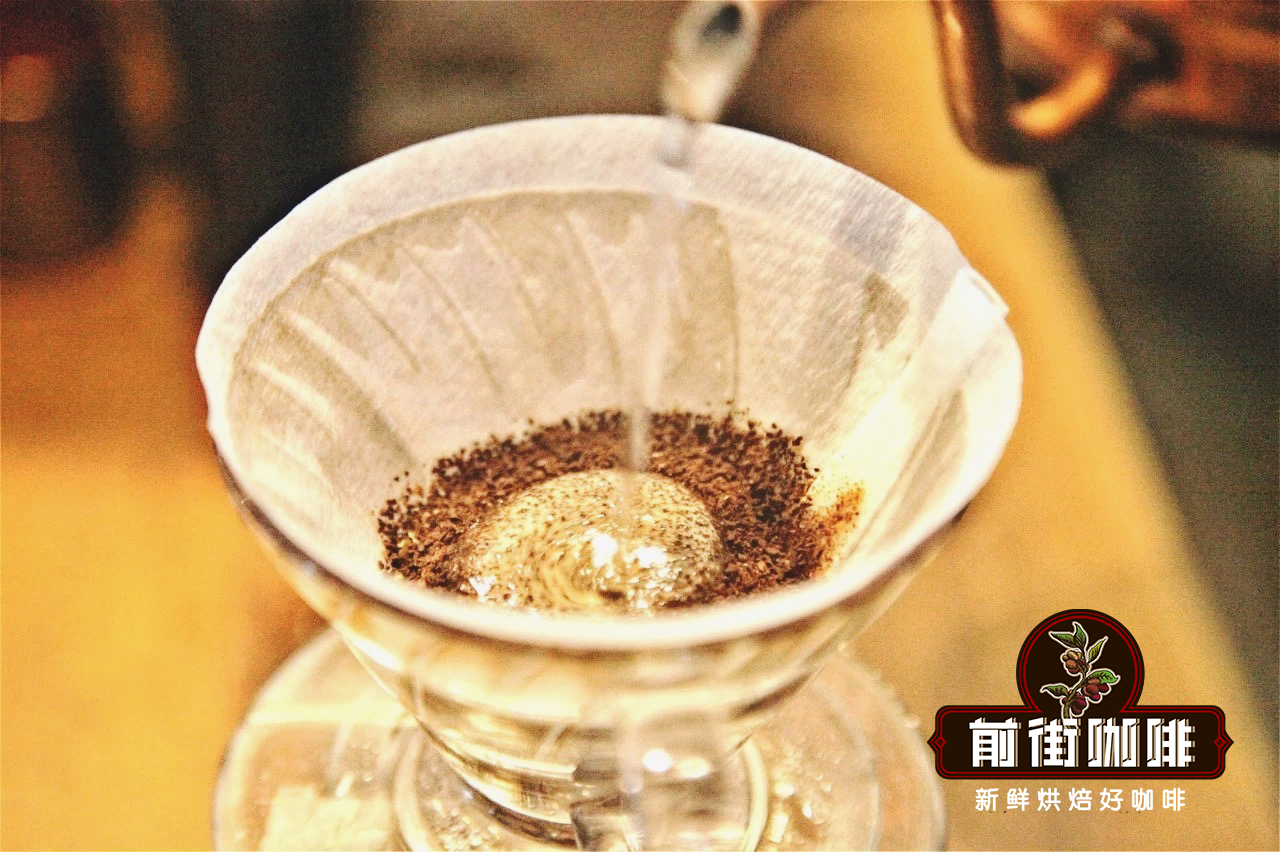
▶ Stage 1: pour 30g water and bloom for 30 seconds
▶ Stage 2: pour 95g water (total about 125g), taking about 1 minute
▶ Stage 3: pour 100g water (total about 225g), starting when the water level drops to two-thirds of the coffee bed, lasting until 1 minute 35 seconds
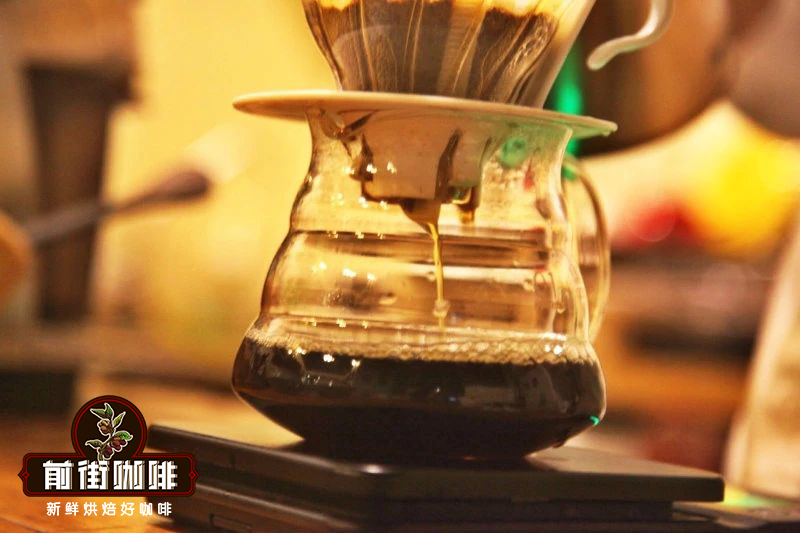
▶ Control the final drip time to 2'00"-2'10", then remove the dripper to finish extraction
Flavor reference:
• Huehuetenango: citrus and berry acidity lead, accompanied by fresh lemon-peel notes; nutty aroma emerges in the middle, and the finish has an astringent tea-like sensation.
• Antigua Genaro: citrus acidity is more pronounced, blending a juicy, lively acidity with rich floral notes and moderate sweetness; the middle has moderate body, and the later stage reveals subtle caramel and smoky undertones, with excellent overall balance.