Ethiopian Hualukui Coffee Beans: Sidama vs. Guji Flavors and Brewing Guide
Introduction: Ethiopian Hualukui coffee beans are favored by coffee enthusiasts for their unique tropical fruit flavors and elegant floral aromas, but the phenomenon of their region label changing from Sidama to Guji is often confusing. This article provides an in-depth analysis of the origins of Hualukui coffee beans, the regional changes, and flavor characteristics, compares them with Yirgacheffe, and offers professional-grade details on natural processing and brewing parameter recommendations to help you fully understand the characteristics of this star bean.
As a jewel in the global coffee landscape, Ethiopia has over 2,000 years of coffee cultivation history, and its southern regions have produced many specialty coffees with unique flavors. In the journey of exploring Ethiopian coffee, Hualukui coffee beans stand out with their signature tropical fruit sweetness and acidity and delicate floral aromas, but consumers often encounter the situation where the region label changes from "Sidama" to "Guji"—this reflects the evolution of Ethiopia's coffee grading system.
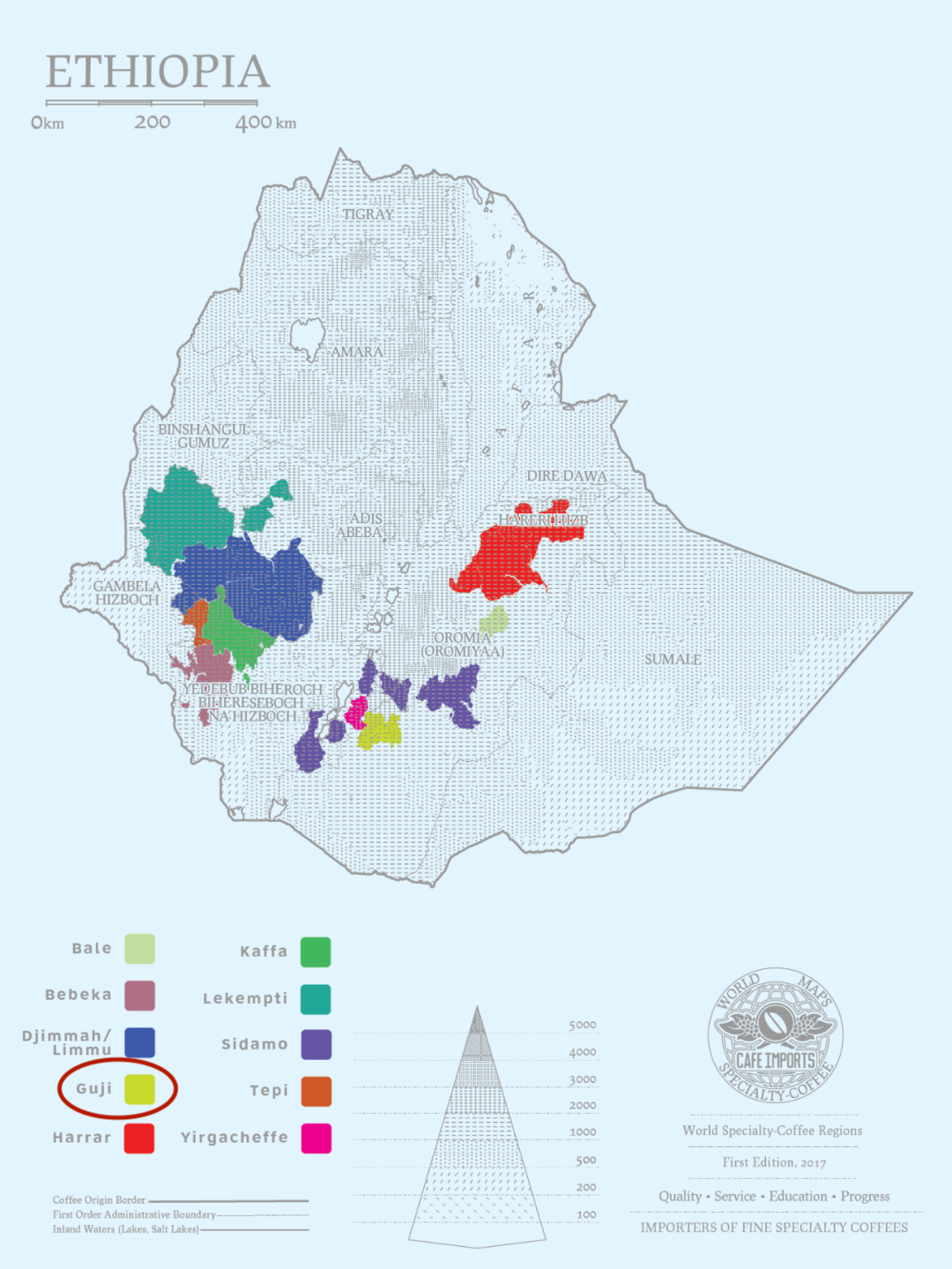
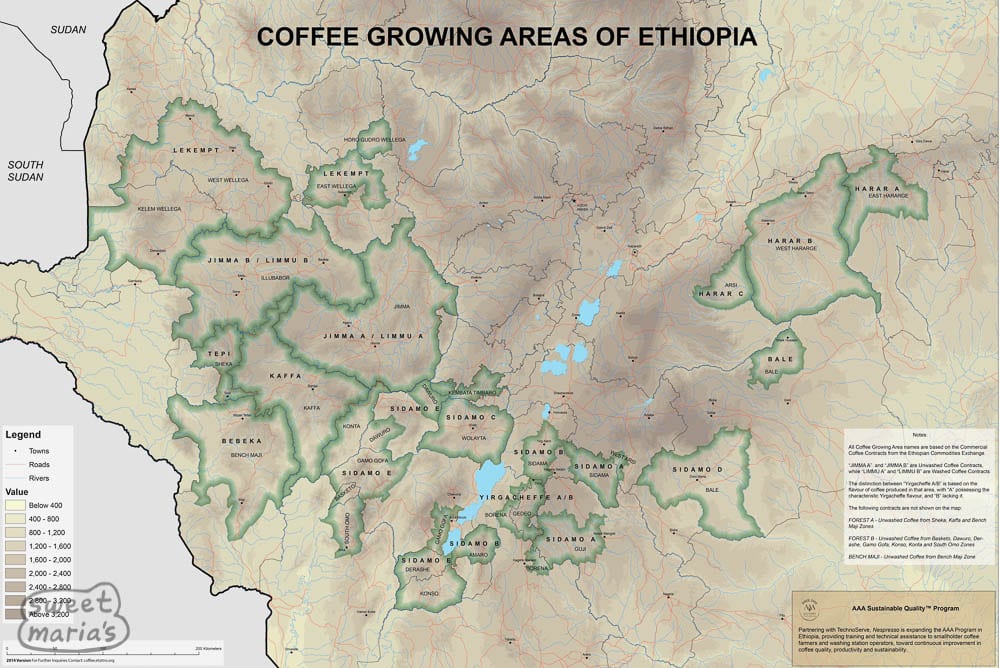
The Sidama region was once one of Ethiopia's largest coffee regions, covering 23 areas, more than 50 cooperatives, and over 200 processing stations. Its geographical characteristics spanning multiple administrative divisions create significant microclimate differences. It is worth noting that before Yirgacheffe independently registered its flavor trademark in 2007, it existed for a long time as a sub-region of Sidama, and its early export products were labeled "Greater Sidama Coffee." Similarly, the Guji region was only separated from the "Sidama A" category of the ECX trading system in 2015 and obtained independent certification status.
The rise of the Guji region began in the early days of the establishment of the Ethiopia Commodity Exchange (ECX) in 2008, when coffee from this area was still classified under the Sidama system. As sub-regions such as Hambela and Shakiso won awards in international competitions consecutively, the ECX officially established it as an independent region in 2015. The area has an average altitude of 1,800–2,200 meters, volcanic soil rich in minerals, and strict forest protection policies, providing an ideal growing environment for coffee plants.
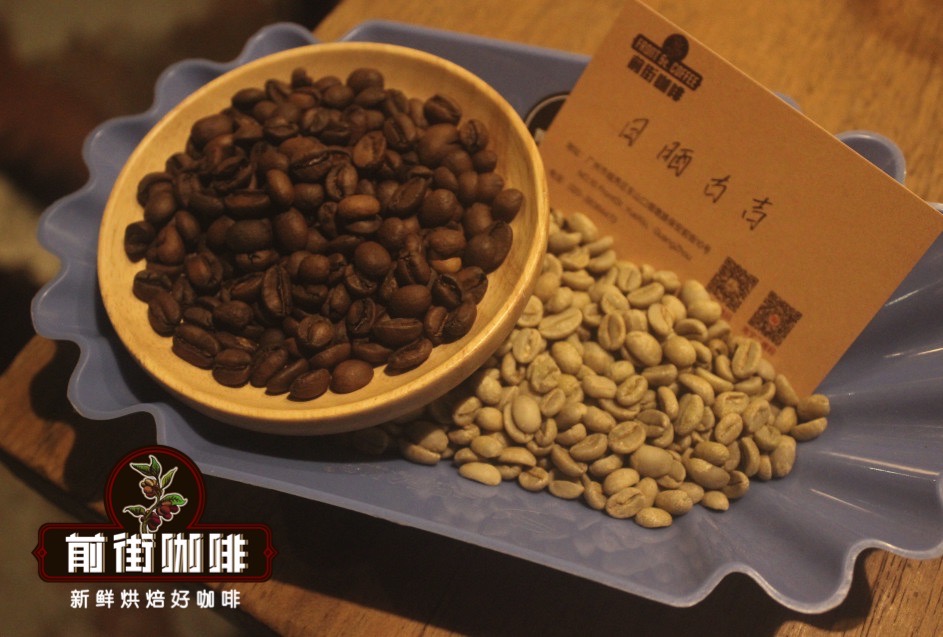
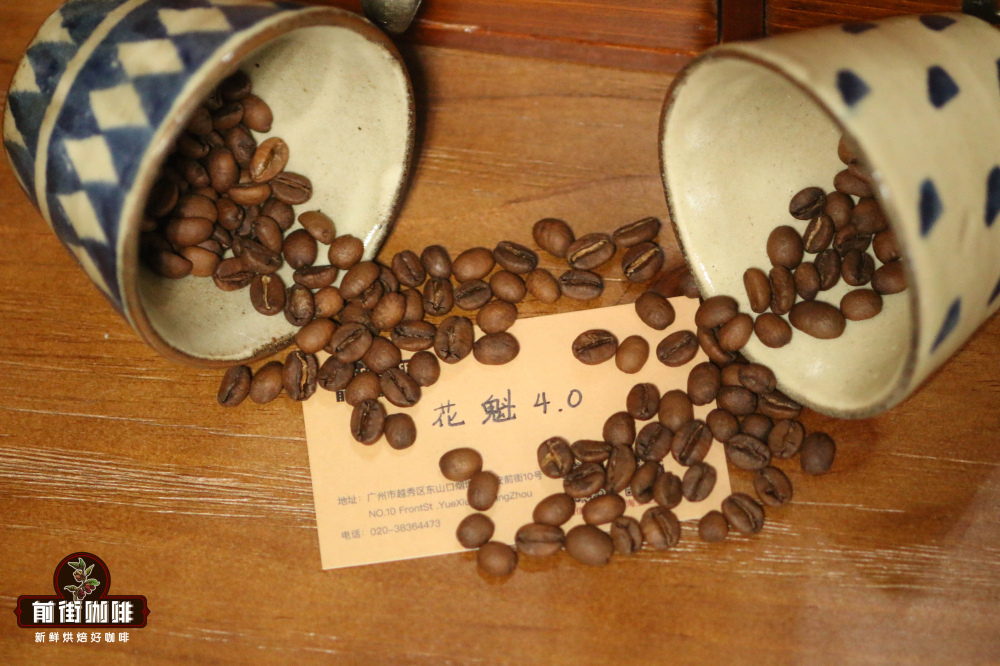
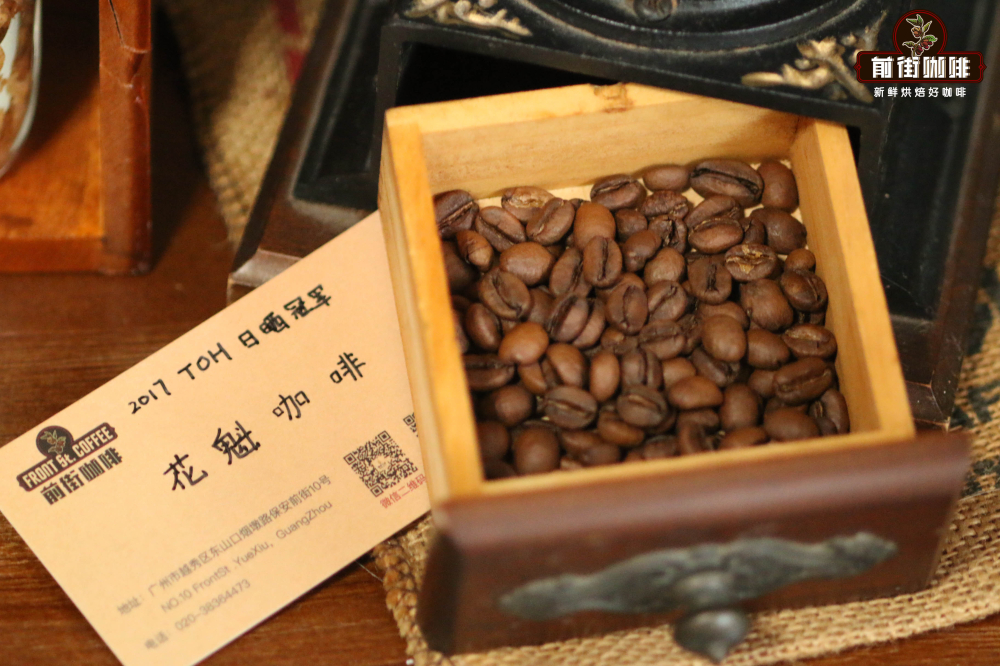
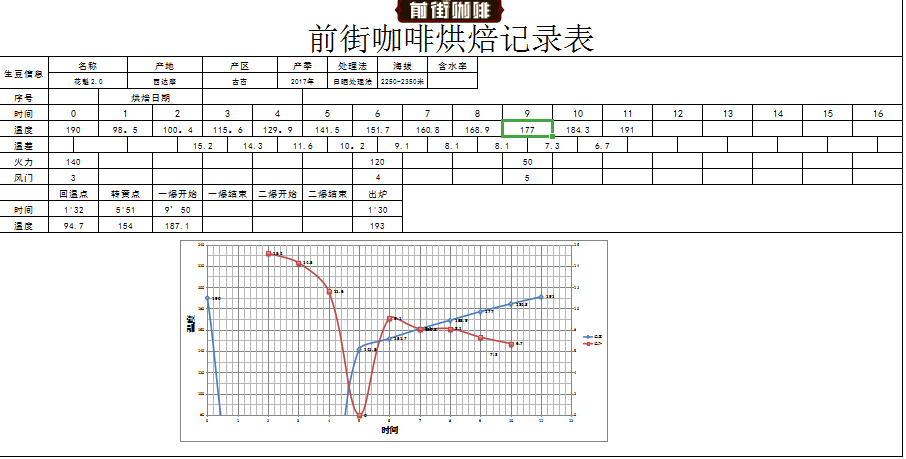
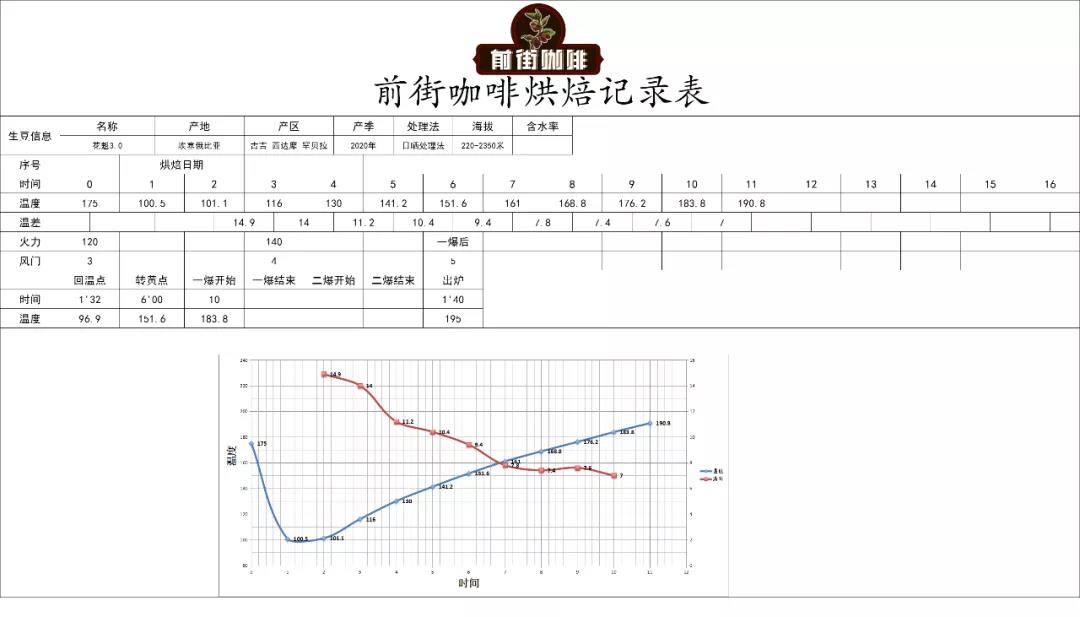
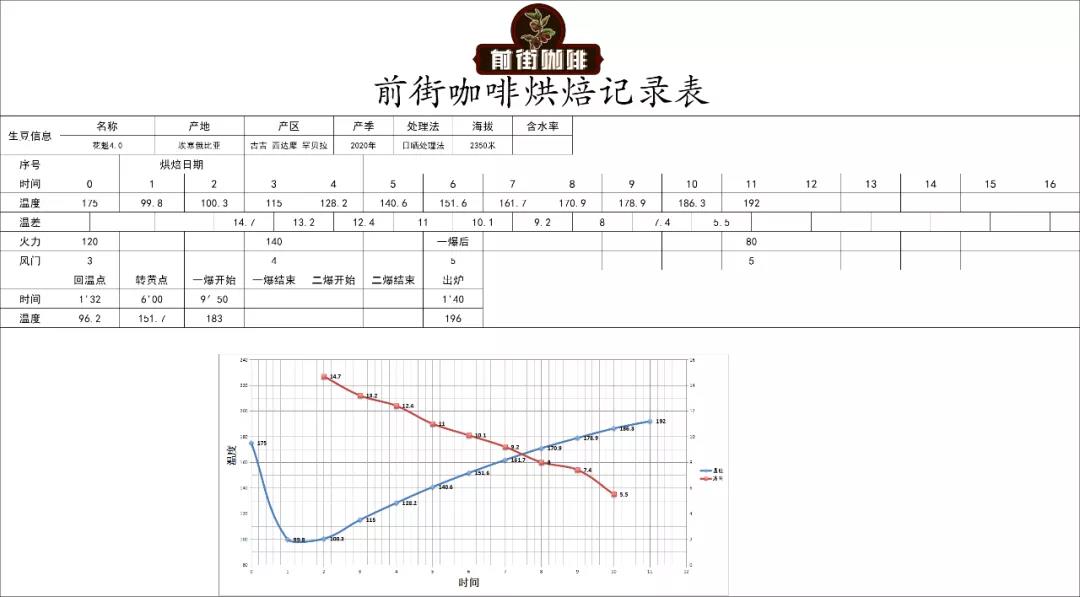
The name of the Hualukui series of coffee beans comes from the champion bean of the 2017 TOH (Ethiopia National Taste of Harvest competition). That lot was a natural-process bean produced by the Buku Abel processing station in the Hambela region, and its intense strawberry cream aroma laid the foundation for the base flavor of the Hualukui series. It should be specially noted that in the strict sense, "Hualukui" specifically refers to the product of this processing station, while the subsequently appearing numbers such as Hualukui 2.0 to 5.0 actually come from different processing stations in the region but continue to use the naming system with high market recognition.
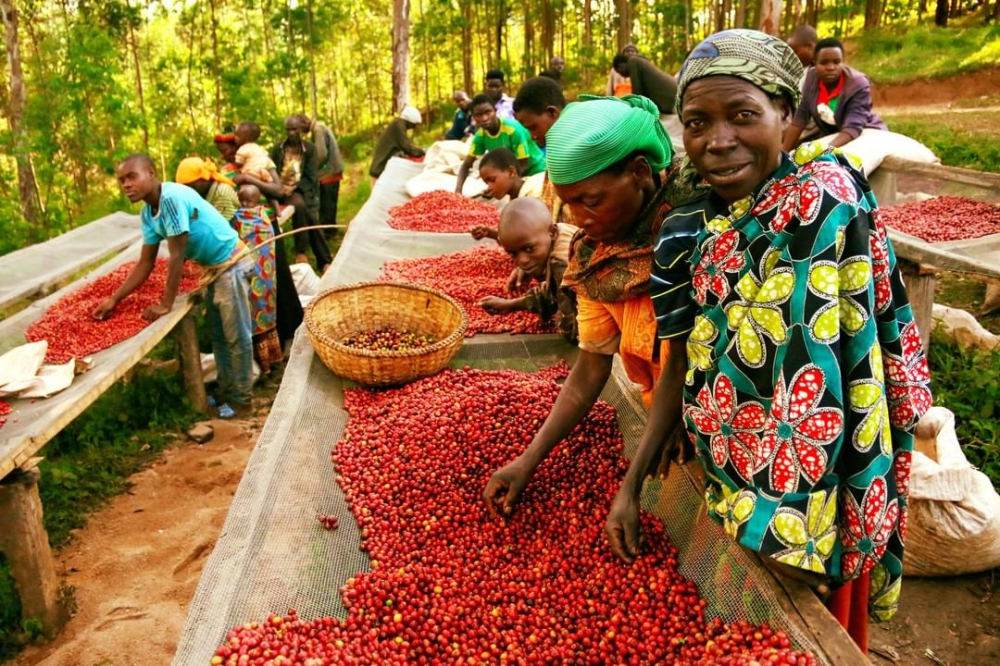
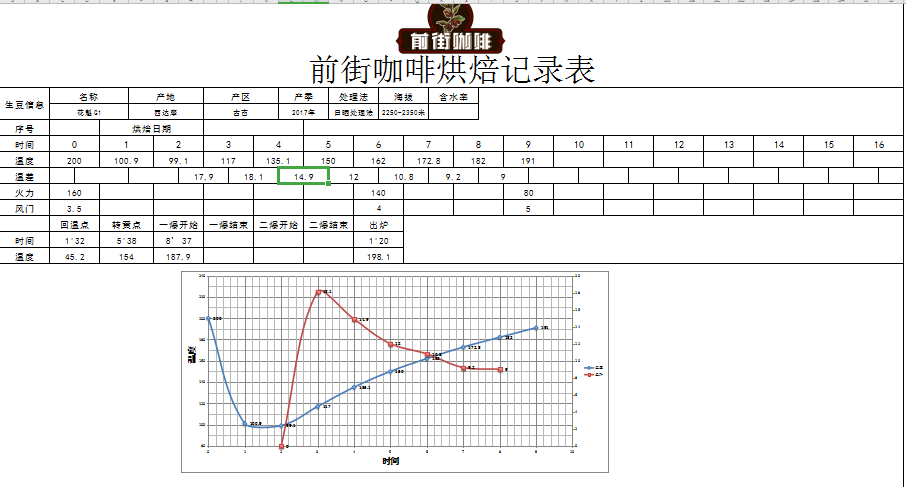
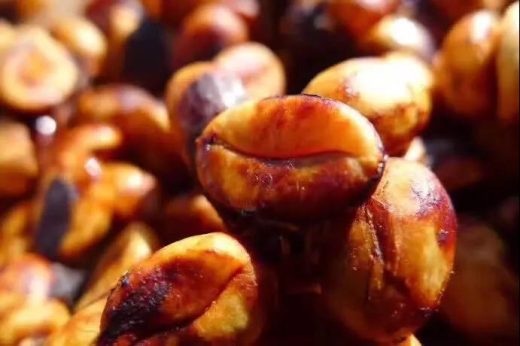
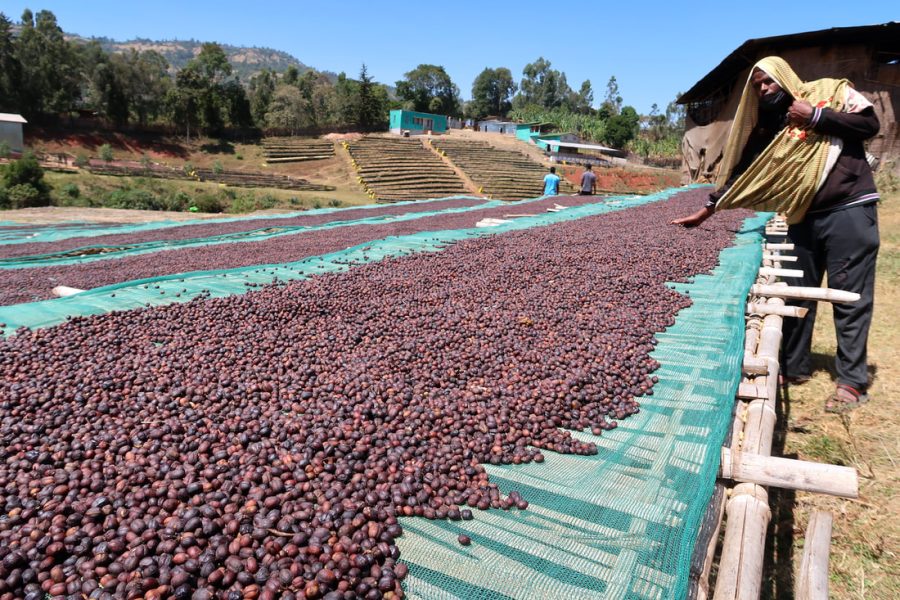
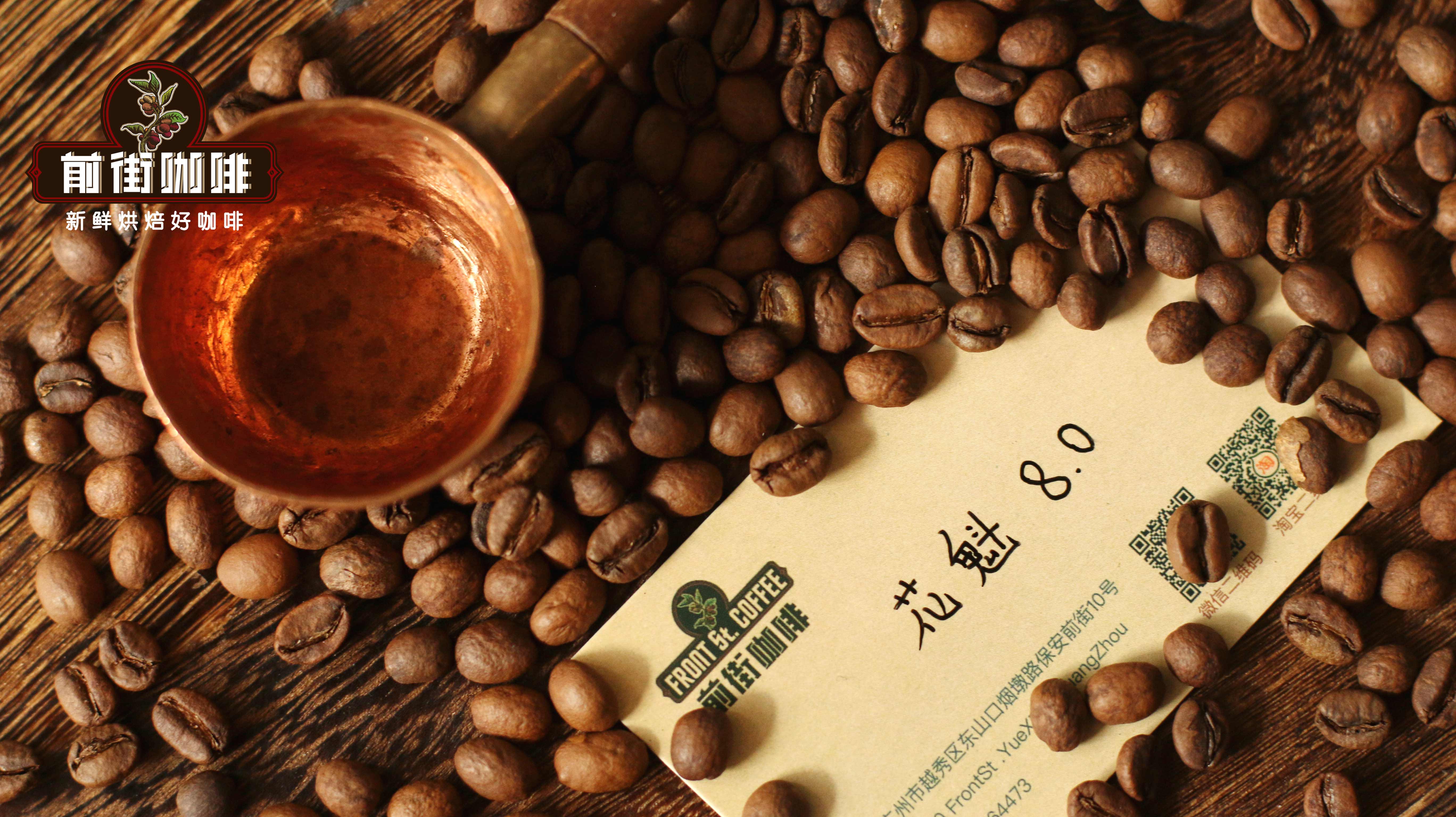
Taking Hualukui 8.0 as an example, this natural-process bean from the Buku Abel processing station in the Hambella sub-region continues the classic tropical fruit profile while strengthening the citrus acidity and caramel finish during roast development. Professional roasters recommend focusing on the following core parameters: local heirloom varieties grown at 2,250–2,350 meters, G1 grade screening standards, and precise moisture content control of 11–13%. In terms of processing, the red cherries need to reach a sugar content of above 30°Brix at harvest, undergo 18 days of temperature-controlled natural drying (day-night temperature difference maintained at 12–25°C), and finally go through 50 days of natural resting to stabilize the moisture content at 11%.
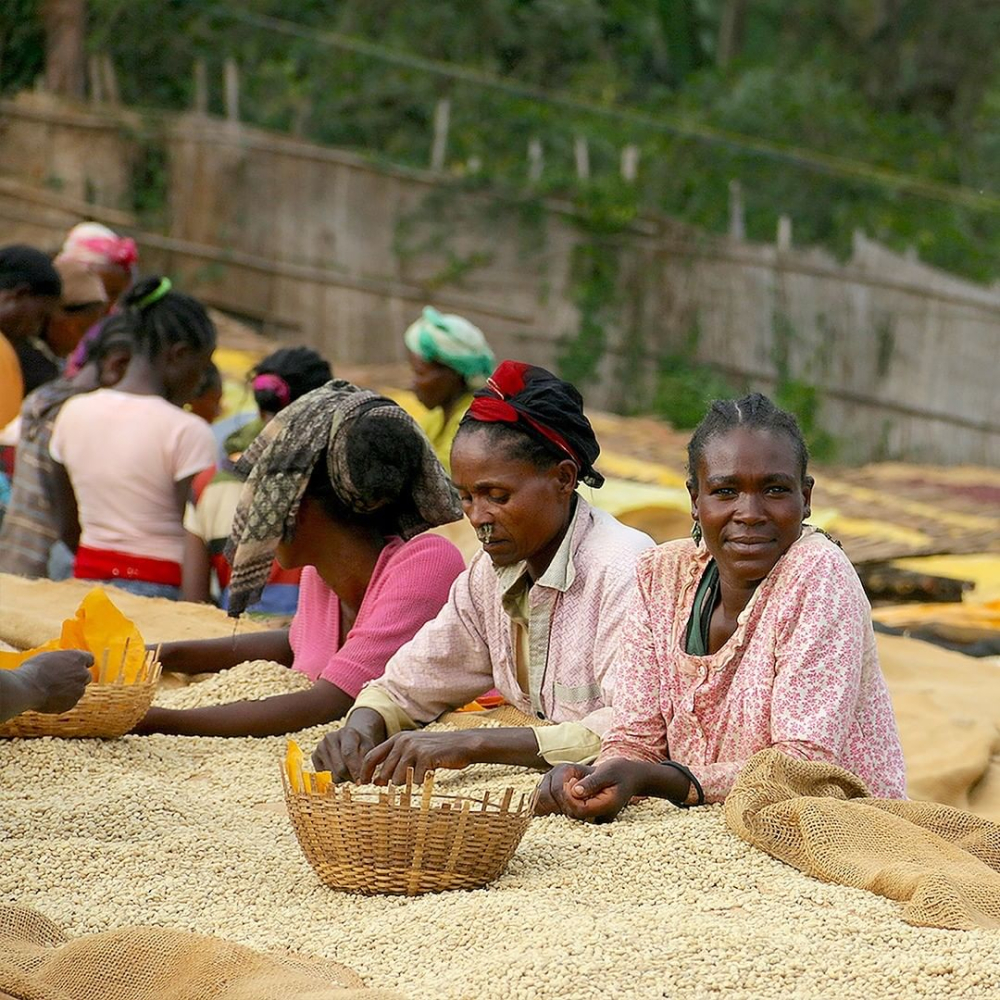
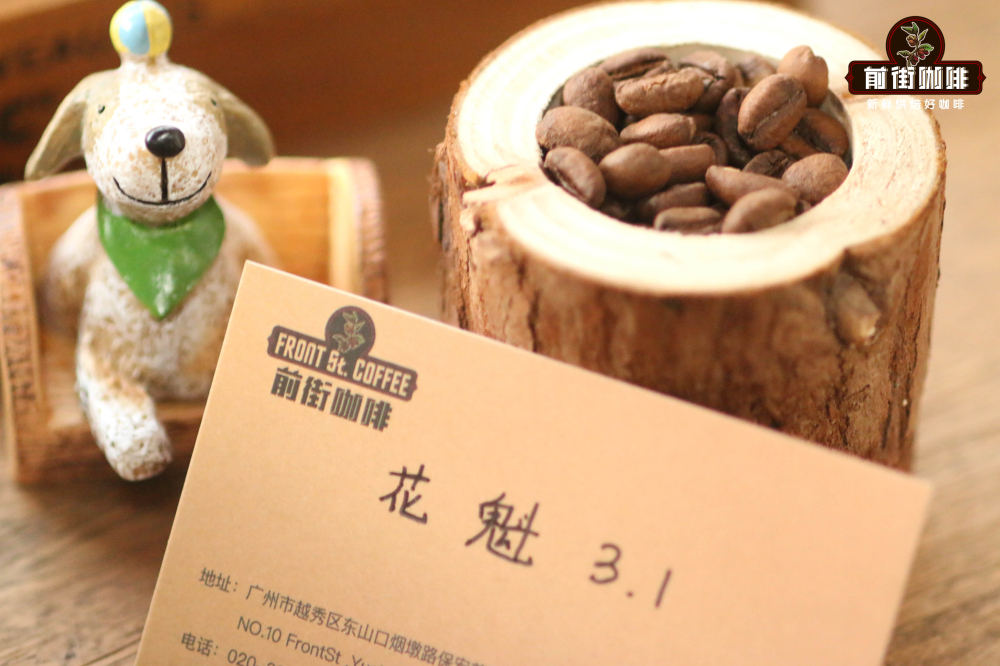
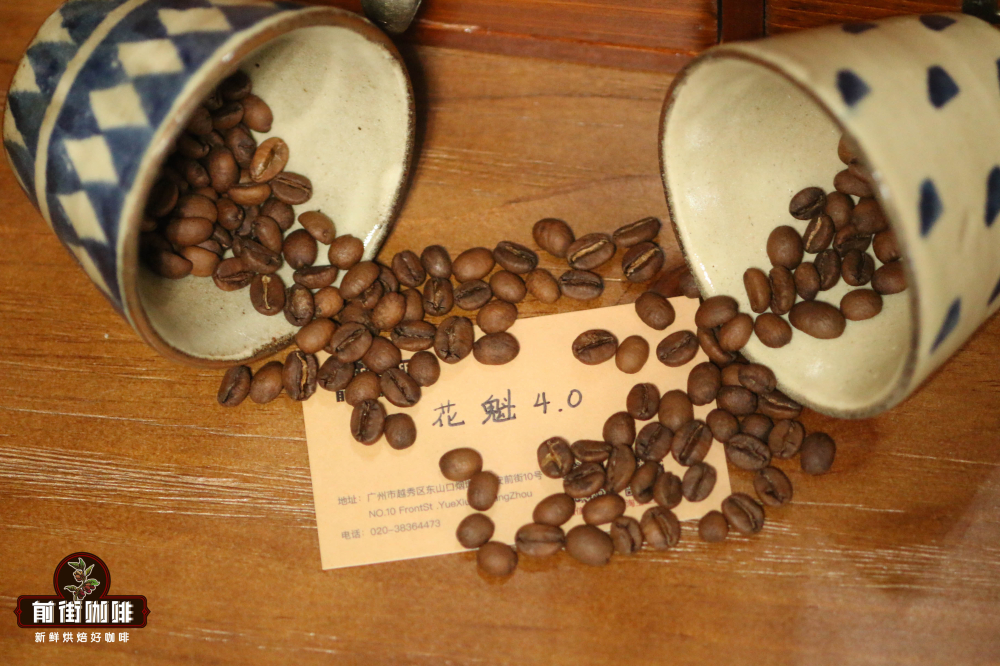
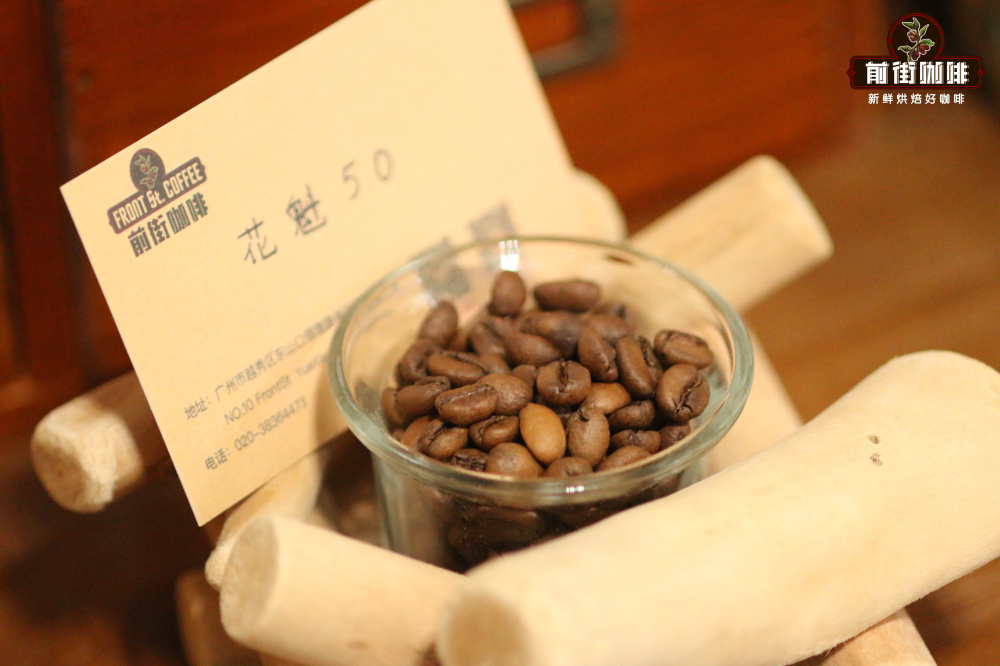
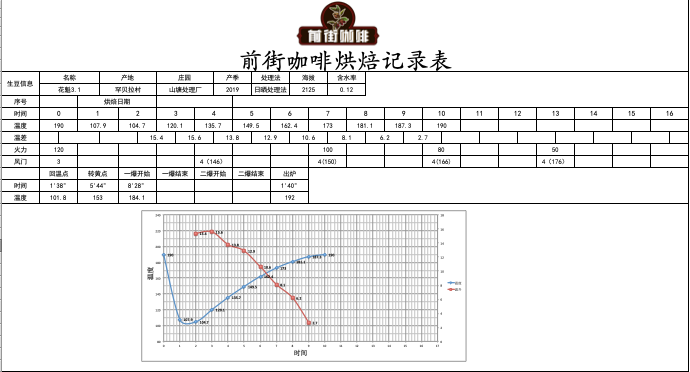
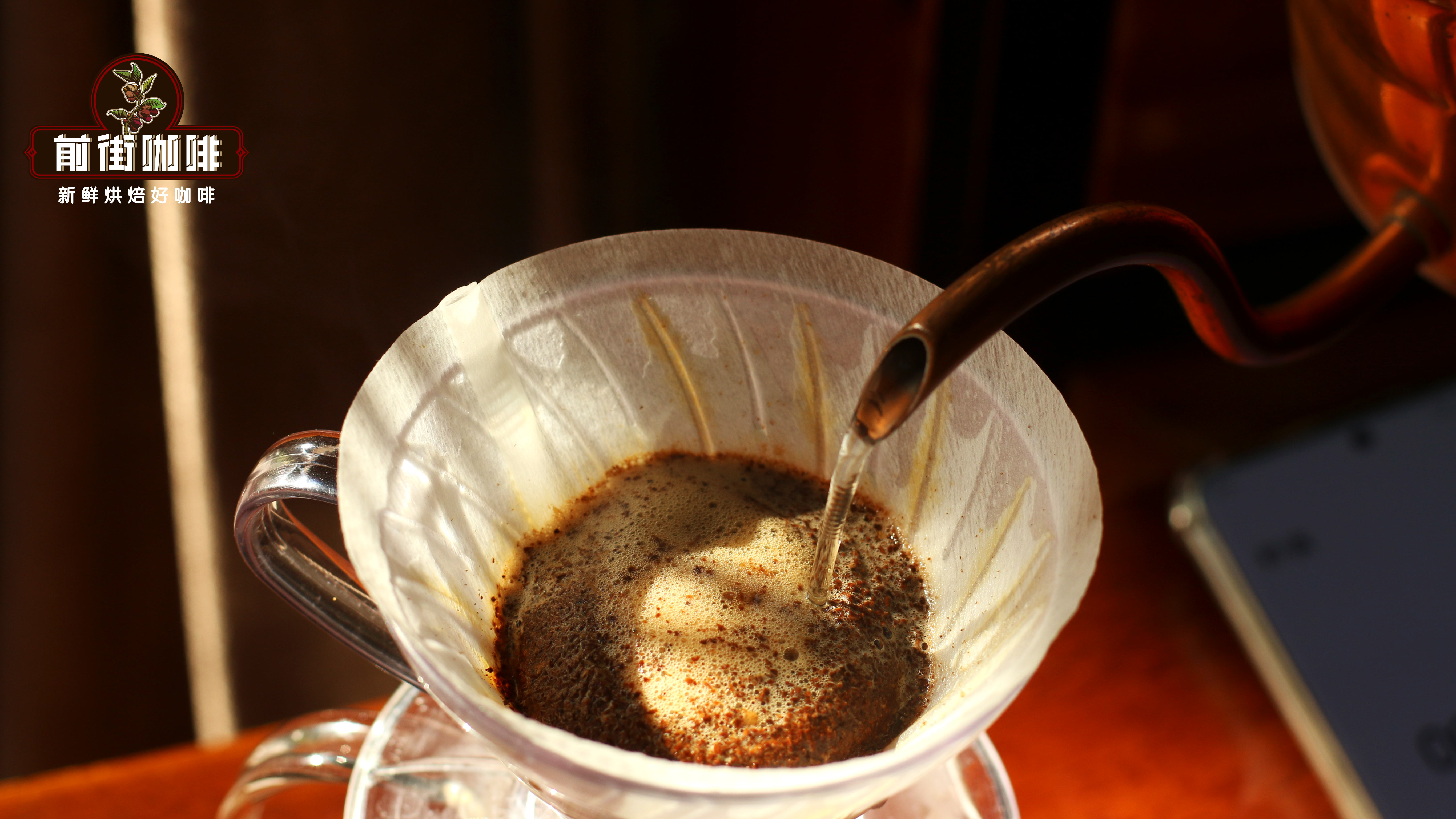
In terms of flavor performance, different batches of Hualukui beans show significant differences: early versions are dominated by bright fruit acidity such as strawberry and passion fruit, accompanied by the rich texture of creamy nuts; later numbers such as Hualukui 3.1 show citrus-caramel notes closer to Gesha Village, while Hualukui 4.0, by switching to the Dega variety, develops a complex aroma of rose and oolong tea. For brewing parameter optimization, it is recommended to use a V60 dripper (80% passing rate through a No. 20 sieve), with water temperature controlled at 90±2°C and a 1:15 coffee-to-water ratio, using the standard process of "30 g water for 30-second bloom + staged pouring to 225 g" to maximize the berry layers and rich balance.
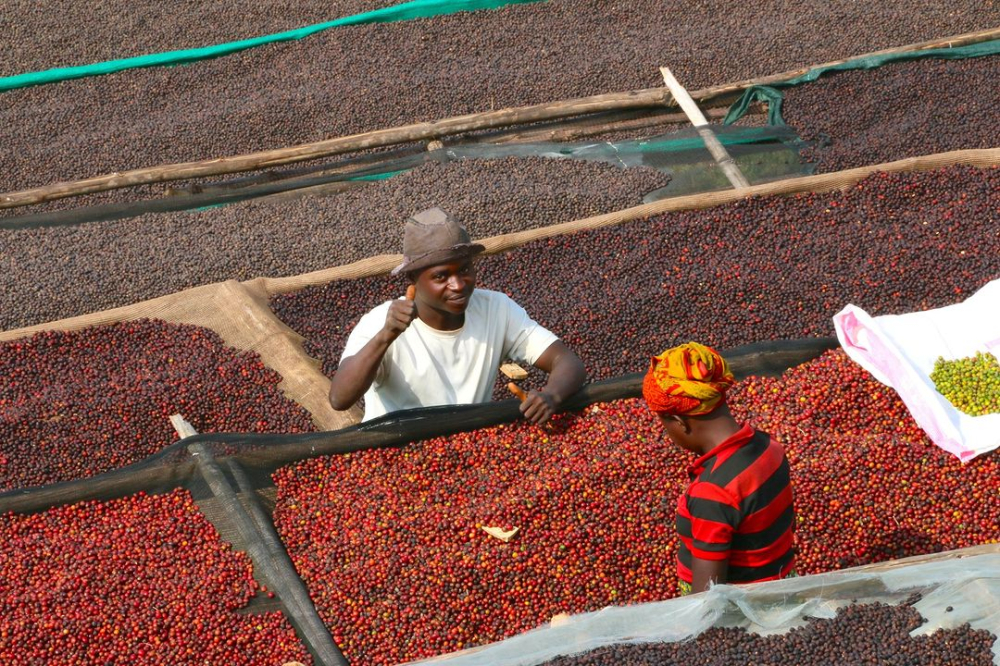
Observing the development of the region, the rise of Guji marks the deepening of professional division of labor in Ethiopia's coffee industry. Processing stations in this area are densely distributed in the mountains at an altitude of 2,000 meters. For example, the Dimtu area in the core Hambela zone has gathered several specialty processing stations, but note that only the natural-process beans from the Buku Abel processing station meet the original definition of Hualukui. When purchasing, consumers can identify the true lineage and flavor characteristics of different numbered Hualukui beans by tracing processing station information and competition award records.