Huakui 7.0 Coffee Review: 2023 New Crop Flavor Analysis and Pour-Over Guide
Introduction: Huakui 7.0, a star coffee bean from Ethiopia's Sidama region in the 2023 new crop, has drawn considerable attention and discussion among coffee enthusiasts. This article begins with the origins of the Huakui series, explains Huakui 7.0's true identity and flavor profile, and offers professional pour-over recommendations to help you better experience the unique charm of this season's Huakui.
Huakui coffee beans have long been a focus of attention for domestic coffee enthusiasts and professionals. Every new crop season, discussion begins well before the beans arrive at port, with everyone eager to taste the classic flavors of strawberry-like sweetness and creamy smoothness.
However, Huakui 7.0, which arrived at port in May 2023, sparked considerable controversy after its release. Many consumers reported: "Why doesn't it taste like Huakui used to?" "It's more like Yirgacheffe!" Some even questioned: "It's not a natural process from Buku Abel washing station—can this still be called Huakui?"

These questions actually stem from misunderstandings about the story behind the name "Huakui" and confusion about the relationship between the producing region and the washing station. To understand Huakui 7.0, we need to start with the origins of the Huakui series.
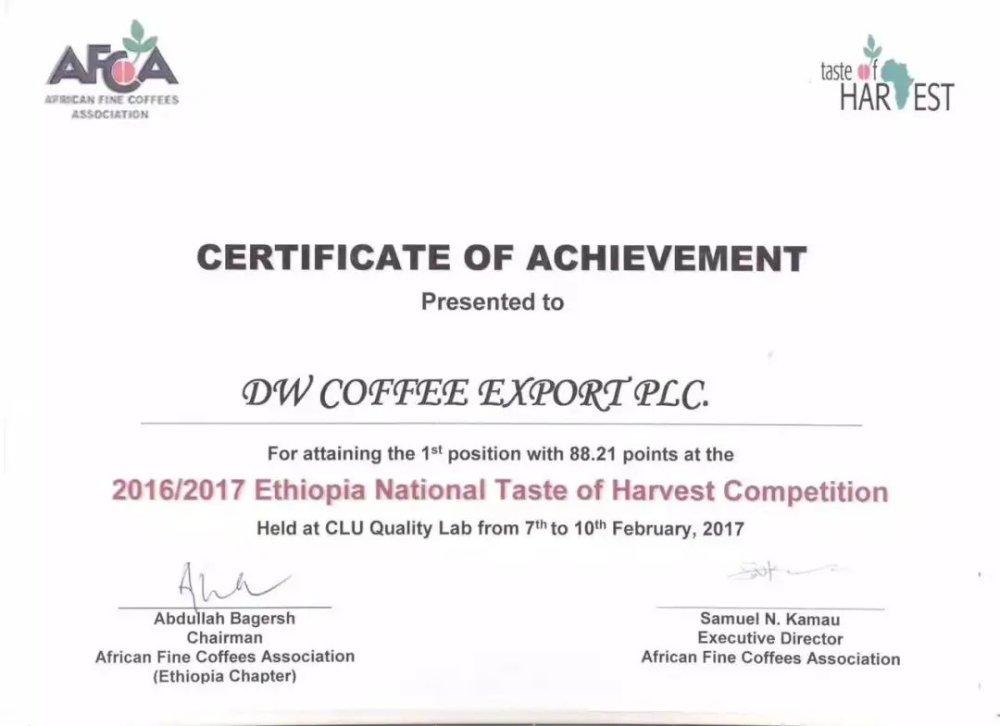
In 2017, the African Coffee Association (TOH) held a coffee bean competition. A natural-process batch of Ethiopian heirloom coffee from the Buku Abel washing station under DW Company in Ethiopia's Hambela region won the TOH natural category championship that year, thanks to its intense strawberry and cream aromas.
That same year, this championship green coffee was introduced to the Chinese market and named "Huakui," meaning "chief of a hundred flowers." Later, at the World Coffee Brewing Championship, the runner-up from China used this batch of coffee to defeat numerous Gesha competition beans, making "Huakui" quickly famous—especially that unforgettable strawberry flavor, which became deeply ingrained in people's minds.
Many people therefore concluded that true Huakui must come from the Buku Abel washing station and must have a distinct strawberry character. But in reality, Huakui does not refer to a single washing station; it is a general term originating from a specific producing region and specific competition-winning batches.
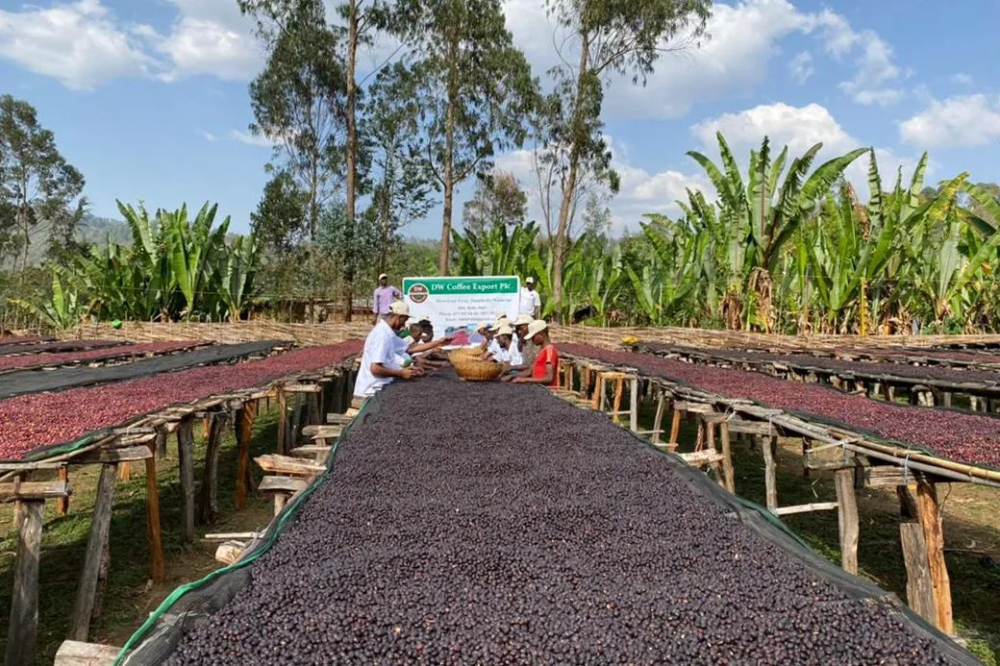
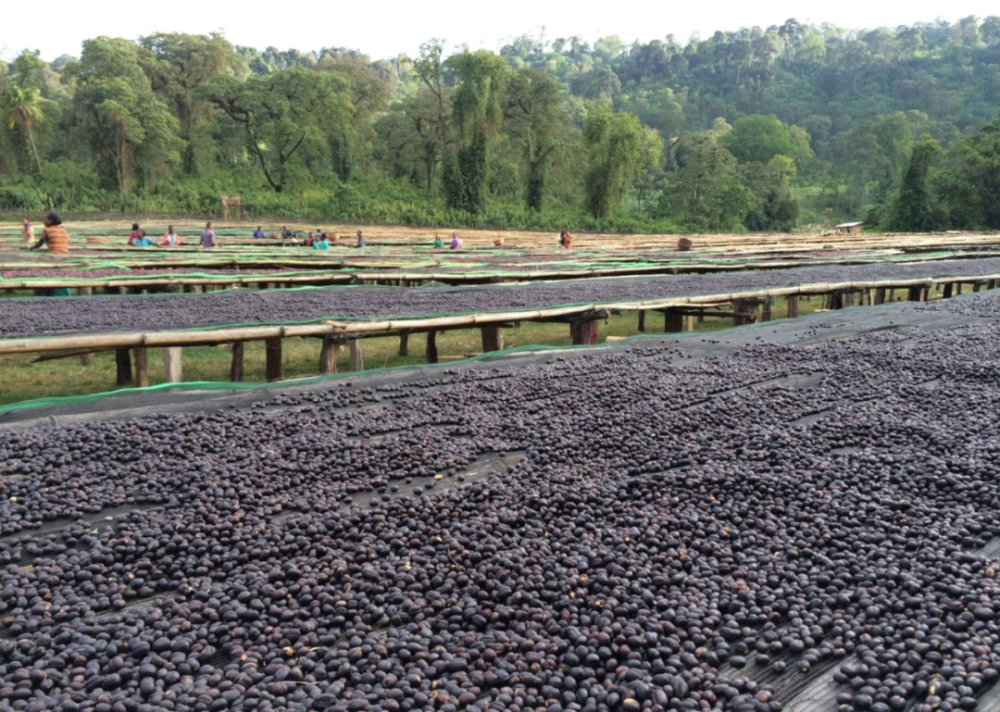
After winning in 2017, DW Company added multiple coffee drying stations in Dimtu town, in the core producing area of Hambella Wamena Wereda, mainly distributed across five villages including Buku Abel Kebele: Buku Abel Kebele, Tirtiro Goye Kebele, Seke Bokosa, Haro Soresa, and Buku Saysay. Although these villages are independent, they are geographically adjacent with similar climate and soil conditions, and the natural G1 coffee beans they produce are all under DW Company's unified management.
Among them, Buku Abel village covers about 25 square kilometers and contains 3 to 5 processing stations, each equipped with 20 to 30 drying beds. Each station can process coffee cherries from within about a 5-kilometer radius, producing 50 to 100 tons of natural G1 coffee beans per season. The total annual production of the entire Buku Abel village can reach about 500 tons per season.
Therefore, strictly speaking, only natural G1 coffee beans from the processing stations of these five villages fit the original geographic definition of "Huakui." But in fact, as the harvesting range gradually expanded, "Huakui" is now no longer limited to Buku Abel village but covers high-quality natural G1 beans produced by multiple villages under DW Company in this core producing area.
So why do many people feel that Huakui 7.0 "doesn't taste like Huakui"? In fact, this is related to the natural fluctuation of coffee bean flavors. As an agricultural product, coffee's flavor is greatly influenced by that year's climate, rainfall, sun-drying time, temperature, and other natural conditions. The unique flavor of the 2017 Huakui was the result of favorable timing, geography, and human effort combined—it was somewhat accidental.
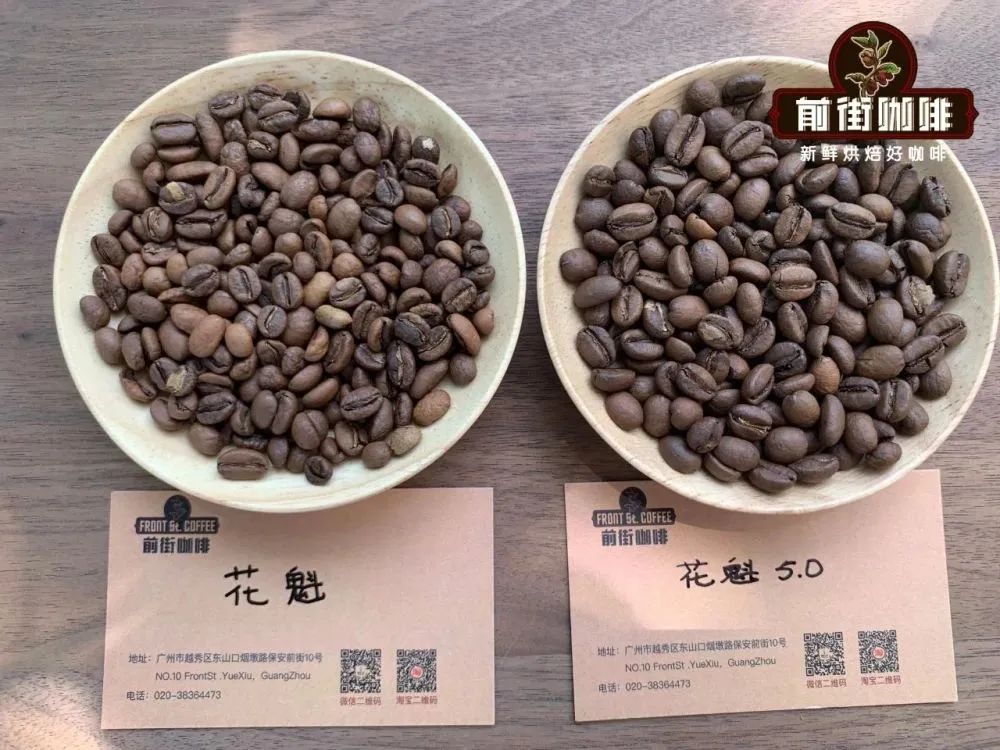
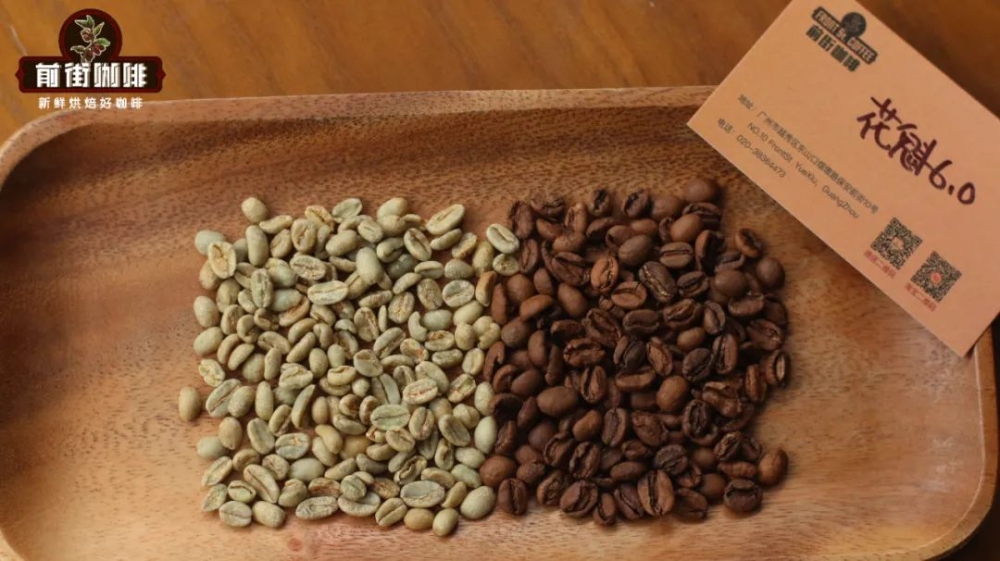
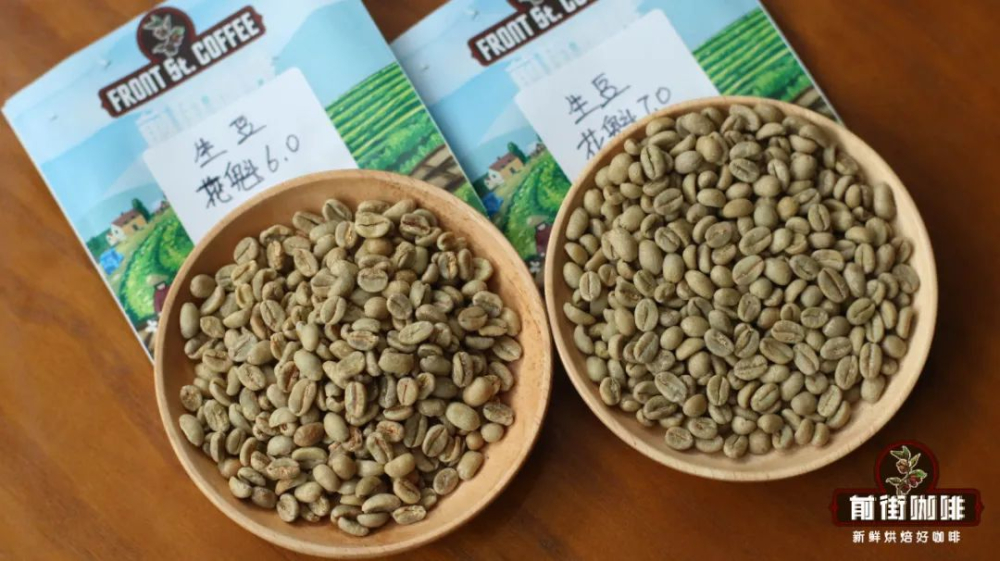
Since 2018, the natural G1 coffee beans from this region have gradually failed to reproduce the flavor characteristics of 2017, so the industry began using "X.0" to distinguish batches from different years, such as Huakui 2.0 in 2018, and Huakui 3.0 and 3.1 in 2019. Cupping revealed that some small-bean varieties showed aromas similar to the 2017 Huakui, so after 2020, Huakui was divided into two series: the regular version and the small-bean Huakui. Small-bean Huakui does not belong to the "X.0" numbering system.
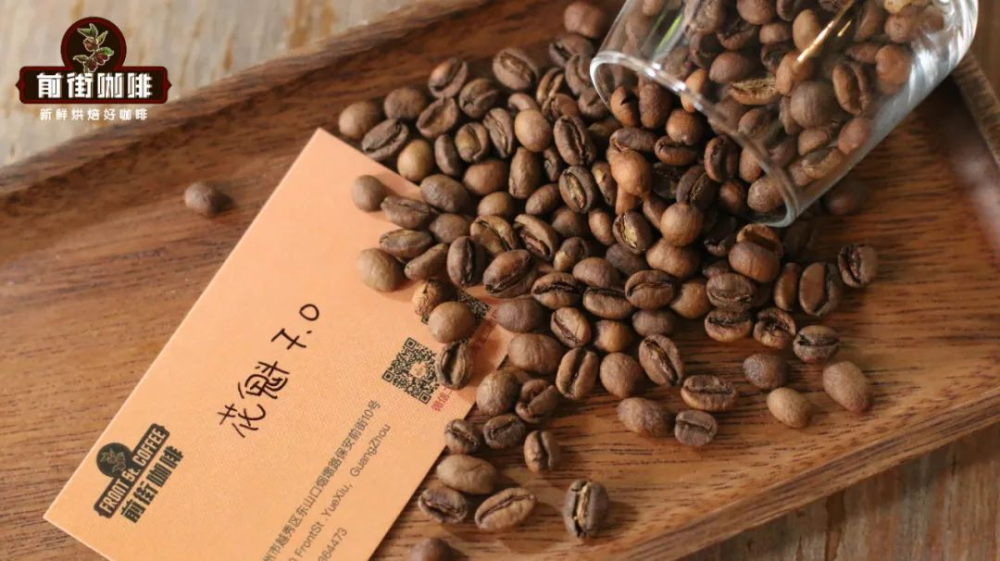
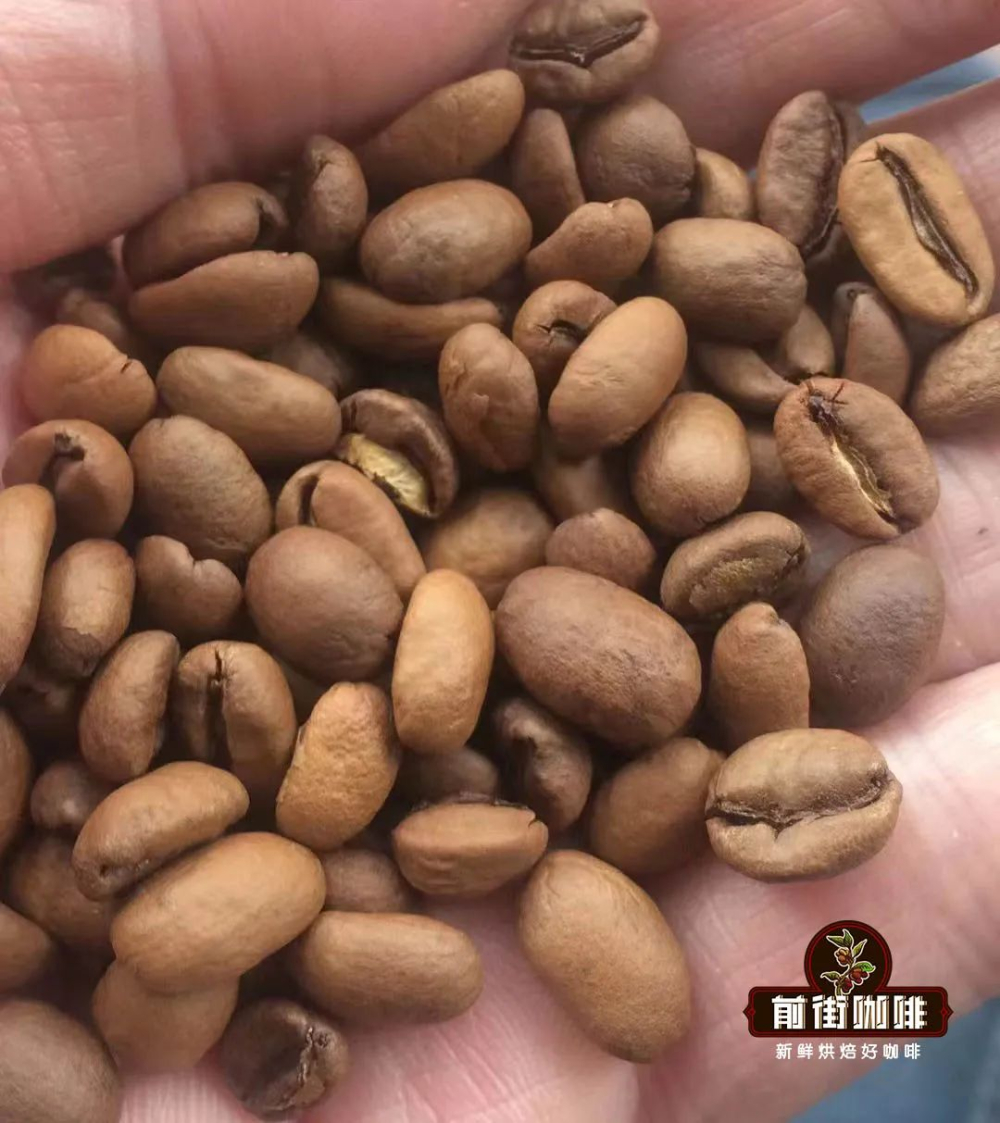
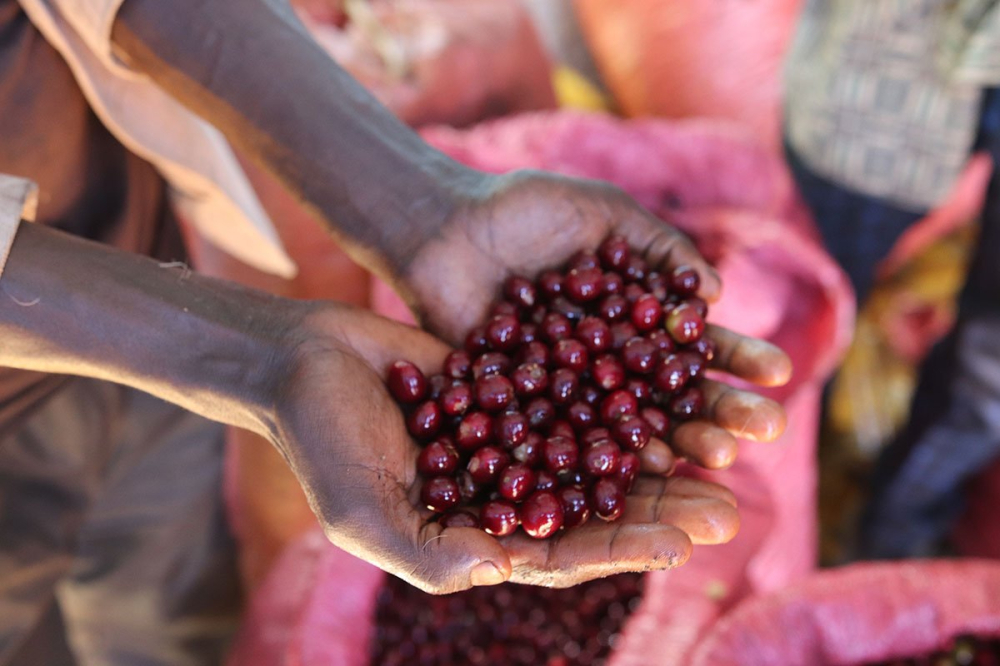
Back to Huakui 7.0 in 2023. As a new-crop bean, it has a higher moisture content and may initially carry a noticeable grassy note. To address this, roasters typically adopt a medium-light roasting strategy to highlight its bright fruit acidity and floral-fruity character.
According to cupping feedback, Huakui 7.0 cupped 12 hours after roasting showed a fresh citrus aroma when dry, berry-like aromatics when wet, and a rich layering on slurping: citrus acidity on entry, apricot sweetness in the middle, accompanied by passion fruit aroma, and a tea-like refreshing sweet finish. The overall performance matches the typical flavor characteristics of natural-process beans from the Sidama region—citrus, berries, tropical fruit, and tea notes all present.
For those who enjoy trying pour-over, here are recommended base parameters to help you better express the flavor layers of Huakui 7.0:
[Pour-Over Parameter Recommendations]
Dripper: V60 (or other conical dripper)
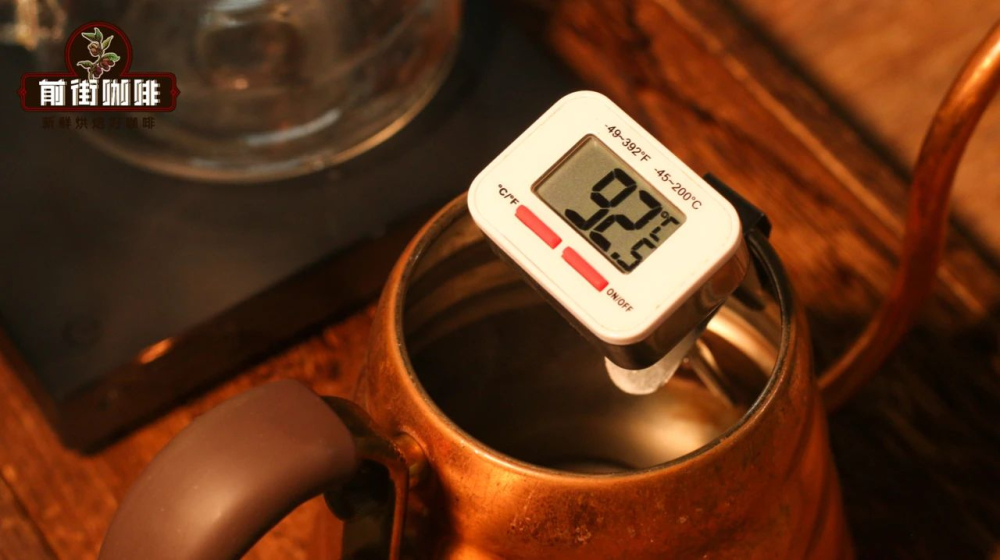
Water temperature: 92°C
Dose: 15 grams
Coffee-to-water ratio: 1:15
Grind: medium-fine, recommended to use a Chinese standard No. 20 sieve with about 80% passing rate (close to fine granulated sugar texture)
Notes:
• Choose a fresh batch of coffee beans within 4 to 7 days after roasting, when the flavor is most vivid. Although there are technologies such as nitrogen preservation on the market, for a flavor-sensitive beverage like coffee, the actual improvement is limited; prioritize the roast date.
• Freshly roasted beans need a "resting period," generally 4 to 7 days, to allow internal carbon dioxide to fully release and help the flavors unfold.
[Pour-Over Steps]
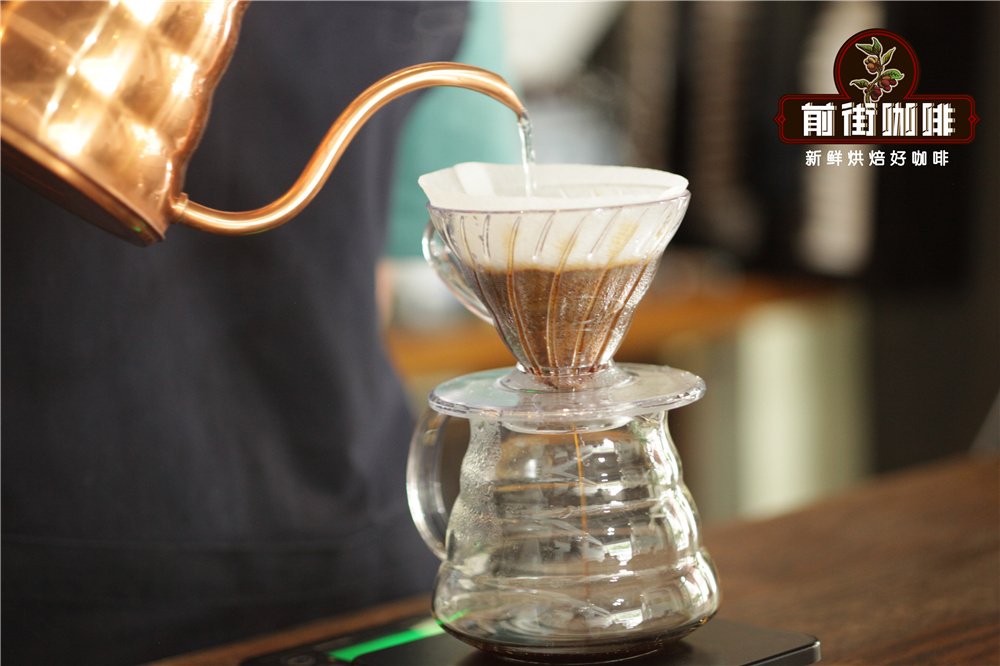
1. Wet the filter paper and press it tightly against the dripper; discard excess water.
2. Add 15 grams of ground coffee and gently tap the dripper to level the bed.
3. Step one: Pour 30 grams of hot water and bloom for 30 seconds to release the aromas.
4. Step two: Starting from the center of the coffee bed, slowly pour in a small stream in circles up to 125 grams, keeping the flow steady.
5. Step three: When the water level drops to just about to expose the bed, continue pouring to 225 grams, maintaining center pouring and small-stream control.
6. Finally, wait for the coffee liquid to fully drip through, about 2 minutes in total, then remove the dripper and enjoy.
In summary, Huakui 7.0, as a 2023 new-crop Sidama natural G1 coffee bean, differs in flavor from the 2017 championship batch but still has clear citrus, berry, and tropical fruit notes. It is a high-value natural bean worth trying. By understanding its geographic background and reasonably adjusting brewing parameters, you too can discover the unique flavor story of this season.