Ethiopia Hambela G1 Huakui Coffee Bean Review: Flavor and Brewing Guide
Introduction: G1 Huakui coffee beans from Ethiopia's Hambela region are known for their distinctive floral and fruity aroma. This article provides an in-depth analysis of their grading standards, regional background, natural process, and flavor characteristics, along with professional pour-over parameters and techniques to help you fully experience the layers and rich finish of this champion-level coffee.
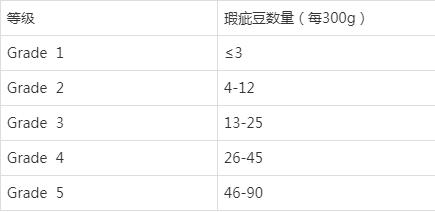
As a global treasure trove of coffee genetics, Ethiopia's coffee grading system strictly follows dual standards of cupping score and green bean defect rate. Specialty coffee (Q1 grade) must score above 85 in cupping with an extremely low defect rate, while the commonly seen G1 and G2 grades correspond to premium lots scoring above 85 and 80-85 respectively. It is worth noting that the grading logic differs between washed and natural beans—washed beans' G1-G2 grades strictly control defects within 3 beans per 300 grams, while natural beans are comprehensively assessed through physical characteristics (40% weight) and cupping quality (60% weight), with G1 representing the fewest defects and the highest quality.
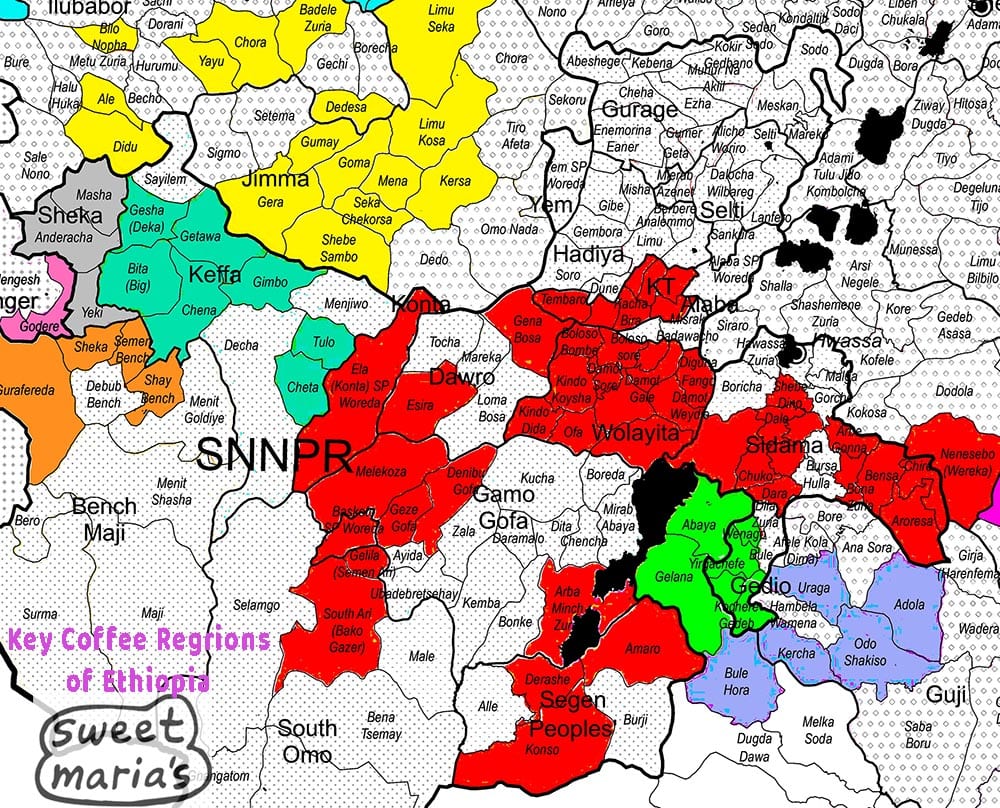
The Hambela region is located in the Oromia Zone of the Guji region in Ethiopia, at an elevation of over 2,000 meters, separated from the Yirgacheffe region by high mountains. The area's unique microclimate and volcanic soil give the coffee beans bright acidity and complex floral and fruity notes. Hambela 7063 is the region's signature lot number; its naturally processed G1 coffee beans rose to fame after defeating the Geisha variety to win the 2017 TOH competition, and were subsequently named "Huakui" with multiple year versions derived from it.
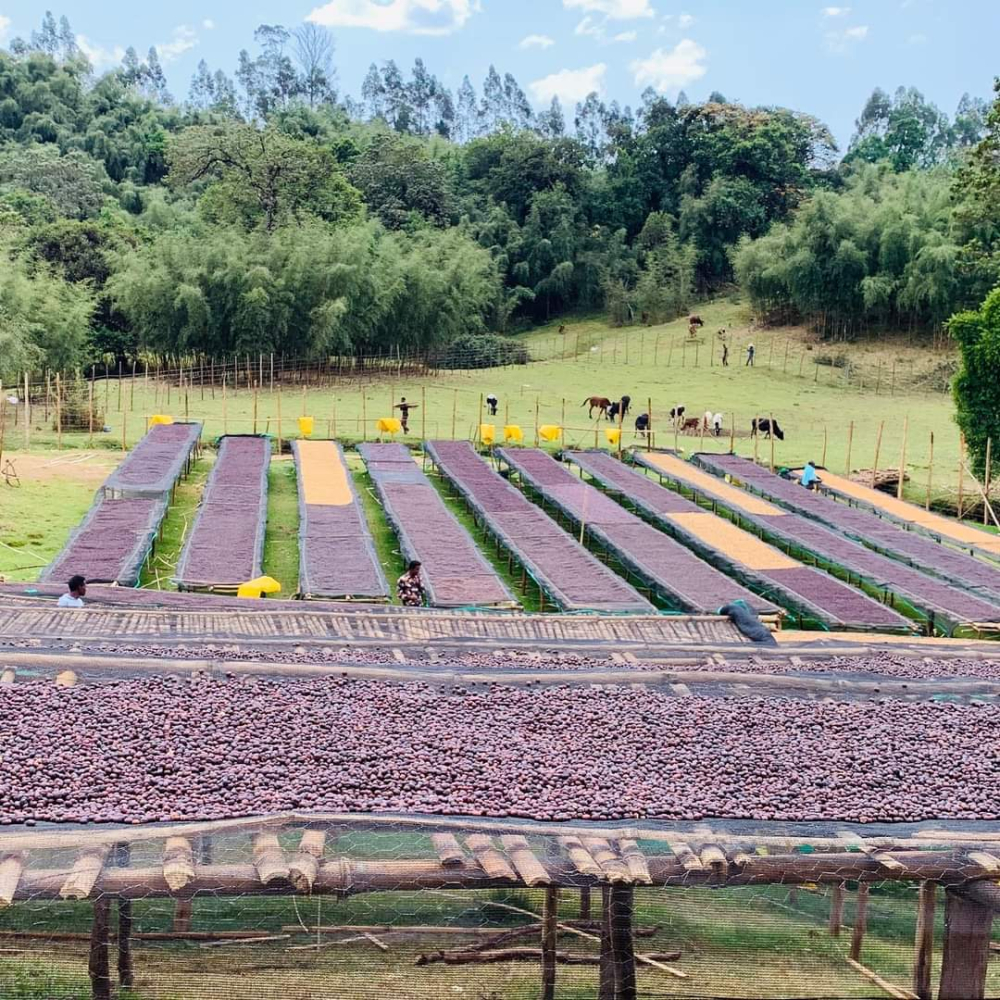
The natural process is key to the formation of Huakui coffee's flavor. Ripe coffee cherries are hand-sorted and placed on raised beds to dry for 21 days, during which they must be turned daily to ensure even dehydration and periodically checked to remove defective beans. Once dried, the fruit skin is mechanically removed, and the finest green beans are retained through precision sorting. The three core stages of traditional natural processing include: mold-preventing raised-bed drying, manual bean-by-bean quality inspection, and final green bean purification—together these steps create Huakui coffee's signature intense sweetness and rich wine-like aroma.
The coffee grading system concerns not only defect rate but also directly affects flavor performance. Specialty grade coffee requires fewer than 5 defects and a cupping score above 80, suitable for export to international markets; commercial grade, though not meeting specialty standards, is still superior to mass-consumer grade; and local grade, due to improper storage or being out of season, is noticeably inferior in flavor. Huakui G1, with a defect rate below 3 beans per 300 grams and excellent cupping performance, stands firmly at the top of specialty coffee.

Brewing Huakui coffee requires precise parameter control to bring out its floral and fruity notes. A V60 dripper is recommended (80% pass rate through a size 20 sieve), with 15 grams of coffee and 225 milliliters of water (1:15 coffee-to-water ratio), and a water temperature maintained at 91°C. The three-stage pouring method is particularly important: the first stage uses 30 grams of water for a 30-second bloom to activate the coffee grounds, then at 1 minute pour 125 grams of water, and when the water level drops to two-thirds of the bed, continue pouring to 225 grams, with total extraction time controlled at around 2 minutes. This method extends the contact time between water and coffee, highlighting honey sweetness and the fresh layers of citrus fruits.
Huakui coffee's flavor profile adjusts slightly by vintage, but its core characteristics remain distinct. It typically presents a light fermented wine aroma as a base, layered with bright floral and tropical fruit notes (such as mango and jackfruit), with citrus acidity emerging in the mid-palate, and a cocoa-like richness and faint spice notes in the finish. The body is thick and the finish persistent, with sweetness complexity transitioning from honey to dark chocolate. Note that freshness matters—beans within 5 days of roasting are recommended, and a resting period of 4-7 days allows the flavor to reach its peak.
The region's geographical characteristics profoundly shape the quality of Huakui coffee. Hambela sits at the heart of the Guji region, with surrounding 3,200-meter highlands blocking low-altitude climate interference, combined with over 2,000 hours of annual sunshine and abundant rainfall, nurturing coffee cherries with high-density pulp. Local farms adopt a community collaboration model, with 70% female employees participating in cultivation and processing, and agronomists guiding the washed/natural processing throughout to ensure flavor consistency in every lot.
A common misunderstanding about coffee bean numbering needs clarification: although lot numbers (such as 7063) represent a specific farm or processing station, the G1/G2 grade difference is mainly reflected in defect rate rather than flavor essence. The names "Huakui 2.0" through "Huakui 11" circulating on the market are essentially selected lots from the "Buku Abel" processing station in the Hambela region from different years. When purchasing, consumers should prioritize processing method (natural), roast date (within 7 days recommended), and the match of flavor description.
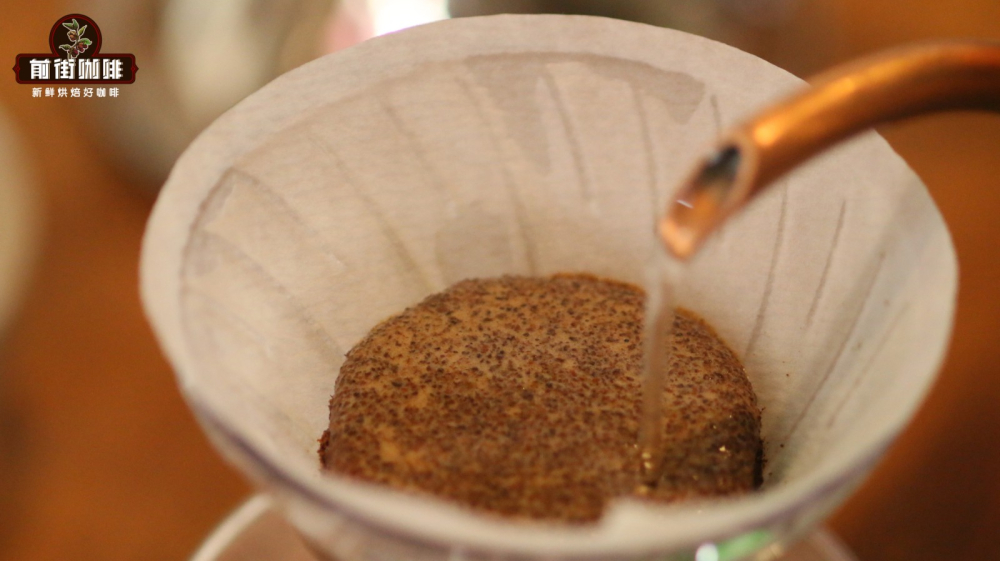
The choice of professional roast level is equally key. A light roast preserves Huakui coffee's original fruit acidity and aromatic compounds, avoiding the burnt bitterness of a dark roast that would mask the floral and fruity notes. As for brewing equipment, the V60's spiral ribs design extends extraction time, while the large center hole accelerates water flow, improving both the even saturation of the coffee grounds and the sense of layers. If using a French press, extending the bloom time to 4 minutes is recommended to compensate for the under-extraction of a coarse grind.
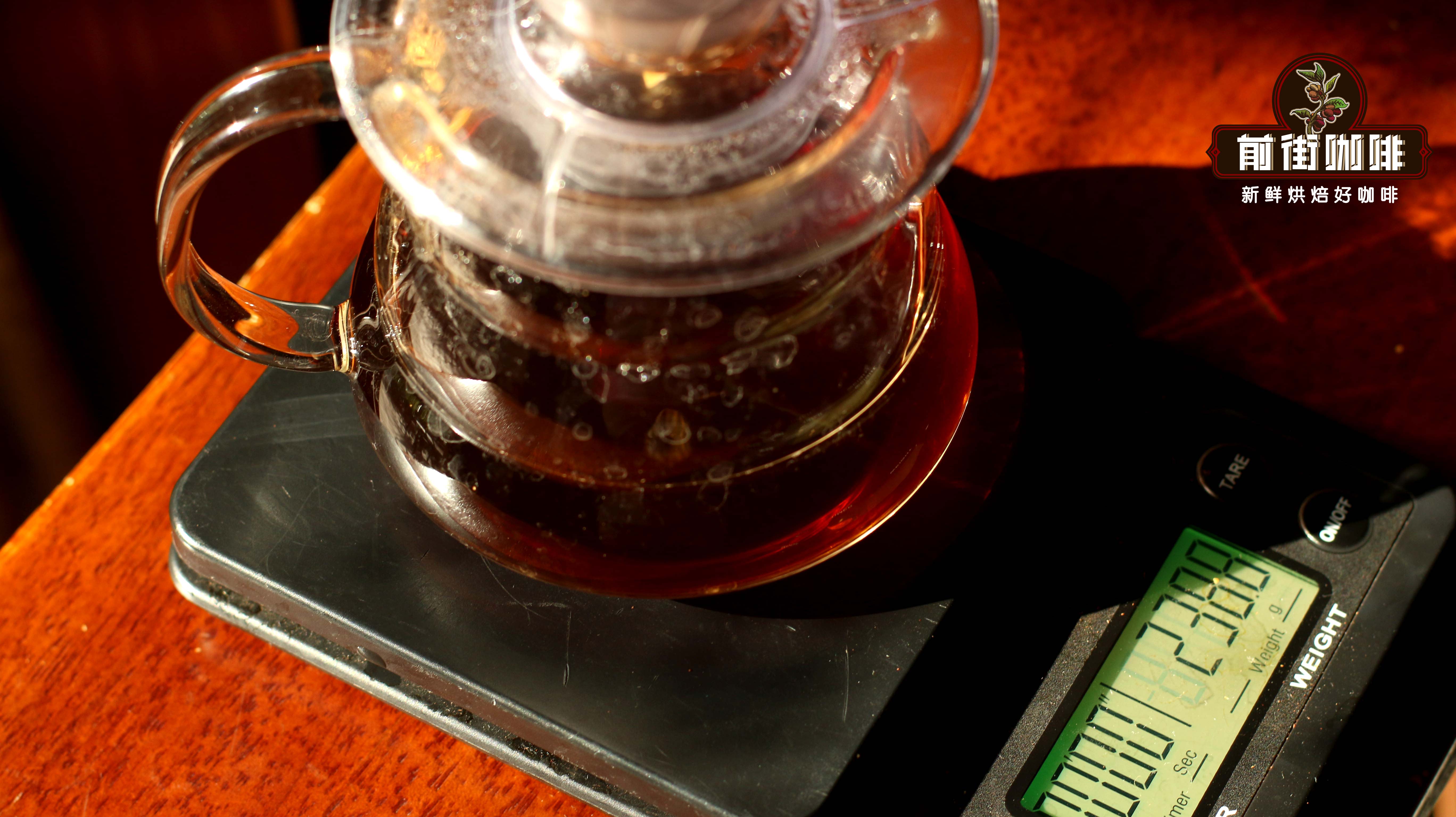
Storage and freshness management directly affect the drinking experience. Unopened coffee beans should be stored away from light in a cool place; once opened, it is recommended to transfer them to an airtight container with a one-way degassing valve. Grinding should be adjusted according to the brewing method: medium-fine grind (similar to granulated sugar texture) is recommended for pour-over, while espresso machines require finer particles. Flavor degradation typically accelerates from the 10th day after roasting, so when planning purchase quantities, balance freshness against consumption rate.