Honduras Lempira Washed Coffee: Flavor Profile and Brewing Guide
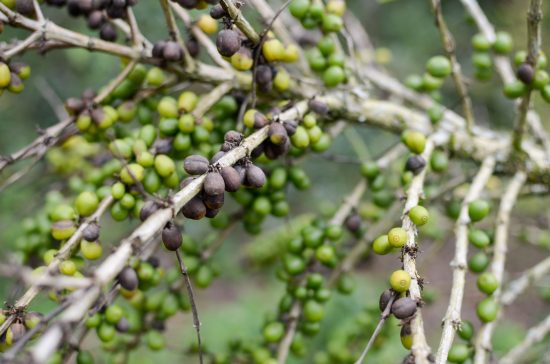
Introduction: Honduras Lempira is a widely planted, rust-resistant, high-yield variety in the country, but its resistance has declined in recent years. This article details the growing background and flavor characteristics of this washed coffee and offers professional-grade pour-over parameters to help coffee lovers better experience its layers of blackcurrant, green apple, and toffee.
Lempira is a variety that the Honduran Coffee Institute (IHCAFE) promoted heavily after the major coffee leaf rust outbreak in 2012, and it initially became the main planted variety due to its strong disease resistance. But the latest monitoring shows that this variety, once regarded as a "rust shield," is facing new challenges—on some farms in certain producing regions, rust infection rates have exceeded 10%, with risks rising significantly especially before the rainy season arrives.
According to IHCAFE survey data, as of April 2023 the national average incidence of coffee leaf rust was 6%, but in 18% of Lempira plantations the disease incidence exceeded the 10% warning line.Agricultural experts specifically warn that as rainy-season rainfall increases (usually in May–June), rust spread may accelerate further, and growers need to take preventive measures in advance.
This Lempira coffee from the Opalaca region of Santa Bárbara Department (1,600–1,750 meters above sea level) uses the traditional washed processing method and, after medium roasting, shows distinct flavor characteristics: on entry, a bright green apple acidity is first perceived; in the middle, blackcurrant fruitiness emerges; and the finish carries a warm toffee sweetness. In professional cupping scores, its acidity received a full 5 points, sweetness reached 4 points (out of 5), and body performed steadily (4/5).
For home-brewing enthusiasts, the following parameters are recommended to precisely present its flavor layers: medium-fine grind (70–75% passing through a Chinese standard No. 20 sieve), water temperature controlled at 90–92°C, and a coffee-to-water ratio of 1:15 to 1:16. A three-pour method is suggested—first pour 30 grams for a 30-second bloom, then pour in stages up to a total water volume of 225 milliliters, with total extraction time controlled at around 2 minutes 10 seconds.It is worth noting that this variety is sensitive to water quality; in hard-water areas, filtered water is recommended to avoid masking its delicate fruity acidity.
From a global growing perspective, the World Coffee Research center is monitoring changes in Lempira's disease resistance through multinational trials. This monitoring system, covering 24 coffee-producing regions, has found that no large-scale rust problems have been reported for this variety in growing areas outside Honduras, but researchers plan to formulate more comprehensive control strategies at the coffee science summit held in El Salvador in May. IHCAFE has currently collected rust spore samples and sent them to a laboratory in Portugal, with final test results expected to be announced in August.


