Ethiopian Light-Medium Roast Coffee Flavor Analysis and Yirgacheffe Pour-Over Guide
Introduction: As the birthplace of coffee, Ethiopia's coffee beans are renowned worldwide for their unique flavors. This article provides an in-depth analysis of the cultivation characteristics of Ethiopian heirloom coffee, the flavor differences among nine specialty regions, and focuses on the pour-over performance of light-medium roasted beans such as Yirgacheffe. From bean genetics to brewing parameters, this guide helps you fully grasp the essence of this 'coffee gene bank.'
As the native home of coffee, Ethiopia's coffee has always been a holy land in the hearts of professionals and enthusiasts alike. Whether you are a newcomer to coffee or a seasoned enthusiast, you will be attracted by its bright acidity, honey-like sweetness, and pure, refreshing taste. This article will take you on a journey to deeply understand the unique charm of Ethiopian coffee.
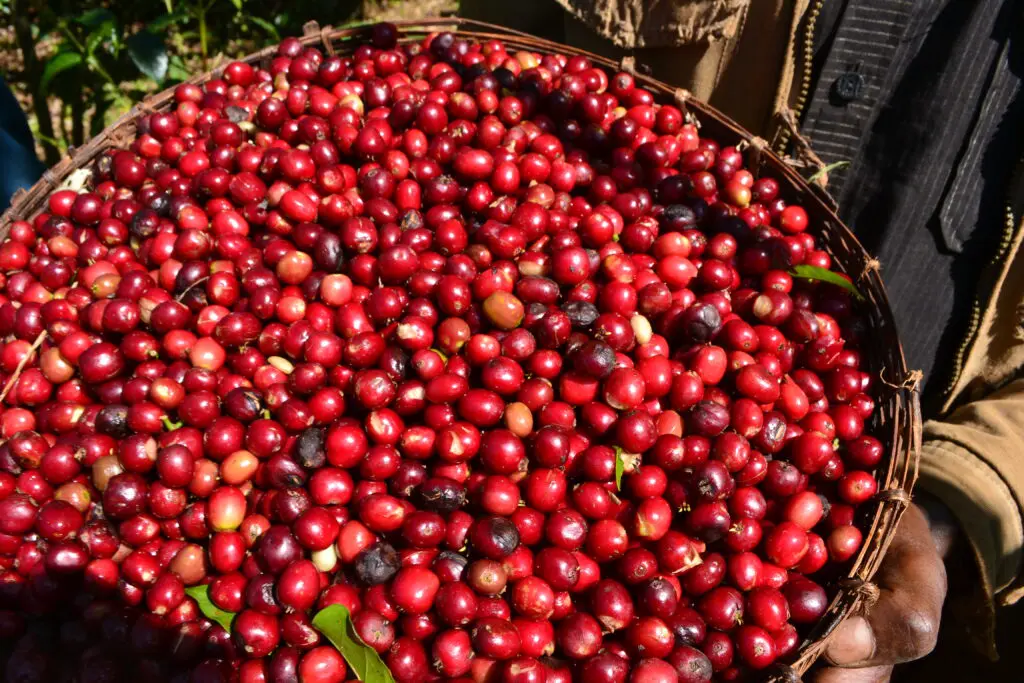
Why are Ethiopian coffee beans of different sizes? This is closely related to its rich coffee gene pool. The local varieties known as "Heirloom" actually encompass nearly 2,000 registered varieties, of which 1,927 are native and 128 are introduced. Because Ethiopian coffee has long grown in a wild or semi-wild state, different varieties naturally mix. Moreover, to protect genetic diversity, the government has not disclosed specific variety information. These mixed plantings are collectively referred to as heirloom varieties, which also creates the diversity and unpredictability of their flavors.
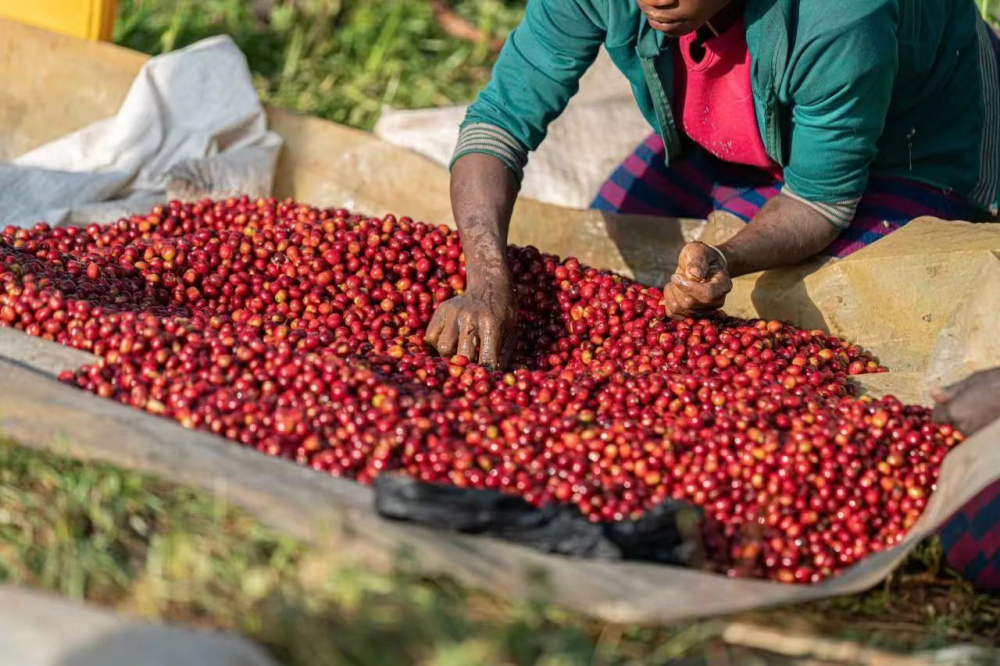
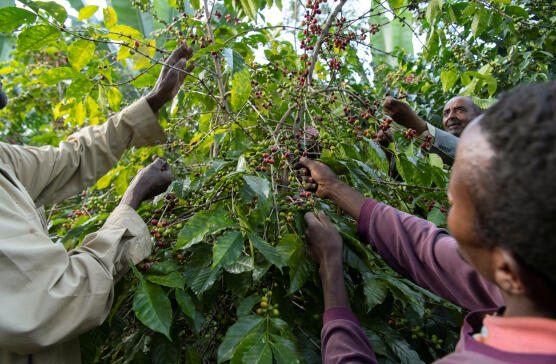
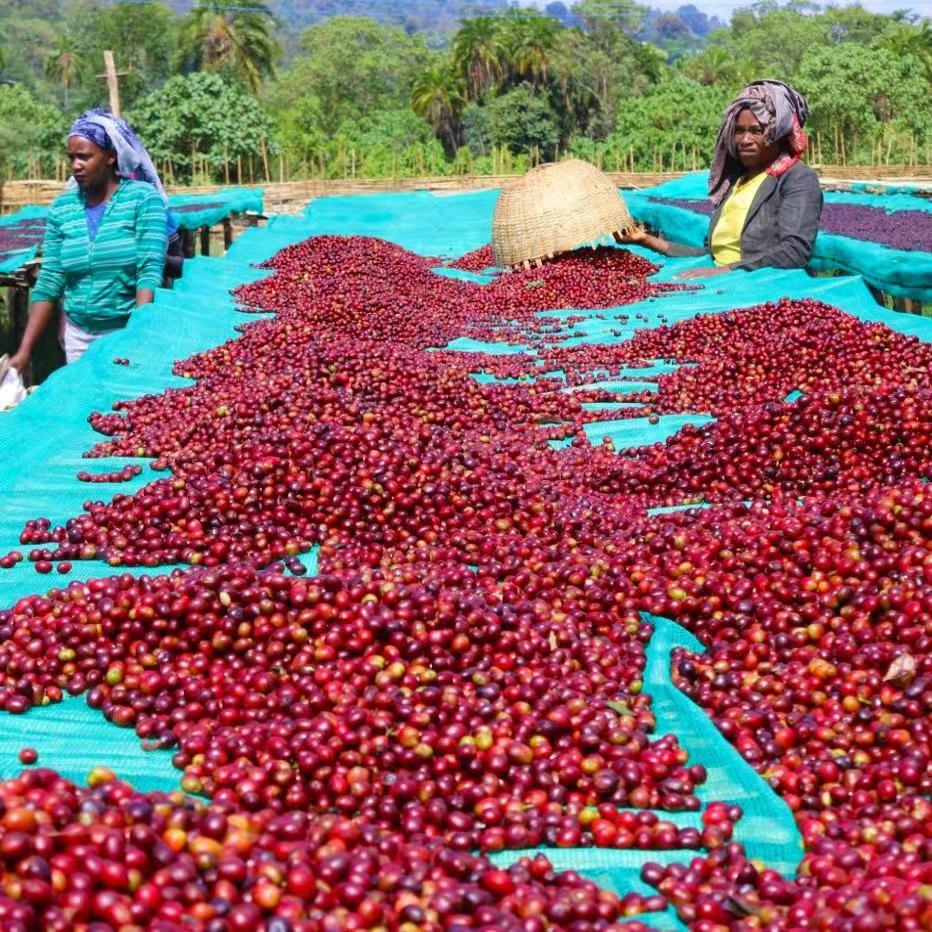
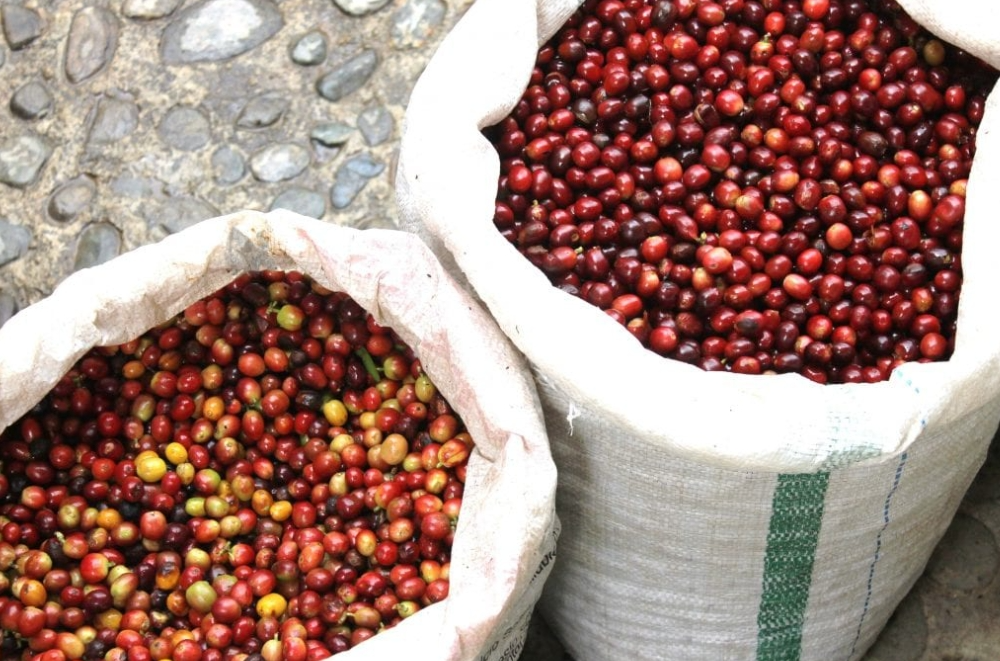
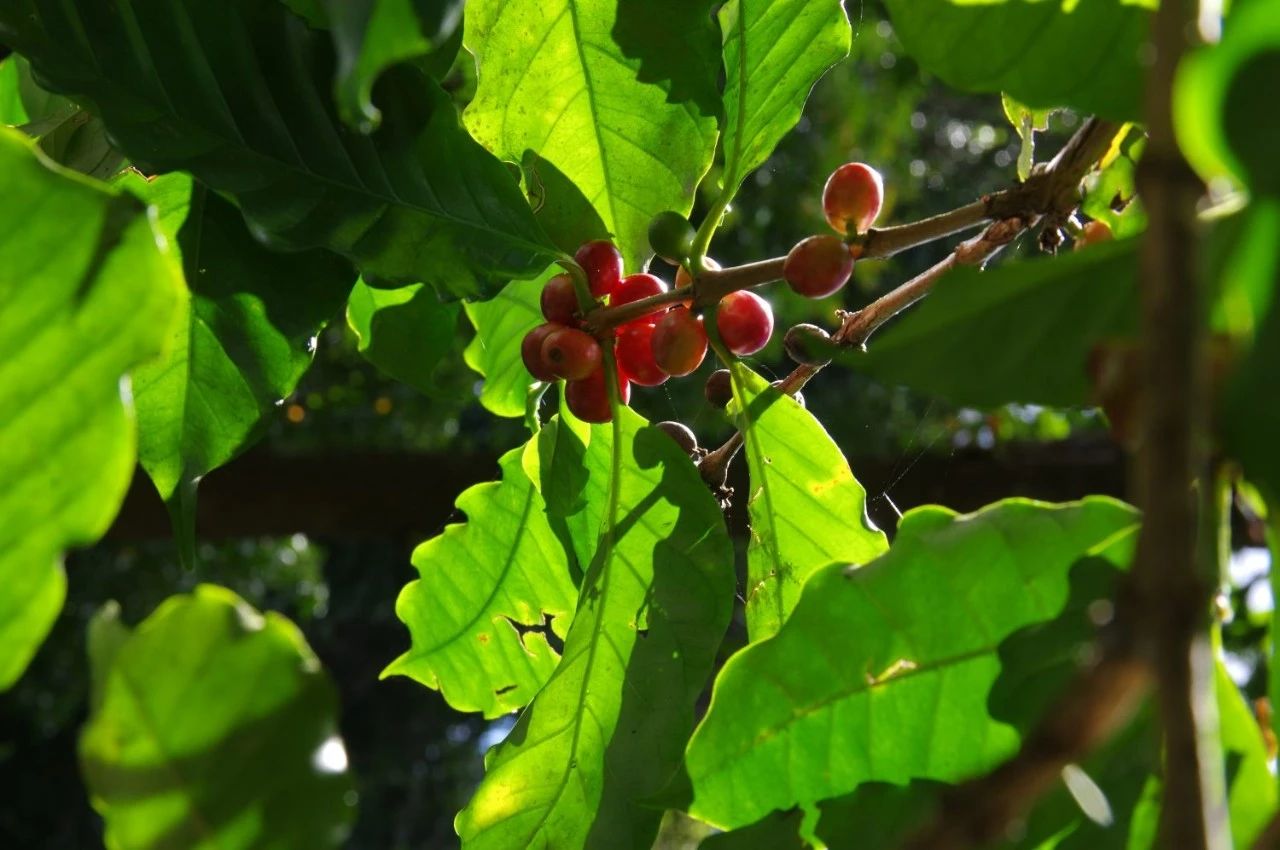
Ethiopian coffee cultivation and harvesting methods are unique. Coffee trees often grow together with shade trees in a shade-growing system, which reduces ecological impact and uses diverse organisms to suppress pests and diseases. Wild coffee trees especially prefer forest environments, growing alongside food crops such as bananas to form a natural shade system. This original cultivation method means that although coffee fruits from the same plot come from different varieties, they share a basic flavor consistency due to similar terroir conditions. It is worth noting that a key difference between Ethiopian coffee and other regions is that after modern selection and commercial grading, most regions have achieved uniformity in variety and size, while Ethiopia still retains this natural diversity.

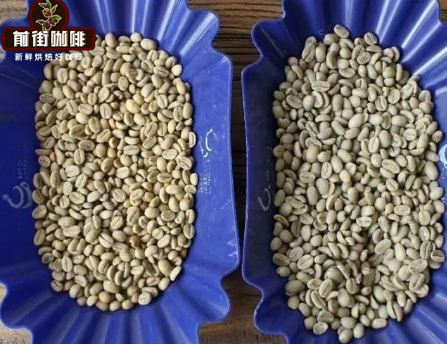
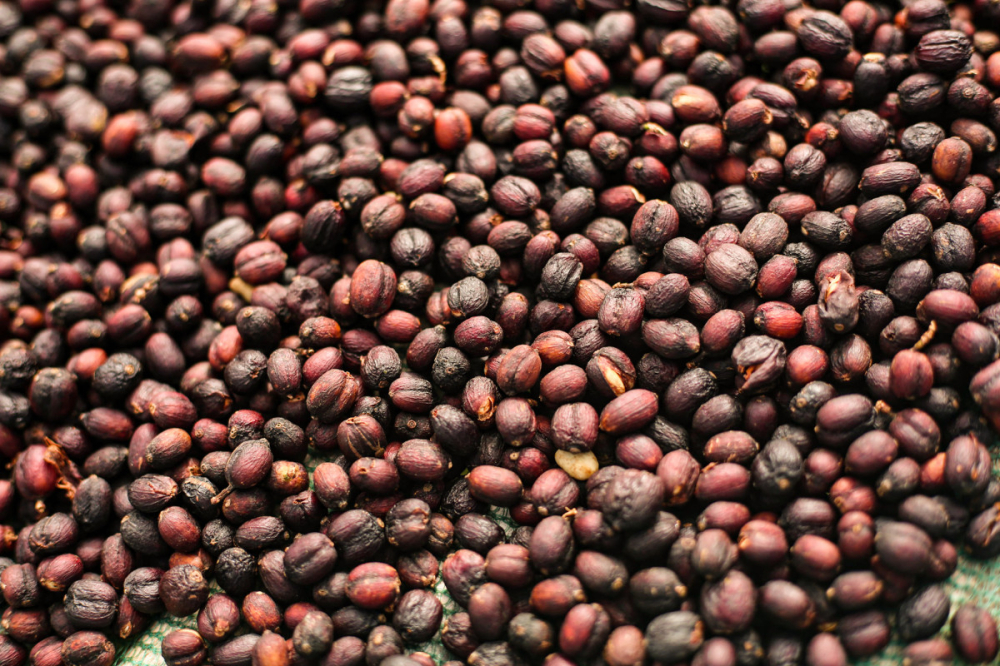
Ethiopian coffee beans come in various shapes. Long-shaped beans are more common in western regions such as Jimma, Limu, and Kaffa forests, while they are relatively rare in Sidamo or Yirgacheffe. Small-sized varieties are round in appearance, typically between 14 and 15 mesh in size. These beans contribute significantly to flavor—for example, the highly regarded "Huakui" bean's signature strawberry-cream aroma is closely related to small-sized varieties. In some batches between 2018 and 2019, the strawberry-cream aroma diminished due to the lack of such varieties.
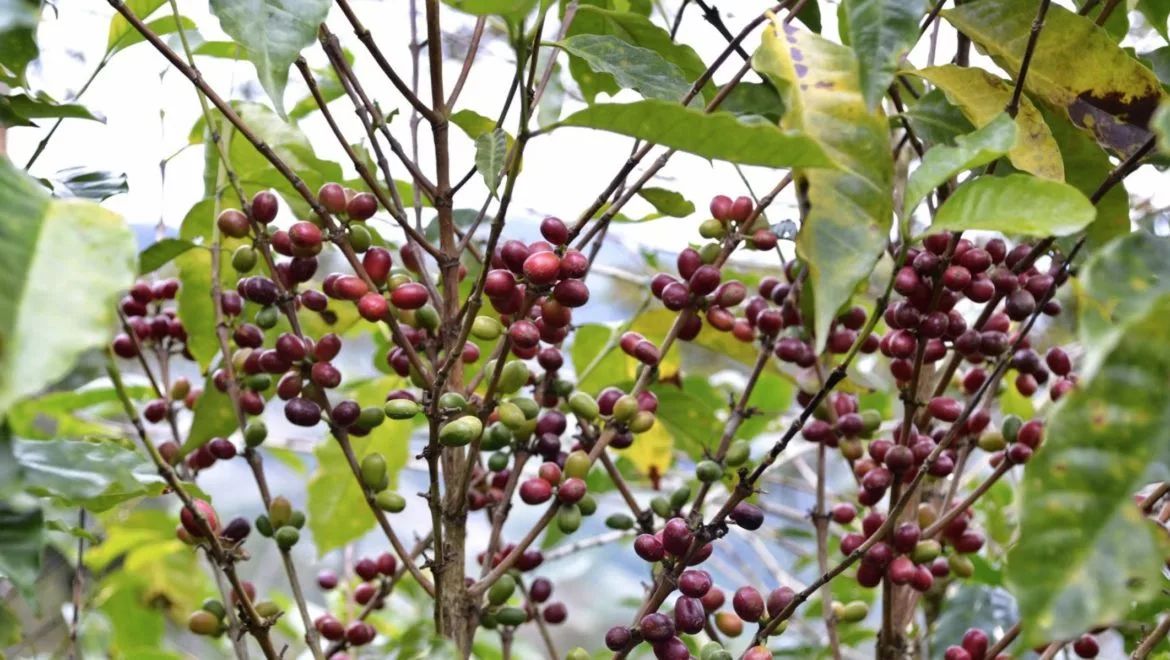
Although Ethiopian coffee beans vary in size, why are they still called single-origin coffee? In fact, the definition of single-origin coffee focuses on a single region rather than a single variety. As long as the coffee beans come from the same region—whether it is a natural blend like Ethiopia's mixed harvest or an artificial blend like Panama's Butterfly Geisha—they meet the standard for single-origin coffee.
Ethiopia has nine major specialty regions, each with unique regional flavors:
• Yirgacheffe (1,800-2,000 masl): One of the highest-altitude regions in the world. The misty valley is humid and cool year-round, producing a fresh tea-like flavor known for citrus-lemon acidity and jasmine aroma, as pure as refreshing lemon tea.
• Sidamo (1,400-2,200 masl): Aroma intensity is not inferior to Yirgacheffe, with rich acidity and balanced body, suitable for those who prefer intense flavors but not heavy mouthfeel.
• Limu (1,200-2,000 masl): Mainly exported to European and American markets, with washed, natural, and semi-washed processing methods coexisting. Known for grassy and brown sugar aromas, with bright fruit acidity but weaker floral and citrus notes.
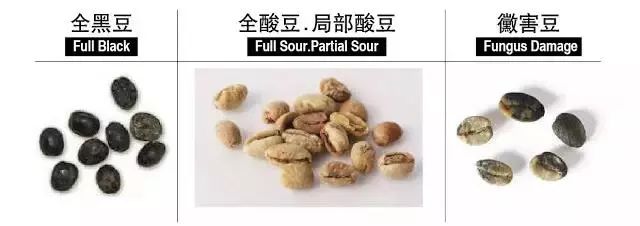
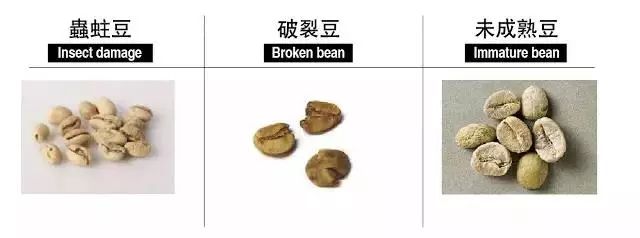
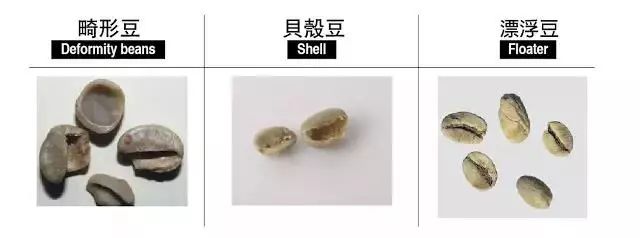
• Harar (1,500-2,400 masl): Focuses on natural processing. Low rainfall creates a unique "wild" flavor; when defective beans are sorted cleanly, it yields berry and pleasant fermented aromas.
• Jimma (1,350-1,850 masl): Ethiopia's largest coffee region, accounting for 1/3 of national production. Commercial-grade beans often mix multiple varieties, but washed specialty Jimma has a clean, transparent flavor comparable to Central American specialty beans.
• Illubabor (1,350-1,850 masl): Beans are larger than Yirgacheffe and Sidamo, with lower fruit acidity but good viscosity and balanced flavor.
• Gimbi, Lekempti (1,500-1,800 masl): Both natural and washed beans exist, with bean shapes similar to Harar long beans. Some specialty-grade beans are favored by European and American markets.
• Tepi, Bebeka (500-1,900 masl): Low wild coffee production, with less pronounced fruit acidity, suitable for blend components.
• Lake Tana (1,840 masl): A monastery-adjacent region with annual production of less than 10 tons, where naturally scattered forest coffee trees impart a unique "divine" flavor.

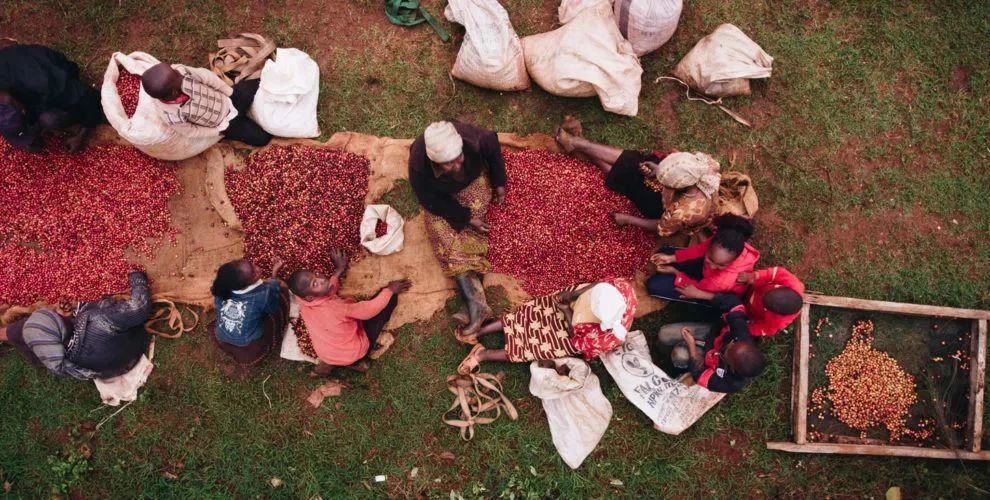
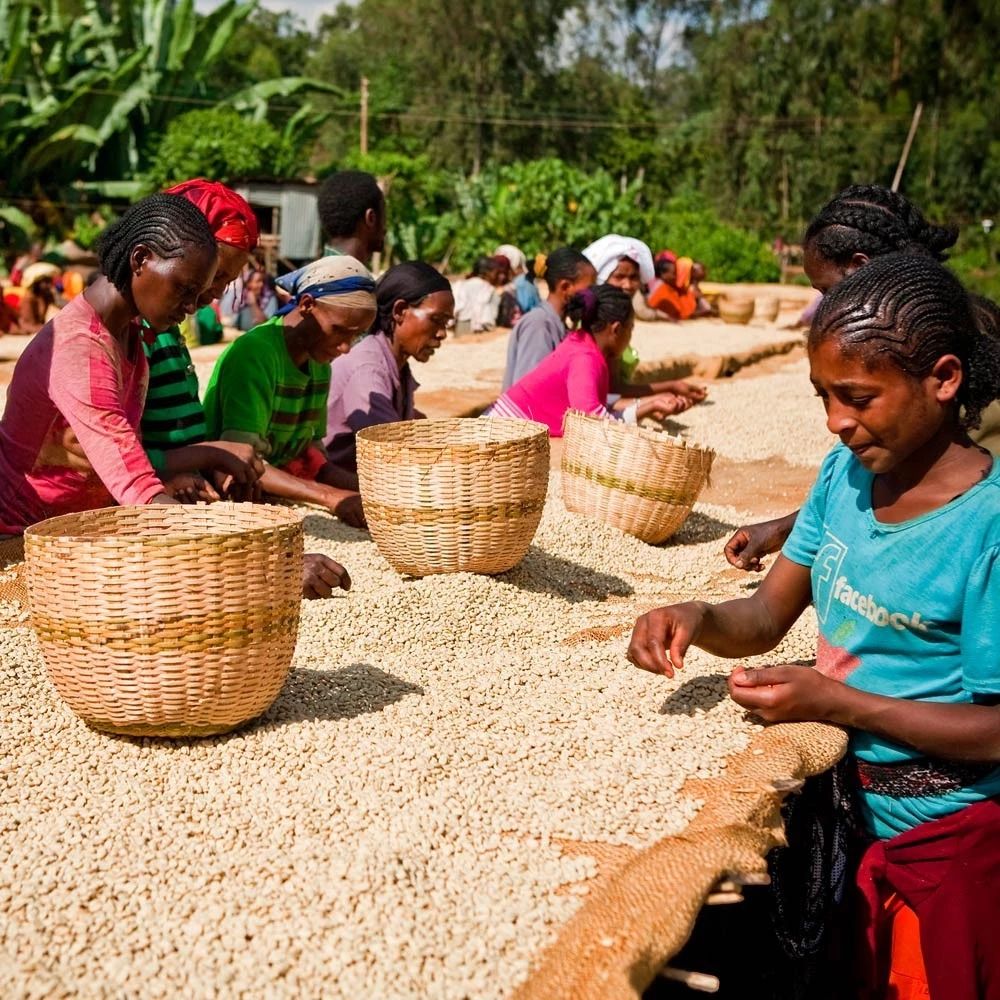
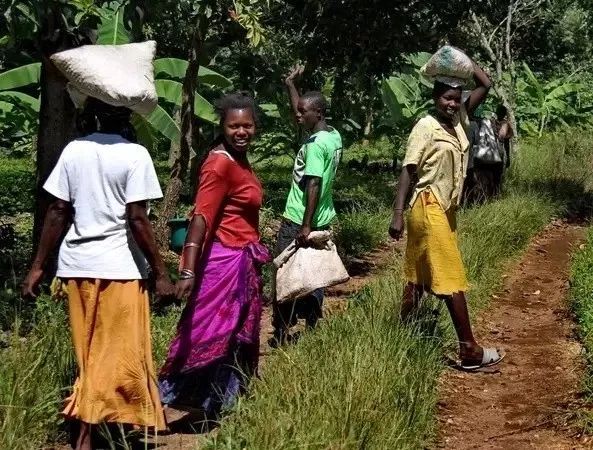
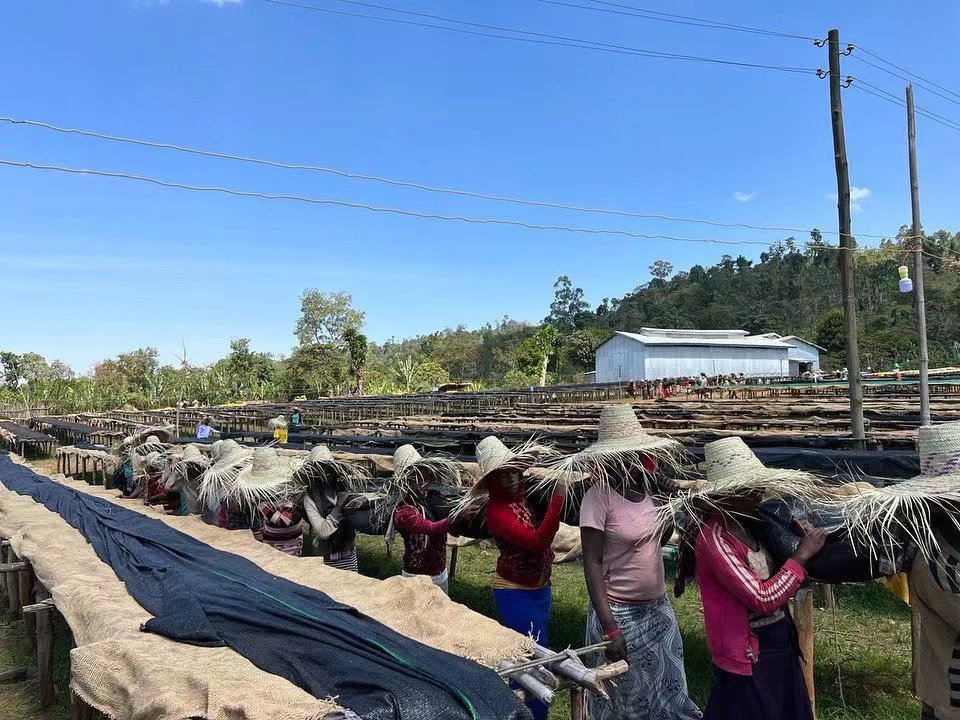
Ethiopian coffee cultivation is mainly in the west and south, with 90% done by smallholder families, each cultivating less than 4 hectares, at average elevations of 1,000-2,300 masl, with a planting density of 1,000-1,800 trees per hectare and a yield of about 600 kg per hectare. Sidamo and Yirgacheffe mostly use the garden coffee model: farmers plant coffee trees near their living areas and deliver the harvest to nearby processing plants or handle it collectively through intermediaries. Except for a few large estates that independently complete planting, harvesting, and processing, most regions' coffee beans are centrally processed and then sent to auction houses for grading.

The Yirgacheffe region is famous for its washed method, which significantly reduced the proportion of defective beans after its introduction in the late 20th century. Local merchants have improved the natural processing method and launched many high-quality natural beans. This region broadly covers several sub-areas, such as the Misty Valley (formerly Idido, now known for processing plants like Aricha) and areas north and south of Yirgacheffe town, each showing subtle flavor variations due to microclimate differences.

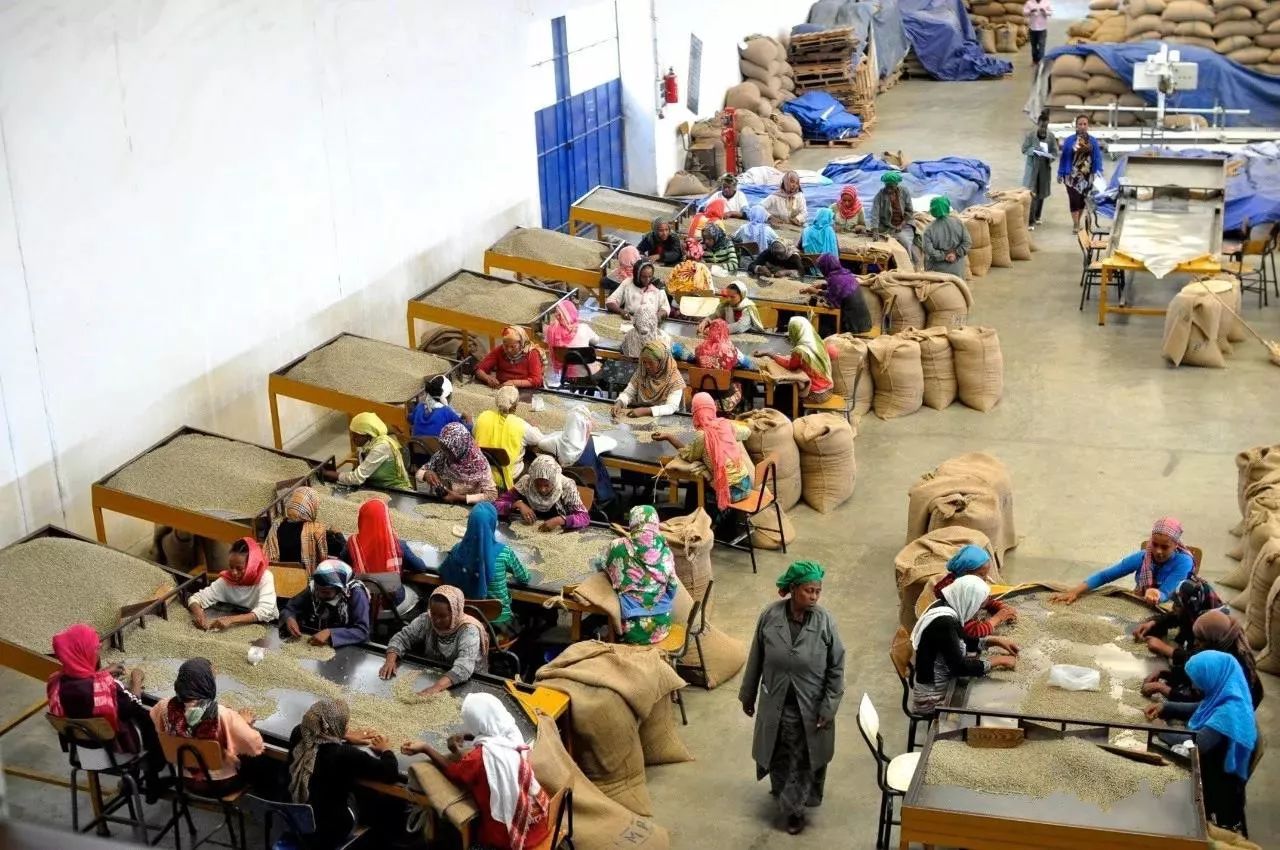
Ethiopian coffee exports go through three systems: ECX bidding (the largest), the cooperative system, and the single-farm system. Cooperatives and single estates can export directly, offering higher traceability. The ECX (Ethiopia Commodity Exchange), as the core trading platform, provides smallholders with stable market access through pricing mechanisms, warehousing and logistics, and information transparency, and grades and prices according to green bean quality, ensuring that green bean packaging purchased by traders only indicates region and village information.
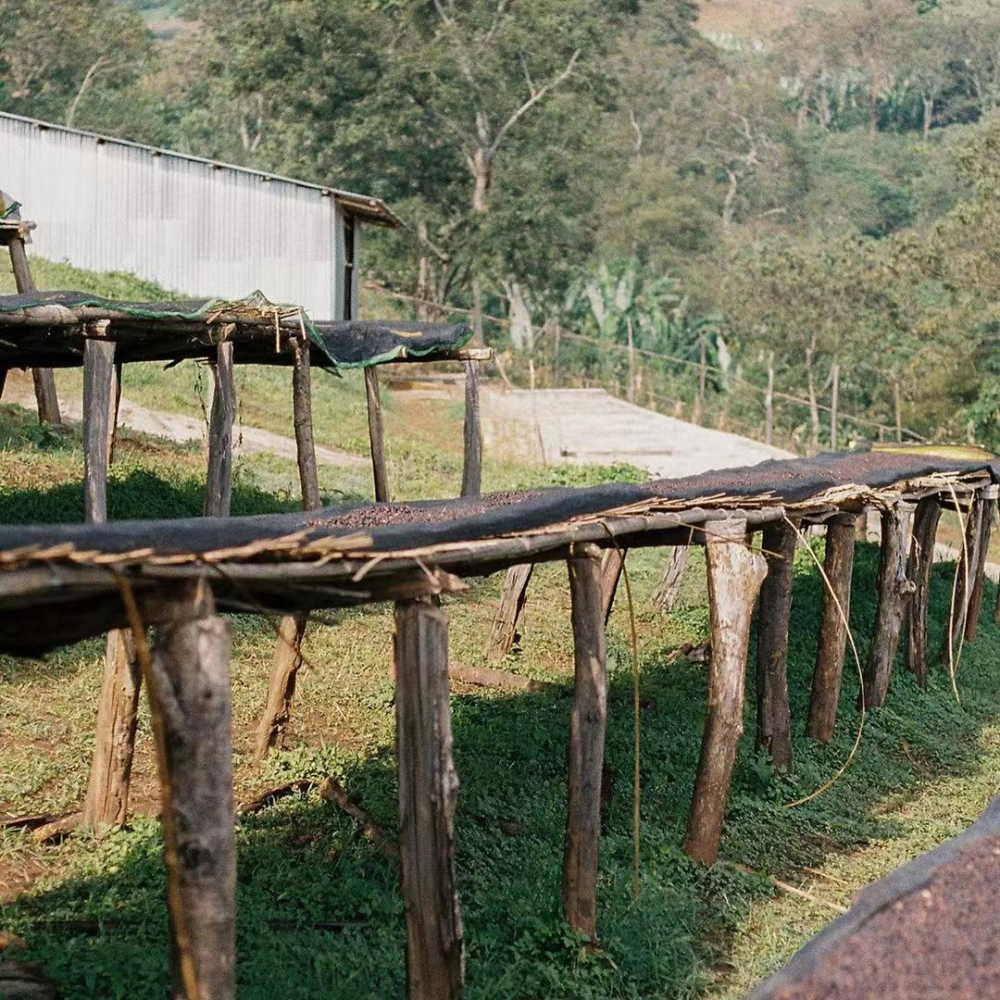
Ethiopia's coffee cooperative unions consist of six regional unions, which integrate scattered smallholder resources, participate in international projects, and uniformly connect with buyers, providing stable income distribution for members. Each cooperative union covers regions with different altitudes and soil types, and enhances product added value through fair trade, organic certification, and other qualifications, helping smallholders achieve sustainable cultivation.