Brazilian Coffee Beans: A Complete Guide from Varieties and Grading to Flavor Recommendations
Introduction: Brazil is the world's largest coffee-producing country. Its coffee beans are known for being mellow and balanced with prominent nutty aromas, a common choice for blends, and a reliable option for pour-over enthusiasts. This article explains Brazil's main coffee varieties, grading standards, and flavor characteristics, recommends several cost-effective beans suitable for pour-over and espresso extraction, and provides key parameters and brewing suggestions to help you better understand Brazilian coffee.
As the country with the world's highest coffee production, Brazil has a suitable climate and vast growing regions that nurture a diversity of coffee varieties. The coffee beans here generally have mild acidity, an excellent balance of bittersweetness and body, and rich nutty aromas after roasting. The flavor is mellow with a faint, elusive acidity; whether enjoyed as a single origin or used in blends, they display a unique charm.

When selecting Brazilian coffee beans, it is advisable to prioritize suppliers with professional roasting capabilities—they can often precisely control green bean quality and roasting curves, ensuring bean freshness and flavor stability. Such sources typically offer beans roasted within 5 days, with efficient processes from order to shipment, suitable for beginners, advanced enthusiasts, and even café operators.
Brazilian coffee beans are highly "compatible." Their flavor is mild—neither as intensely citrusy as Ethiopia's Yirgacheffe nor as heavy and rich as Indonesia's Mandheling—but renowned for their balanced character. For this reason, many cafés like to use them as a base for blends, combining them with beans from other regions to create layered, complex flavor profiles.
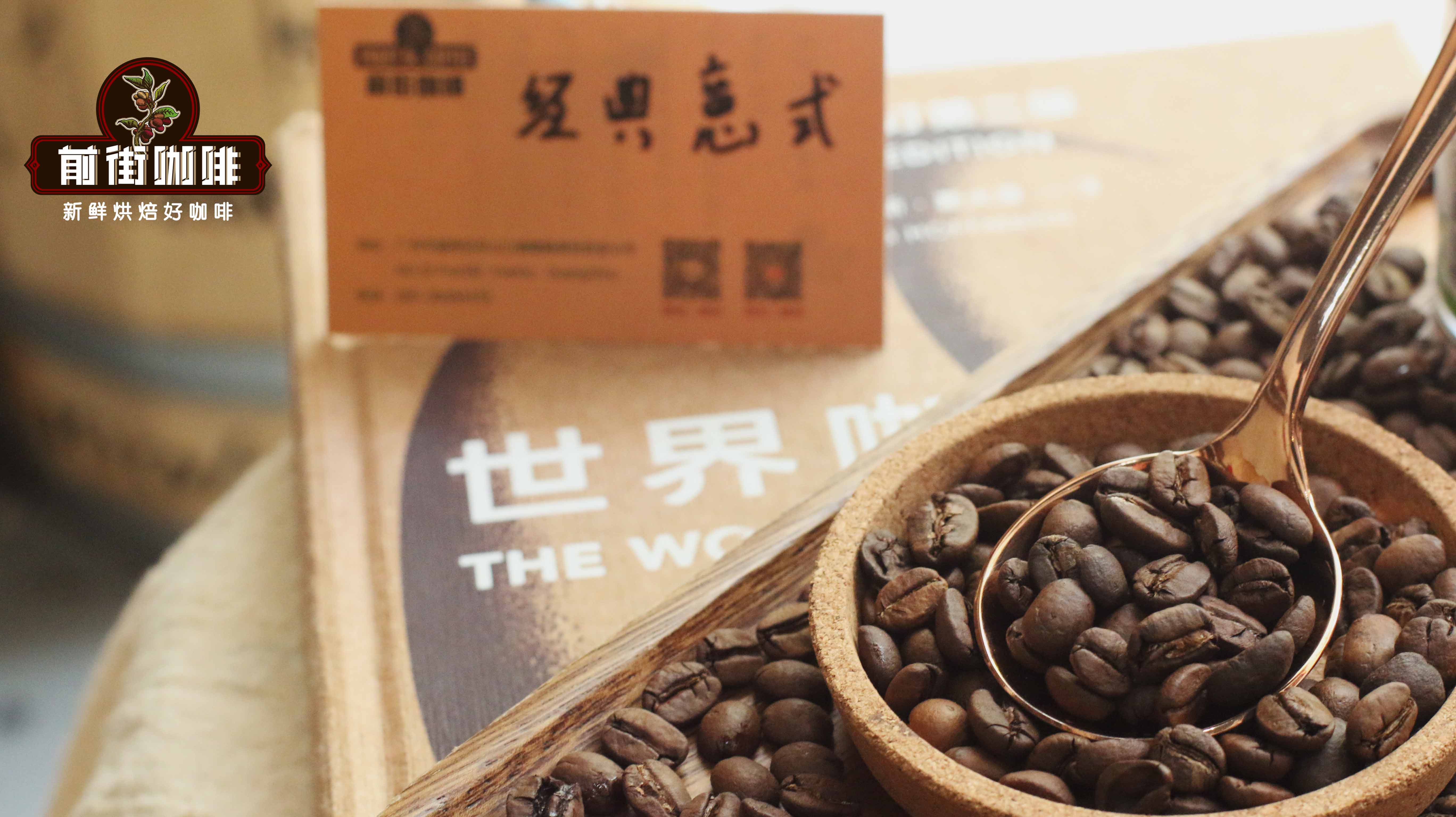
For espresso extraction, common highly compatible combinations include: washed Colombian beans blended with Brazilian semi-washed (pulped natural) beans, which present classic flavors of nuts, dark chocolate, and caramel, suitable for those who prefer a full-bodied taste; for value, Robusta washed beans combined with washed Colombian beans and Brazilian semi-washed beans can also capture nut, cocoa, and caramel aromas; another recipe featuring Yunnan small-batch washed beans and Brazilian semi-washed beans highlights soft fruit acidity, caramel, and nutty flavors, a reliable choice for everyday coffee; and the classic combination of Brazilian beans with Indonesian Mandheling and Vietnamese beans produces rich crema and prominent caramel aromas, developing complex notes of dark chocolate, roasted hazelnut, and walnut when paired with milk.



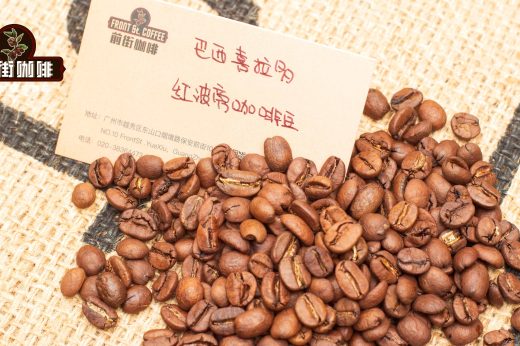
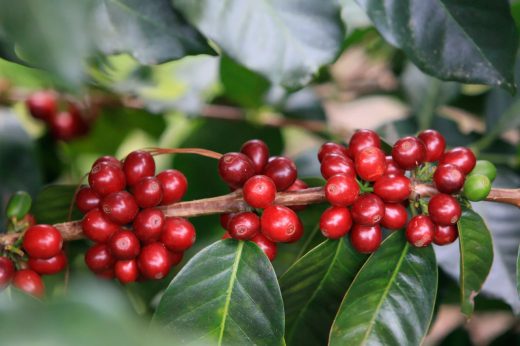
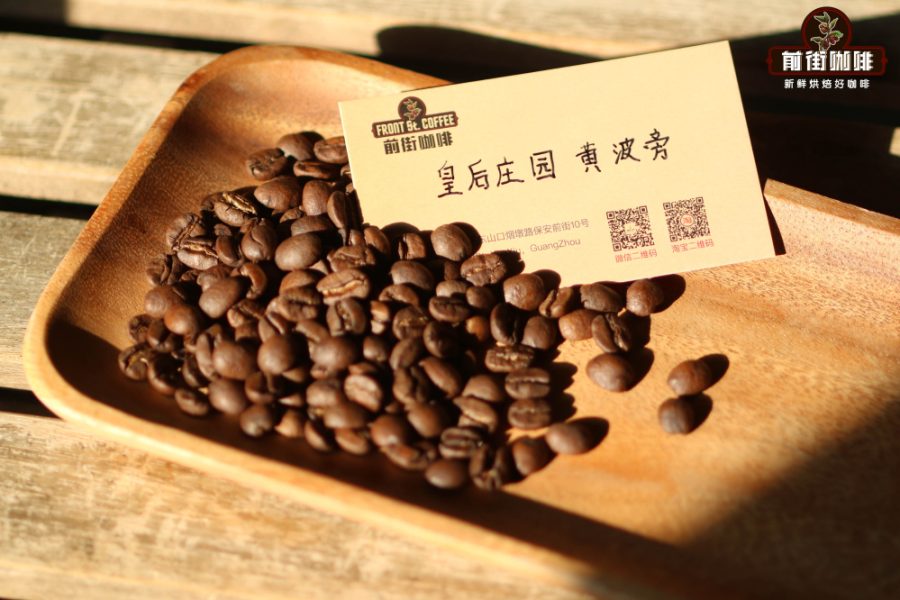
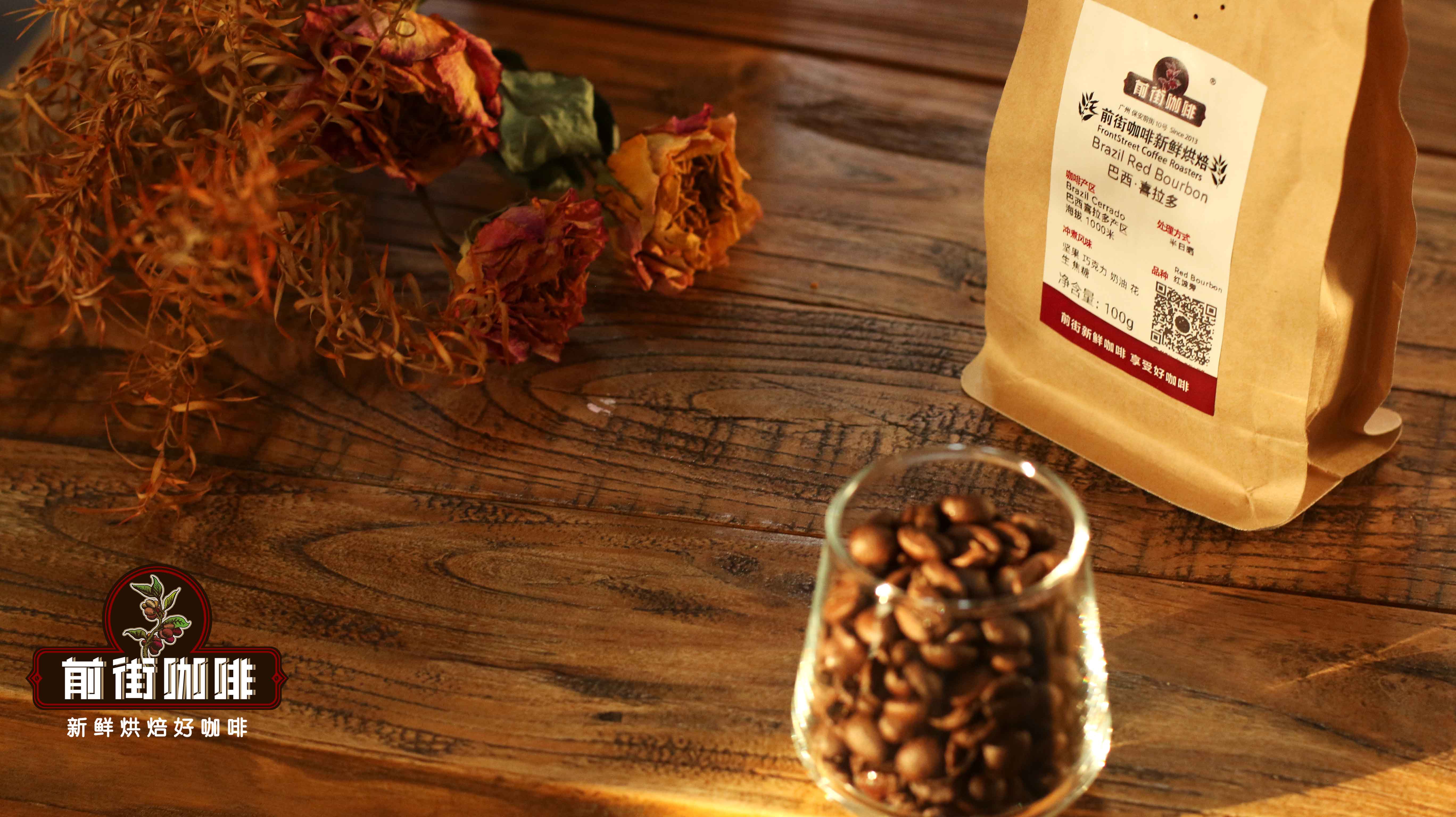
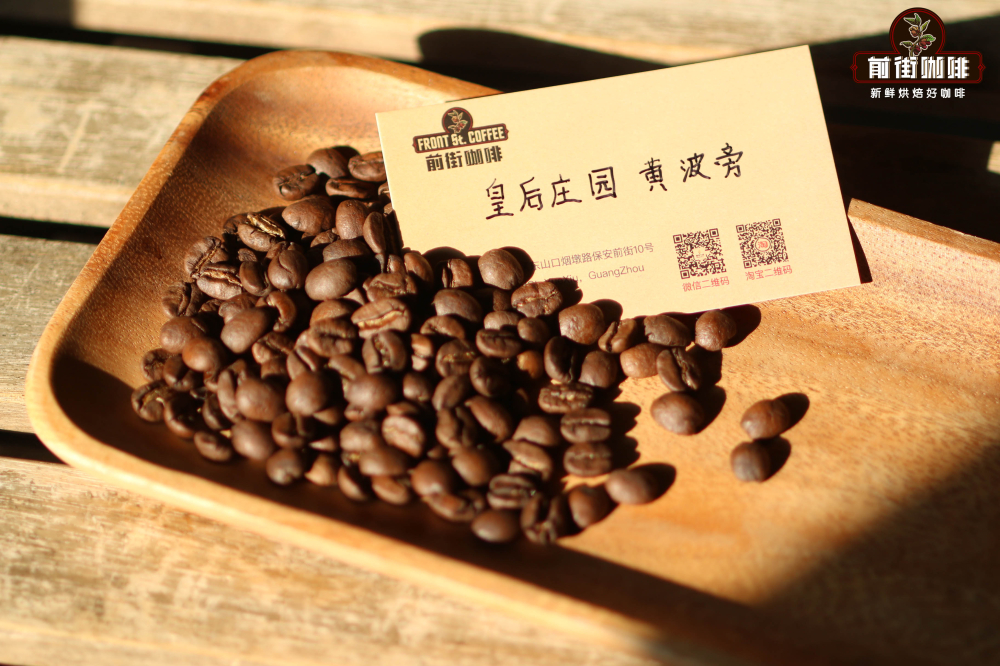
If you prefer single-origin coffee experiences, focus on quality beans from Brazil's Cerrado and Mogiana regions. The former comes from the Cerrado region, grown at about 1,000 meters elevation, using the Red Bourbon variety with semi-washed (pulped natural) processing; its flavor keywords include nuts, chocolate, cream, peanut, and caramel, suitable for pour-over enthusiasts who prefer sweetness and a full body. The latter comes from a high-altitude area of the Mogiana region (1,400–1,950 meters), from a well-known local estate, using the Yellow Bourbon variety and semi-washed processing, with the estate owned by an experienced growing family. This bean's flavor is brighter, with fresh notes of chocolate, nuts, caramel, sugarcane, and tropical fruit.
When purchasing, note: Brazilian coffee beans are usually roasted to a medium-dark level (such as semi-washed beans), which effectively highlights their nutty and caramel potential; for pour-over, a water temperature of 90–93°C is recommended, with a grind slightly coarser than fine sugar and an even pouring speed to ensure full extraction. Whether exploring single origins or creating blends, Brazilian coffee beans can add a solid base flavor to your coffee experience.