5 Nut-Cream Blend Coffee Beans: A Guide to Stable Espresso Flavor

Introduction: For a creamy, full-bodied espresso, choosing the right coffee beans is key. The aroma combination of nuts and cocoa is a classic direction for espresso blends—it is not only appealing but also ensures stable extraction. This article selects five blended coffee beans featuring nut-cream flavors, covering options from beginner to advanced, to help you find a stable flavor solution suited for daily home use or café use.
As an agricultural product, coffee is affected by origin, climate and processing methods; single-origin beans from a single year or batch may differ noticeably in flavor. This is especially true for espresso, which pursues high-temperature, high-pressure extraction, where flavor stability is even more important. Therefore, blending beans from different origins to balance the taste and enhance consistency has become a common industry practice.

Among the many espresso blend flavor profiles, the combination of nuts and cocoa is the most popular—it is not overly pungent and brings full sweetness and a rich texture. These beans usually use low-acidity Brazilian beans as a base, paired with other origins to adjust the layers, ultimately presenting a warm tone similar to dark chocolate and roasted nuts, very suitable for making lattes, cappuccinos and other milk coffees.

The foundational role of Brazilian beans: Brazil, as the world's largest coffee producer, generally has beans with low acidity and high body, with flavors leaning toward cocoa, nuts and caramel. These characteristics make them a "stabilizer" in blends—they can lower costs and add a solid base aroma to the whole. Many best-selling espresso blends use them as a core component.
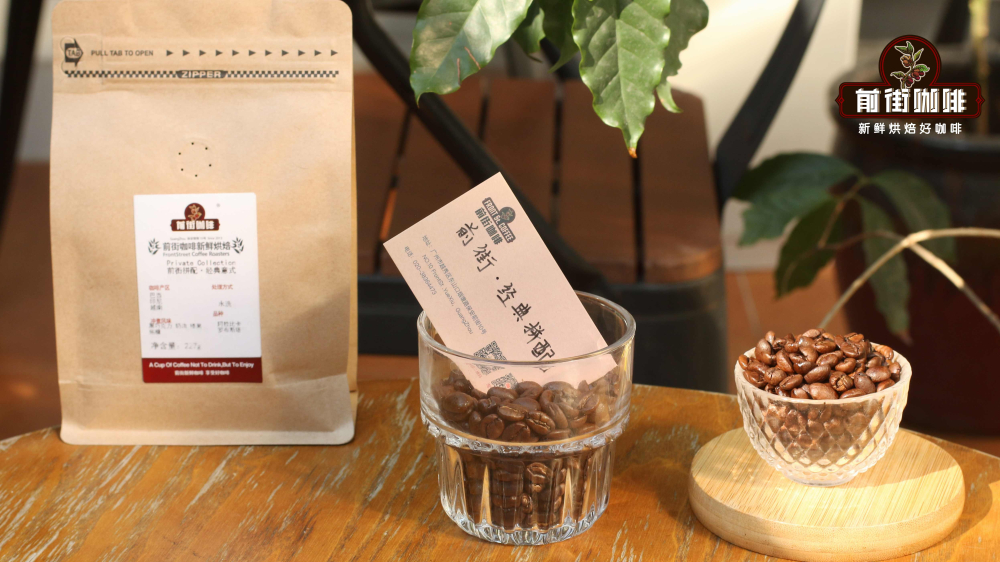
The first recommendation is a classic nut-cocoa blend: based on a traditional Mandheling and Brazilian mix, with a small amount of robusta added to significantly increase crema thickness and body. This adjustment makes it more suitable for home espresso machines, especially for latte art—coffee liquid with rich crema adheres better to milk foam, forming clear patterns. Its flavor shows mild cocoa aroma and roasted-nut notes, with a balanced bitter-sweet profile.

The second is a high-value everyday option: featuring a mellow taste and rich dark cocoa flavor, accompanied by a warm aroma like toasted bread. It is smooth and easy to drink as an Americano, and turns silky and creamy when milk is added, with a lasting finish. Its feature is an affordable price, making it suitable as a long-term household staple, especially friendly to users with limited budgets who seek stable flavor.
The third is a balanced advanced blend: combining the nutty base of Brazilian beans with the chocolate notes of Colombian beans, the two complement each other for richer layers. After extraction it often presents a creamy-cookie-like sweet aroma, mixing the slight bitterness of cocoa with the richness of roasted nuts. It is especially friendly to those who dislike acidity; whether extracted directly as an Americano or paired with milk, it highlights a full, warm taste.

The fourth is a beginner-friendly recommendation: balancing value and flavor performance, with a soft fruity acidity transition (such as a faint citrus note), followed by caramel sweetness and a complex aroma of nuts and dark chocolate. The overall texture is thick and smooth, with a mild, non-sharp bitterness. Whether for commercial café use or daily home use, it meets the basic need for "stable and not unpleasant," and is especially suitable for newcomers to espresso.
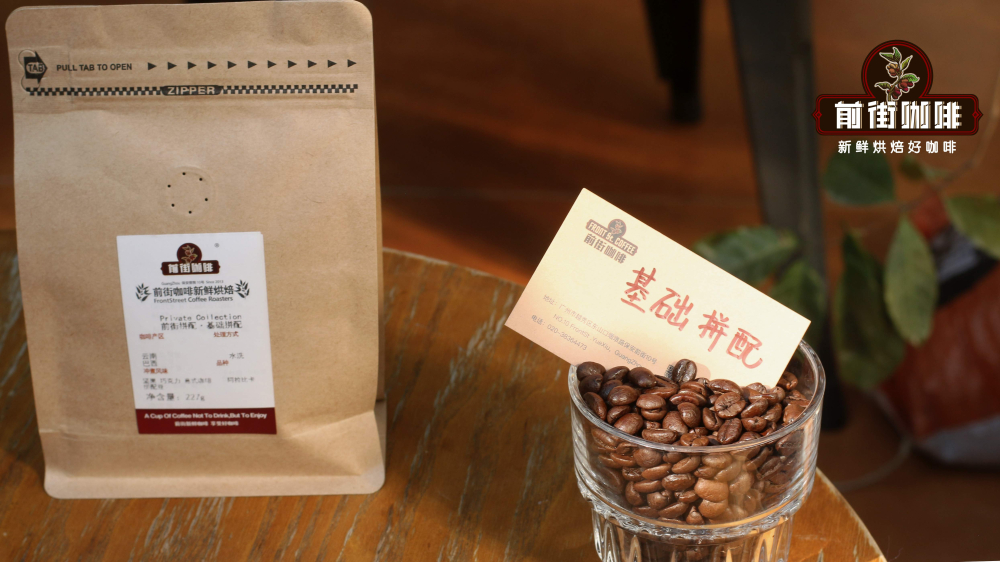
In summary, nut-cream-flavored blends usually use Brazil as the core, adjusting the proportions of other origins to control the balance of sourness, sweetness and bitterness. When purchasing, it is recommended to first consider your usage scenario (such as whether you need latte art, budget range), and pay attention to the roast date—freshly roasted beans (recommended within 1-2 weeks) better show flavor details. If used for milk coffee, you may appropriately extend the resting time to 5-7 days to let the flavors integrate more.


