Why Brazil is the world's largest coffee producer: Bourbon beans explained
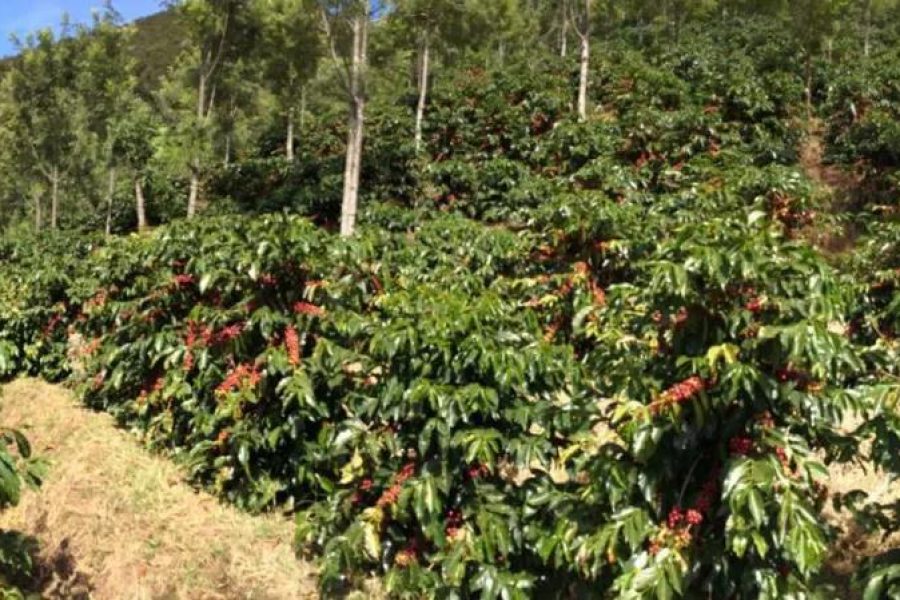
Introduction: Brazil is not only the world's largest coffee producer; its coffee beans also have a quality and flavor all their own. This article takes a close look at how Brazil has held the top spot in global coffee supply, focuses on the flavor characteristics and growing background of Brazil's signature Bourbon coffee beans, and compares the industry features of major producing regions such as Vietnam and Colombia, to help you understand the global coffee landscape in full.
The coffee tree is an evergreen shrub native to tropical regions, and the beans it produces have become a beverage ingredient popular around the world. More than 70 countries currently grow coffee, but five of them—Brazil, Vietnam, Colombia, Indonesia and Honduras—account for the vast majority of output, with Brazil leading by a clear margin.
Brazil's coffee industry has had a profound impact on its economic development. Early in the 18th century, French settlers introduced coffee trees to Brazil, and the subsequent surge in European demand for coffee propelled Brazil to become the world's largest coffee producer in 1840, a position it has held ever since. According to authoritative agricultural data, Brazil's total coffee bean output in the 2017/2018 crop year reached 3.05 million metric tons, more than one-third of global production. These beans come from about 300,000 plantations spread over more than 10,000 square miles across the country.
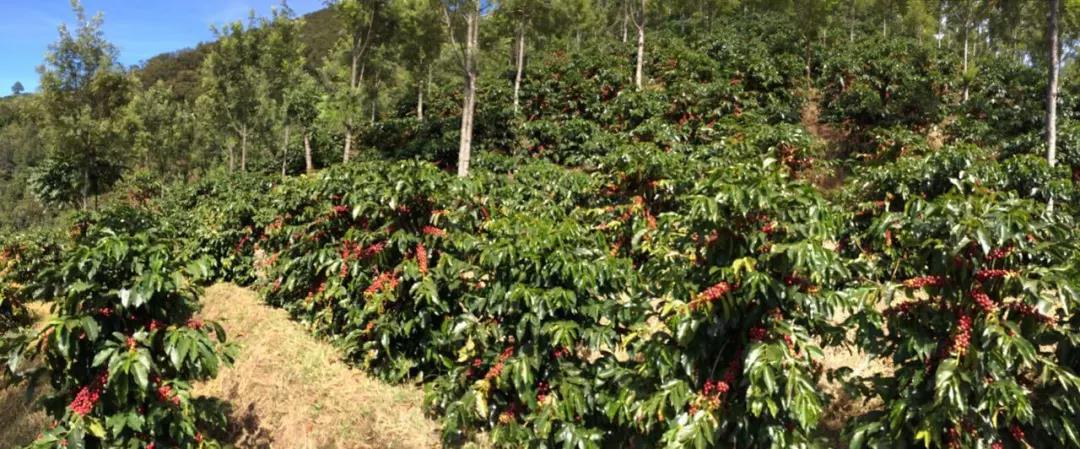
Vietnam, a relative newcomer, rose quickly by focusing on growing Robusta coffee beans. In the 1980s the Vietnamese government made the coffee industry a key pillar of national economic development, and by the 1990s annual coffee output was growing steadily at 20–30%, completely transforming the country's economic structure. Vietnam's total coffee output in the 2017/2018 crop year was 1.76 million metric tons. Its mainstay Robusta beans, with roughly twice the caffeine content of Arabica and a more intense taste, hold an important place in markets seeking value for money; more than 40% of the world's supply of this category comes from Vietnam.
Colombia is known worldwide for its high-quality Arabica coffee. Through the promotion of "Juan Valdez," a classic fictional coffee farmer figure, Colombia successfully built an international image as a source of high-quality coffee. Its coffee output in the 2017/2018 crop year was 864,000 metric tons. Although coffee leaf rust once caused output to plummet by 40%, production has recovered through variety improvement. The Arabica beans produced here are favored by consumers worldwide for their mild, balanced flavor.
Indonesia is an important global source of Robusta, with total output of 636,000 metric tons in the 2017/2018 crop year. Its coffee industry is made up of 1.5 million small family farms, with large plantations rarely seen. Of particular note, Indonesia also produces the highly distinctive Kopi Luwak; these beans, excreted after digestion by the Asian palm civet, are expensive but have a unique flavor, and collecting them is an extremely complicated process.
Honduras has performed notably in the specialty coffee sector in recent years, with output of 450,000 metric tons in the 2017/2018 crop year, ranking it the third-largest producer in Latin America. Its specialty coffee, generally grown at elevations above 3,000 feet, helped drive a 145% year-on-year increase in exports of this category, making it an important supplier to the global specialty coffee market.
Overall, Brazil's ability to remain the world's largest coffee producer over the long term stems both from its exceptional natural conditions and from more than a century of industry accumulation. The country's most representative Bourbon coffee beans typically have nutty and chocolate notes with moderate acidity and medium-to-full body, making them a fine choice for espresso or home pour-over. Understanding the industry features and flavor differences of these core producing regions will help coffee lovers make more precise choices according to their personal taste preferences.


