Brazil Cerrado Coffee Guide: Pulped Natural Process and Pour-Over Parameters
Introduction: As the world's largest coffee producer, Brazil's Cerrado region is known for its Red Bourbon coffee and its distinctive pulped natural process. This article provides an in-depth analysis of the region's geography, processing techniques and flavor characteristics, offers professional-grade pour-over parameters and extraction plans, and compares the flavor impact of different processing methods, helping you precisely grasp the mellow balance of this classic Brazilian bean.
Brazil has held the top spot in world coffee production for over a century, and its coffee culture blends geographical advantages with craft heritage. Among its many producing regions, the Cerrado highlands of Minas Gerais, with their unique ecological conditions, nurture specialty coffees that combine nutty and chocolate notes with a full body. The region's flat plateaus at 750-1200 meters, together with a savanna climate of distinct wet and dry seasons, give coffee cherries a stable ripening cycle and produce consistently high-quality output.
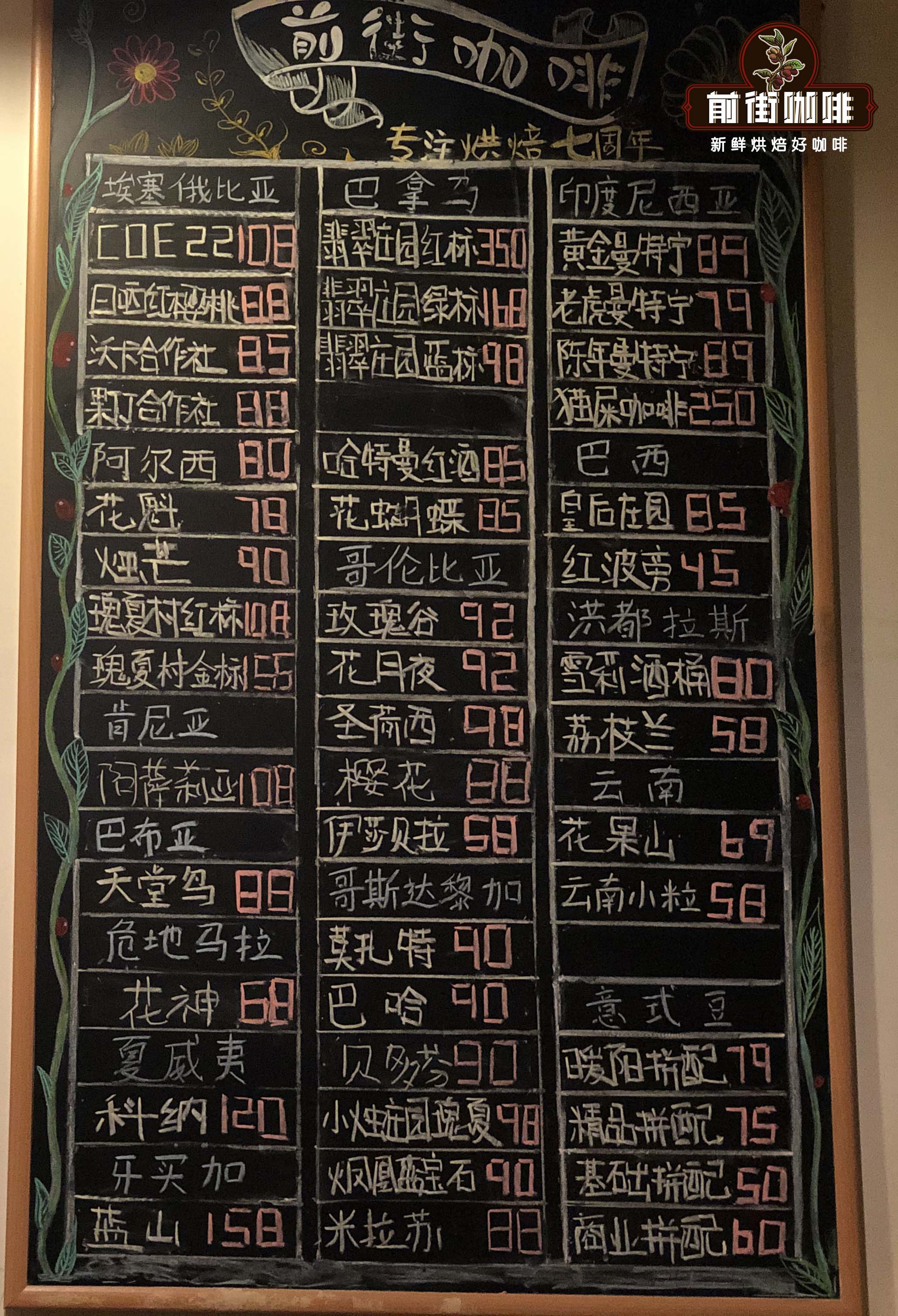
Brazil's coffee industry began in the 18th century, arriving at the port of Belém from Guiana along trade routes in 1727. From the late 19th to the early 20th century, four southeastern states including São Paulo and Minas Gerais dominated national output, and at their peak supplied 75% of the world's coffee. Although the country has since industrialized, it remains the largest producer, with quality regions such as Cerrado maintaining international competitiveness through meticulous cultivation.
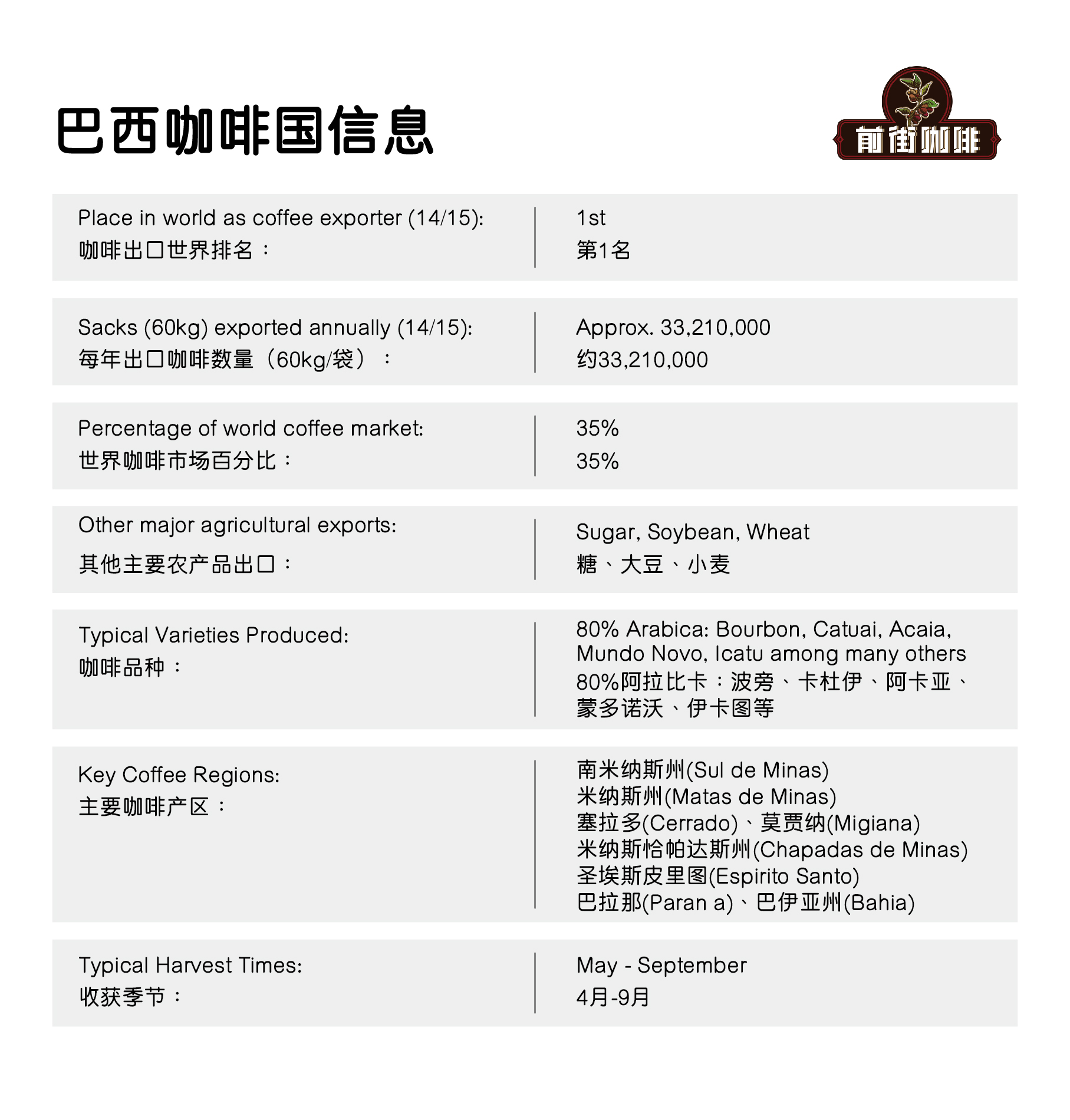
The industry has weathered repeated fluctuations in global markets. Overproduction in the early 20th century triggered a crisis, and the collapse of the European market in the 1940s prompted intervention by multinational buyers. In the 1960s the International Coffee Agreement stabilized prices through a quota system, until the agreement ended in 1989. These historical events shaped Brazil's industry strategy of balancing volume and quality, and regions such as Cerrado achieved differentiated development through altitude control and variety selection.
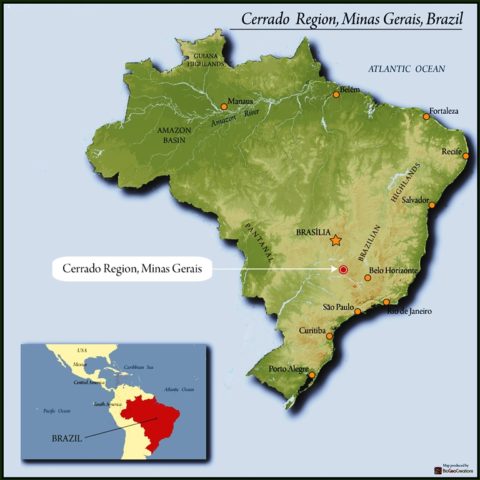
The Cerrado region lies on the western plateau of Minas Gerais, where plateau terrain at around 1000 meters creates a special microclimate. Compared with traditional high-altitude shade growing, the area uses an adapted flatland cultivation method in which coffee trees are exposed directly to sunlight; cherries ripen faster but accumulate flavor compounds distinctively. The mineral-rich soil, together with an average annual temperature of 21°C and clearly defined wet and dry seasons, yields coffee with a pronounced sweet base and a clean cup.

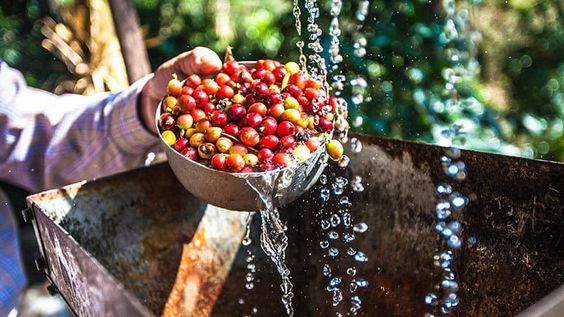
Brazil's main processing methods follow diverse technical paths: the natural process dries cherries in the open air, requiring daily turning until moisture content reaches 12%; the pulped natural process first removes part of the skin and pulp, leaving a little mucilage before drying; the semi-washed process removes mucilage completely before drying; and the washed process removes mucilage through fermentation. The Cerrado region mostly uses washed or semi-washed methods, which compared with natural processing elsewhere better preserve bright acidity alongside full body.
Coffee from this region shows a typically low-acid, full-bodied style: a moderate bitter-sweet balance, with grassy aromas and a soft, smooth mouthfeel. The grading system emphasizes physical indicators and cup performance, classifying by bean size (17-19 screen is premium), defect rate (no more than 6 defects per 300g for NY.2 grade), cup quality (Fine Cup is a common high grade) and flavor characteristics. Cerrado specialty beans commonly show nutty, chocolate and caramel finish, with standout cleanliness and sweetness.
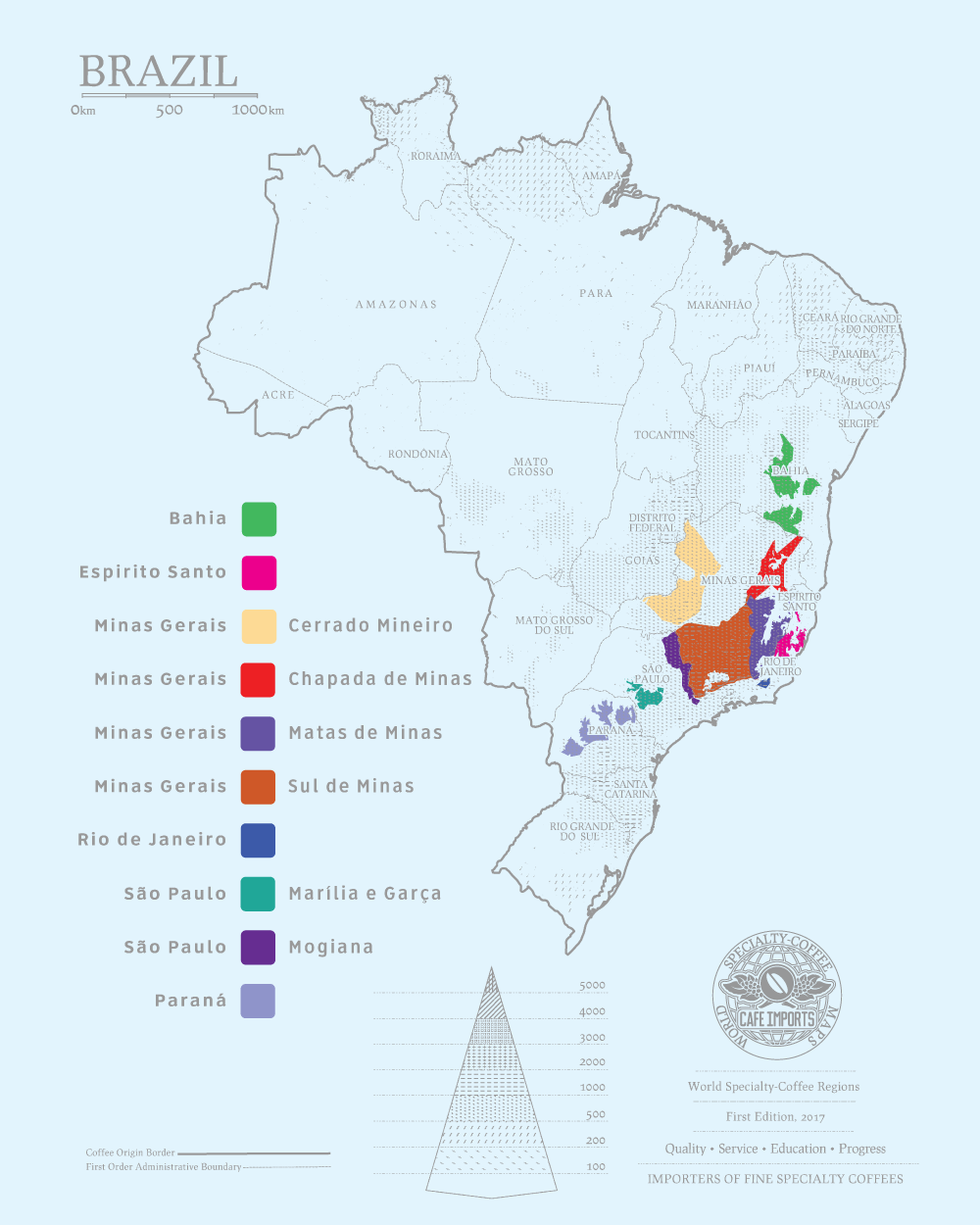
Core producing areas cluster in four geographic zones: Minas Gerais contributes about 50% of national output, with its Cerrado and Sul de Minas sub-regions known for plateau advantages; São Paulo state includes the classic Santos region; Bahia mainly produces washed beans; and the coastal state of Espírito Santo is the main exporter of Robusta. The day-night temperature difference created by Cerrado's altitude of around 1000 meters promotes concentration of flavor compounds, giving it a refined character distinct from flatland regions.
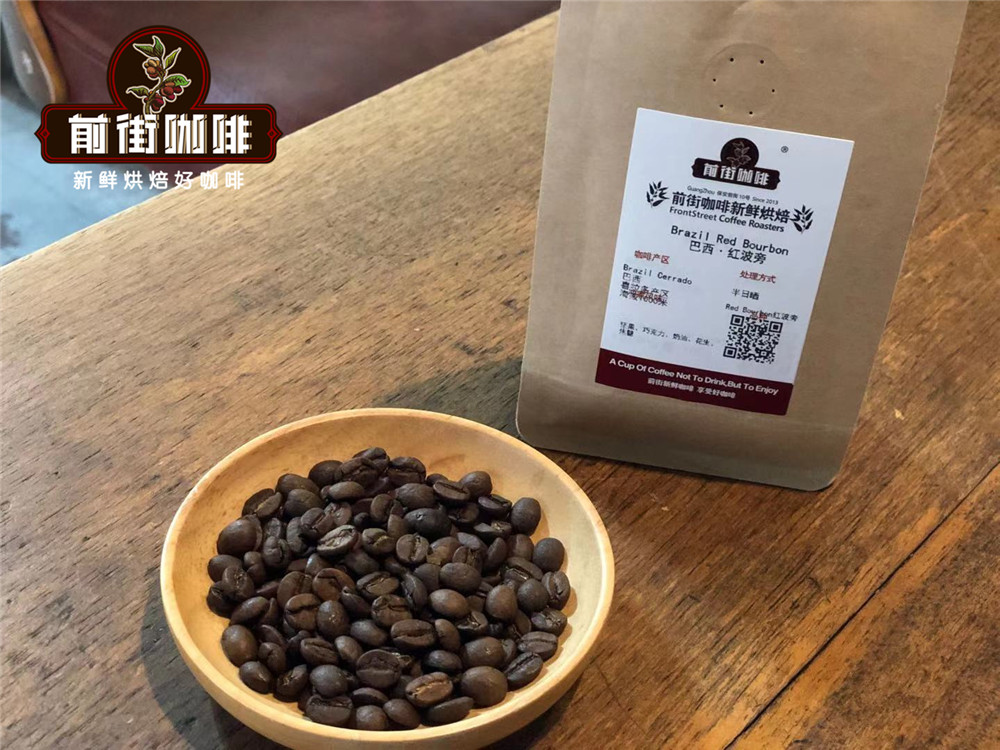
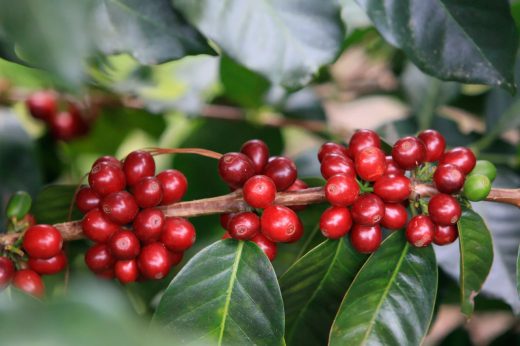
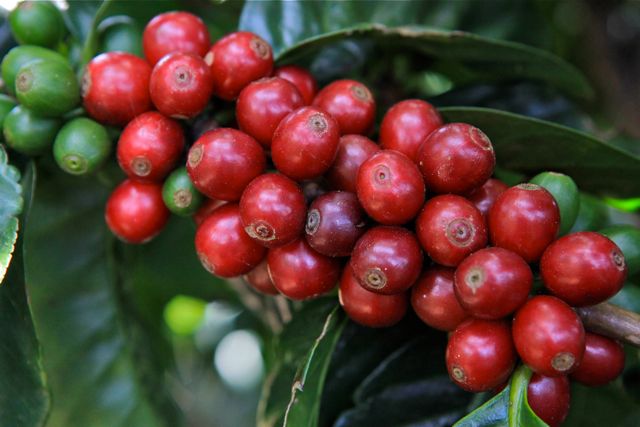
The representative variety Red Bourbon originated on Réunion Island in the 19th century; it has large leaves and yields about 30% more than Typica, with round, short, plump beans. Ripening shows a gradual color change from green to yellow to orange to red to deep red. Its flavor shows mild berry acidity, distinct creamy aroma and strong body, but it has weak disease resistance. In the Cerrado plateau environment, Red Bourbon's nutty base and chocolate finish are reinforced, and the pulped natural process further highlights layers of sweetness.
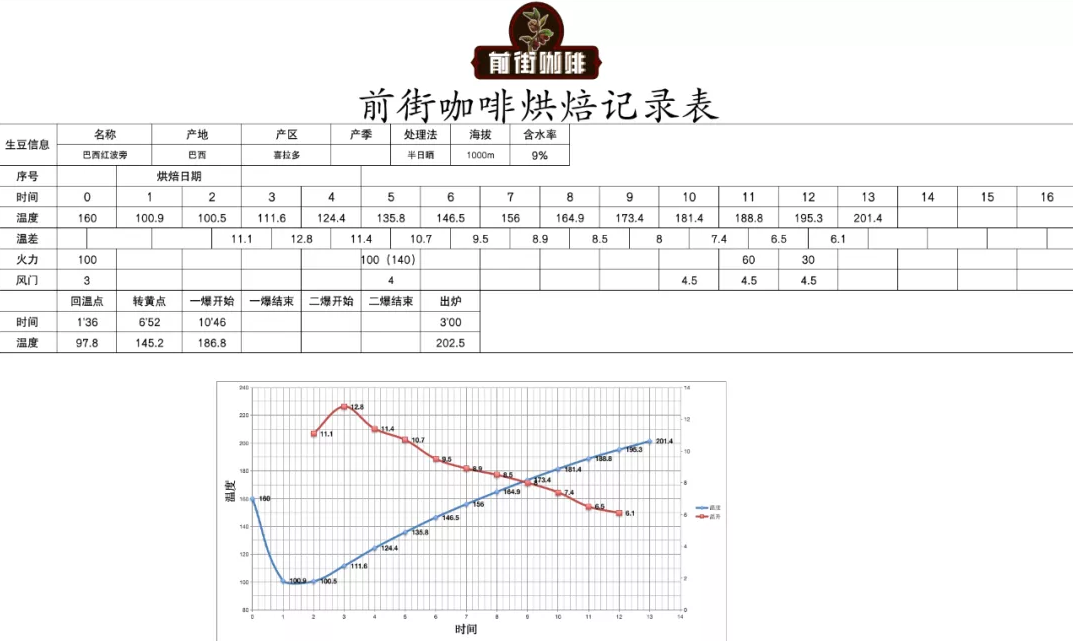
For professional roasting, a medium roast is recommended to balance body and flavor clarity. Taking a 550g batch as an example, charge temperature is 160°C; the yellowing point occurs at 145.2°C (about 6 minutes 52 seconds), first crack begins at 186.8°C (about 10 minutes 46 seconds), and the final drop temperature is 202.5°C (3 minutes of development after first crack). These parameters preserve caramelized compounds from sucrose conversion while avoiding the smoky notes of over-development, emphasizing the main aromas of nuts and chocolate.
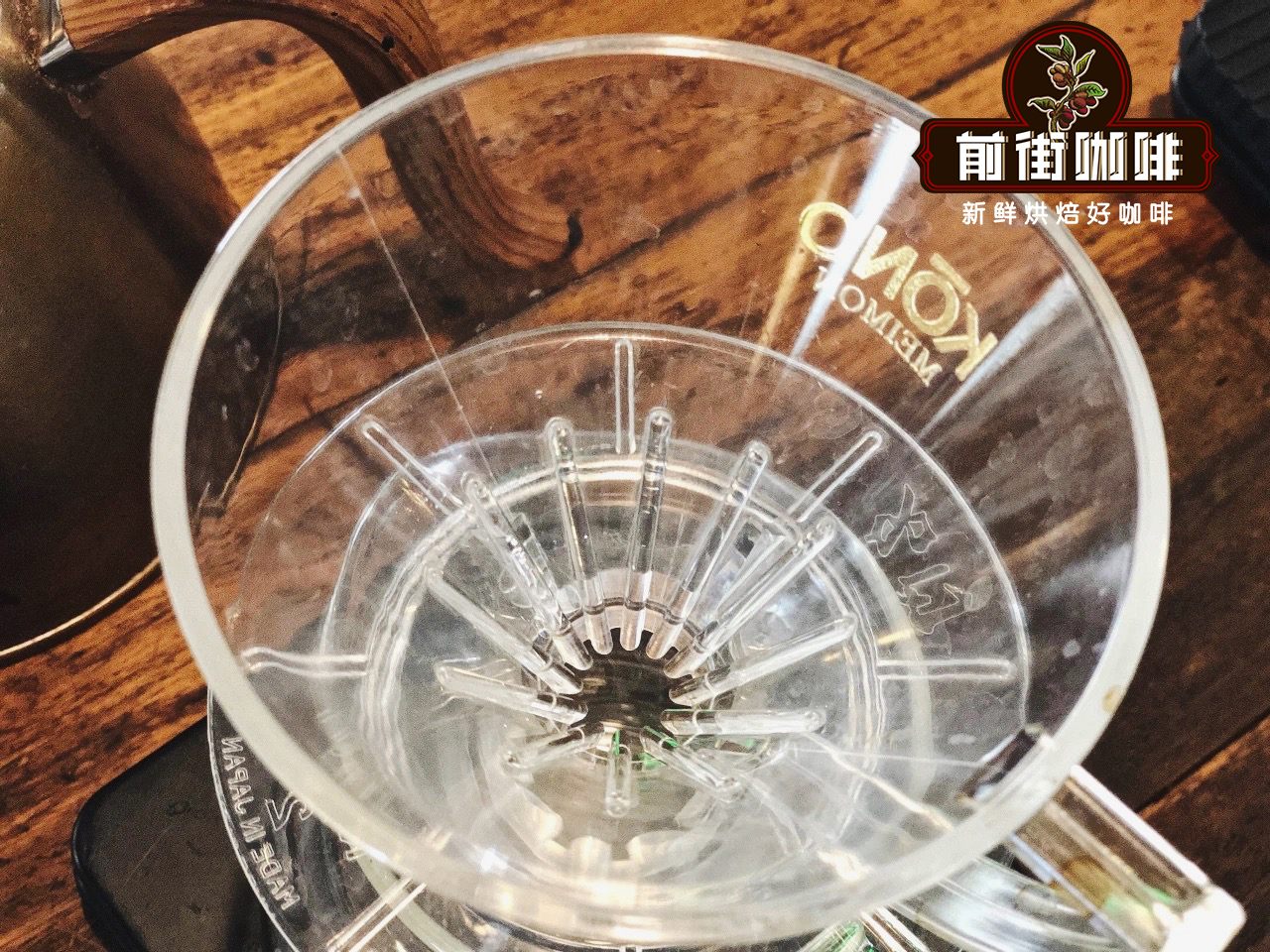
For pour-over practice, a Kono dripper with staged extraction is recommended: water at 88°C controls release of off-flavors, with 15g of grounds at a 1:15 coffee-to-water ratio. The first stage uses 30g of water for a 30-second bloom to activate aromas; the middle stage uses a small circular pour up to 125g in stages; the final stage adds water to a total of 225g. This method uses the Kono dripper's low-rib design to slow the flow, extending water-ground contact time to 2 minutes and fully extracting full-bodied compounds while keeping the mouthfeel smooth. Note that dark-roasted beans need lower water temperature to avoid over-extraction; observe grind size and adjust to 70-75% passing through a Chinese standard No. 20 sieve.
The flavor experience shows clear layered changes: the entry opens with soft sweetness accompanied by citric aroma, the middle is dominated by nutty and dark chocolate flavors, and the finish reveals a genmaicha-like tail. As the coffee cools, almond milk notes and a tea-like quality gradually emerge, with excellent overall balance. For storage, use sealed bags with one-way degassing valves, keep out of light at 10-20°C, and the best flavor period is 10-25 days from the roast date.