Colombia Hope Estate Geisha: Price, Processing, and Pour-Over Guide
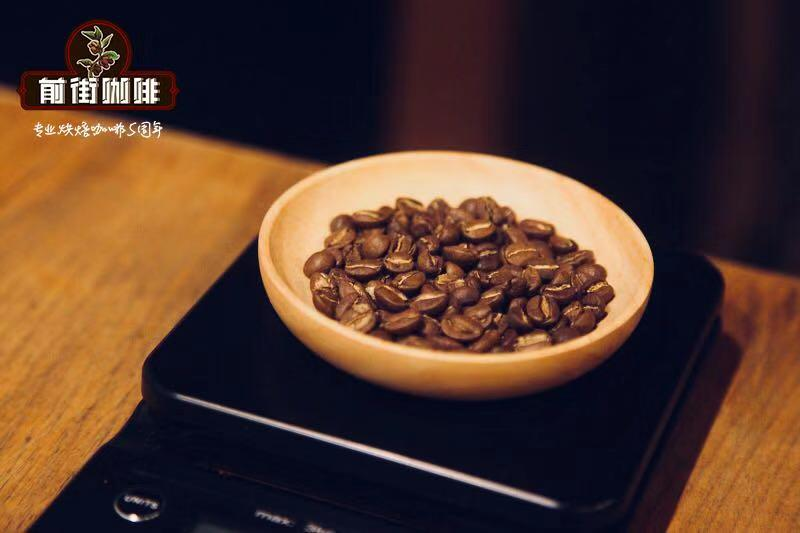
Introduction: Geisha coffee beans from Colombia's Hope Estate have drawn attention in the specialty coffee market thanks to their distinctive washed process and high-altitude growing conditions. This article breaks down the bean layer by layer, from the growing environment and variety background to processing techniques, explaining how this flavor-rich bean expresses floral and citrus notes through precise parameters, and offers a professional pour-over recipe along with key tasting points.
In the specialty coffee world, the Geisha variety is often closely associated with Panama's Hacienda La Esmeralda, but the Hope Estate in Colombia's southern Cauca Valley also cultivates Geisha coffee beans of outstanding quality. Through systematic cultivation management and innovative processing techniques, the estate allows the beans to retain their native Ethiopian genetics while expressing a distinct regional character.
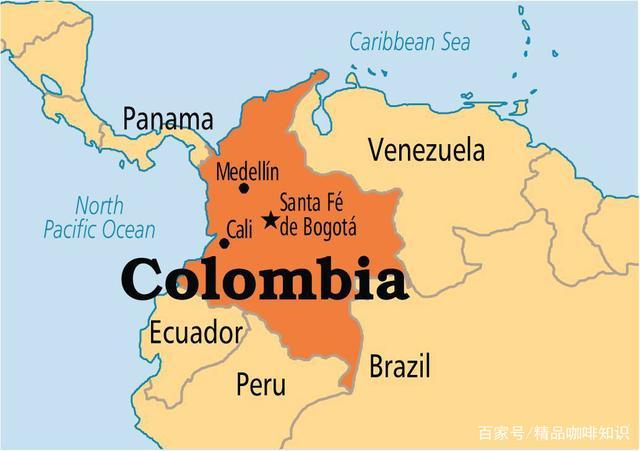
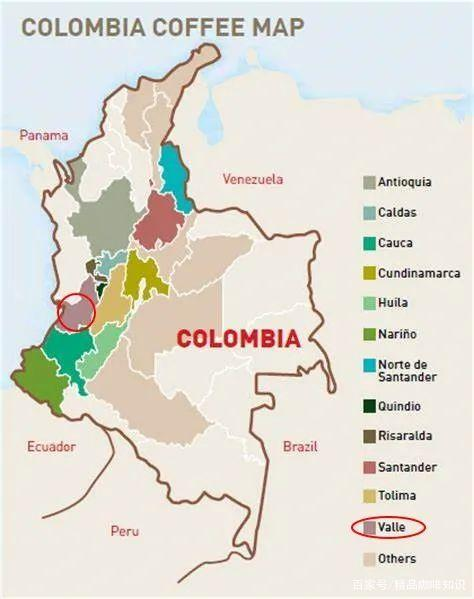
As the world's third-largest coffee producer, Colombia benefits from a high-altitude growing belt of 1,200–2,000 meters and abundant annual rainfall of 2,000–3,000 mm, which nurture mineral-rich volcanic soils. The family-farm model ensures each coffee tree receives meticulous care, and the Cauca Valley department, as the core southern producing region, offers microclimate diversity ideal for the Geisha variety—the Trujillo Valley area, with diurnal temperature swings of 8–10°C, is precisely where the Hope Estate's main growing site is located.
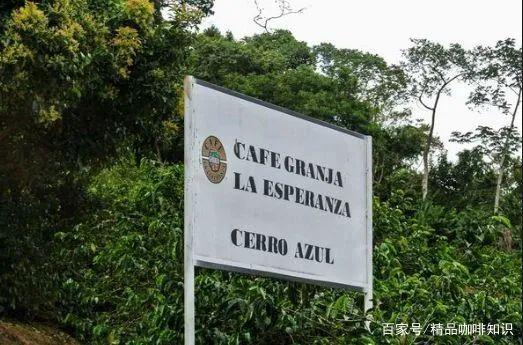
The Hope Estate consists of five sub-farms, including Hawai and La Esperanza, and its technical team holds Q-Grader certification; in 2019, three of its coffees made Coffee Review's global TOP15 list. The estate uses three processes—washed, natural, and honey—with the Geisha beans undergoing a strict washed protocol: ripe cherries are hand-sorted, then fermented at controlled temperature for 19–22 hours (a constant 20–22°C), after which the mucilage is thoroughly removed in flowing water channels, and finally the moisture content is stabilized at 10.5% in a 35–45°C environment.
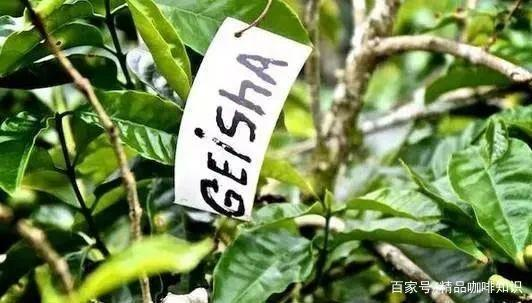
This Geisha seed, originating from Panama's Hacienda La Esmeralda, was introduced to the Hope Estate in 2007. A descendant of wild Ethiopian varieties, Geisha is extremely demanding about growing conditions—it requires altitudes above 1,700 meters, cloud-shaded environments, and acidic soils rich in organic matter. Its genetic characteristics determine that the coffee fruit can simultaneously accumulate citrus aromatic compounds and honey-sweetness precursors.
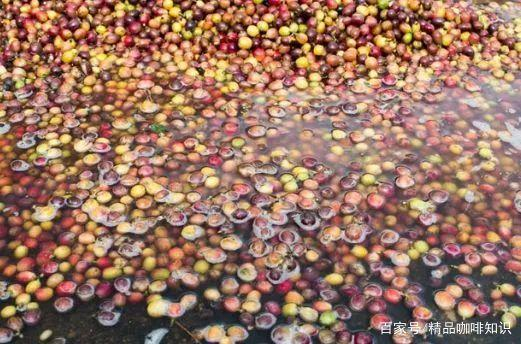
The key to processing lies in precisely controlling fermentation time and drying temperature. The estate uses a double-washed method: the hard outer skin is first removed, the mucilage layer is retained for anaerobic fermentation, and then a graduated temperature-reduction drying process follows (38°C on the first day → 42°C on the last), avoiding aroma loss caused by high heat. The resulting green beans show a blue-green luster, and their 100-bean weight is about 12% higher than that of ordinary Geisha.
In terms of flavor, this washed Geisha has a three-stage progression: on first sip, citrus acidity (citric acid accounting for 63%) and white florals dominate, accompanied by delicate berry notes; the mid-palate shifts into the round, rich texture of caramelized honey and fresh cream; and the finish continuously releases the mineral quality characteristic of oolong tea along with a sucrose sweetness that lingers. Compared with the same variety from Panama, its acidity is softer and its sweetness more prominent, with the bitterness threshold lowered by about 40%.

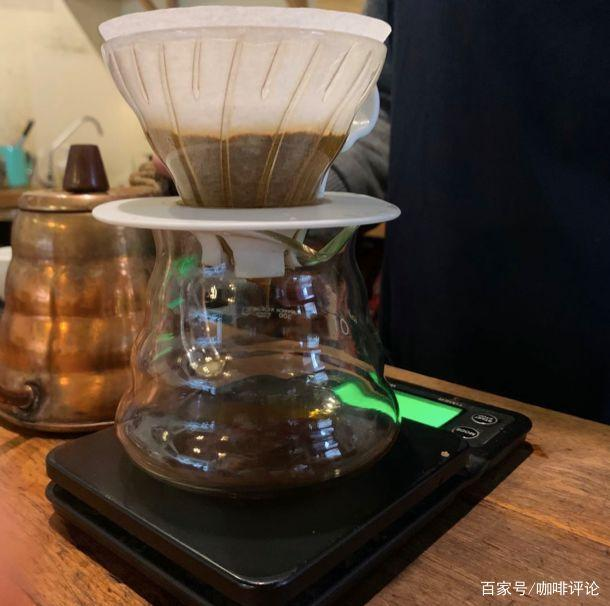
For professional pour-over, a V60 dripper is recommended (models D or DH suggested), with parameters set as follows: 15±0.5 g of coffee, water temperature 90±1°C, and a coffee-to-water ratio of 1:15. For staged extraction, first bloom with 30 g of water for 30 seconds to release the aroma, then pour in circles at a 45° tilt until the water level reaches 125 g for the first stage; when about one-third of the coffee bed is exposed, continue pouring to 225 g to complete extraction (total time 2:00±5 seconds). Be careful to avoid a stream that strikes the center of the dripper directly, which can cause over-extraction and astringency.
Hope Estate Geisha available on the market is mostly competition-grade lots, with annual output of less than 50 kg and sold only in whole bags. When buying, consumers should look carefully: authentic green beans should have a blue-green luster and a honeyed sweetness, and after roasting, cupping scores typically reach 86 points or above. For beginners, it is advisable to start with a medium-light roast level (Agtron #65–#70), a range that best balances the variety's characteristics with the flavor expression imparted by the processing method.


