Colombian Geisha Coffee Beans: Origin, Grades, Processing and Flavor Guide

Introduction: Want to learn about the Colombian Geisha coffee beans that have taken the world by storm? This article takes you deep into this specialty coffee's growing environment, grading standards, unique processing methods, and richly layered flavor characteristics. From the golden growing belt of the Andes to professional cupping parameters, it helps you fully master the key points of buying and tasting.
With its exceptional geographical advantages, Colombia has a dual port network connecting the Atlantic and Pacific oceans, and this logistical advantage significantly reduces the export cost of coffee beans. Among the South American producing countries, Colombia is the only one with shipping access on both the east and west coasts. The core growing belt formed by the Central and Eastern Cordilleras nurtures three premium regions—Medellín, Armenia, and Manizales—which together make up the "MAM" golden triangle. Among them, beans from the Medellín region are the most outstanding, with high bean density and full nutrient accumulation, showing a signature balance of bright acidity and rich aroma.
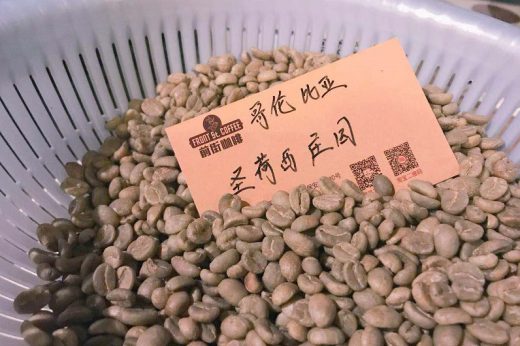
Colombia's coffee grading system uses the internationally common screen-size standard, in which Supremo is the highest commercial grade; the screening standard requires green beans to be strictly larger than screen 17, and only high-quality cherries freshly picked in season are used. The next grade, Excelso, allows a small amount of 15–16 screen beans to be mixed in, but likewise maintains excellent purity. Both are typical high-altitude hard beans with a silky-smooth mouthfeel. Notably, professional roasters often recommend a medium-light roast for Supremo grade to highlight the floral and fruity notes brought by its high moisture content of 11.5–12.5%.
The country's core coffee belt lies in the middle section of the Andes, where the precise growing micro-environment requires an altitude of 1,200–2,000 meters (ideal range 1,300–1,800 meters), an annual average temperature stable at 18±2°C, and abundant annual rainfall of 2,000–3,000 mm. Especially in the volcanic soil areas between 1°–11°15' N and 72°–78' W, the diurnal temperature difference can reach 8–10°C; this unique "microclimate system" encourages coffee cherries to ripen slowly and accumulate more sugars. Professional growers use shade cultivation to control average daily sunlight to 4–6 hours, along with manual thinning to ensure each plant retains only about 6,000 high-quality coffee cherries.
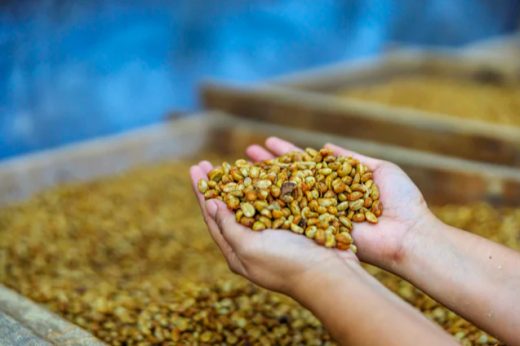
The Geisha variety performs particularly well in Colombia, and its processing usually employs a refined washed method: selected fully ripe red cherries are depulped, then fermented in clean running water for 18–36 hours (adjusted according to temperature), after which they are placed on African raised beds above 1,500 meters for 21–28 days of shade drying, during which they are turned 3–4 times a day to ensure even drying to a moisture content of 11%. This traditional process perfectly preserves the jasmine aroma and tropical fruit flavor layers unique to the Geisha variety.
Professional cupping data shows that high-quality Colombian Geisha coffee typically presents: a dry fragrance with white floral and citrus notes, a wet aroma that develops honey sweetness; a clear citric acidity on the initial palate, transitioning in the mid-palate to the rich texture of peach and black tea, and a finish that continues to release sugarcane sweetness and a delicate tea note. For pour-over parameters, we recommend 90–93°C water temperature and a 1:15 coffee-to-water ratio; with a V60 dripper, we recommend staged pouring (first pour 30% of the water for a 30-second bloom, then pour in two stages up to the target volume).
For coffee lovers who are just starting out, when buying, note: genuine MAM-region coffee should carry a clear origin stamp, and the defect rate of Supremo-grade green beans must not exceed 3% (according to SCA standards). For storage, we recommend using an aluminum foil bag with a one-way exhaust valve, kept in a light-free environment at 10–20°C; after opening, the best flavor period is 2–4 weeks. Attention to these details will help you fully experience the unique charm of Colombian Geisha coffee beans.