Yirgacheffe Washed vs. Natural: Which Processing Method Suits You?
Introduction: As Ethiopia's most representative coffee region, Yirgacheffe's washed and natural processing methods directly influence the final flavor profile. This article examines the processing techniques, flavor characteristics and brewing recommendations of both methods in detail, analyzing their strengths and weaknesses and providing professional roasting and pour-over parameters to help coffee enthusiasts find the Yirgacheffe beans that best match their personal taste.
Ethiopia's Yirgacheffe region is a sacred site in the hearts of specialty coffee lovers worldwide, and the beans produced here are renowned for their distinctive floral and citrus notes. Coffee beans from the same region present markedly different flavor characteristics depending on whether they are washed or natural processed: washed processing typically brings bright acidity and a clean mouthfeel, while natural processing imparts a richer sweetness and complex fruity layers.
Overview of the Yirgacheffe Region
Yirgacheffe lies on the eastern edge of the East African Rift, at an elevation of 1,800-2,000 meters, making it one of Ethiopia's highest coffee-growing regions. The area is rich in water resources, providing ideal conditions for washed processing. The region comprises numerous small coffee cooperatives, of which the Worka cooperative is a typical example, employing traditional washed and natural methods to produce specialty beans with a distinct regional character.
Detailed Look at Washed Processing
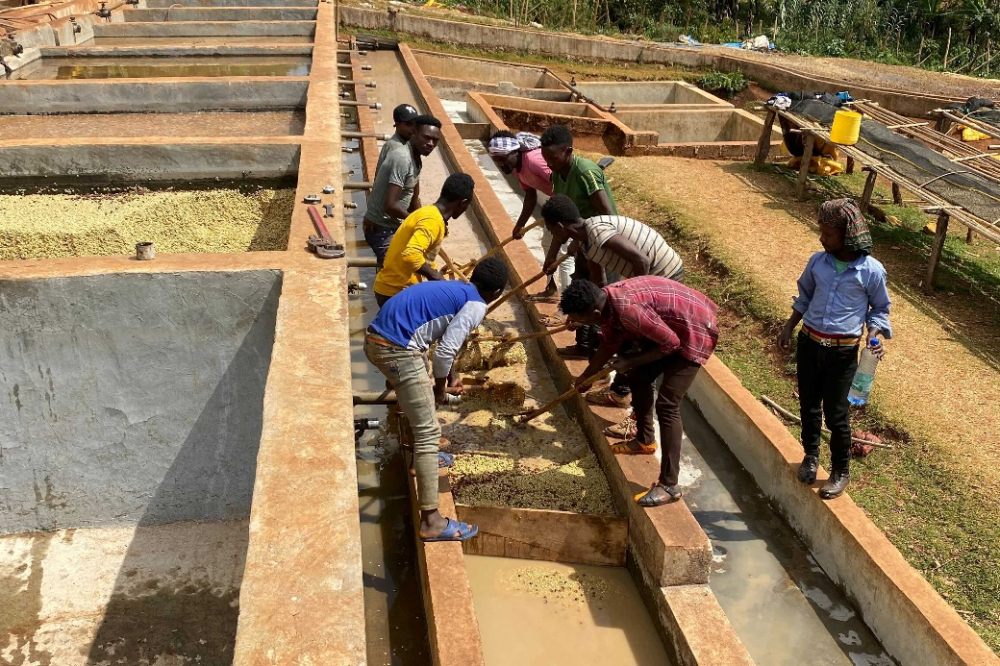
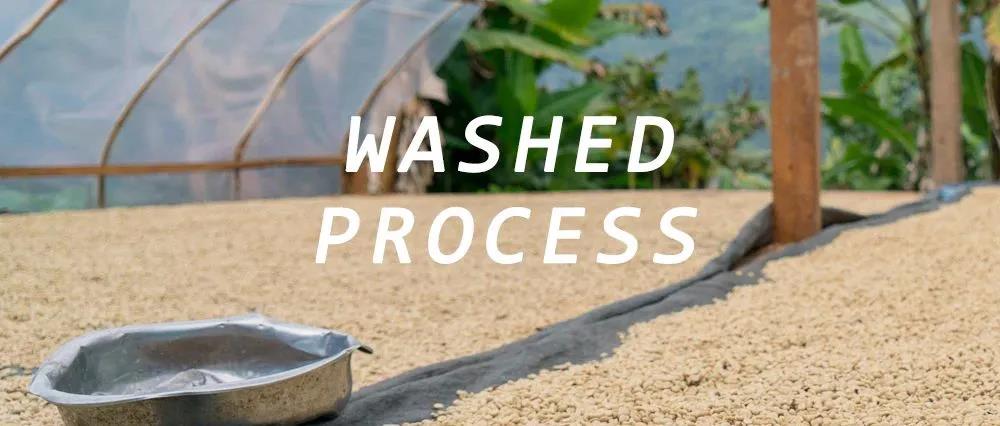
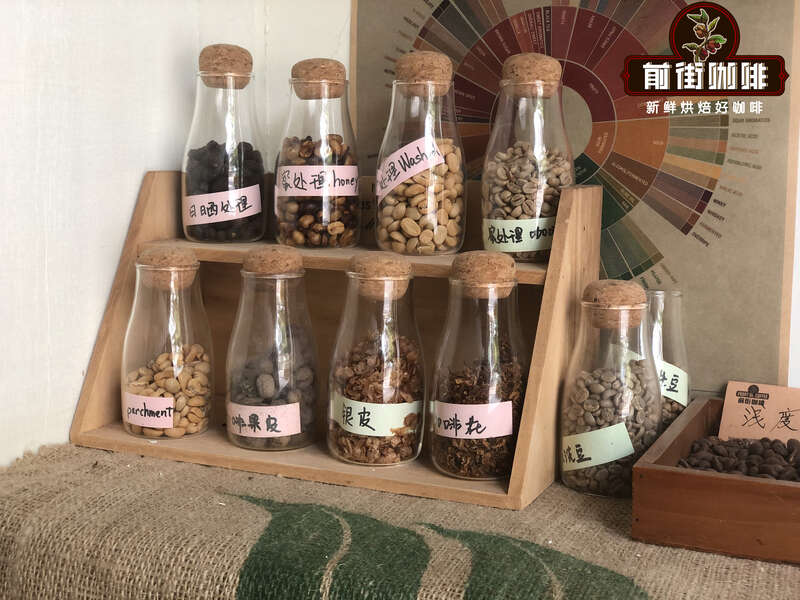
The core of washed processing is removing the mucilage layer through fermentation, preserving the coffee bean's pure flavor. The specific process includes: floatation within 6-12 hours of picking to remove defective beans, followed by pulping and depulping, then 18-36 hours of wet fermentation to break down the mucilage, and finally 5-14 days of drying to reduce moisture content to 11%. This process creates the signature high acidity, clean mouthfeel and bright citrus notes of washed Yirgacheffe.
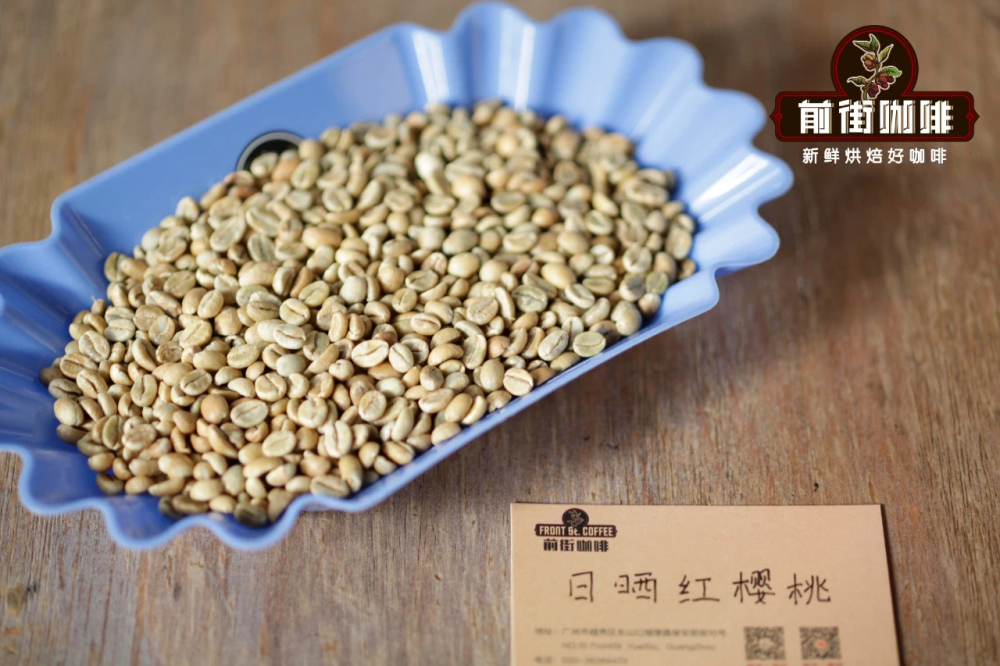
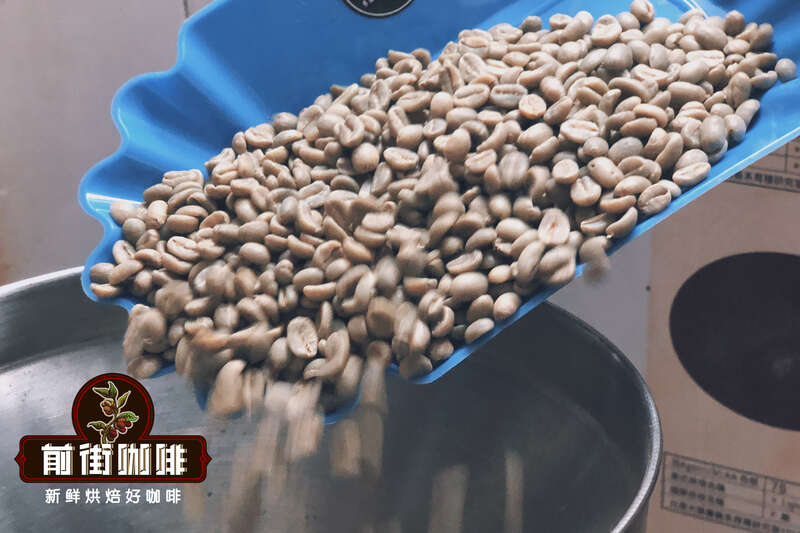
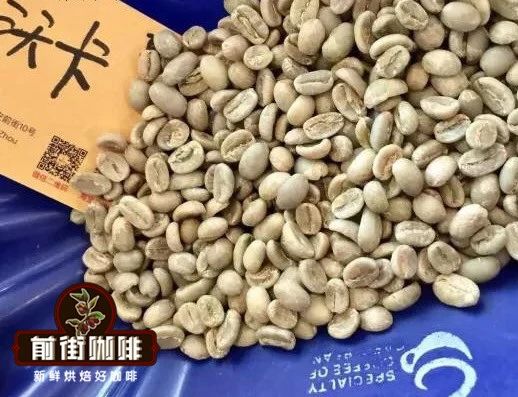
Washed beans typically retain a visible silver skin center line, and green bean quality is highly consistent. Fermentation time and temperature must be strictly controlled during processing to avoid off-flavors from over-fermentation.
Characteristics of Natural Processing
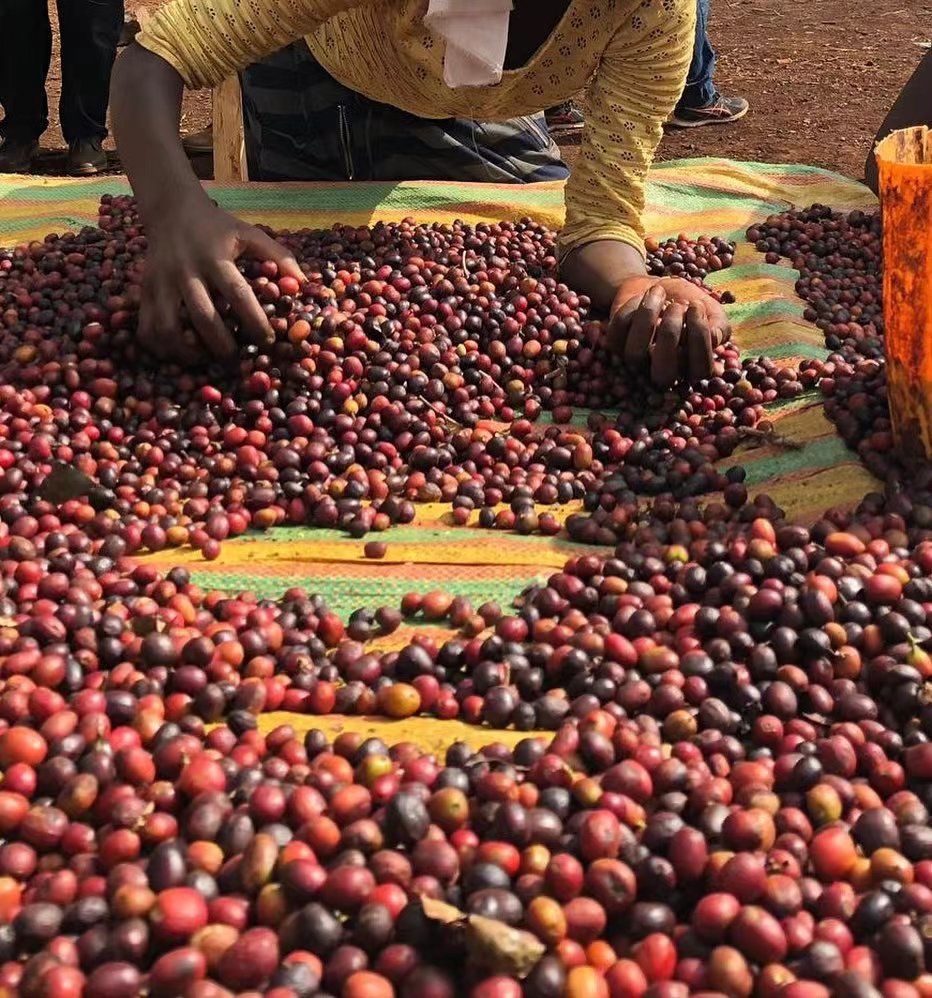
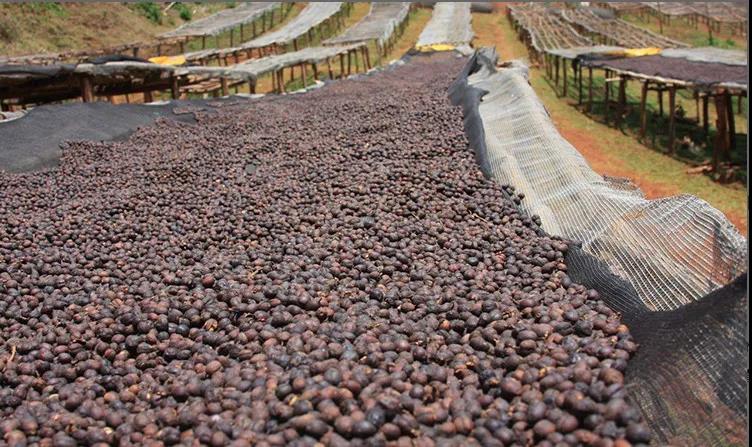
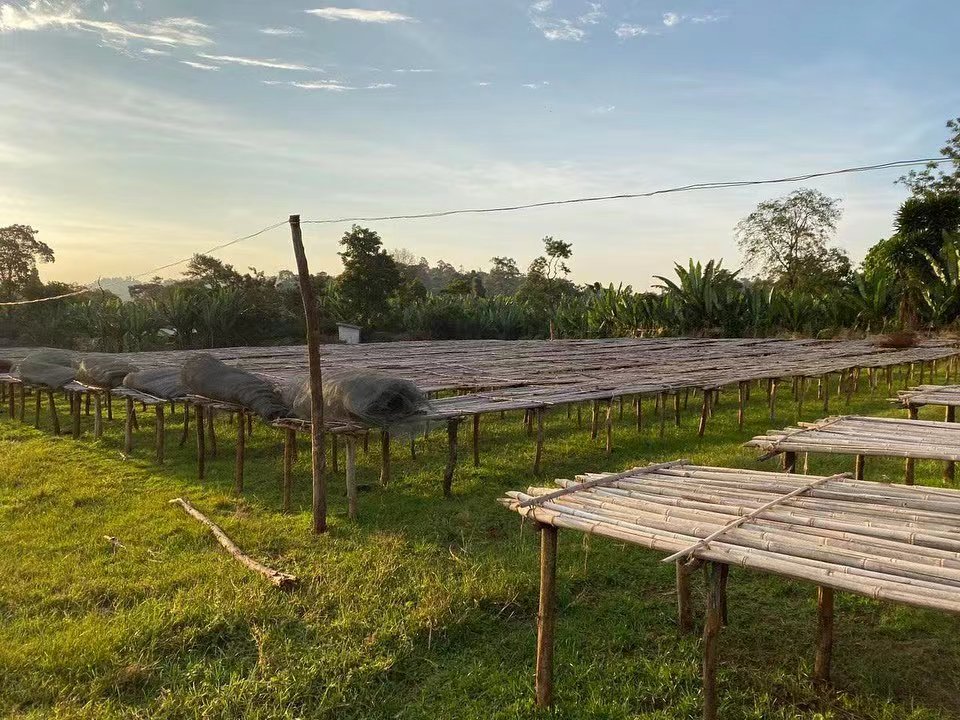
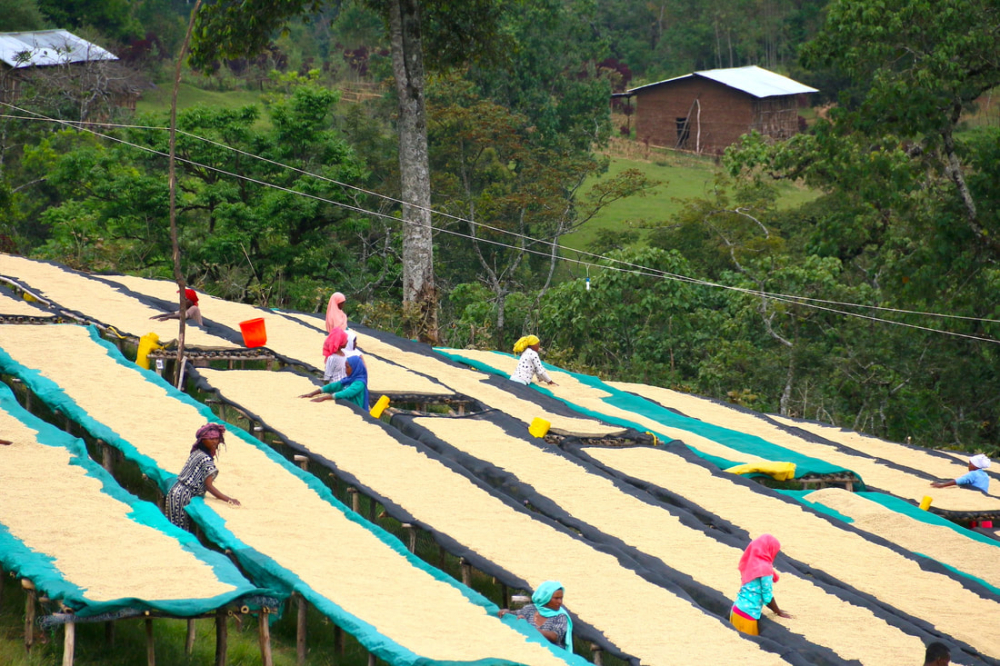
Natural processing dries the whole coffee cherry directly in the sun, allowing sugars to fully penetrate the coffee bean. The traditional process includes: hand-selecting fully ripe red cherries, then 3-4 weeks of slow drying (moisture content reduced to 11%), and finally removing the skin and pulp. This method gives the beans richer sweetness, berry-like flavors and a full-bodied mouthfeel.
Modern improved natural processes (such as the Red Cherry project) strictly select 100% ripe cherries, further enhancing flavor complexity. The drying process for natural beans requires frequent turning to ensure even drying and prevent mold.
Flavor Comparison and Brewing Recommendations
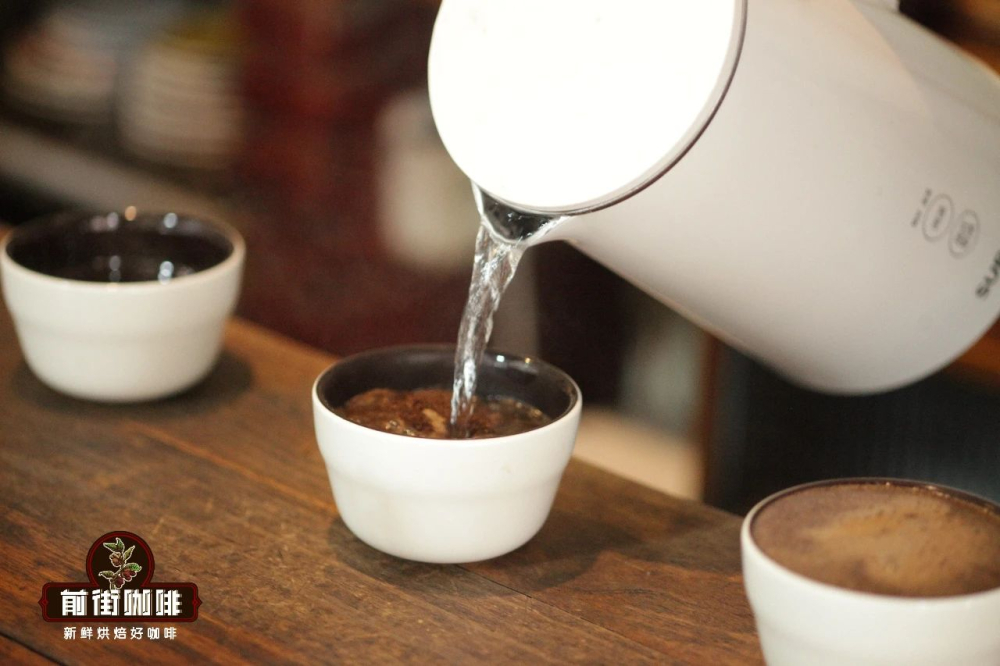
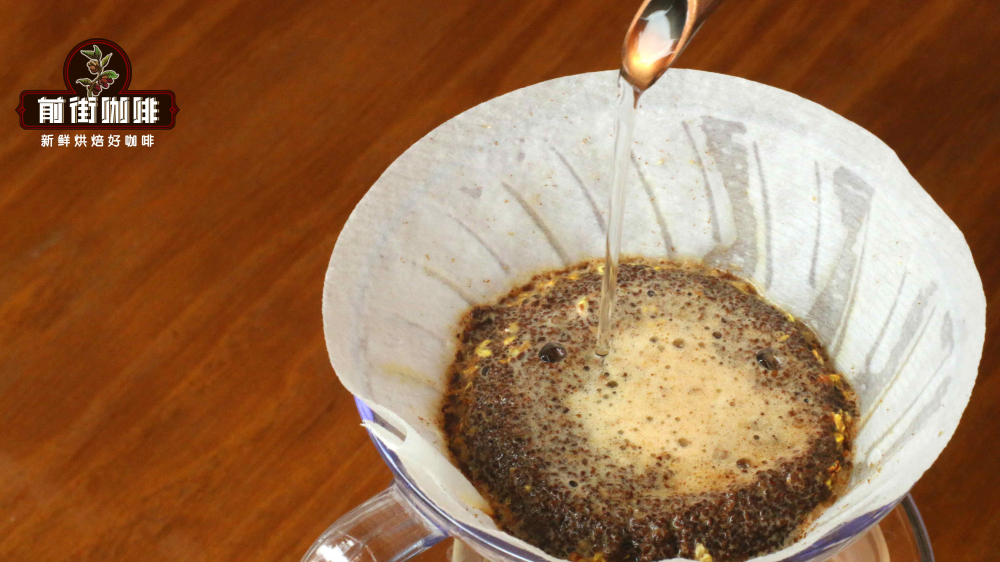
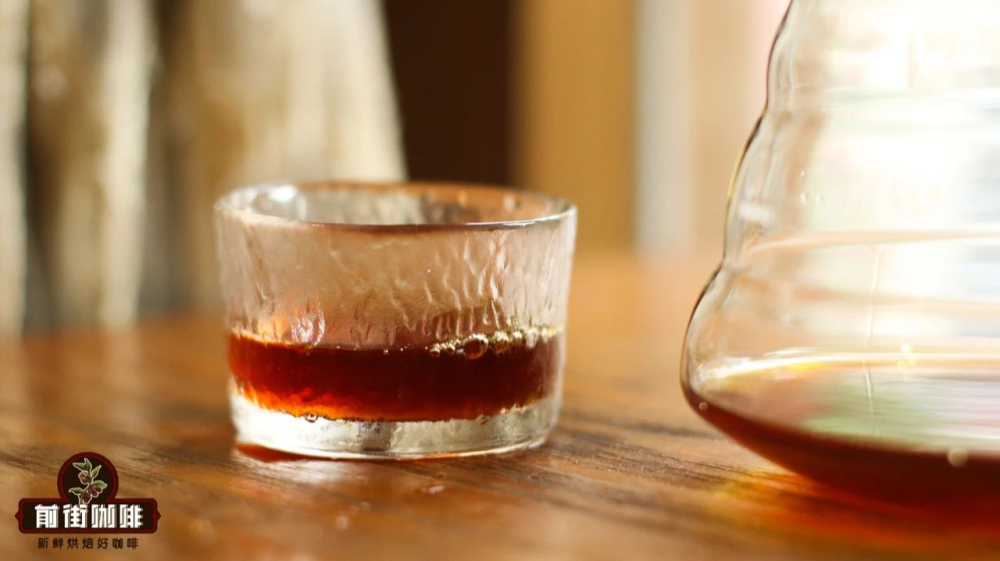
Washed Yirgacheffe typically presents: fresh fruit acidity such as citrus, lemon and white grape, paired with a tea-like body and soda-like sweetness. A V60 dripper is recommended, with 90-91°C water temperature, a 1:15 coffee-to-water ratio, and medium-fine grind (80% passing a No. 20 sieve).
Natural processing presents: rich sweet aromas of berries, apricot jam and honey, accompanied by a fuller body and multi-layered fruit flavors. During brewing, the bloom time can be extended appropriately to highlight sweetness development.
Guide to Choosing a Processing Method
Drinkers who prefer a crisp, bright mouthfeel and pursue coffee 'cleanliness' are better suited to washed processing; consumers who enjoy rich sweetness and complex fruity layers will usually find natural processing the better choice. Neither method is inherently superior; the key lies in personal taste preference.
Professional advice: check the processing method label when purchasing; freshly roasted beans (within 2-4 weeks of roasting) better showcase the processing method's characteristics. For storage, use one-way degassing valve sealed bags and keep out of light at 10-20°C.