Brazil Santos Coffee: Altitude Effects on Bourbon Flavor and Brewing Guide
Introduction: Brazil, the world's largest coffee-producing region, is known for the stable, balanced flavor of its Santos Bourbon coffee. This article explains how altitude affects the flavor of Brazilian Bourbon — from the full, nutty notes of lower elevations to the bright fruitiness of higher ones — reveals the grading standards for Santos NO2 beans, and offers practical parameters for pour-over and espresso extraction to help you grasp this classic bean's character precisely.
Brazil Santos coffee is a benchmark product on the international coffee market, its signature flavor stemming from the unique combination of the Bourbon variety and the growing environment of the southeastern highlands. When you taste a cup of quality Brazil Santos, the first thing you notice is a sweet aroma reminiscent of roasted almonds and caramel, followed by dried red dates and a faint spice note, with a chocolate-like full finish — this "understated yet rewarding" quality makes it a golden base for coffee blends.
Altitude has a particularly marked effect on Brazilian Bourbon coffee: beans grown at 800–1,000 meters typically show pronounced nutty notes (such as hazelnut and Brazil nut), very low to almost imperceptible acidity, high body and a distinct earthy character; whereas in high-altitude regions above 1,200 meters, Bourbon can develop brighter citrus acidity, accompanied by fermented fruit notes of red apple or raisin, with a relatively lighter body but richer layers. Notably, the Santos region of Minas Gerais state (generally 900–1,300 meters) is a representative area for this high-altitude, high-quality Bourbon.
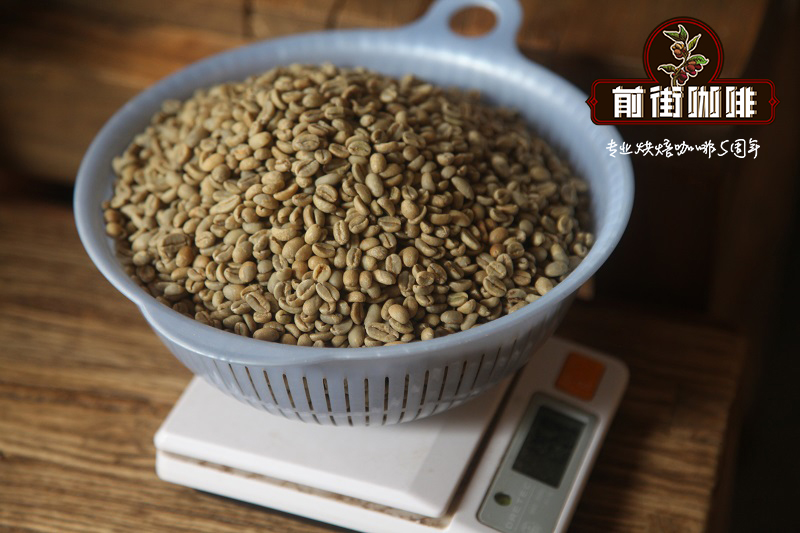
Santos NO2 in Brazil's coffee grading system is a top-tier commercial bean, with strict standards including: no more than 4 defects per 300 grams of green beans (only 10 defects allowed in about 800 grams), and screening for large, round beans with an 18 screen (approximately 8 mm aperture). Such beans have uniform density and are especially suited to medium roast (Agtron #55–65), which preserves the Bourbon variety's sweet character while enhancing caramelized flavors through the Maillard reaction.
In actual brewing, note that Brazil Bourbon Santos is extremely sensitive to grind size. For pour-over, use a medium-fine grind (70–75% passing a Chinese standard No. 20 sieve), with water temperature controlled at 90–92°C to avoid over-extraction and bitterness. A classic brewing method uses a V60 dripper at a 1:15 coffee-to-water ratio; when pouring in stages, after the first bloom, pour slowly and split the pour when reaching 125% of the water amount — this effectively highlights its nutty and caramel flavors. For espresso, grind 5–10% finer than the standard for home machines; a 25–30 second extraction yields a rich, balanced Espresso.
Many coffee lovers trying Brazil Bourbon for the first time often mistakenly think it "bland" — in fact, this mild character is precisely its value. When blended with other high-acidity coffees (such as Ethiopian Yirgacheffe or Guatemala Antigua), Brazil Santos perfectly neutralizes sharp acidity, making the overall flavor rounder. Professional roasters often use it as a blend base at 40–60%, ensuring a full-bodied foundation without masking the flavor personality of specialty origins.
It should be specially noted that although Brazil accounts for over 35% of global coffee production, Bourbon varieties truly meeting specialty standards make up only about 15% of its total output. When buying, look for lots labeled with origin altitude (such as Minas Gerais 1200m+), and prioritize beans certified "Strictly Soft" or "Fine Cup." For storage, note that Brazilian beans, due to their high density, resist oxidation better than ordinary coffee beans, but the best flavor period is still within 2–4 weeks after roasting.


