Brazil Red Berry Coffee Bean Review: Medium Roast Pour-Over Flavor and Origin Guide
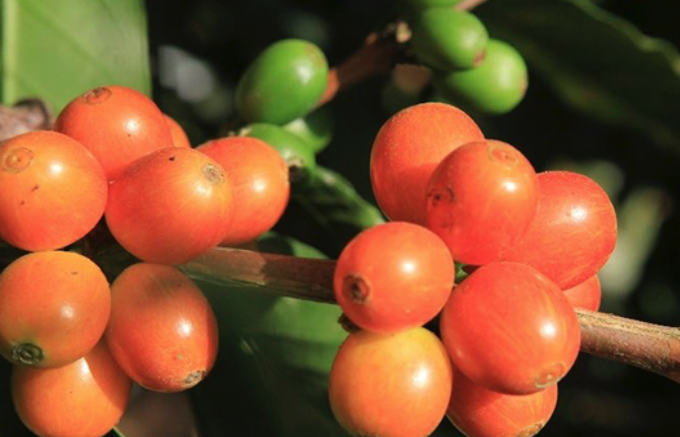
Introduction: As the world's largest coffee producer, Brazil's Santos region yields medium-roast red berry beans that are the entry point for many coffee enthusiasts. This article explains the characteristics of these beans, which account for one-third of global output, from growing environment to brewing parameters, why they are the cornerstone of coffee blends, and offers practical pour-over advice and flavor identification tips.
Brazil is not only the world champion of coffee production but is also renowned for its Santos region. The red berry coffee beans produced here, with their consistent quality, account for one-third of global coffee trade year-round and are an indispensable base bean in specialty coffee blends. For beginners just getting into coffee, understanding the characteristics of this type of bean is an important step in building a flavor database.
The most notable characteristic of Santos coffee beans is their neutral, balanced flavor profile. After medium roasting (recommended roast level Agtron 55-65), the beans show an even pale green to pale yellow color, and the natural (dry) process gives them distinctive brown streak patterns. These beans neither highlight fruity acidity like African beans nor show the strong bitterness of dark roasts; instead they display gentle nutty notes and moderate caramel sweetness.
In terms of brewing performance, Brazil red berry beans show great adaptability. A 1:15 coffee-to-water ratio is recommended, with grind size controlled at medium-fine (about 70% passing through a Chinese standard No. 20 sieve). For pour-over, use a water temperature of 92-94°C and a recommended three-stage pouring method: first pour 30% of the water for a 30-second bloom, then pour in two stages up to the target water amount. This method fully brings out their underlying cinnamon aroma and red berry notes while avoiding the woody, off flavors caused by over-extraction.
Many consumers mistakenly assume Brazil beans have a one-dimensional flavor when first trying them, but this is not the case. Red berry beans from quality regions, when well processed, can present a multi-layered mouthfeel—the first sip brings a velvety body, followed by balanced citrus acidity, with a lingering dark chocolate finish. This 'soft yet firm' character makes them an ideal choice for milk-based coffee and a key player in balancing the richness of espresso blends.
When purchasing, note the differences in processing methods: traditionally natural-processed Brazil beans usually have a richer sweetness, while the recently popular pulped natural process preserves more floral and fruity aromas. For storage, use an aluminum foil bag with a one-way degassing valve and keep it in a cool, dark place; the optimal flavor period is within 2-4 weeks after roasting. For enthusiasts seeking value for money, Brazil red berry beans are undoubtedly an excellent starting point for building a personal coffee tasting system.


