Caturra Coffee Beans: Flavor Profile and Pour-Over Guide
Introduction: As one of the most popular varieties in the Arabica family, Caturra has become an important planting choice in many producing regions thanks to its strong adaptability and bright flavor. This article takes an in-depth look at Caturra's origins, growing characteristics, flavor performance, and pros and cons, and offers professional pour-over parameter recommendations to help you better appreciate this classic coffee bean.
Caturra is a very important branch of the Arabica coffee varieties. It originates from the old Bourbon variety and is a dwarf variety that arose through natural genetic mutation. This mutation was first discovered between 1915 and 1918 at a plantation in Minas Gerais, Brazil. At the time, some of the Bourbon plants in the plantation showed a markedly smaller tree form, similar to botanical "dwarfism." These mutant plants were later called "Caturra" by locals in the Guarani language, meaning "small."
Compared with traditional Arabica varieties, Caturra's greatest advantage is its compact tree form, which makes it very suitable for dense planting. It not only saves space but also makes daily management and picking easier for growers. It is worth noting that Caturra does not need shade trees; it can grow directly in strong sunlight, which is why it is also called "Sun Coffee." This characteristic greatly reduces the crop's dependence on environmental conditions and improves output efficiency per unit area.
Caturra's suitable growing altitude range is 700 to 1,700 meters, but in higher-altitude areas—roughly between 1,200 and 2,000 meters—combined with annual rainfall of 2,500 to 3,500 millimeters, its flavor performs best. Under these conditions, Caturra not only has relatively reliable yields but also displays more complex and higher-quality flavor characteristics, such as bright acidity, rich fruit notes, and the chocolate and nutty sweetness that develops after medium-dark roasting. As a result, it is often a popular variety in coffee competitions.

However, Caturra is not without drawbacks. Because its tree form is short and planting density is high, plants can easily collapse under excessive load when they bear a heavy crop, so growers usually need to invest in more fertilizer and strengthen tree management. In addition, Caturra has weak disease resistance and is especially susceptible to coffee leaf rust, nematodes, and other diseases, which places higher demands on the sanitation and management level of the growing environment.
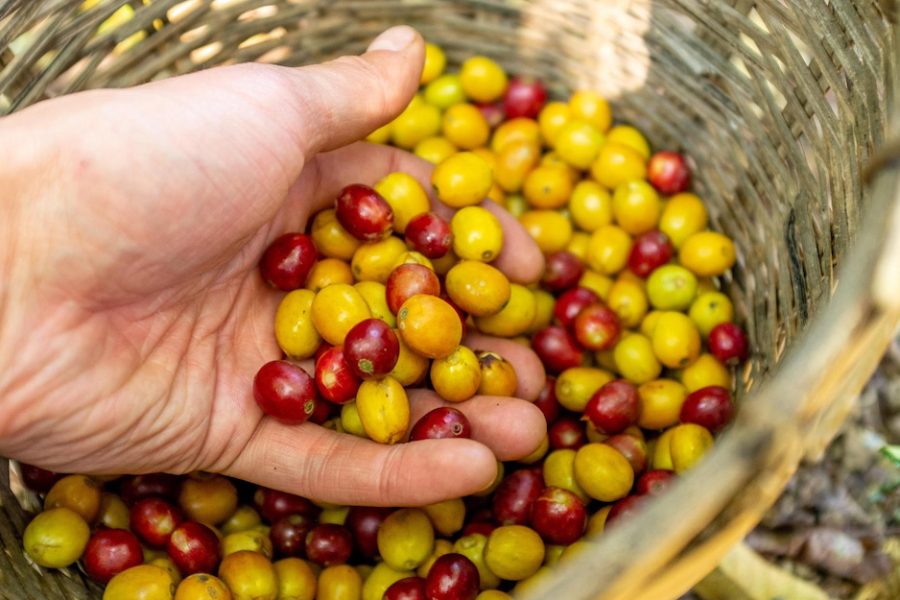
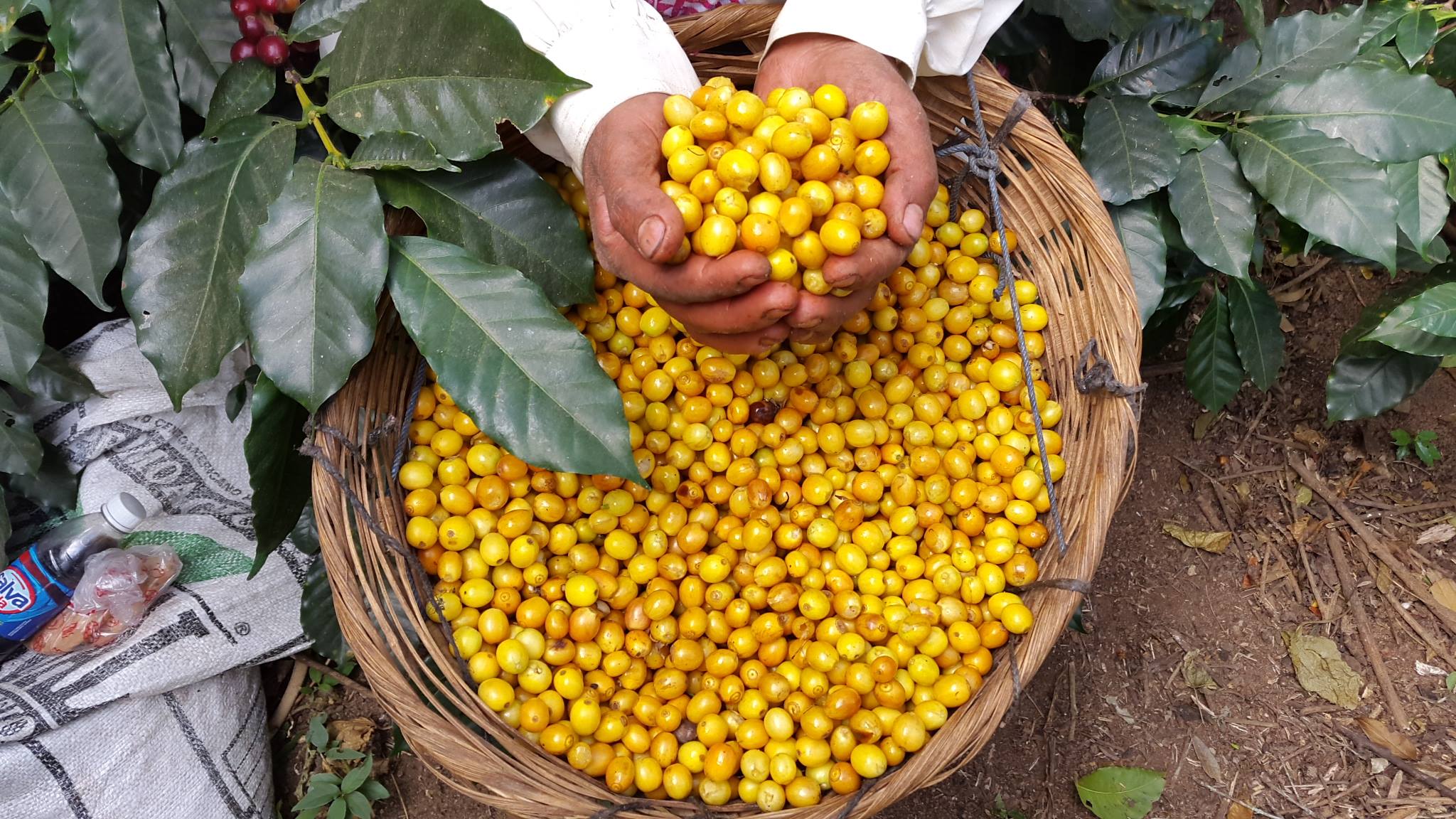
In appearance, Caturra can be divided into three types according to fruit color: Red Caturra, Yellow Caturra, and Purple Caturra. Among them, Red Caturra (Caturra Vermelho) is the most common type. Its flavor performance is greatly influenced by origin, processing method, and roast level, and it has strong regional character. Yellow Caturra (Caturra Amarello) and Purple Caturra are relatively rare variants that evolved from recessive genes. They usually have lower yields but may bring some unique personality in flavor.
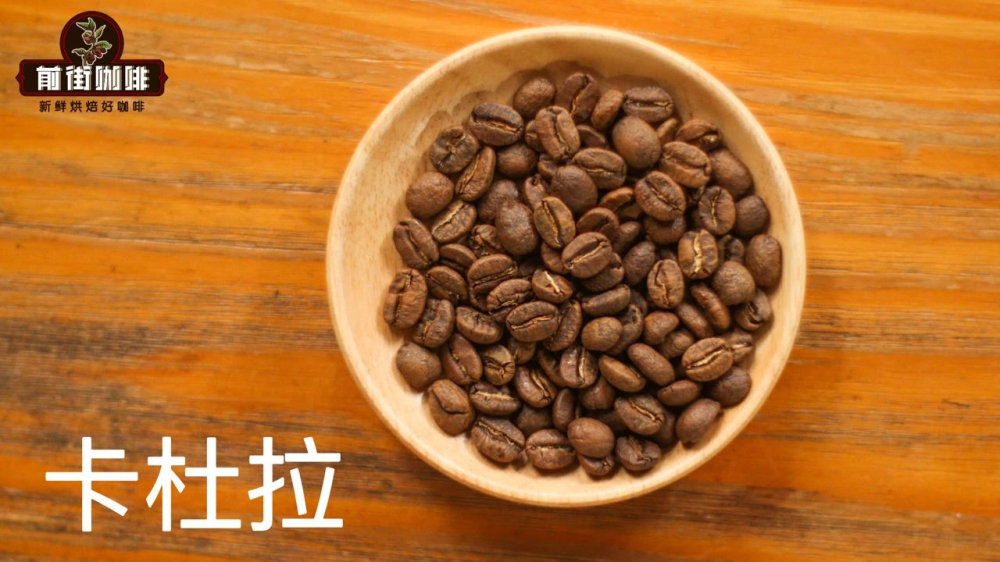
If you want to experience Caturra's flavor specifically, try coffee beans made from Red Caturra and processed using the natural washed method. This type of coffee usually has gentle acidity, moderate body, and a clear sweet aftertaste. For roasting, medium-dark is often chosen to highlight its classic nutty and chocolate notes while retaining some lively fruit acidity. During actual roasting, roasters often conduct multiple cupping sessions to ensure the beans reach an ideal state in aroma, sweet-acid balance, and cup cleanliness.
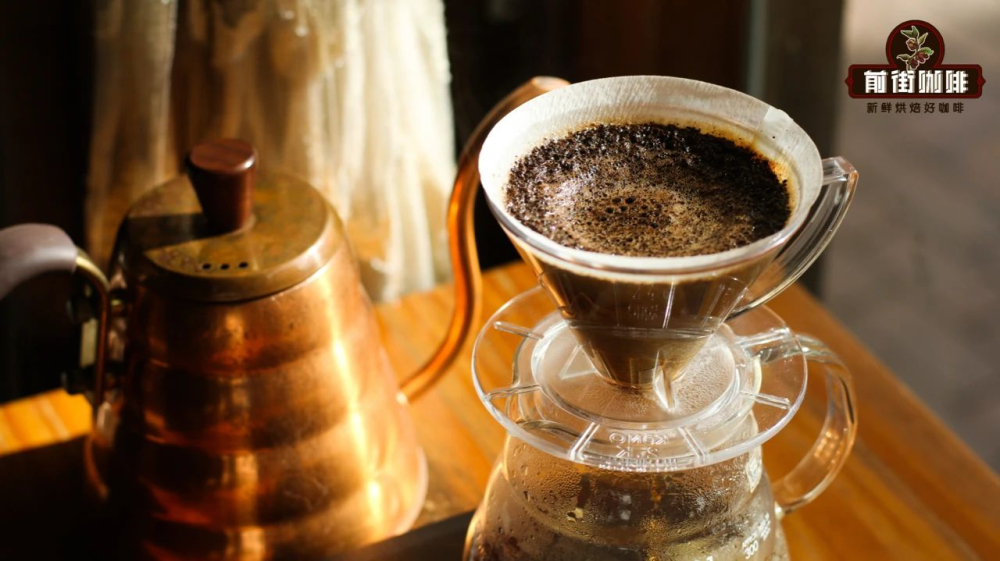
For brewing, because medium-dark roasted Caturra beans have a relatively loose texture and strong water absorption, a medium grind (such as about 75% passing through a No. 20 standard sieve) is recommended, with water temperature controlled at around 90°C to avoid off-flavors caused by over-extraction. In addition, choosing an appropriate dripper can significantly affect the final flavor. For example, the KONO dripper, due to its special rib design, has exhaust holes only at one quarter of the dripper. When the water level exceeds this point, water flow pressure gradually increases, extending the contact time between coffee grounds and water and helping to more fully extract soluble substances, thereby enhancing body and fullness of mouthfeel.

Recommended brewing parameters are as follows:
Dripper: KONO
Water temperature: 90°C
Grind: 75% passing through a No. 20 standard sieve (medium)
Coffee-to-water ratio: 1:15
Dose: 15 grams
Extraction method: three-pour method
The specific procedure is: after pouring the coffee grounds into the dripper, first bloom with about twice the dose of water (about 30 grams) for 30 seconds to wake up the coffee grounds and release the initial aroma; then pour in a thin stream in circles from the inside out until the total water reaches 125 grams for the first stage; when the bed drops to the middle of the dripper, continue pouring with the same thin stream until 225 grams to complete extraction. The whole process takes about 2 minutes. This effectively balances acidity, sweetness, and body and improves overall flavor harmony.

The final brewed coffee usually shows distinct chocolate, nutty, and caramel aromas, with a smooth and sweet mouthfeel, moderate body, and a clean cup without off-flavors. As the temperature drops slightly, you can further perceive soft layers of fruit acidity, adding more dimensions and interest to the overall flavor.