Indonesian Mandheling G1 Coffee Beans: Origin, Grading and Flavor Brewing Guide
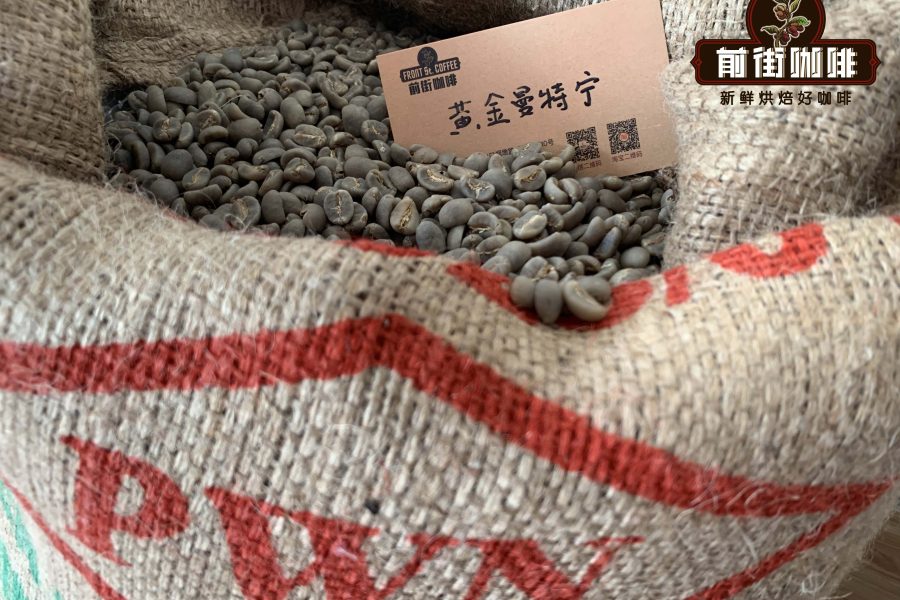
Introduction: As an important coffee-producing region globally, Indonesia is known for the unique flavor of its Mandheling coffee. This article provides an in-depth analysis of what the Mandheling G1 grade means, from variety evolution and grading standards to brewing parameters, comprehensively explaining the characteristics of specialty coffee beans from Sumatra's golden producing region, and offering professional roasting and pour-over plans to help you gain a deeper understanding of this classic bean's appeal.
Since coffee was introduced during the Dutch colonial period in the 17th century, Indonesia has become an important global producing region thanks to its unique geographical environment. For historical reasons, its coffee system has formed a complex variety structure—the initially planted Typica was susceptible to leaf rust, and later disease-resistant varieties such as Tim Tim and Catimor were introduced, but differences in farmers' knowledge led to localized names such as Tim Tim. This diversity makes it difficult to name Indonesian coffee by a single variety, so it is instead distinguished by regional characteristics, such as Java Island, Sumatra Mandheling, and Sulawesi Toraja coffee.
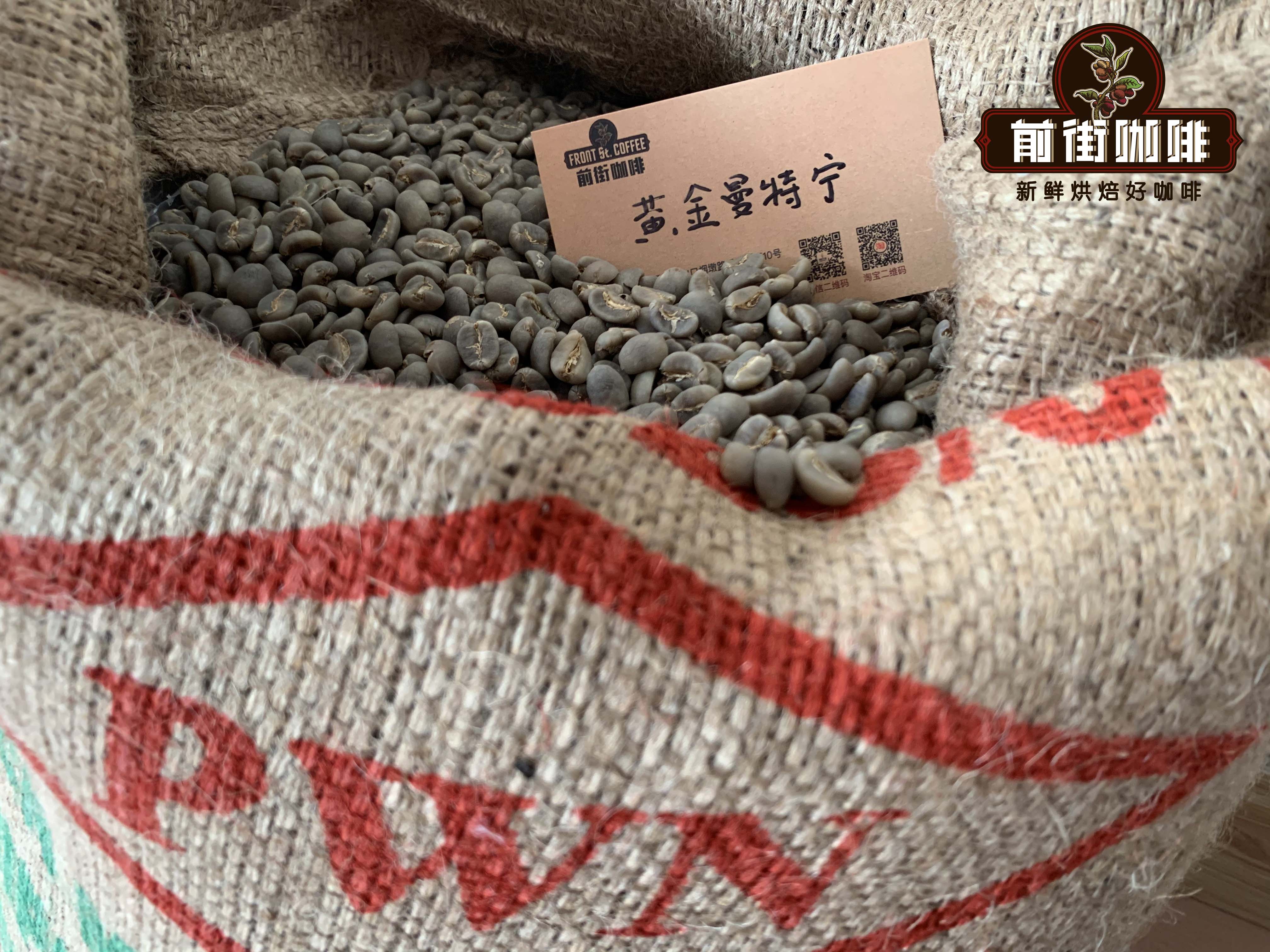
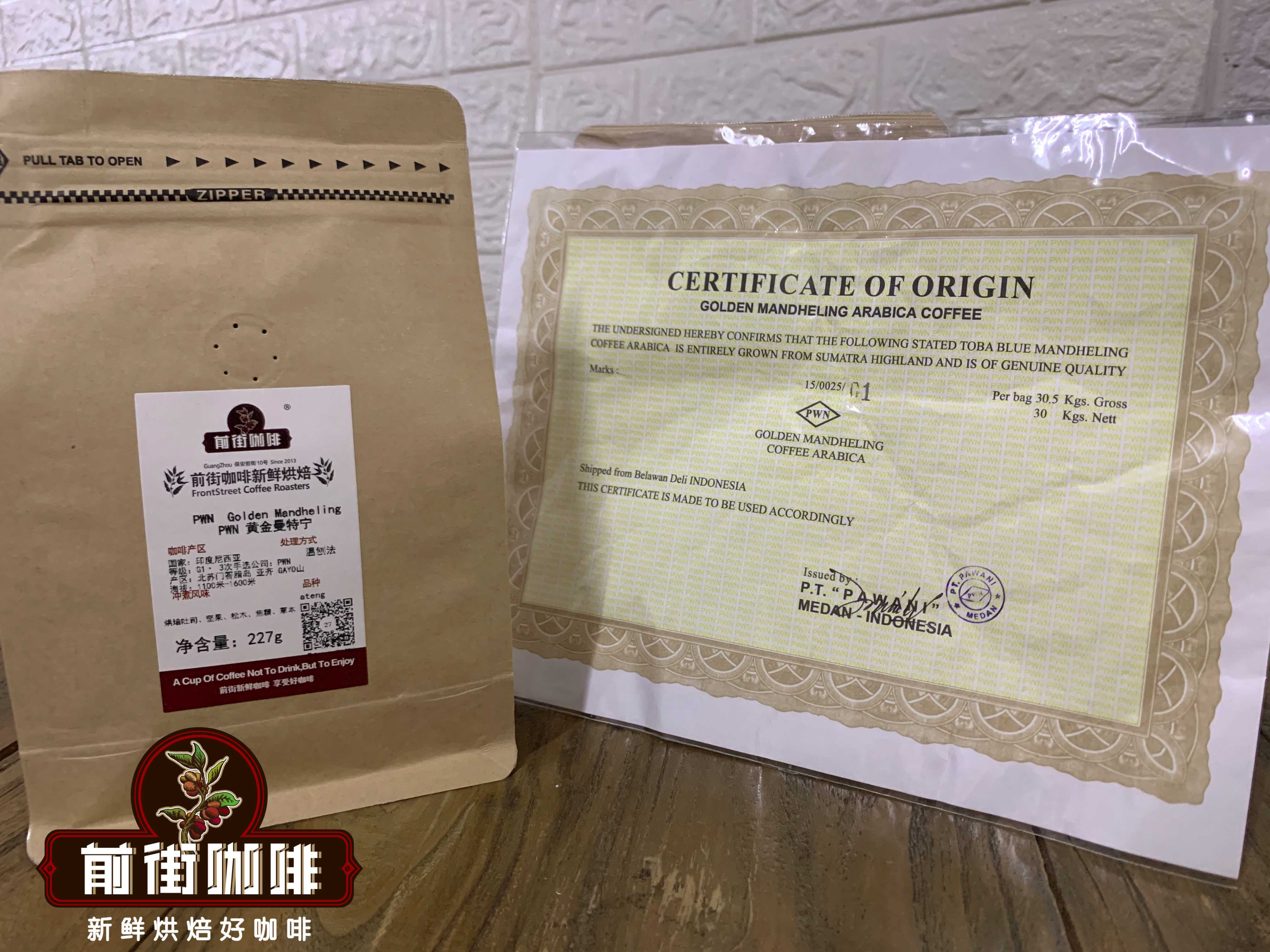
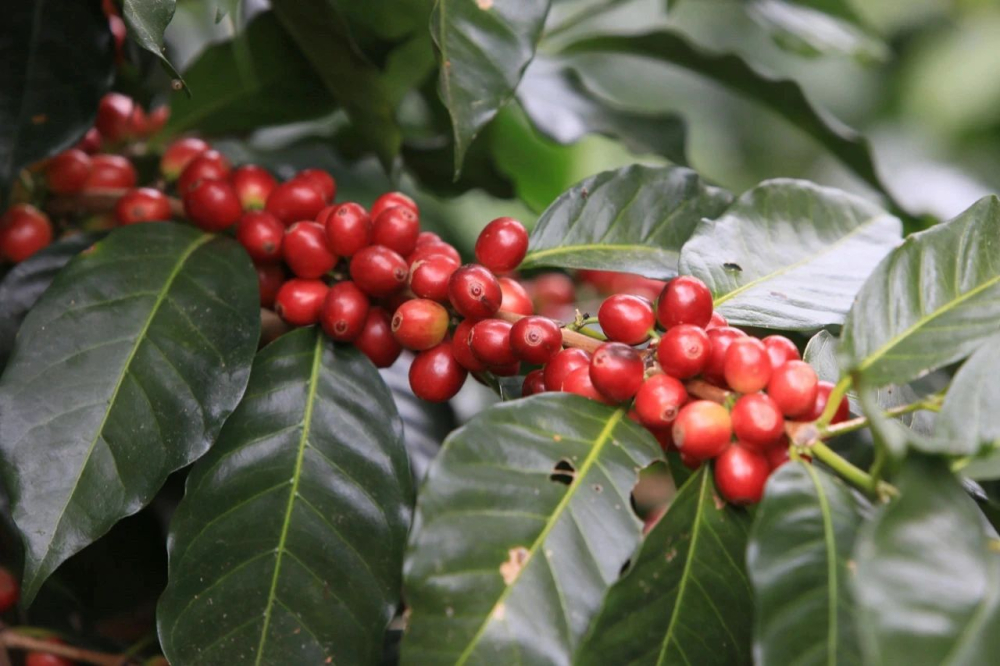
The name Mandheling comes from Arabica coffee in northern Sumatra, and the main producing area is now the Gayo Highlands in Aceh Province. The Golden Mandheling selected by the local PWN company uses the highly disease-resistant Ateng variety (the local name for Catimor in Aceh). This producing area is above 1,500 meters in altitude, and the coffee cultivated in volcanic soil has a distinct herbal and spice base.
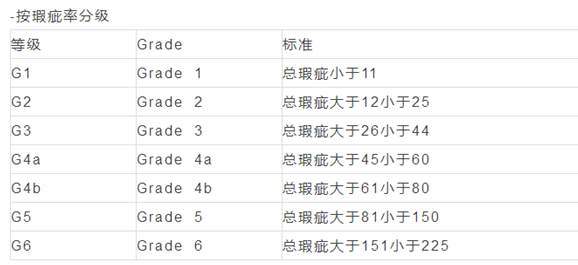
Indonesia uses a unique defect-rate grading system, dividing green beans into six grades, G1 to G6. G1 is the highest grade, requiring fewer than 11 defects per 300 grams of green beans, far stricter than ordinary commercial bean standards. In addition to defect rate, bean size (such as 17/18 screen) and number of screenings (Double/Triple Picked) are also important indicators; multiple manual screenings can significantly improve bean uniformity.
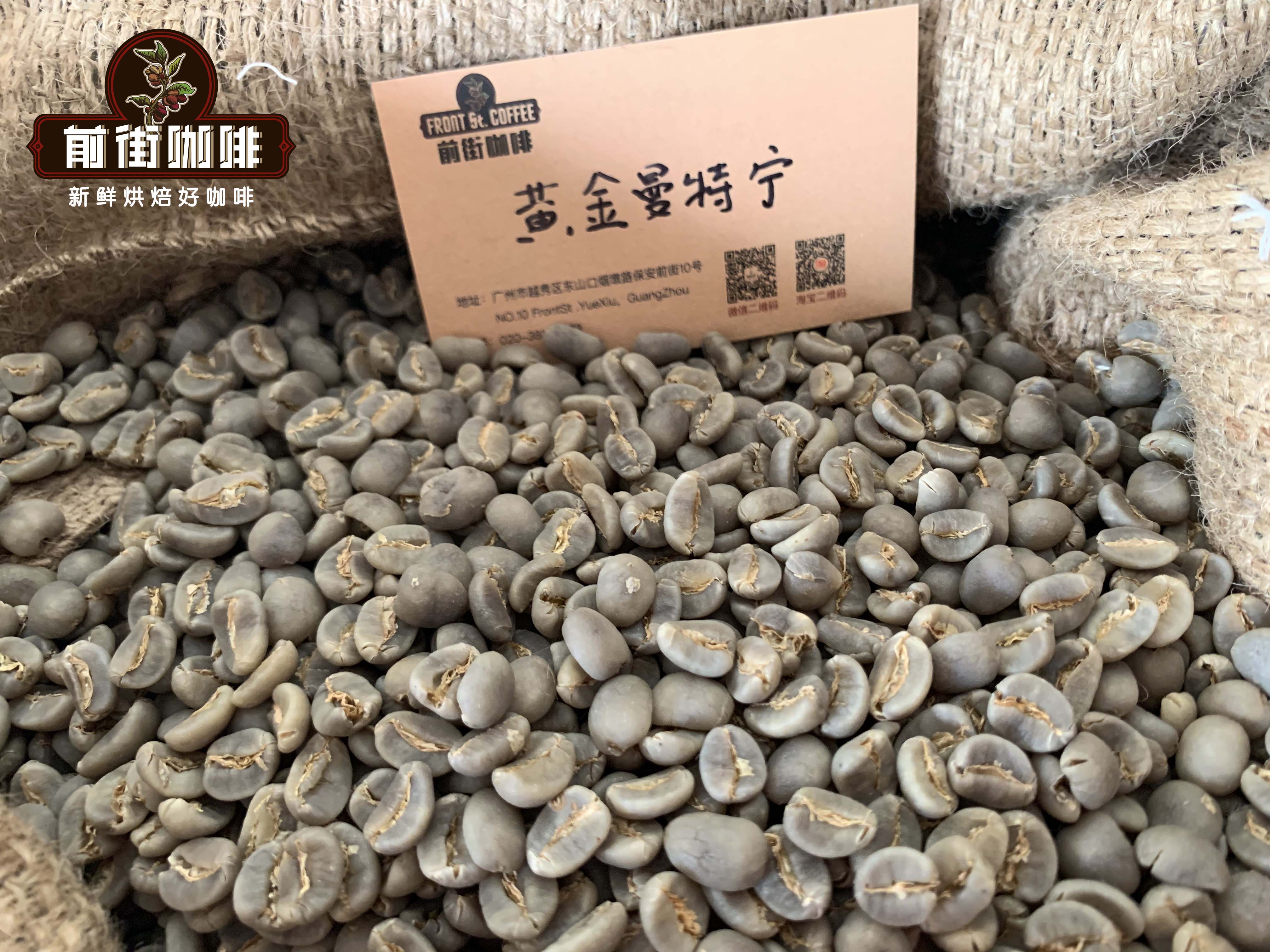
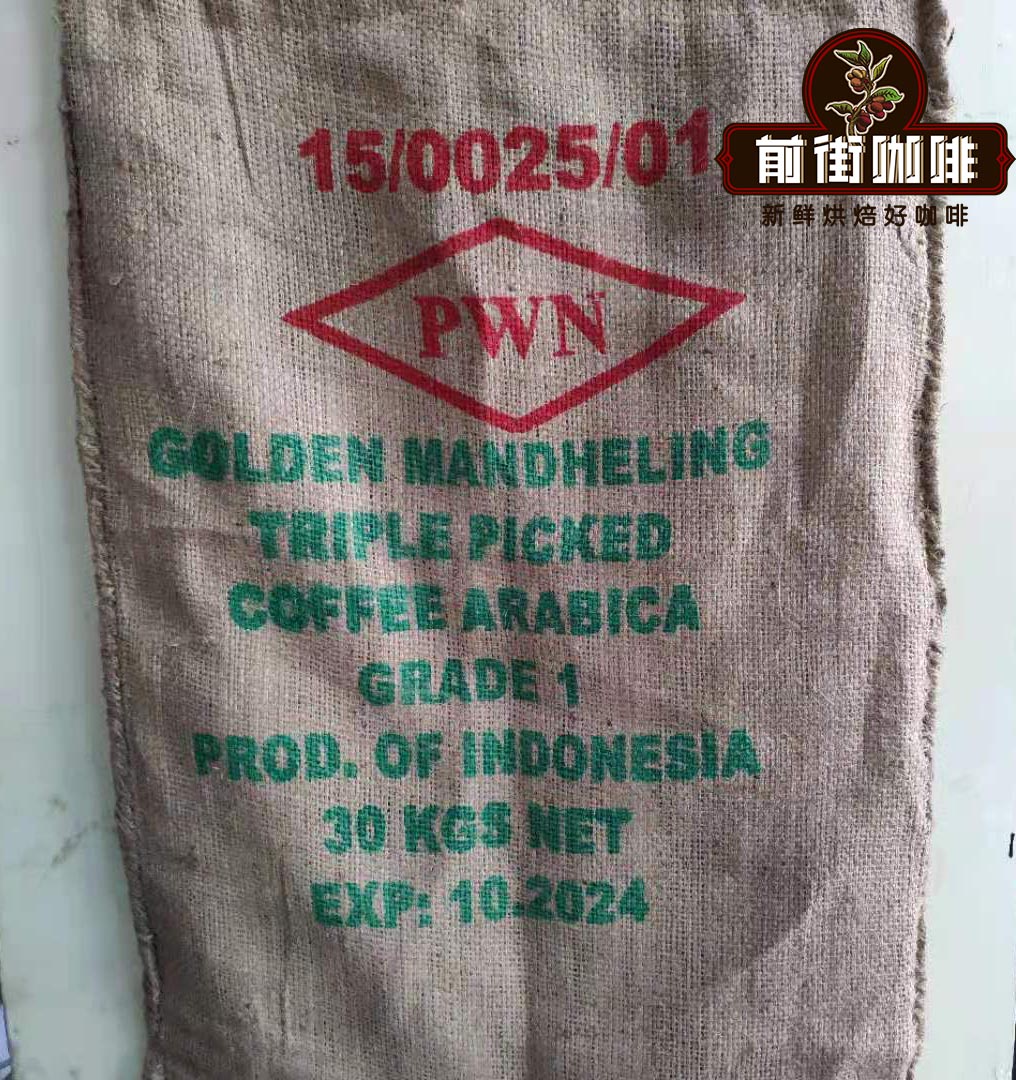
Key information can be obtained by observing coffee packaging: the G1 grade mark ensures basic quality, and Triple Picked means three times hand-selected. Taking a typical product as an example, its parameters show: Arabica species, produced in Aceh, Indonesia, 17/18 screen, 20 kg sack net weight, October 2020 crop season, shelf life until October 2024. These details help consumers judge freshness and quality level.
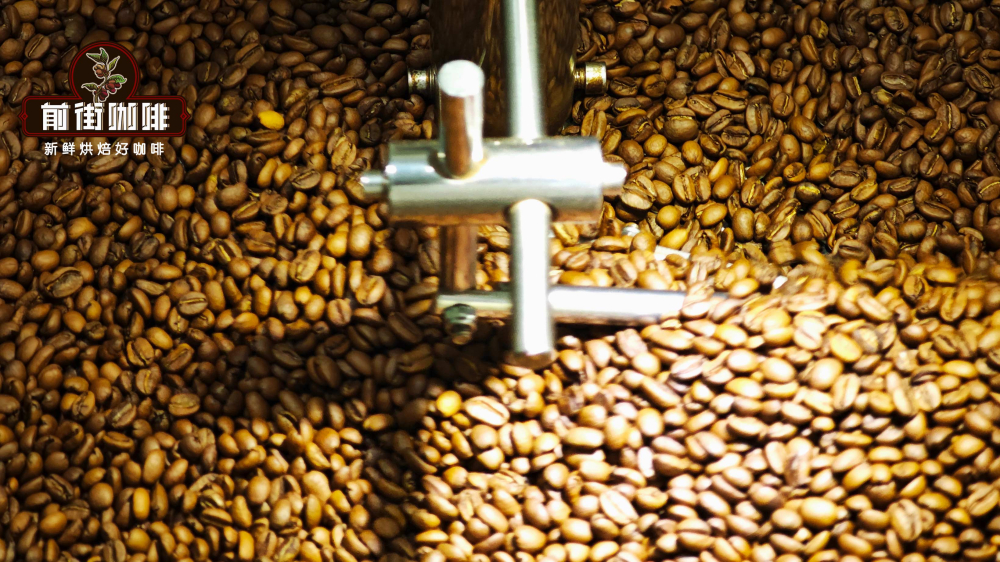
For roasting, Mandheling is suitable for showing its full-bodied characteristics. It is recommended to charge at 200°C, with initial heat at 160°C for dehydration until the bean surface turns yellow (about 5 minutes 40 seconds), then adjust to 140°C to continue roasting. During first crack (about 9 minutes 54 seconds), heat must be precisely controlled at 60, and finally drop at 204.5°C. These parameters balance spice flavor and sweetness; dropping before second crack can retain bright acidity, while dropping after second crack reduces off-flavors.
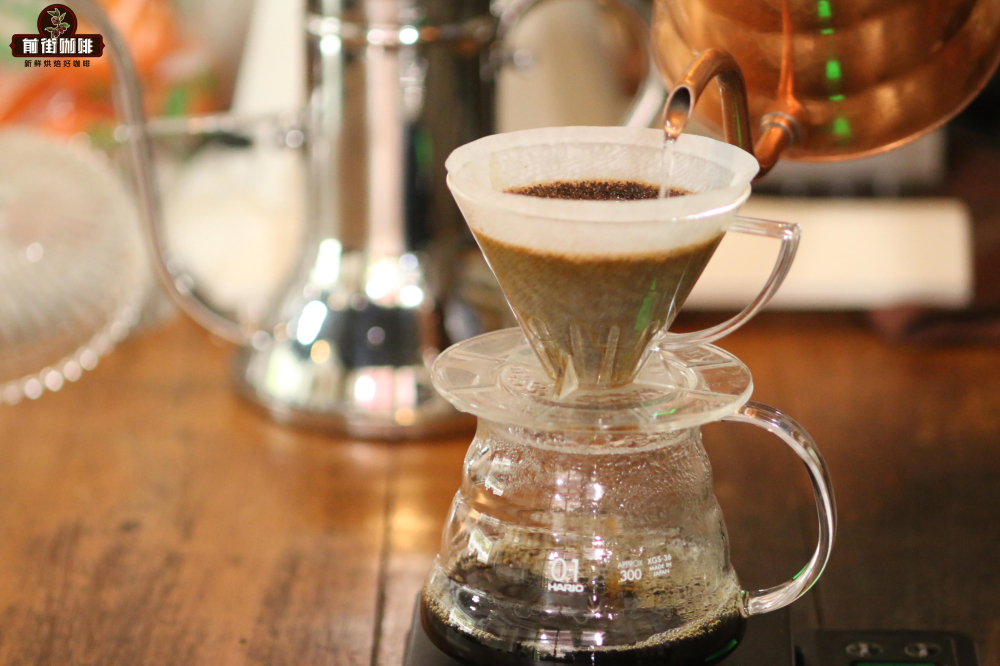
For the pour-over plan, the KONO dripper is recommended; for medium-dark roast, use a medium-coarse grind (57% passing through a No. 20 sieve). Use a 1:13 coffee-to-water ratio with 87°C water temperature, pouring in three stages: first 40 grams for a 30-second bloom to release aroma, middle stage 120 grams in a circular pour around the center, and final stage 100 grams to fill. The whole extraction takes 2 minutes, which can highlight nutty, chocolate and caramel flavors while avoiding herbal off-flavors.
In terms of flavor performance, high-quality G1 Mandheling is characterized by cleanliness and full body. Compared with ordinary Lintong Mandheling, its earthy flavor is greatly reduced, highlighting spice notes such as dark chocolate and cinnamon, with a lasting caramel sweetness in the finish. Professional cupping shows that beans screened at 17 mesh have about 15% higher body, while the defect rate of three-times hand-selected beans can be reduced by another 30%.
For storage, keep away from light and moisture; unopened sack packaging can be stored for 12-18 months. After grinding, it is recommended to use within 20 minutes, and the best flavor period is 7-21 days after roasting. For beginners, it is recommended to start with the G1 grade and experience flavor changes by adjusting brewing water temperature (±2°C), gradually mastering the layering of Mandheling.