Sumatra Mandheling: Flavor Profile and Wet-Hulling Guide
Introduction: An in-depth look at the distinctive flavor characteristics of Sumatra Mandheling coffee and how the local traditional wet-hulling process (Giling Basah) shapes its signature full body. From the bean's origins and history to its cupping performance, this guide helps you fully understand the unique charm of this classic Southeast Asian coffee and master the key points for selecting a high-quality Mandheling.
As an important coffee-producing region in Indonesia, Sumatra's arabica coffee cultivation history dates back to the Dutch colonial period in the 18th century. The earliest growing areas were concentrated around Lake Tawar in the north; today they have expanded to areas such as Lake Toba in the southwest, creating diverse microclimate growing environments.
What the market commonly calls "Mandheling" is not a place of origin but the name of an ethnic group in Indonesia. This name is widely used to refer to various styles of Sumatran coffee. Interestingly, high-quality Mandheling coffees often have distinct flavor characteristics, and even beans that look imperfect can deliver excellent performance in the cup.
The most notable flavor characteristic of Mandheling coffee is its rich, full-bodied mouthfeel, with pronounced earthy notes, herbal flavors and low acidity. This unique personality makes it a favorite among dark-roast lovers, especially suited to coffee enthusiasts who enjoy a full body and complex flavors.
Sumatran coffee is processed using the unique wet-hulling method (known locally as Giling Basah). The first step of this traditional process is to give the harvested coffee cherries a conventional washed treatment, removing the pulp to obtain beans still in their parchment. Unlike other processing methods, wet-hulling removes most of the parchment layer while the beans still contain a high moisture content (about 30-50% humidity).
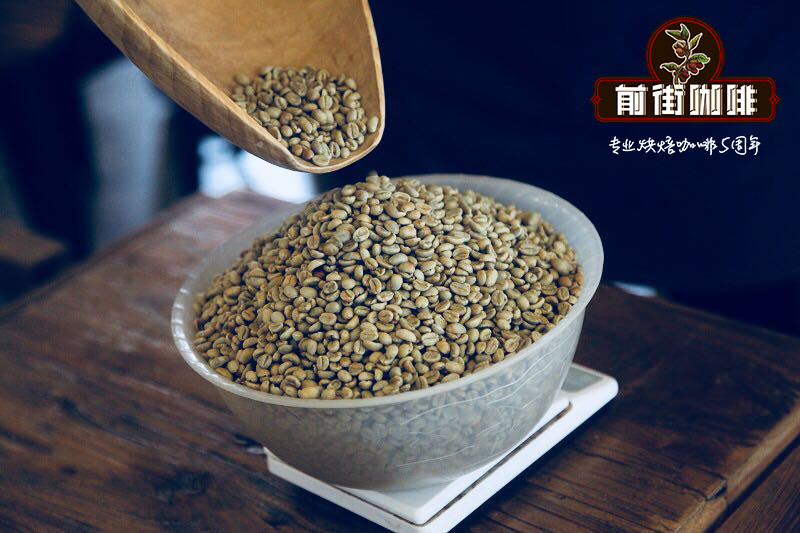
After the outer protective layer is removed, the beans are placed on patios or the ground to dry. This special treatment causes the beans to develop a distinctive wrinkled surface during drying, which not only speeds up drying but also gives the beans a fuller body and lower acidity. It is worth noting that the drying process must be strictly controlled and usually takes several weeks, during which the beans must be turned regularly to ensure even drying.
A high-quality cup of Sumatra Mandheling typically shows rich layers of flavor. The first sip brings a full-bodied chocolate and spice base, followed by distinctive woody notes and a slight smokiness. In the middle, herbal and earthy aromas often come through, while the finish carries a lasting nutty and caramel sweetness.
For enthusiasts who want to try Mandheling coffee, a medium-dark roast level is recommended to fully bring out its characteristic flavors. For pour-over, a water temperature of 90-93°C is suggested, with a coffee-to-water ratio of about 1:15 and a medium-coarse grind for balanced extraction. A French press is also a good choice, as it better preserves its full-bodied mouthfeel.
When buying Mandheling coffee, pay attention to the roast date, as freshness is crucial to flavor performance. A high-quality Mandheling, even if imperfect in appearance, can still deliver excellent performance in the cup as long as it is stored properly. It is advisable to choose a reputable roaster to ensure you get authentic coffee beans from the Sumatra region.


