Sulawesi Coffee Flavor Analysis and Growing Region Guide
Introduction: Sulawesi Island (formerly known as Celebes) produces distinctive coffee beans thanks to its unique volcanic landscape and traditional farming methods. This article takes an in-depth look at the Typica-derived varieties of the Tana Toraja growing region, from altitude and processing method to cupping performance, introducing this specialty coffee that combines floral and roasted vegetable notes, and providing a practical flavor reference to help you find the coffee experience you are looking for.
Sulawesi, the world's eleventh-largest island, is known for its shape resembling an inverted spoon; its original local name Celebes comes from a legend of sailors encountering a storm. The island straddles the equator and covers about 170,000 square kilometers; its central highlands offer excellent conditions for growing coffee—towering mountains and mineral-rich volcanic soil provide a natural advantage for coffee cultivation.
The Tana Toraja growing region lies in central Sulawesi, and the 1,400–1,600 m planting area is far from transport hubs, so local Toraja farmers rely on middlemen to transport the coffee beans to collection points. Notably, the area still preserves traditional stilted boat-shaped houses (Tongkonan Houses), and these buildings covered in ethnic patterns have become an important marker of the region's cultural landscape.
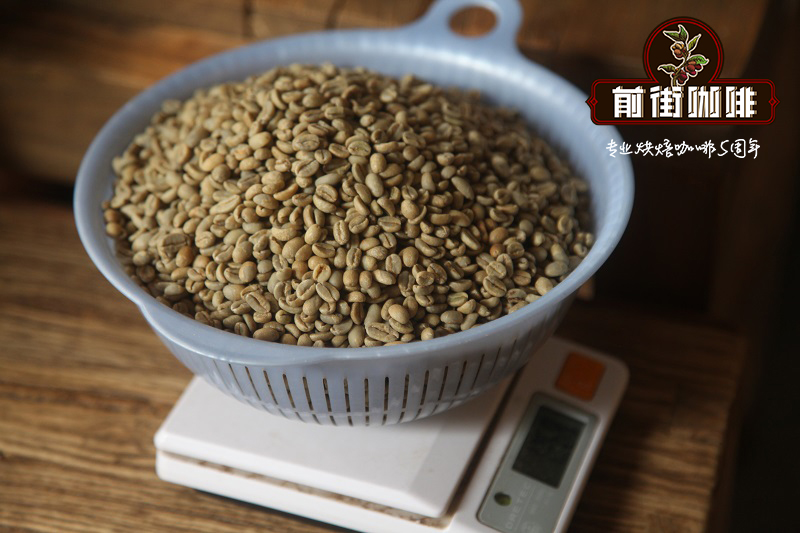
The coffee from this region is known for washed processing combined with central sun-drying, and the raw material comes mainly from Typica-derived varieties (such as S795) grown by many smallholder farmers. This improved variety inherits the high acidity of the Typica line, while strict harvesting standards—requiring farmers to provide grading certificates, storage humidity records, and other documents—ensure green bean quality. The Central American washing technology introduced by the Toarco company further improved processing consistency.
In the dry aroma stage, one can already catch the complex notes of sweet nuts, orange peel, and woody spice, while the wet aroma reveals mellow layers of brown sugar and malted grain. At a medium-light roast it shows clear almond notes and clean acidity, while a medium-dark roast highlights brown sugar sweetness and a lingering mushroom finish. Particularly noteworthy is that its cold brew often carries a fresh aroma reminiscent of tea leaves.
The flavor wheel shows typical characteristics including: floral and vanilla cream notes up front, a roasted vegetable note in the middle, and a lingering woody warmth in the finish. This clearly layered expression often leads it to be mistaken for an Ethiopian natural bean in blind tests, yet its distinctive mineral sensation bears the unmistakable imprint of an Indonesian growing region.
The planting history dates back to Typica introduced by the Dutch East India Company in 1750, but local farmers have preserved superior variants through long-term selection. Abnormal rainfall in 2010 once caused production to plummet by 70%, which also makes Sulawesi beans from good years more precious on the market. In processing, rapid drying technology for green beans at 40% humidity, combined with temperature-controlled raised beds, is the key step for ensuring flavor purity.
For coffee lovers, this bean is suited to pour-over brewing at 92–94°C water temperature, and a coffee-to-water ratio of 1:15 is recommended to highlight its sweetness. Common brewing mistakes include excessively long blooming (it should be kept within 30 seconds) or using too fine a grind (a medium-fine grind, similar to the texture of granulated sugar, is recommended). Professional roasters recommend a medium roast (Agtron 65–70) to balance acidity, bitterness, and body.


